Full Article
about Jerez de la Frontera
Most populous city in the province, world-famous for its wines and horses; birthplace of flamenco and host of major motor events.
Hide article Read full article
You know that smell when you walk into a friend's house and it just smells like them? Jerez has that, but for a whole city. It’s not one thing. It’s old wood from the bodegas, dry earth from the training yards, and a hint of something sweet baking a street over. For a place with over two hundred thousand people, it feels surprisingly familiar, like a big town where you keep seeing the same faces.
Watching Horses That Actually Work
Everyone tells you to see the horses at the Real Escuela. And yeah, you should. But forget the “dancing” brochure talk for a second. What gets you is the quiet. In the middle of a complex movement, there’s this pause where the horse is just… holding. The entire arena goes still. Even kids stop fidgeting.
Come in the morning, before the show. That’s when you see it’s not a performance act. It’s morning workouts, grooms brushing coats, the slow, methodical care of an animal that’s been part of life here for longer than anyone can remember. The horse here is a colleague, not a prop.
Sherry Is Just the House Wine
The bodega tours are good. They explain the solera system, the different types, all that. But it can feel like a science class. You learn more in five minutes at a neighbourhood bar.
You order a fino. It comes cold, in a simple copita. Maybe there’s a tapa of olives or almonds on the counter. The person next to you is talking about football or how hot it’s going to be tomorrow. That’s when it clicks: here, this world-famous wine is just what people drink.
Trying them in order tells its own story. Fino is sharp and clean, like a green almond. Amontillado starts adding corners and shadows. Oloroso is for sitting with. And Pedro Ximénez? That’s dessert in a glass. Have it last, or it rewrites your whole palate.
The Cathedral Everyone Calls 'La Colegial'
Locals still call it ‘La Colegial’, which tells you something about history sticking around. The building is a patchwork of what was there before: a mosque, then a church, then expansions over centuries.
Outside, it’s all pale stone and strong lines under the Cadiz sun. The square around it functions as the city’s living room. People cut through on their way to the Alcázar, friends meet by the fountain, tourists figure out their next move.
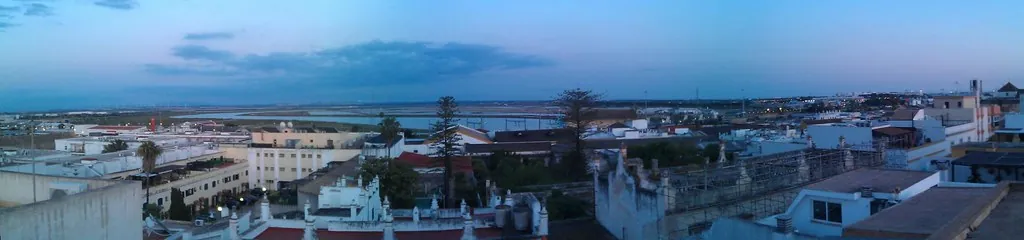
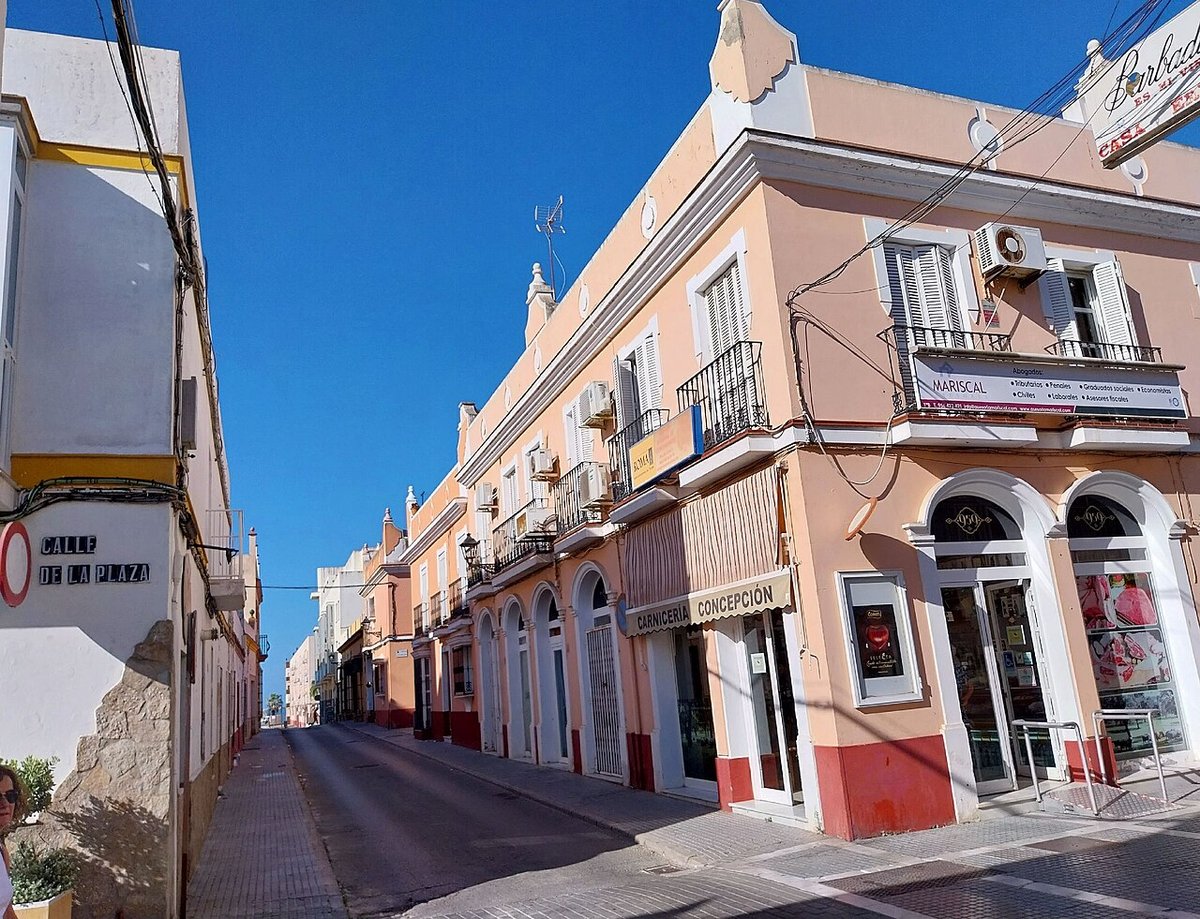
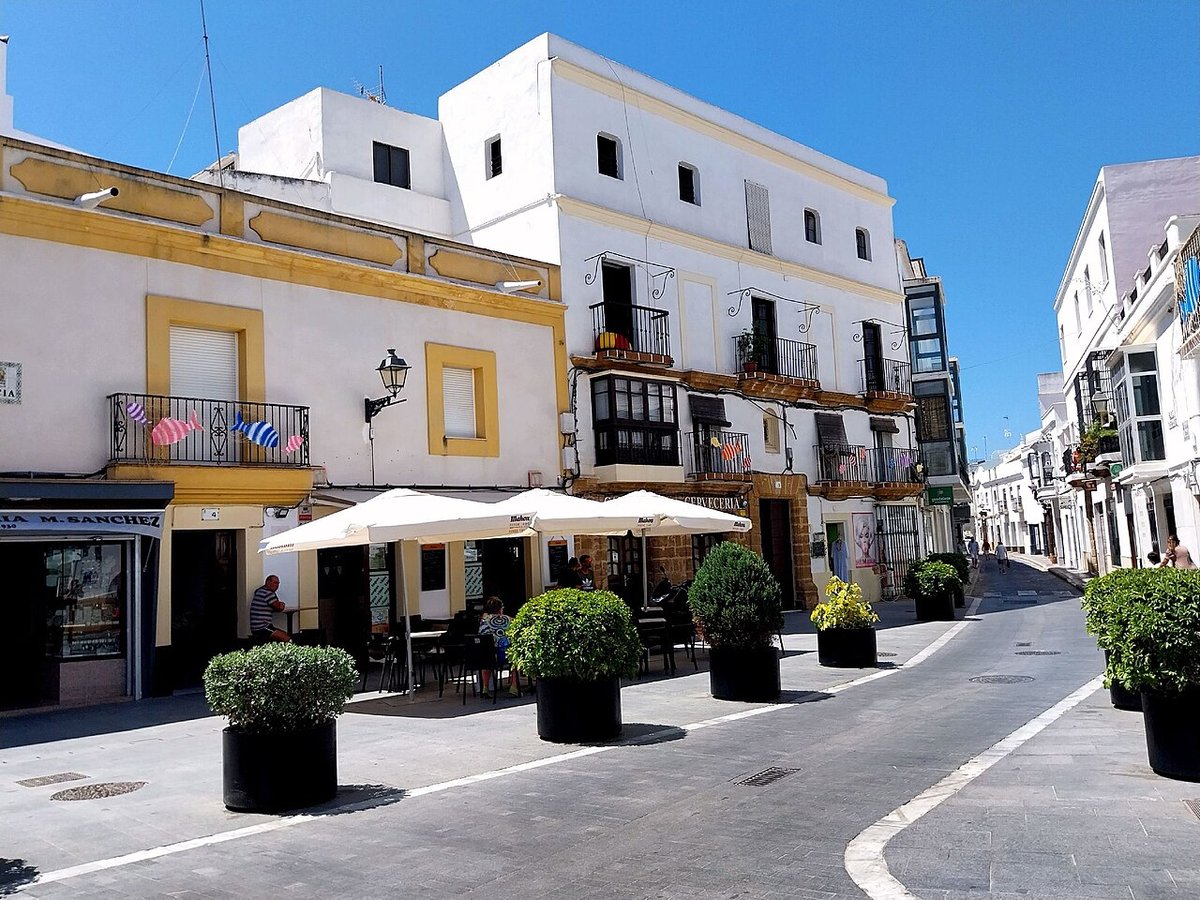
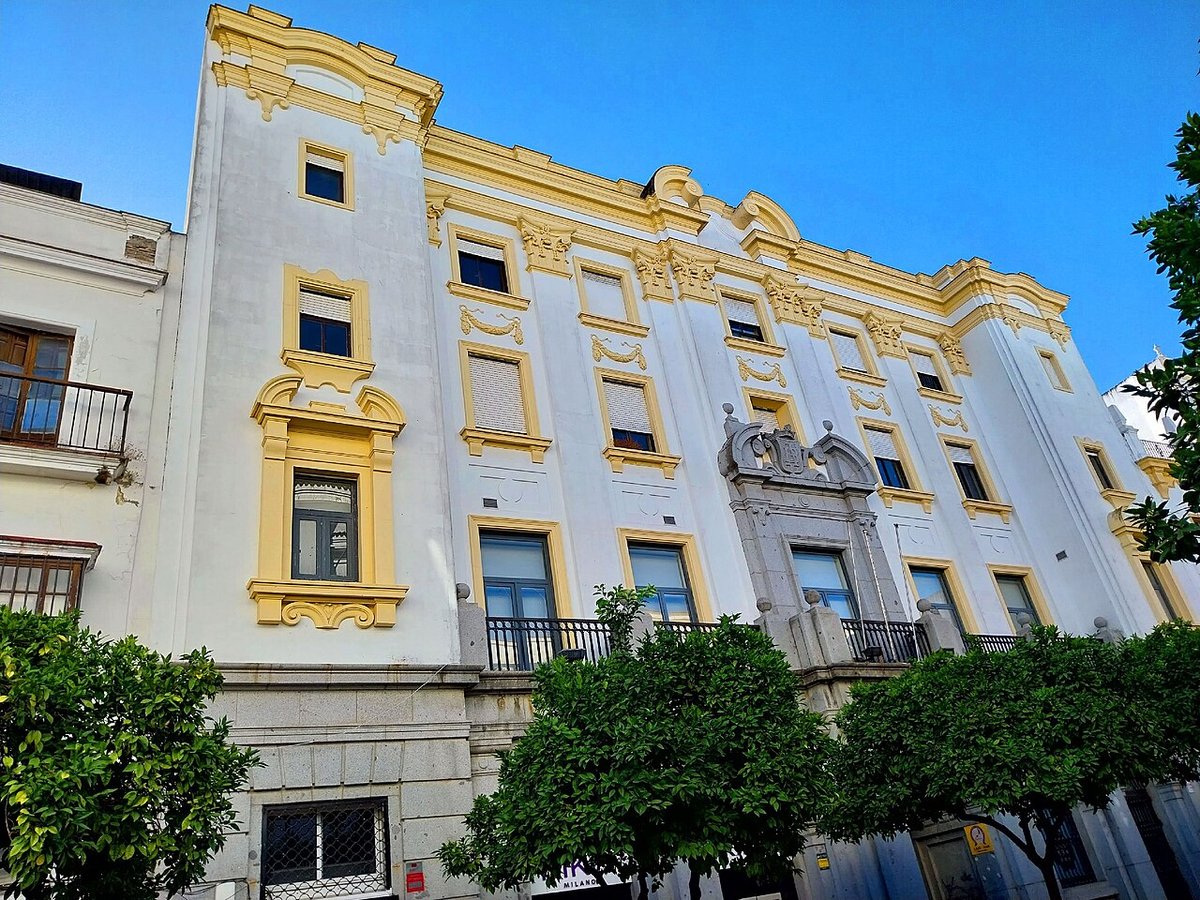
From here, you get Jerez’s layout: wide streets built for carriages, plenty of palm trees, orange trees on every other corner that fill the spring air with blossom scent. The centre is walkable without feeling cramped or tiny.
Flamenco From the Pavement Up
Forget big theatres for a minute. In Jerez, flamenco comes from the barrios of Santiago and San Miguel.
It doesn't need a stage. It might start with someone drumming on a tabletop at midnight. A guitar appears from somewhere. Then singing comes in from three people at once.
There’s no schedule posted for this stuff; you just have to be around. If you want background first,the Centro Andaluz de Flamenco has archives and exhibits in an old palace downtown.But context only gets you so far.The real thing happens where people learned it by hearing it through their kitchen wall growing up.
When May Changes Everything
The Feria del Caballo in May puts the city on a different clock.The fairground fills with casetas,but they tend to feel more like family porches than exclusive clubs.People talk.You get offered a drink without much ceremony.
Daytime is for horses and carriages parading slowly.Nighttime shifts to music,dancing,and conversations that somehow last two hours longer than you planned.You can't really get this in an afternoon visit.The feria has its own rhythm,and you need to give yourself time to find it.
A Place That Unfolds Slowly
Jerez isn't a weekend checklist city.It's more like getting to know someone who seems simple at first glance.Later you find out their family has worked in the same bodega for four generations or that their uncle sings with a raw,cracked voice at parties.The layers are there,but they don't advertise themselves.
Come in spring,the weeks just before or after the big events.The light is good,the pace eases off,and daily life becomes easier to see.Instead of smelling just wine or horses or flowers,you smell them all mixed together.That's Jerez.It doesn't feel arranged for you.It just is,and your job is to settle into its tempo