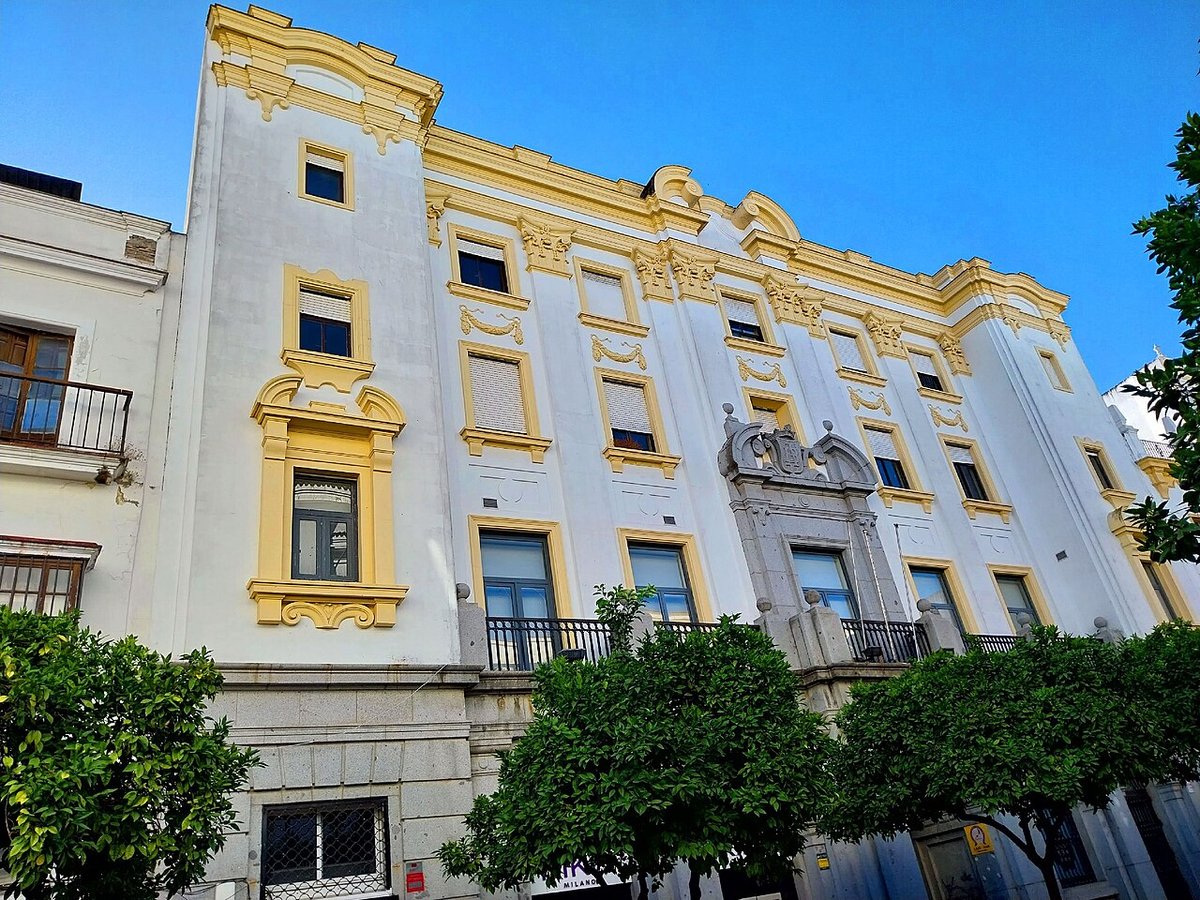
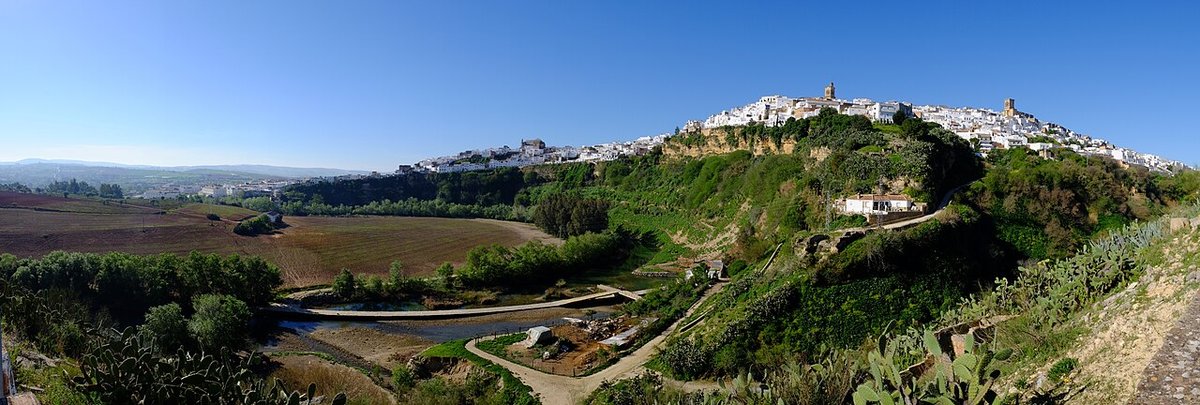
Vista aérea de San José del Valle
Instituto Geográfico Nacional · CC-BY 4.0 scne.es
Andalucía · Passion & Soul

San José del Valle

The tractor driver raising two fingers from his steering wheel isn't being polite. He's acknowledging that you've wandered into his territory – the...

4,419 inhabitants · INE 2025
143m Altitude

Why Visit

Gigonza Castle Horseback riding routes

Best Time to Visit

spring

May Fair (May) mayo

Things to See & Do
in San José del Valle

Heritage

  • Gigonza Castle
  • Old Church
  • Guadalcacín Reservoir

Activities

  • Horseback riding routes
  • Fishing in the reservoir
  • Hiking

Festivals
& & Traditions

Fecha mayo

Feria de Mayo (mayo), Romería de San José (marzo)

Las fiestas locales son el momento perfecto para vivir la autenticidad de San José del Valle.

Full Article
about San José del Valle

A young municipality that broke away from Jerez, set where the foothills begin; a landscape of reservoirs and hills made for outdoor pursuits.

Ocultar artículo Leer artículo completo

The tractor driver raising two fingers from his steering wheel isn't being polite. He's acknowledging that you've wandered into his territory – the dusty agricultural arteries that fan out from San José del Valle like spokes from a wheel. This is working Spain, where the day's rhythm depends more on rainfall patterns than tourist timetables.

At 143 metres above sea level, the village sits in the Campiña de Jerez, a rolling agricultural basin that feels worlds away from the Costa de la Luz beaches just 40 kilometres distant. The altitude might seem modest, but it's enough to create a microclimate where summer temperatures regularly top 38°C, yet winter mornings can dip to a brisk 5°C. The difference becomes apparent when coastal fog lingers over Cádiz while San José bakes under clear skies.

The Village That Jerez Forgot

Founded in the mid-1500s by settlers from Jerez de la Frontera, San José del Valle never quite shook off its satellite status. The 4,400 inhabitants maintain the practical outlook of people who've always lived from the land. Streets are wide enough for farm machinery, houses painted white for reasons that become obvious by midday, and the church clock strikes the hours with agricultural precision rather than tourist punctuality.

The Iglesia Parroquial de San José dominates the Plaza de España, though 'dominates' might be overstating it. Built in the 20th century to replace an earlier chapel, its modest proportions reflect a community that preferred investing in irrigation systems over ecclesiastical grandeur. Inside, the simplicity continues – no gold-leaf excess here, just whitewashed walls and the smell of beeswax polish that speaks of genuine use rather than heritage preservation.

Wander beyond the square and you'll discover the village's real architecture: single-storey houses with patios where washing flutters between orange trees, and walls thick enough to keep interiors cool when the thermometer climbs. These aren't restored show homes but working residences where grandparents still shell almonds on doorsteps and neighbours pause to discuss rainfall statistics.

Field Work and Forks

The surrounding countryside defines daily life more than any monument. Vast cereal plains stretch towards distant cork-oak hills, interrupted only by olive groves and the occasional cortijo – traditional farmsteads that operate much as they did three centuries ago. During spring, the landscape erupts in violent yellow as sunflowers compete with rapeseed for aerial dominance. By July, everything turns gold then brown, creating the dusty palette that characterises interior Andalusia.

This is walking country, though 'strolling' might be more accurate. The Sendero Rural PR-A 275 circumnavigates the village via farm tracks where you're more likely to meet a John Deere than a fellow hiker. The 12-kilometre loop takes three hours, including mandatory stops to watch storks circling overhead and to readjust footwear after crossing dried stream beds. Bring water – lots of it – because shade exists only where farm buildings cast shadows.

The village's two restaurants reflect agricultural practicality rather than culinary ambition. At Mesón Las Palmeras, the menú del día costs €12 and features whatever's abundant. Spring means artichoke hearts scrambled with eggs; autumn brings game from the surrounding hills. The gazpacho arrives properly chilled, not because tourists expect it but because anyone with sense avoids hot soup when it's 35°C outside. Don't arrive at 4pm expecting dinner – kitchens close until 8pm, and anyway, you should be drinking coffee in the plaza like everyone else.

When The Valley Comes Alive

San José's calendar revolves around agricultural cycles rather than tourism seasons. March brings the Feria de San José, when the population effectively doubles as former residents return for four days of caseta-hopping and sherry consumption. The village's single cash machine runs dry, the bakery sells out by 10am, and finding a parking space becomes an exercise in creative Spanish engineering.

Holy Week processions feel genuinely devotional rather than performed. Locals carry statues they've known since childhood, and the incense-heavy air carries the weight of tradition rather than ticket sales. Stand outside the church at 2am during Maundy Thursday and you'll witness something that hasn't changed since the 1600s – apart from the mobile phones recording it.

August's fiestas patronales transform the place completely. What was a quiet agricultural centre becomes a fairground with bumper cars occupying the football pitch and every balcony sprouting plastic bunting. The temperature might hit 40°C, but nobody considers postponing – they simply start the celebrations at midnight when it's marginally cooler.

Getting Here, Staying Put

The village sits 25 minutes from Jerez airport, where Ryanair's Stansted flights deposit British visitors who've usually booked Jerez city breaks without realising rural Andalusia begins ten minutes beyond the runway. Hire cars are essential – public transport involves a twice-daily bus that connects with Jerez at inconvenient times and doesn't run Sundays.

Accommodation options reflect the village's non-tourist status. There's one hostal above a bar, three rural cottages on the outskirts, and a farmhouse B&B where the owner speaks fluent German but no English. Prices hover around €60-80 per night, breakfast included, though 'breakfast' means coffee and toasted molletes with tomato and olive oil – perfectly adequate once you abandon thoughts of bacon and eggs.

The nearest supermarket would fit inside a London corner shop, though it stocks surprisingly good local wine for €3 a bottle. Stock up properly in Jerez before arrival, especially if you're self-catering – the village shops assume everyone grows their own vegetables and keeps chickens.

The Honest Verdict

San José del Valle won't suit everyone. There's no nightlife beyond the bars showing football matches, no souvenir shops, and the most exciting attraction is watching tractors manoeuvre around the plaza. Mobile signal drops in the surrounding hills, and if you need cash after 8pm, you're stuck until tomorrow.

But for travellers seeking Spain's agricultural reality rather than its tourism veneer, it offers something increasingly rare – authenticity without the performance. The bar owner remembers your order after one visit, the bakery sells bread still warm from ovens fired before dawn, and the elderly gentleman on the bench will explain the village's water distribution system with the enthusiasm others reserve for cathedral tours.

Come in April when the countryside glows green before summer's drought, or October when harvest dust settles and temperatures drop to walking-friendly levels. Avoid July and August unless you enjoy siestas that last until dinner time. Bring sturdy shoes, Spanish patience for irregular opening hours, and curiosity about how inland communities survive when the tourist coaches never arrive.

Just remember to raise two fingers when the tractor passes. It's how locals acknowledge that you've figured out the real secret – sometimes the most interesting places are the ones nobody thought to keep hidden.

Key Facts

Region
Andalucía
District
Campiña de Jerez
INE Code
11902
Coast
No
Mountain
No
Season
spring

Livability & Services

Key data for living or remote work

2024
ConnectivityFiber + 5G
HealthcareHealth center
EducationHigh school & elementary
Housing~5€/m² rent · Affordable
CoastBeach 18 km away
Sources: INE, CNMC, Ministry of Health, AEMET

Official Data

Institutional records and open data (when available).

  • Piscinas municipales
    bic Monumento ~0.5 km

Planning Your Visit?

Discover more villages in the Campiña de Jerez.

View full region →

More villages in Campiña de Jerez

Traveler Reviews