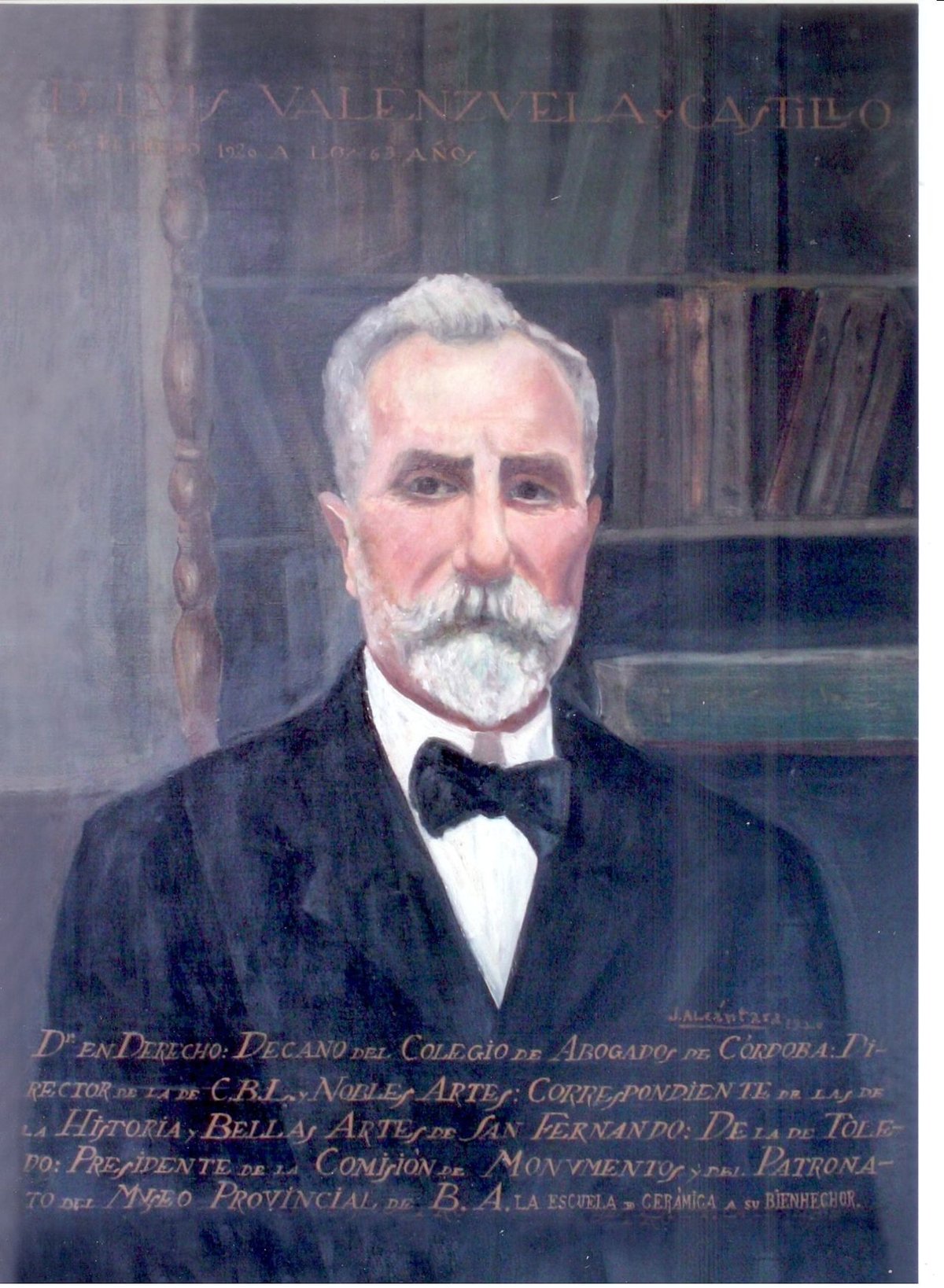
Eugenio Espejo (signature).jpg
Wikimedia Commons · Public domain
Andalucía · Passion & Soul

Espejo

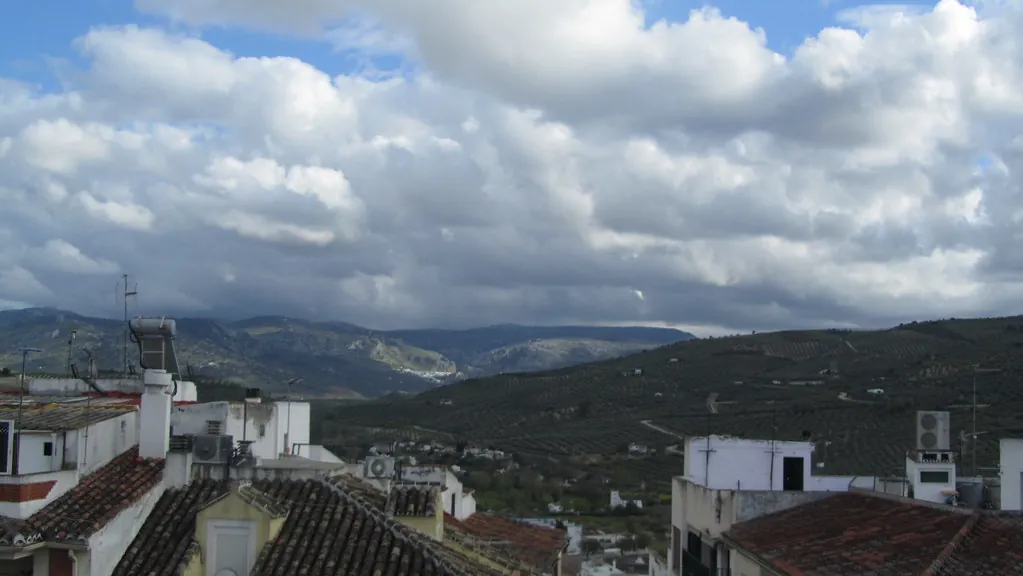
The castle walls appear first, a jagged silhouette against terracotta roof tiles that seem to tumble down the hillside. From the A-4 motorway, Espe...

3,175 inhabitants · INE 2025
423m Altitude

Why Visit

Ducal Castle Robert Capa Route

Best Time to Visit

autumn

Royal Fair (August) agosto

Things to See & Do
in Espejo

Heritage

  • Ducal Castle
  • Church of San Bartolomé
  • Roman cistern

Activities

  • Robert Capa Route
  • chorizo tasting
  • visit to the Castle

Festivals
& & Traditions

Fecha agosto

Feria Real (agosto), Romería de San Isidro (mayo)

Las fiestas locales son el momento perfecto para vivir la autenticidad de Espejo.

Full Article
about Espejo

Tiered village beneath its imposing ducal castle, ringed by olive groves and vineyards, known for its traditional cured meats and Civil War history.

Ocultar artículo Leer artículo completo

The castle walls appear first, a jagged silhouette against terracotta roof tiles that seem to tumble down the hillside. From the A-4 motorway, Espejo announces itself like a proper Andalusian village should—white houses stacked impossibly high, defying gravity and modernity in equal measure. This isn't one of those places that's discovered itself via Instagram; the 3,200 residents still outnumber visitors by a considerable margin.

The View from 400 Metres

At just over 400 metres above sea level, Espejo sits high enough to catch the breeze but low enough to avoid the harsh mountain weather that plagues Granada's Alpujarras. The altitude means summer evenings drop to a tolerable 24°C when Córdoba's plain is still sweltering at 35°C—crucial intelligence for anyone who's melted through southern Spain in August.

The village spills down its hill in that particular way white villages have, where streets become staircases and front doors open directly onto your neighbour's roof. Park at the bottom—seriously, resist the urge to drive up. The castle access road is single-track concrete that'll stripe your hire car with olive branches and anxiety. Besides, the fifteen-minute climb through winding alleys builds anticipation better than any visitor centre could.

From the ruined castle, the panorama explains everything. Olive groves stretch to every horizon, their silver-green leaves creating an almost metallic sheen under the Andalusian sun. These aren't neat agricultural rows—they're ancient, gnarled specimens with trunks wider than a London bus is long. Some have been producing oil since Wellington was fighting further north; locals call them "olivos monumentales" and treat them with the reverence other villages reserve for cathedrals.

Oil, Soup and Saturday Night Realities

The castle itself won't win restoration awards. What's left are essentially medieval foundations plus fragments of wall that serve perfectly as natural viewing platforms. No ticket office, no audio guide, just you and 360 degrees of Spain's most productive olive region. Sunset here operates on Spanish time—around nine-thirty most of the year—when the groves turn from green to gold and the village below glows like it's been plugged in.

Food in Espejo operates on strict seasonal logic. March brings wild asparagus that appears in scrambled eggs at Bar Casa Paco. June means gazpacho so thick your spoon stands upright, made with tomatoes that never saw a fridge. October through December, during the olive harvest, bars fill with pickers ordering salmorejo (that glorious cold soup that's essentially gazpacho's richer cousin) and flamenquín—pork and ham rolls that look like oversized British sausage rolls but taste infinitely more sophisticated.

The local olive oil carries Baena DOP status, meaning it's protected origin stuff—milder than Tuscan oil, fruitier than Greek, perfect for dunking bread instead of butter. Weekend breakfasts mean churros with hot chocolate at Cafetería Cristina, where the chocolate arrives so thick it coats your spoon like pudding. One warning: Espejo essentially shuts on Sundays. Fill up Saturday evening or face a twenty-minute drive to Baena for petrol, cash, and anything more substantial than crisps.

When the Village Parties

Espejo's feria hits late August, transforming quiet streets into a three-day celebration that brings back grandchildren from Madrid and Barcelona. The plaza fills with paper lanterns, Sevillanas music pumps from speakers strung between buildings, and the sole late-night bar—Bar La Ruina—stays open until the Guardia Civil suggest otherwise. Book accommodation months ahead; there's precisely one hotel (Hotel Espejo, functional rather than charming) and a handful of rural houses.

Semana Santa offers a different rhythm. Processions squeeze through streets barely three metres wide, brass bands echoing off stone walls. It's intimate rather than spectacular—fifty neighbours carrying a platform with Mary, followed by women in black who've done this for forty years. Photography is fine, but stand aside when the procession approaches; these aren't performers, they're parishioners.

Spring brings Cruces de Mayo in early May, when residents compete for the best floral cross display. Patios normally hidden behind iron gates open to strangers. Accept the invitation—people here genuinely want to show off grandmother's geraniums and explain why that particular cross design won in 1987.

Getting Lost Properly

The Via Verde starts just outside town, following a disused railway line eight kilometres to Castro del Río. It's flat, surfaced, and perfect for cycling off the olive oil excess. Casa Almara rents bikes for €15 daily—arrange the day before because they're not always open. The route passes through three tunnels (bring lights) and crosses an iron bridge that makes perfect picnic territory.

Walking options radiate from the village along centuries-old farm tracks. The six-kilometre circuit to the abandoned Cortijo del Fraño takes ninety minutes, passing through groves where you might encounter the odd shepherd but nobody else. Summer walkers should start early—by 10am the temperature's already punishing—and carry more water than seems reasonable. These aren't mountain hikes; they're agricultural strolls with minimal shade and maximum sun exposure.

The Practical Bits

Getting here requires wheels. Two daily buses connect with Córdoba, but they're timed for school runs rather than tourist convenience. Hire a car at Córdoba station—the drive takes fifty minutes via the A-4 and CO-7216, through landscape so olive-heavy you'll smell the groves with windows closed. From Granada, it's ninety minutes north-west, making Espejo a logical lunch stop rather than a base for Alhambra visits.

Spring and autumn deliver the goods: March-May sees wildflowers between the olive trunks, comfortable walking weather, and local festivals without the feria crowds. September-November brings harvest activity, cooler temperatures, and that particular satisfaction of watching food production happen around you. Summer works for heat lovers—Espejo's altitude makes nights bearable—but August feria accommodation books solid.

Cash remains king here; the nearest ATM sits ten minutes away in Baena. Most bars don't take cards for amounts under €10, and the village shop operates on a "if you need a receipt, you're probably in the wrong place" basis. Spanish helps enormously, though locals appreciate any attempt—even if your pronunciation turns "salmorejo" into something approaching "salty-more-hair-o."

Espejo doesn't do dramatic. What it offers instead is that increasingly rare experience: a Spanish village that hasn't remodelled itself for visitors, where the evening paseo still matters, where your coffee comes with genuine curiosity about why you're here. Come for the castle views, stay for the realisation that places like this still exist—just don't expect nightlife beyond one tapas bar, a restaurant, and stars so bright they seem to compete with the village lights below.

Key Facts

Region
Andalucía
District
Campiña Este
INE Code
14025
Coast
No
Mountain
No
Season
autumn

Livability & Services

Key data for living or remote work

2024
ConnectivityFiber + 5G
TransportTrain 13 km away
HealthcareHealth center
EducationHigh school & elementary
Housing~5€/m² rent · Affordable
Sources: INE, CNMC, Ministry of Health, AEMET

Official Data

Institutional records and open data (when available).

  • Castillo Alcalat
    bic Castillo/Fortaleza ~0.2 km
  • Capilla del Antiguo Colegio de San Miguel
    bic Monumento ~0.1 km
  • Iglesia de San Bartolomé Apóstol
    bic Edificio Religioso ~0.1 km
  • Cementerio de Espejo
    bic Monumento ~0.8 km

Planning Your Visit?

Discover more villages in the Campiña Este.

View full region →

More villages in Campiña Este

Traveler Reviews