Full Article
about Valenzuela
Small white village in the east of the province, known for its Corpus Christi, when the streets are covered in colored sawdust carpets.
Ocultar artículo Leer artículo completo
The tractor appears before anything else. It rumbles down the single road into Valenzuela at half past seven, towing a trailer heavy with olives that still glisten from the morning dew. This is how most visitors first encounter the village—not through a grand archway or monument, but through the daily rhythm of agricultural life that defines this corner of Córdoba province.
The Arithmetic of a Village
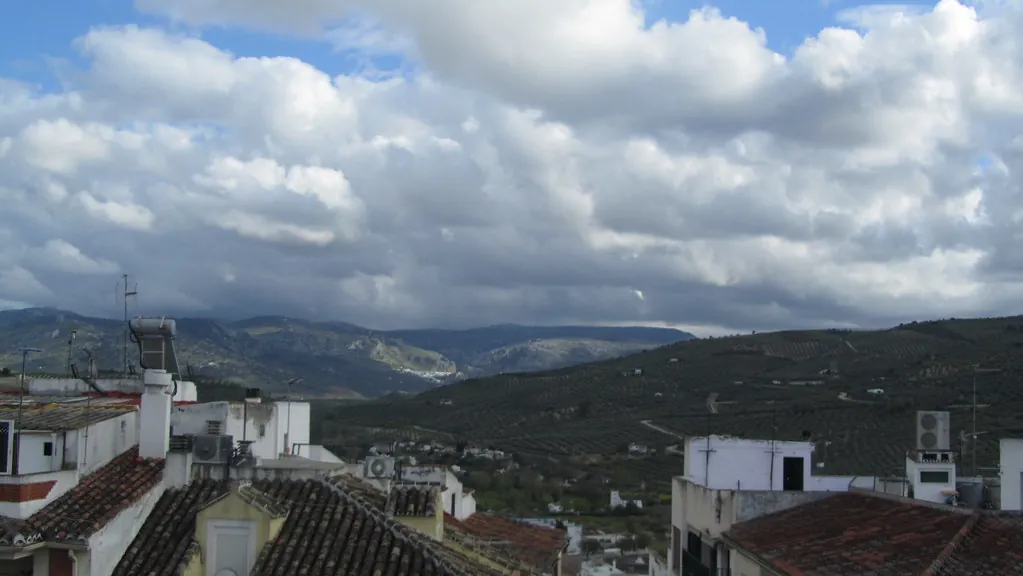
Valenzuela's mathematics is simple: 1,000 souls surrounded by 10,000 hectares of olive trees. At 341 metres above sea level, the village sits just high enough to catch the breeze that sweeps across the Campiña Este, that rolling sea of silver-green leaves stretching to every horizon. The arithmetic continues in the streets themselves—barely a dozen run between the whitewashed houses, each narrow enough that neighbours can pass plates across the gaps from upstairs windows.
The church bell strikes eight. San Miguel Arcángel stands at the village's highest point, its tower visible from every approach road, though calling it a tower requires generosity. The building has grown organically over centuries, each renovation adding another architectural layer like rings on a tree. Inside, the air carries incense and wood polish, mixed with something earthier—centuries of agricultural workers bringing the field's dust onto ancient flagstones.
Walking Through Working Landscape
Forget postcards. Valenzuela's appeal lies in watching a place that refuses to become a museum. The bar on Plaza de España opens at seven-thirty sharp. By eight, three farmers occupy the corner table, their conversation mixing Spanish with agricultural shorthand about harvest yields and tractor parts. Coffee costs €1.20. The toast comes rubbed with tomato and olive oil pressed from local fruit—sharp, peppery, nothing like the supermarket bottles back home.
The village layout follows no grand plan. Streets twist to accommodate olive groves that once stood where houses now sit. Walking means constant adjustment—stepping aside for delivery vans that somehow navigate passages barely wider than themselves, ducking under washing lines strung between balconies, acknowledging the elderly woman who watches from her doorway every morning at precisely the same time.
Outside the village proper, tracks lead into the agricultural matrix. These aren't countryside walks in the British sense—no stiles, no marked paths, no tea shops at journey's end. Instead, dusty lanes run between olive terraces, past corrugated-iron tool sheds and rough concrete cuadras where harvest workers eat lunch. The going underfoot varies from packed earth to fist-sized stones. Proper boots matter. After rain, these paths become axle-deep mud that can swallow inappropriate footwear whole.
The Harvest Calendar
Visit between October and December and Valenzuela transforms. The village population effectively doubles as harvest crews arrive. Tractors pulling vibrating rakes appear at dawn. The machines look medieval—long arms ending in metal fingers that clamp around branches and shake until olives rain onto nets spread beneath. The sound carries for miles: mechanical clatter mixed with shouted instructions and the rustle of thousands of fruits hitting canvas.
By midday, the cooperative on the village outskirts hums with activity. Lorries queue to unload their cargo onto conveyor belts where olives disappear into stainless steel hoppers. The air tastes different during harvest—green and bitter from crushed fruit, undercut with diesel fumes. This is when Valenzuela smells most honest about what it is: a working agricultural settlement, not a prettified version of rural Spain.
Summer tells a different story. From June through August, the village empties as families escape to coastal houses or simply move outdoors after dark. Temperatures regularly exceed 40°C. The olive trees, those masters of Mediterranean survival, silver their leaves against the heat. Walking anywhere between eleven and four becomes an exercise in self-persuasion. Even the dogs seek shade under parked cars.
Eating According to the Land
Local food follows the agricultural calendar with military precision. Winter means thick stews heavy with chickpeas and pork, bread fried in local oil until golden, soups thick enough to stand a spoon upright. Summer brings gazpacho—proper stuff, served in glasses with ice, not the blended vegetable juice British supermarkets sell—and salads dressed simply with oil sharp enough to make your throat catch.
The village's two restaurants operate on agricultural time. Lunch service finishes at four. Dinner doesn't begin until nine-thirty at earliest. Turn up at seven expecting food and you'll be offered coffee while staff prep vegetables. Both establishments serve essentially the same menu because both buy from the same suppliers—local women who bake, neighbours who keep chickens, the cooperative that presses oil.
Try the migas. Not the fashionable version served in city tapas bars, but proper country migas: breadcrumbs fried slowly in olive oil with garlic and whatever the cook has available—perhaps chorizo, perhaps grapes, perhaps nothing at all. It arrives in a heap, enough to feed three, though menus list it as a starter. The correct approach involves bread (yes, more carbohydrates), wine from plastic jugs, and acceptance that this dish defeated bigger appetites than yours.
Practicalities Without Sugar-Coating
Reaching Valenzuela requires commitment. The village sits 65 kilometres southeast of Córdoba city, accessible only via the A-4 motorway and a twenty-minute drive through olive monoculture. No train arrives. Buses run twice daily from Córdoba, timing geared to local workers rather than visitors. The service finishes entirely on Sundays. Hire cars aren't optional—they're essential unless you're prepared for agricultural timing on public transport.
Accommodation options number precisely one: a casa rural occupying a renovated townhouse on Calle Nueva. Four bedrooms, communal kitchen, courtyard with a lemon tree that drops fruit on the table whether you want it or not. €60 per night including breakfast—toast, local oil, coffee strong enough to revive the recently deceased. Book ahead during harvest; agricultural contractors reserve months in advance.
The village offers no cash machine. The nearest bank sits twelve kilometres away in Montilla. Most businesses accept cards grudgingly, preferring cash with the resigned air of people who've watched too many foreign cards fail. Bring euros. Bring small denominations. The pharmacy stocks basics but closes between two and four-thirty. The doctor visits twice weekly from Montilla's health centre.
When to Come, When to Stay Away
April brings the village's best balance—temperatures hover around 22°C, the olive trees show fresh growth, wildflowers puncture the agricultural monoculture with purple and yellow bursts. May continues the theme before June's heat arrives with vengeance. September works too, though harvest preparation means constant tractor traffic.
Avoid August unless heat holds particular appeal. The village feels abandoned during daylight hours. Even the birds seem to seek shade. January and February bring their own challenges—short days, grey skies, mud that clings to boots and refuses to release its grip. Beautiful in their way, but requiring realistic expectations about Spanish winter weather.
Evenings, regardless of season, belong to the village itself. As light fades across the olive groves, Valenzuela's residents emerge. They walk circuits around streets that take ten minutes to cross diagonally. They gather in Plaza de España, where children kick footballs against church walls and teenagers cluster around benches, phones glowing in gathering dusk. The olive harvest might pause, the tourist might return to Córdoba, but this daily ritual continues—proof that some Spanish villages refuse to become mere backdrops for other people's photographs.