Full Article
about Aguilar de la Frontera
A stately town with a rich heritage, home to a unique octagonal plaza, notable for its civil and religious architecture, and known for its wine and pastry traditions.
Hide article Read full article
A place that takes its time
Aguilar de la Frontera feels a bit like that relative you rarely see, then suddenly realise has more stories than anyone else once you stop and listen. It sits in the middle of the Campiña Sur of Córdoba, surrounded by vineyards and olive groves, without making much fuss about itself. Yet a short visit is often enough to see why people end up lingering longer than planned.
The town does not compete with bigger destinations nearby, nor does it try to. Life moves at a different pace here, shaped by agriculture and long-standing routines. Streets unfold without urgency, and the overall impression is one of quiet continuity rather than spectacle.
The square that refuses to fit the mould
Plaza de San José immediately breaks expectations. Instead of the typical rectangular main square found across much of Andalusia, this one is octagonal, lined with arcades that frame the space in an unusual way. The effect is subtle but striking. Each entrance offers a slightly different perspective, as though the square shifts depending on where you stand.
Built at the start of the 19th century, it served for years as the centre of daily life. Markets, conversations, disputes and informal deals all played out here. That role has not disappeared, although the pace has softened.
Mornings tend to be calm. Older residents gather beneath the arcades, talking in the shade. As the day goes on, the atmosphere changes. Young people cross the square, others sit outside to catch the evening air, and visitors often pause to look up, trying to make sense of the geometry.
It is the kind of place where time slips by without much notice, even when there is no particular plan.
Up to the hilltop castle
The Castillo de Aguilar, still referred to by many locals as Castillo de Poley, stands on a hill above the town. The walk up involves a steady climb. It is not extreme, but it makes itself felt, especially after a meal.
At the top, remains of the old fortress recall its Andalusí origins and the many changes of control during the Middle Ages. The site now includes an interpretative space that explains how these defensive structures worked and how the location evolved over time.
The view is what tends to hold attention the longest. From this height, the surrounding countryside opens out: plots of vineyard, stretches of olive groves, and the town itself spreading downhill. White houses cluster tightly together, a familiar sight in this part of Córdoba, forming a compact pattern against the landscape.
The contrast between the open fields and the dense town below gives a clear sense of how closely Aguilar is tied to its surroundings.
A town shaped by the harvest
Agriculture has long defined Aguilar de la Frontera, particularly grape growing. The Pedro Ximénez variety dominates here, and its presence becomes especially noticeable during the grape harvest, usually at the end of summer. At that time, a sweet scent of must can drift through certain streets, a small but telling sign of the work taking place nearby.
The area around the town offers simple routes through vineyards. These are not mountain trails or dramatic hikes. The terrain is open countryside, with agricultural paths and a calm, expansive feel. Visits tend to be unhurried, whether by car or on foot for shorter stretches.
This agricultural identity carries over to the table. Local cooking reflects rural traditions, with hearty dishes and recipes linked to seasonal celebrations. Morcilla de calabaza, a type of blood sausage made with pumpkin, appears frequently and often surprises those trying it for the first time.
Food here follows the same logic as the landscape: practical, rooted in tradition, and closely tied to what the land provides.
Celebrations that involve everyone
Festivals in Aguilar de la Frontera bring a noticeable shift in atmosphere. Semana Santa, the Holy Week leading up to Easter, is observed with seriousness and intensity. Processions move through the narrow streets of the old town, and the sound of drums carries across a wide area.
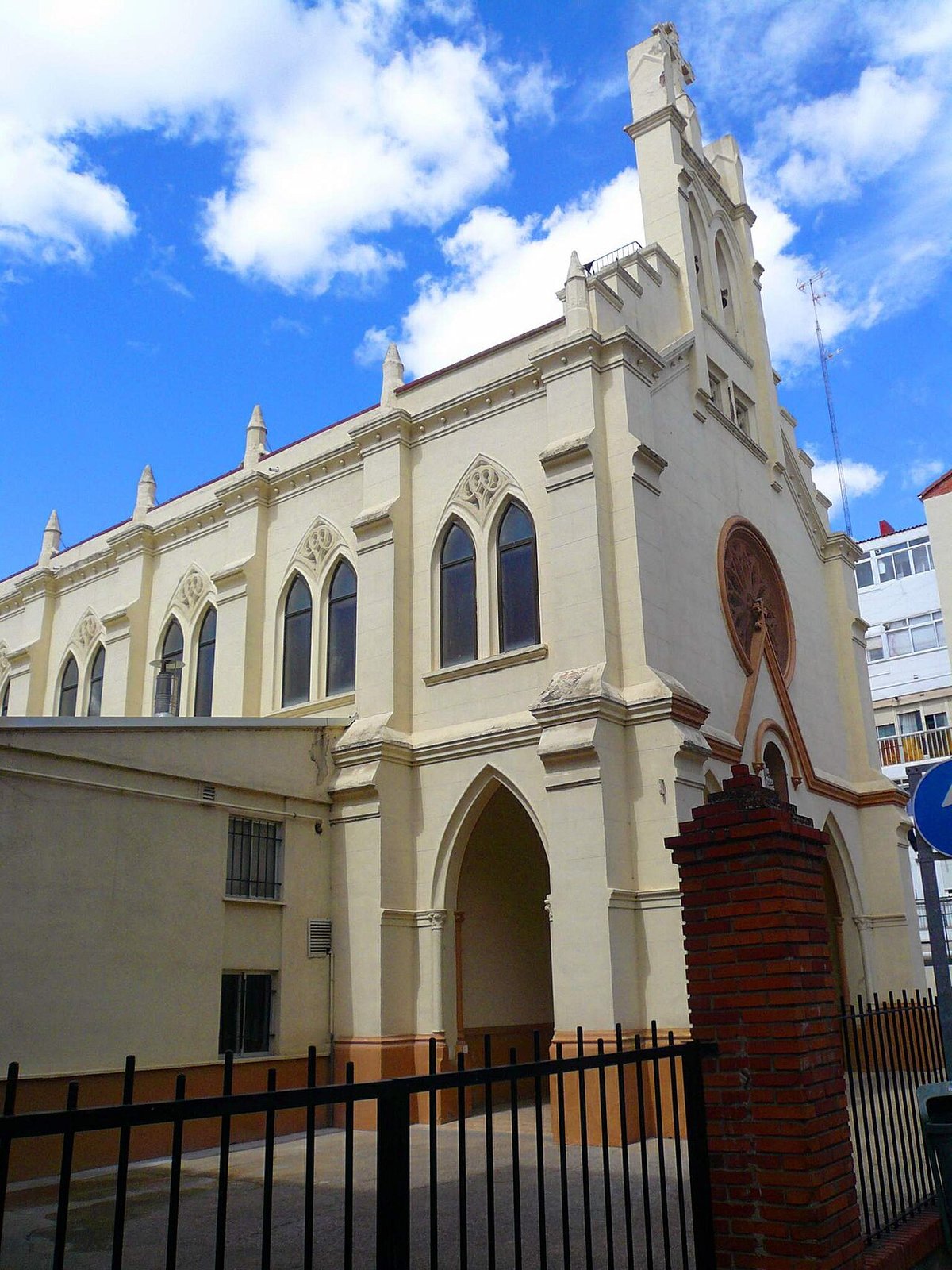
One event stands out for its distinctive character: the Semana Santa Chiquita. During this celebration, children recreate scenes of the Passion inside the Iglesia del Hospital. Their commitment to the roles gives the event a tone that is both endearing and unusual, especially for visitors unfamiliar with the tradition.
May introduces another change in mood. Crosses decorated with flowers appear in different parts of the town, adding colour to streets and squares. Shortly afterwards comes the romería of the Virgen de los Desamparados, when many residents head out into the surrounding countryside to spend the day.
Summer brings the feria, several days when the town fills with activity and a stronger presence of people in the streets. Each of these moments follows its own rhythm, but all of them draw in a large part of the local population.
Letting the town set the pace
Aguilar de la Frontera is not about ticking off a long list of sights. A short visit can cover the main points without difficulty. Even so, staying a little longer reveals details that are easy to miss at first glance.
Conversations unfolding in the square, neighbours who have known each other for years, and the steady presence of vineyards and olive groves all shape the experience. The town does not try to present itself in a particular way for outsiders. It simply continues at its own pace.
That sense of independence is part of its appeal. Aguilar feels self-contained, grounded in its routines and surroundings. For those willing to slow down, it offers something less immediate but more lasting: a glimpse of everyday life in a corner of the Cordoban countryside where the land, and the traditions tied to it, still set the rhythm.