Full Article
about La Guijarrosa
Young Córdoba countryside town ringed by dry-farm fields and olive groves, its farming traditions and village fiestas still going strong.
Hide article Read full article
A village shaped by everyday rhythms
The first impression of tourism in La Guijarrosa is easy to misjudge. It sounds like the sort of place you pass through without much thought, somewhere that happens to be on the way. Then you stop for a few minutes longer than planned. Not because of grand monuments or a striking historic centre, but because it offers a clear sense of what the Campiña Sur of Córdoba feels like from the inside: open countryside, an unhurried rhythm, and neighbours who know each other by name.
La Guijarrosa sits in this agricultural region, surrounded by olive groves that seem to stretch endlessly. Life here revolves around the land and familiar routines. There are few urban distractions. The village runs on the simple logic typical of small places, where daily life follows patterns that rarely need explaining.
With just over a thousand residents, the town centre can be covered quickly. Whitewashed houses line the streets, many with patios filled with potted plants. Everything moves at a steady pace. A short walk is enough to get a good sense of how the place works and what matters here.
The heart of the village
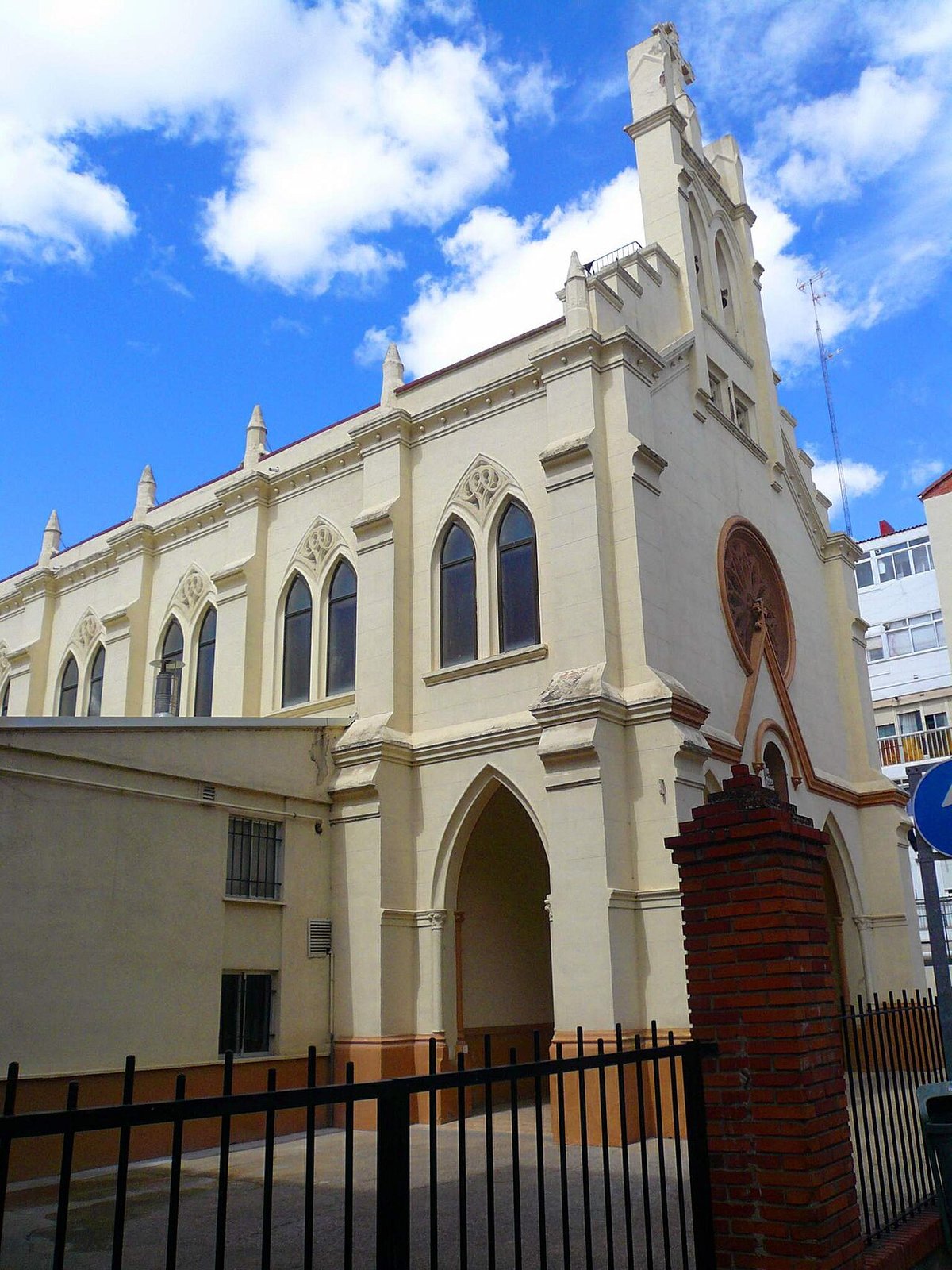
Much of daily life gathers around the main square and the church. The Iglesia de Nuestra Señora del Rosario plays the role seen in many Andalusian villages: a point of reference where streets meet and conversations naturally drift together.
It is not a monumental or heavily decorated building. Instead, it has the feel of a church designed for everyday use, closely tied to the life of the community. The nearby square is where neighbours cross paths, where local celebrations take place, and where the pace of the village shifts whenever something is happening.
Walking through the streets, you will also notice agricultural warehouses and more recent buildings linked to farming. They do not feel out of place. They reflect how the village actually functions. Here, olive groves and cereal fields are not simply scenery. They are work, routine and livelihood.
Walking out into the olive groves
What stands out in La Guijarrosa lies just beyond the edge of the village, as is often the case in the Campiña.
There are no designated viewpoints or railings set up for photos. You simply take a rural track and within minutes the landscape opens into rolling ground covered in olive trees. The colours shift with the seasons. Winter brings a deeper green, summer light turns the leaves silvery in the wind, and after the harvest the tones become drier and more muted.
For those who enjoy walking or cycling along quiet paths, several agricultural tracks run between the farms. None of it aims to impress in an obvious way. Instead, it offers that continuous olive-growing landscape that defines much of the province of Córdoba.
If your visit coincides with the olive harvest, usually from late autumn into early winter, the atmosphere changes noticeably. Tractors move in and out of the fields, trailers carry loads of olives, and working groups start early in the day. It is a direct way to understand how the local economy operates and how closely daily life is tied to the land.
Food rooted in the land
Cooking in La Guijarrosa follows the same straightforward logic as everything else. Dishes are simple, based on ingredients that come from the surrounding area.
Extra virgin olive oil is central to almost everything. Seasonal olives, often prepared with simple dressings, appear regularly, along with vegetables from local plots and traditional stews. These are the kind of dishes that are cooked slowly, filling the kitchen with familiar smells.
There is little emphasis on presentation or modern trends. The focus tends to be on flavour and on recipes passed down over time. What matters is not how a dish looks, but how it tastes and how it connects to everyday life in the village.
Festivals and moments through the year
The local calendar reflects the character of a place where most people know each other.
The romería del patrón, a traditional pilgrimage-style celebration, usually takes place between late April and early May. Decorated carts and groups of neighbours head out towards the countryside, and the atmosphere stretches across the day with music and shared food.
In August, the fiestas patronales bring several days when the rhythm of the village changes. There are more people in the streets, music in the evenings, and a fair-like atmosphere that feels close and familiar rather than large or overwhelming.
Semana Santa, or Holy Week, is also observed, though in a quieter format. Processions follow short routes through the streets, accompanied by many familiar faces. It is a more intimate version of a tradition that, in larger cities, can be much more elaborate.
Getting there and choosing when to visit
La Guijarrosa lies in the Campiña Sur of Córdoba, less than an hour from the city of Córdoba by car. The usual route involves taking main roads towards the countryside and then continuing along well-signposted local roads that pass through farmland.
Spring and autumn are generally the most comfortable times to visit, especially for walking along the olive grove paths. Summer brings intense heat, as is common across this part of Córdoba’s countryside. Winter has its own character, shaped by the activity of the olive harvest and the steady pace of agricultural work.
This is not a destination built around a long list of sights. La Guijarrosa works differently. It offers a way to understand everyday life in this part of Córdoba, where the rhythm of the land sets the tone. For many, that quiet clarity is reason enough to stop, even if only for a little longer than expected.