Full Article
about Montalbán de Córdoba
World garlic capital set in farmland with mysterious catacombs and a much-venerated hermitage that draws pilgrims from across the region.
Hide article Read full article
The bus door hisses open and the smell of damp earth and garlic fills the aisle. It is four on a Tuesday in March, and the irrigation in the fields around Montalbán de Córdoba has just finished. The soil is a deep, wet black. No one gets on or off. A dog trots past, its nails clicking on the asphalt, indifferent to the arrival.
This is the Campiña Sur, a wide plain of worked land. The rhythm here comes from the fields of olive trees, citrus, and especially garlic. Tractors rumble down the main street like local traffic, and conversations at doorsteps often start with the sky, with how much water the clouds might hold.
The sound of the bells
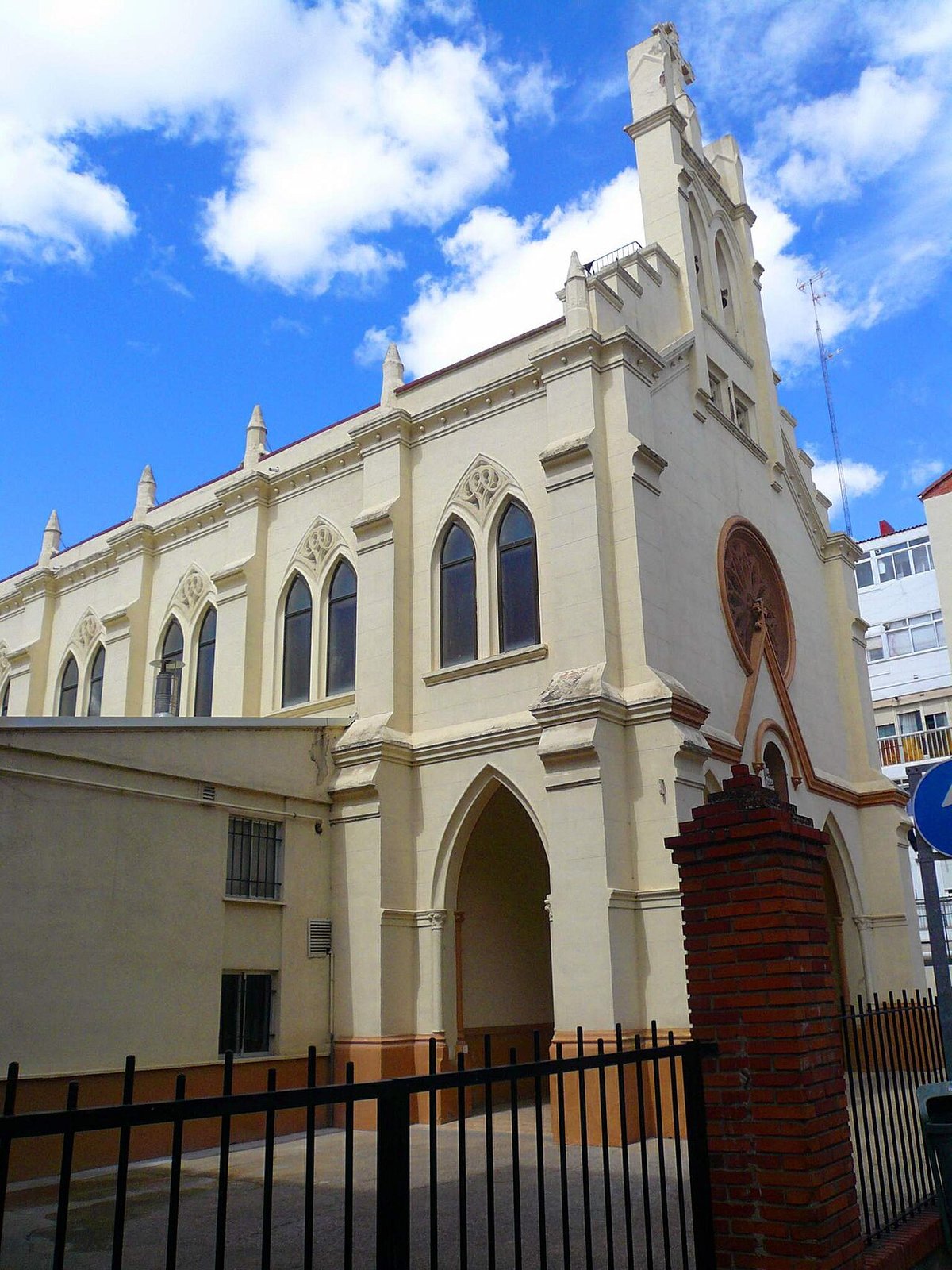
The tower of Santa María de Gracia is the first thing your eye finds from the plaza. The church is a 20th-century rebuild, after the old one fell. They say some of the original bell metal was saved and recast.
You hear them before you see them. They mark the hour with dry, flat tones that don’t linger, as if absorbed by the flatness around. At noon, twelve measured strikes sound. Then, often, they ring again—a quicker, lighter sequence. Someone has paid for a toque, a custom that turns time into something communal and audible.
The façade is brick and pale stone, simple. The heavy door is usually open during daylight. Inside, the air is still and smells of wood polish and candle smoke. The floor is a cool, greenish marble that can be slick under shoes.
Dust and silence at Tentecarreta
A dirt track leads out past an olive grove for about half a kilometre. At the end, behind a rusted gate with a tarnished plaque, are the Catacumbas de Tentecarreta. There are no guides or signs. Just a patch of disturbed earth.
This was a paleochristian burial site, its narrow underground galleries dated to around the 4th century. You cannot go inside; access has been sealed for years. But standing there at midday, when the sun casts short shadows, you can see the slight depression in the ground where a crypt opens below.
The silence is thick. It makes the buzz of a fly seem close and loud. Wild rosemary shrubs grow at the edge of the site. Crush a sprig between your fingers and the piney scent sticks to your skin for hours.
The walk up to El Calvario
The path starts behind the church. It’s an old concrete lane with faded white curbs, winding past houses with patios full of geraniums and others shuttered tight.
The climb takes about twenty minutes. At the top is a small whitewashed ermita. The door latch is worn and sometimes sticks. Inside, it smells of limewash and dry cloth. The Cristo del Calvario is a wooden figure just over a metre tall, with bare feet and a long, gaunt face.
From here, the village looks like a model: clay-tiled roofs, the church tower, the plastic sheen of greenhouses catching the late light. Further out, on clear days, Sierra Morena forms a hazy blue line.
The wind comes up warm from the plains. Sometimes it carries a fine dust from the garlic fields, gritty between your teeth.
Clay pots and street tables
This area makes vino de tinaja, a white wine fermented in large clay jars. There’s usually a fair for it each year. When it happens, long tables appear in the streets and people move between them with a glass in hand.
The wine is served not cold, but cool. It’s dry, with a faint nutty note. They serve it with gazpacho montalbeño, which is thicker than most, stirred with pieces of ham and hard-boiled egg.
As evening settles, meals are simple: bread, oil, cured meats. Often you’ll see oranges segmented on a plate, dressed with olive oil, salt, and a dash of vinegar—a sharp, bright combination that makes sense after a day in the fields.
Talk moves easily between tables, about football scores, about whether the garlic bulbs are forming well this spring.
A practical note
Montalbán is less than an hour’s drive from Córdoba city, set alone in open country. There is a bus service, but it runs infrequently; check times carefully if you’re not driving.
Come in summer and you’ll find streets empty by mid-afternoon, subdued by heat. Spring or early autumn are better for walking up to the Calvario or along the farm tracks. The light is softer then, and the fields are green or just turning gold.