Full Article
about Montilla
Capital of the Montilla-Moriles wine region, with many wineries and presses and a historic heritage linked to the Gran Capitán and San Juan de Ávila.
Hide article Read full article
You know Montilla by its smell before you see it
I’ll be honest, you notice this place with your nose first. It’s not a subtle, maybe-it’s-just-me thing. Drive in on a September morning and the air is thick with the sweet, fermenting punch of grape must. A few streets over, it mixes with the warm smell of bread from a bakery. It’s not staged for tourists; it’s just what happens here. Vineyards and ovens set the rhythm.
That rhythm is slow. People here aren't in a hurry to get anywhere. You see it in the open doorways, in the way an old guy will stop his car in the middle of a narrow street to chat with a neighbour. Life feels tied to what's happening in the fields and bodegas, not to your visit.
Salmorejo that plays by its own rules
Order salmorejo in Montilla and you might get a lesson in local pragmatism. The classic Cordoban tomato soup often arrives with a faint glisten on top. They’ve splashed a little fino wine into it.
“Para que no pese,” they’ll tell you. So it doesn’t sit heavy.
It changes everything. The texture is looser, and it has this sharp little kick that makes you keep going back with your bread. It’s a small thing, but it tells you how this town works. Tradition isn't a museum piece here; it's something you can tweak if it makes sense, especially if the tweak involves local wine.
This is wine country, but forget Jerez
Step into any bodega and wait for it. Before long, someone will ask how Montilla wines are different from sherry. The guide will nod, having heard it a thousand times.
The short answer is in the grape. The Pedro Ximénez here gets so naturally boozy that they never needed to add extra spirit like they do in Jerez. That fact shapes everything that comes after.
Inside, these places feel more like workshops than showrooms. You’re surrounded by giant tinajas, often made of cement and looking like industrial water tanks from the 1950s. The tasting usually walks you from a bone-dry fino up to older, nuttier amontillados and olorosos, finishing with that syrup-thick Pedro Ximénez. You only need a tiny sip of that one; it’s like drinking liquid raisins.
Come during harvest and the town hums with it. Tractors hauling grapes become traffic, crates are stacked outside doorways, and the bodegas smell even more intensely of fruit and wood.
A castle that lost its hat
The walk up to the castle is a gentle but persistent uphill slog. It’s enough to make you regret that second helping of salmorejo.
What you find at the top isn't a fairy-tale fortress. It's more like its skeleton: sections of wall, a large open space, and views that stretch over endless olive groves and vineyards dotted with white houses.
Locals will tell you why it looks unfinished. After a rebellion, the Catholic Monarchs ordered its towers torn down as punishment. So it wasn't time that took them away; it was royal decree.
Nearby is the house where the Gran Capitán was born. There's a plaque, but no fanfare. Montilla seems to treat its history matter-of-factly, without feeling the need to put on a show.
Spaces where quiet still means something
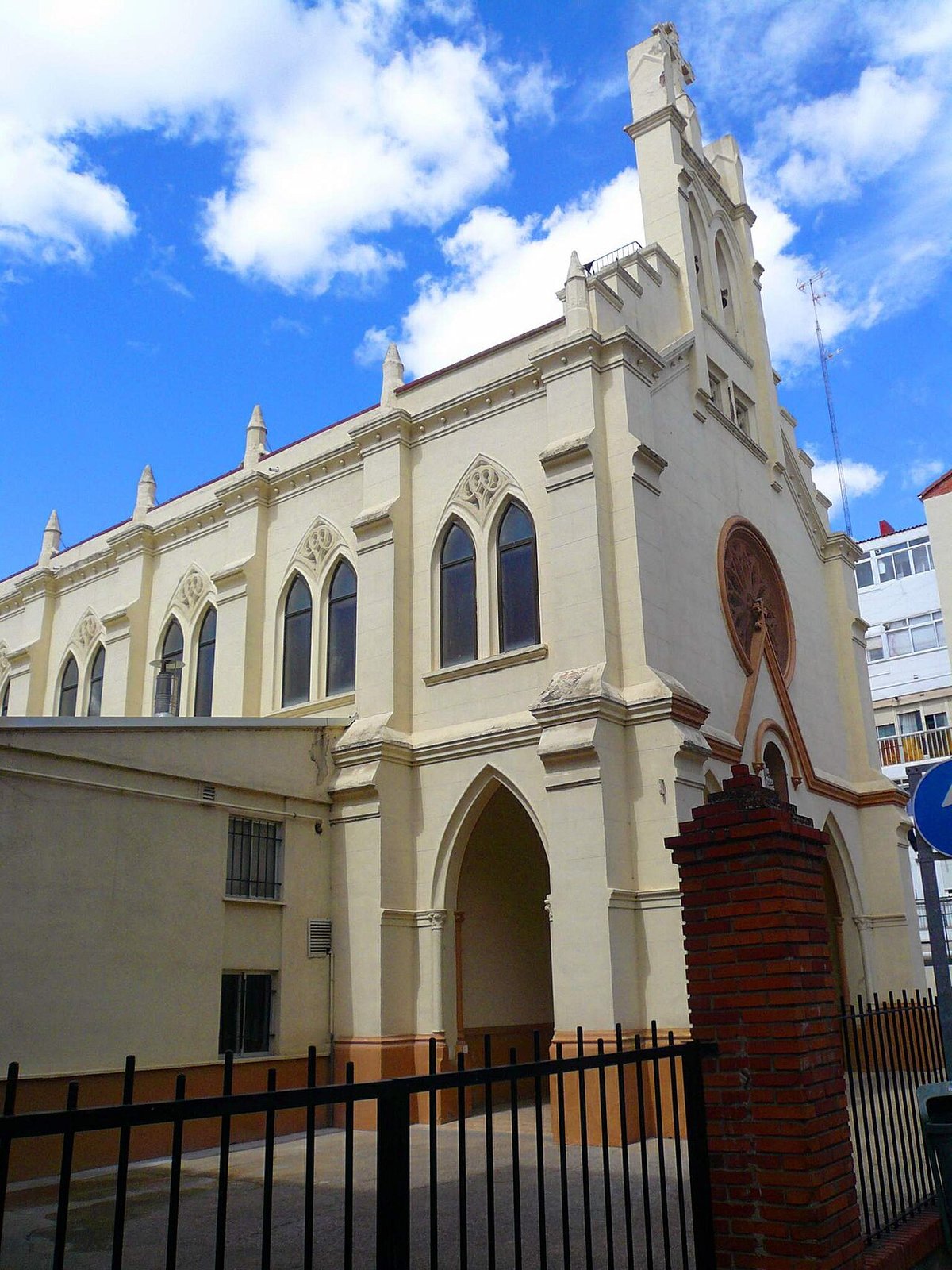
The church of San Agustín doesn't shout for attention from the street. Walk inside, though, and the space feels larger and cooler than you'd expect. The light is soft on pale stone, there's that quiet church smell of old wax and wood, and you can actually stand still without being part of a procession.
It's often cited as one of Andalusia's best-preserved Augustinian churches.What stays with you is the calm.
Over at the convent of Santa Clara, cloistered nuns still make sweets.They sell them through a wooden torno, a revolving hatch.The yemas are intensely rich,and many of their pastries are soaked in that sweet local wine.The whole transaction feels suspended in another time.
An Inca chronicler in Andalusia
One of Montilla's oddest footnotes is Garcilaso de la Vega,the son of an Inca princess and Spanish conquistador.He lived here for thirty years.His house is nowa small museum tracing his life asa chronicler caught between two worlds.
You go for history,but what sticks isthe physical space.The central patio hasa well anda narrow staircase.The soundof your own footsteps climbingup echoes exactly asit doesin old houses where nothing has been rushed or over-restored.
A short walk away,there's alsoa house dedicatedto Manuel de Falla.Hewasn't born here,but his family roots were.This town quietly collects these cultural connections without makinga big fuss about them.
How to spend your hours here
You don't needa complicated planfor Montilla.Park somewhere nearthe centreand walk uphill towardsthe castleforthe view.Wander back down throughthe gridof white streets.Ifa bodega sign says they're doing visits,gointo one.End upinatavern for lunch.That'sthe circuit.
Afterthat,the best thingto dois just drift.Keep an eyeon those open front doors.Many leadto patios filledwith geraniumsin tin pots.You getthese framed glimpsesof private life.It's more revealing than any official monument.
Isita weekend destination?For most people,a solid half-dayor full dayis enough.You can walk,taste,eat well,and leavewitha bottleof something inthe trunk.Whatyou take awayisthe feelingofa townthat runs onits own clock,mildly awareof visitorsbut never adjustingits pacefor them