Full Article
about Monturque
Town known for its unique underground Roman cisterns in Spain and a cemetery listed on the European route of remarkable cemeteries.
Hide article Read full article
A hilltop village in the Campiña Sur
Tourism in Monturque is closely tied to its setting in the Campiña Sur of Córdoba. The village stands on a hill at around 395 metres above sea level, almost completely surrounded by olive groves. From a distance, its compact outline is easy to recognise, with white houses stepping up the slope in tight formation.
Fewer than two thousand people live here, and daily life still follows the rhythms of agriculture typical of this part of Andalucía. The landscape and the economy remain closely connected to the olive tree, and that connection shapes both the surroundings and the pace of life.
The layout of the village reflects its origins. Streets are narrow, gradients are steep, and the buildings cluster tightly around the oldest structures. Monturque has not been reshaped for tourism. What you see today largely comes from centuries of rural economy and from gradual adaptation to the contours of the hill.
Heritage beneath and above ground
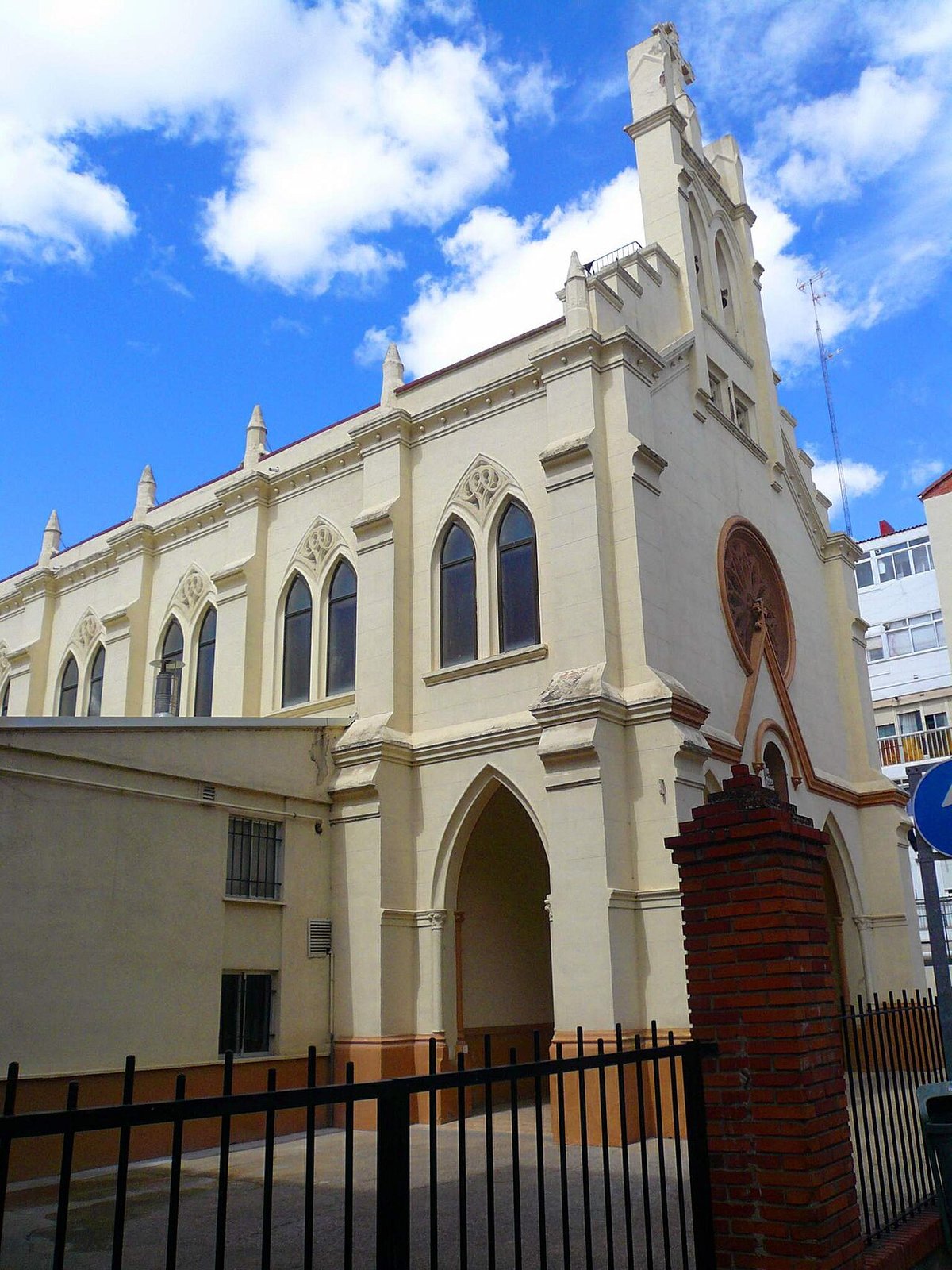
The skyline of the historic centre is organised around the church of San Bartolomé, built between the 16th and 17th centuries. Its architecture blends late Gothic elements with emerging Renaissance forms, a combination often found in rural churches across Córdoba from that period. The tower rises above the surrounding houses and acts as a visual marker from the roads that approach the village.
One of Monturque’s most unusual historical features lies out of sight. Beneath the present-day municipal cemetery are large Roman cisterns carved into the rock. These underground reservoirs were designed to store water and formed part of a hydraulic system linked to a Roman settlement that predates the current village. They are now considered among the best-preserved structures of this kind in the Iberian Peninsula.
Within the central streets, some larger houses stand out. Many include interior courtyards and wrought-iron grilles. They are not grand palaces, but they do point to families who once held a certain standing within the local agricultural economy. The old municipal granary, known as the pósito, recalls a time when cereal production played a more prominent role than olive cultivation in the area.
At the edges of the hill, natural viewpoints open out across the countryside. On clear days, the first ridges of the Sierras Subbéticas can be seen to the south. All around, the landscape forms an almost continuous patchwork of olive groves.
Walking routes through olive country
The area around Monturque is best explored on foot or by bicycle, following agricultural tracks that weave through the countryside. These are not mountain trails but working paths that have gradually become quiet routes for walking. They cross olive farms, low hills and scattered cortijos, the traditional rural buildings linked to farming activity.
A walk along these routes makes it easy to understand how closely the local economy depends on the olive. During the harvest season, usually between late autumn and winter, activity increases in the nearby fields. Trailers loaded with olives move along the tracks, and the agricultural cycle becomes visible in everyday scenes.
Along these paths, traces of earlier rural life still appear. Remains of old mills can be found, along with water tanks and small fountains connected to farm work. These elements offer a glimpse into how the land has been used and managed over time, without any need for formal interpretation.
Traditions shaped by the calendar
Local celebrations in Monturque follow a pattern similar to other villages in the Campiña of Córdoba. Semana Santa, or Holy Week, is observed mainly within the municipality itself. Processions move through the sloping streets of the historic centre, adapting to the terrain as they pass through the village.
At the end of August, the patron saint festivities take place in honour of San Bartolomé. During these days, many former residents return, a common occurrence in smaller towns across the region. The atmosphere centres on reunion and shared tradition rather than large-scale tourism.
Late summer also brings fairs and local gatherings. These events are shaped more by neighbourhood participation than by external visitors, with a focus on social life within the community.
Practical notes for visiting
Monturque lies around 50 kilometres from the city of Córdoba. The most common approach is via the A‑45 motorway, which connects Córdoba and Málaga, followed by regional roads leading into the Campiña Sur.
The historic centre presents some practical challenges. Streets are narrow and often steep, so it is usually easier to leave a car on the outskirts and continue on foot.
Summer temperatures can be intense, as is typical across the Córdoba countryside. It helps to carry water, wear a hat and plan walks for earlier or later in the day. Spring and autumn offer milder conditions, and the colour of the olive groves shifts with the seasons, making walks through the surrounding landscape more comfortable.
Monturque does not present itself as a polished destination. Its character comes from continuity rather than reinvention, shaped by agriculture, terrain and a steady relationship with its surroundings.