Full Article
about San Sebastián de los Ballesteros
Small Carolingian-founded municipality settled by Central European colonists, still laid out on a regular grid and serving food with traces of its settlers’ homeland.
Hide article Read full article
A place that reveals itself quickly
Tourism in San Sebastián de los Ballesteros is very simple. You arrive, leave the car near the main square, and within half an hour you have a clear sense of how the village works. It is small, orderly and easy to read.
Summer visits need a bit of timing. Early morning or the end of the day make walking far more comfortable. Midday brings intense heat and very little shade, which quickly limits how much time you will want to spend outside.
There is no sense of crowding here, and no complex planning is required. The pace is slow, the layout is clear, and everything revolves around a compact centre.
Getting there and getting around
Most visitors arrive by car. The usual route follows the motorway that links Córdoba with Sevilla, followed by local roads. The final stretch passes through open countryside and cultivated land, which sets the tone before you even reach the village.
Parking is straightforward. Cars are typically left in streets close to the centre without much difficulty. There is no notable traffic and no real pressure on space.
The best time of day to be out and about is early morning or late afternoon, especially in the height of summer. July and August can make walking in full sun quite heavy going. From autumn through to spring, conditions are much easier and there is more visible activity in the surrounding fields.
Distances within the village are short, so once you have parked there is little need to think about transport again.
A small agricultural village
San Sebastián de los Ballesteros sits within the Campiña Sur and presents itself as a clearly structured rural settlement. The streets are straight, the houses are low, and white façades dominate the view. The layout feels almost like a grid, simple and practical rather than decorative.
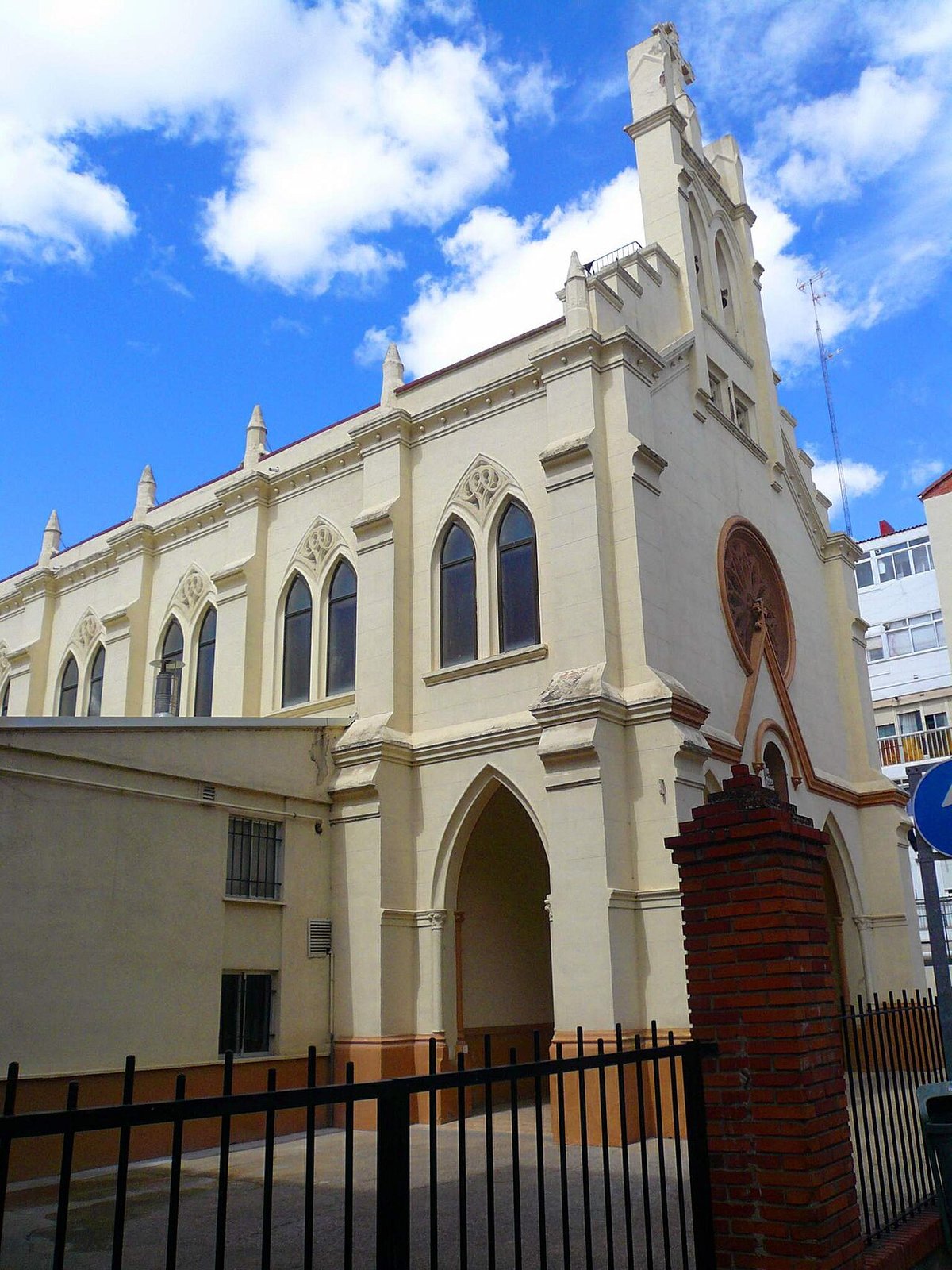
The main square gathers together what there is to see. The parish church, dedicated to San Sebastián, stands here as the focal point. It is not particularly old when compared with other churches in the province, yet it remains central to local life.
Beyond this area, the village continues in a consistent pattern. Quiet streets extend outwards, lined with similar homes. There are no large buildings or striking monuments that draw attention. The identity of the place is tied closely to agriculture, and that character is visible everywhere.
This is not a destination built around sights. It is a working village that follows its own routines.
Out into the olive groves
The transition from village to countryside is immediate. As soon as you leave the built-up area, olive groves begin and continue in all directions. The surrounding campiña is open and gently rolling, crossed by agricultural tracks that run between cultivated plots.
These paths can be used for walking or cycling, although they are not designed for visitors. Tractors and other farm vehicles use them regularly, so some care is needed. There is no tourist signage or marked routes. These are working tracks first and foremost.
From some of the low hills nearby, the landscape becomes easier to understand. Long plots stretch across the terrain, olive trees line up in ordered rows, and machinery moves through the fields during the right season. If your visit coincides with the olive harvest, you will see teams at work from early in the day.
The experience here is not about reaching a viewpoint or following a trail. It is about observing how the land is used and how it shapes daily life.
Festivities and the rhythm of the year
Life in San Sebastián de los Ballesteros follows the agricultural calendar more closely than any tourist schedule.
The feast of San Sebastián takes place in winter. It centres on religious events, with some activity in the streets around the church. The celebrations are simple and strongly local in character.
During Semana Santa, the week leading up to Easter, small processions move through the village. Participation comes mainly from residents, and the scale remains modest.
August brings the summer festivities. For a few days, the square and nearby streets fill at night with open-air dances and activities. Many people who have ties to the village return at this time, which changes the atmosphere after the quieter months.
When the olive harvest begins, usually towards the end of autumn, the daily rhythm shifts again. Work in the fields takes priority, and mornings start early. The movement you see in the village reflects what is happening out in the groves.
A final note before you go
San Sebastián de los Ballesteros does not offer a checklist of monuments or marked routes. What you find here is a village that continues with its usual way of life.
A short walk around the square, a gentle wander towards the olive tracks, and a pause to watch the pace of the place will give you a fair understanding of it. That is all it sets out to be.
Expectations matter here. Those who come looking for major sights may feel there is little to hold their attention. Those who are curious about how a small agricultural community functions will find enough in its streets and surrounding land.