Full Article
about Santaella
A countryside town with an imposing castle and a church known as the Cathedral of the Campiña, surrounded by fertile farmland.
Hide article Read full article
A town that moves at its own pace
Santaella is one of those places where the first impression comes through smell and silence. Freshly pressed olives linger in the air, and the streets can feel almost paused, as if the day has slowed down and decided not to rush any further. Arriving in the early afternoon, the quiet can be striking. Even the birds seem to hold back.
Life here does not put on a show for visitors. A man sitting outside a bar, chair slightly tilted, beer in hand, gazing into the distance, says more about the rhythm of the town than any guide ever could. It is a place where nothing appears urgent.
A history that shaped its independence
Santaella is not large, but its past still carries weight in how people talk about it. For centuries it was tied to other lordships in the area. After long administrative disputes and legal battles that stretched on for years, it eventually became an independent municipality. That process is remembered with quiet pride, even if the paperwork itself has long been forgotten.
Earlier still, after the Christian conquest of the countryside in the 13th century, Santaella became a royal town. From that period, one of the most visible remains is the Torre del Homenaje. It stands in the centre, solid and watchful, a constant point of reference. It is not a vast fortress or a picture-perfect castle, but it anchors the town. Walk through the streets and sooner or later, it comes back into view.
There is also a story about how the town chose San Francisco de Paula as its patron saint during times of epidemic. Tradition says it was a way of seeking protection when the plague was spreading across much of Andalusia. Today, it is told almost like a local legend, but it reflects how communities once faced uncertainty, relying on faith and whatever fortune might bring.
The church at the heart of the town
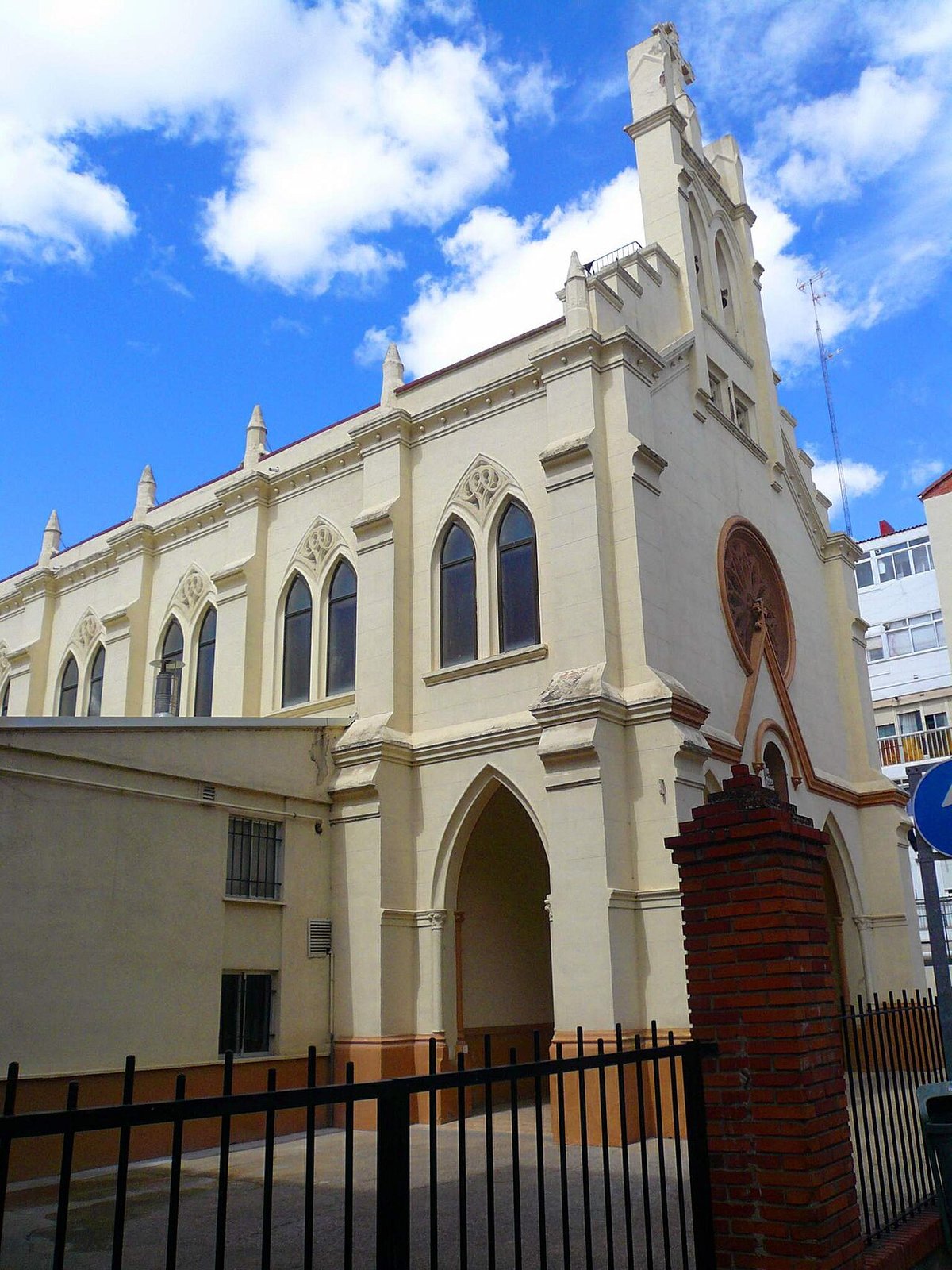
The Iglesia de la Asunción stands as one of the key buildings in Santaella. It was built over a former mosque, something that happens often in this part of Andalusia, where different periods have left their mark on the same ground.
You do not need specialist knowledge to notice that the building has changed over time. Older walls sit alongside later additions, and various alterations have been made across the centuries. The bell tower, with its octagonal shape, stands out from the more typical church silhouettes in the region.
Inside, several religious images are deeply important to the local community. Among them are a Cristo Amarrado a la Columna and another of the Vera Cruz, both of which are carried in procession on certain dates in the religious calendar. When the church is empty, the silence inside is striking, the kind that seems to settle into the walls themselves.
Life tied to the land
Santaella is surrounded by countryside, and a lot of it. The municipality is large compared to the size of the town centre. Drive out for just a few minutes and the landscape opens into olive groves and farmland stretching far into the distance.
This setting shapes daily life. Work in the fields sets the rhythm, and it shows in the way the town moves through the day. Early mornings often begin with the sound of tractors starting up. By mid-afternoon, the streets can look almost empty. It is not a lack of interest in visitors, but simply that many people are out working on the surrounding land.
Nearby, there are also wetland areas such as the laguna del Donadío. It is known among bird enthusiasts because, at certain times of the year, a variety of species can be seen there. The area is not heavily developed or crowded. It is a quiet place to walk, with the sounds of water and birds carrying across the space.
When celebrations take over
The atmosphere in Santaella shifts noticeably during local festivities. The romería of San Isidro is one of the clearest examples. Horses fill the streets, and people dress for the occasion. Carriages, traditional clothing and music all come together, and for a while everything revolves around the shared journey and time spent together.
The feria also reflects this strong connection to the equestrian world. Exhibitions and activities linked to doma vaquera, a traditional form of horse training from the Andalusian countryside, are often part of the programme. Even without knowing the details, watching horse and rider move with such control can hold your attention.
Summer brings its own gatherings in the main square. Open-air dances, lights strung across the space, music playing into the evening, and families sitting together at tables create a familiar scene. It is the kind of setting where connections overlap easily, where someone always knows someone else at the table.
Straightforward food, rooted in tradition
Eating in Santaella follows the same logic as the rest of the town. The food is direct and closely tied to the land. Dishes are filling, often served with bread on the side, and built around local ingredients.
Rabo de toro appears regularly, alongside other traditional recipes that do not need much explanation. The approach is simple and consistent with the surrounding countryside.
There is little adaptation for tourism. Menus in multiple languages are not the norm, and the places to eat are usually long-established bars where locals gather at the counter. What comes out of the kitchen reflects everyday cooking rather than something designed to impress from a distance.
Santaella does not try to stand out. It keeps to its own pace, shaped by agriculture, local traditions and a history that still echoes in small ways. For visitors, it offers a clear view of life in this part of Andalusia, without much filtering or adjustment.