Full Article
about Jimena de la Frontera
A white village crowned by a Roman-Arab castle in Los Alcornocales Natural Park; known for its mushroom foraging days and forested surroundings.
Hide article Read full article
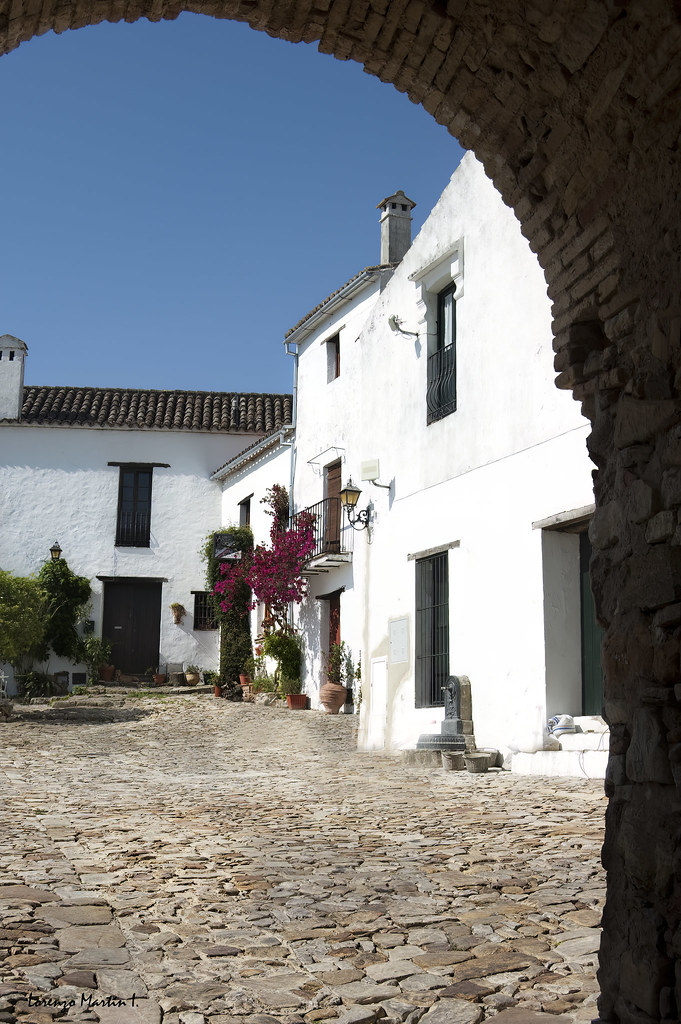
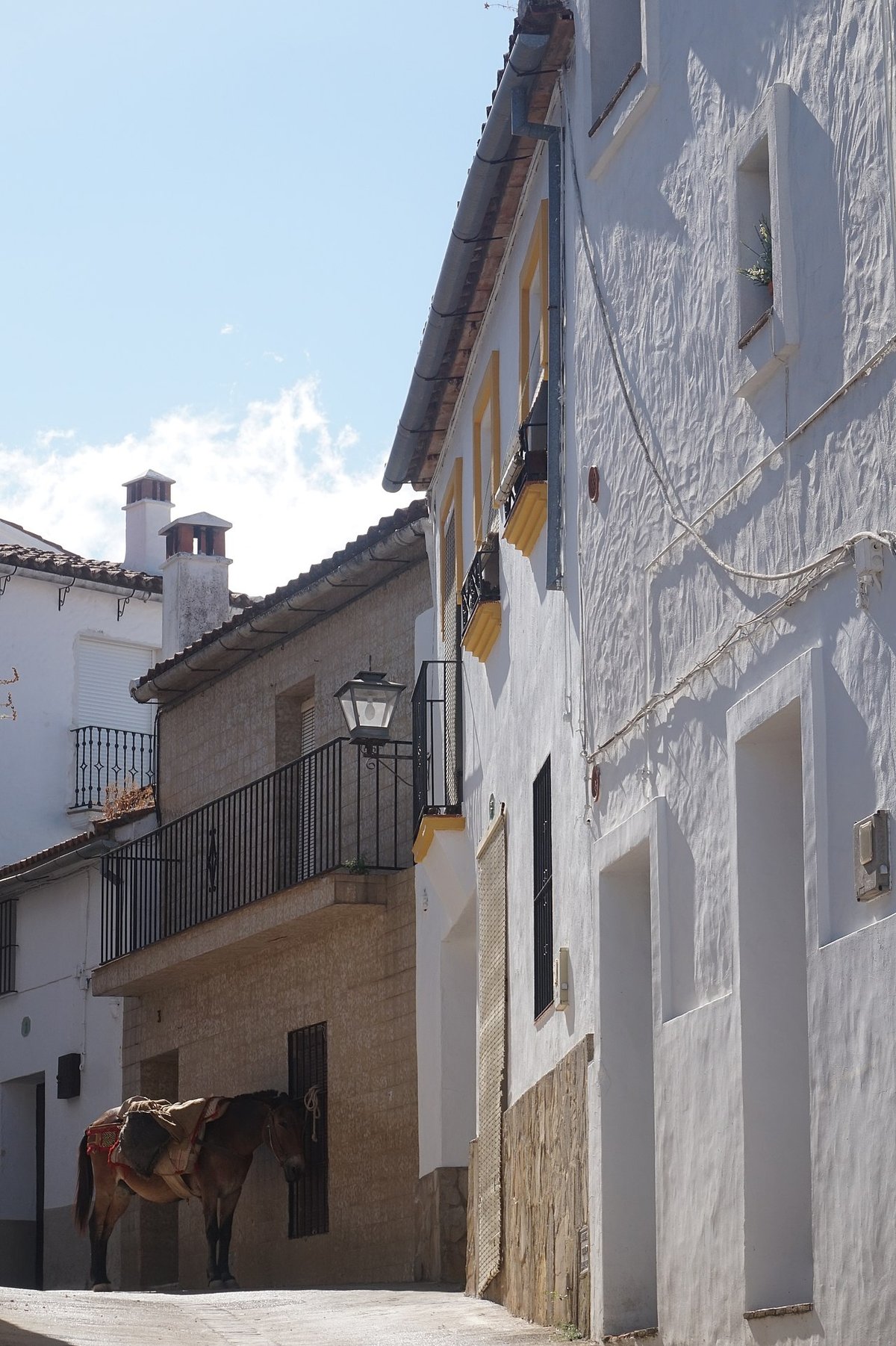
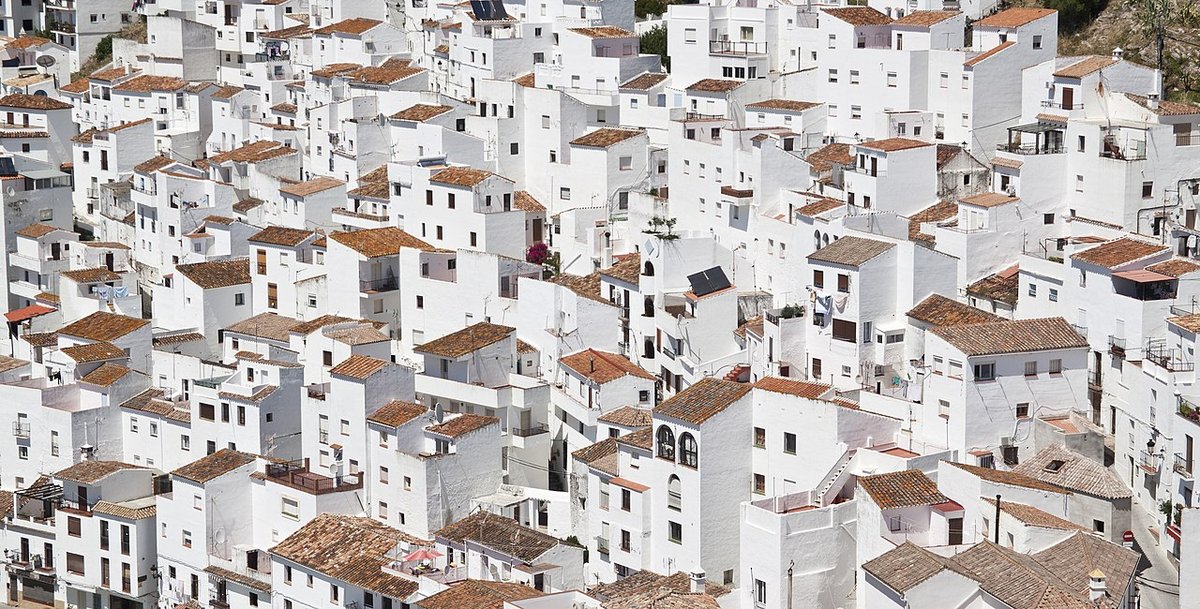
The church bells strike eight while the sun is still edging its way into the Hozgarganta valley. From the castle viewpoint, the crowns of the cork oaks form a rolling green blanket that stretches towards the rocky heights of Gaucín. Below, the whitewashed village begins to stir, and the smell of freshly baked bread drifts up the steep streets. Tourism in Jimena de la Frontera often starts just like this, with the village half awake and the surrounding sierra taking its time.
History Written in Stone
The walk up to the castle traces centuries of occupation, each period visible in the stonework. The first defensive wall dates back to the Byzantine era, when this hill already controlled the passage between the mountains and the Campo de Gibraltar. Higher up, the Andalusí period left its mark in the keep, a structure with the look of a truncated minaret that still commands the whole valley.
The spiral staircase shows the wear of countless hands that have steadied themselves on its walls. At the top, the Hozgarganta river winds through poplars and small orchards. On days when the levante wind blows in from the east, the river can be heard before it comes into view, mixed with the faint clinking of sheep grazing on the slopes.
Information panels in the parade ground outline the castle’s different phases. Yet what tends to linger is something simpler: the wind moving across the battlements and the wide view over the sierra. Cultural activities are sometimes held inside the enclosure on summer nights. When that happens, the atmosphere shifts after dark and the illuminated walls give the fortress a different character.
The River Through the Valley
A descent towards the Hozgarganta follows paths scented with rosemary and damp earth. The river meanders without dams or major engineering works interrupting its course, something that has become less common in Andalucía. In its deeper pools, the water is often so clear that fish can be seen moving in the shade of submerged stones.
Bee-eaters nest along the banks in the warmer months. Anyone who stands still for a while may hear the sharp tapping of a woodpecker against old trunks nearby.
A path runs along the valley towards San Pablo de Buceite for several kilometres. In summer it is wise to set out early, as the sun bears down on stretches where there is little shade. Carrying water is also advisable because the small fountains along the route do not always flow once the season is well advanced.
Autumn changes the walk completely. Dark leaves cover the ground and the air carries the scent of mushrooms. At that time of year many local residents head into the hills with baskets to look for chanterelles and other seasonal fungi.
When Music Fills the Village
May usually brings the livestock fair, held in the fairground area on the outskirts of the village. For a few days the meadow fills with horses, mules and trailers. Dust rises with each step and hangs in the warm morning air while dealers inspect hooves and teeth.
By midday the mood shifts. Families stroll between the temporary marquees and the smell of food drifts across from the stables.
In July, the International Music Festival takes place, active since the 1990s. Concerts are normally scheduled at dusk, once the day’s heat begins to fade and the white walls still release some of their stored warmth. The upper square fills with chairs and a shared hush settles over the crowd. For a while the village seems suspended between violins, piano and the sound of crickets.
Visitors who plan to come during those dates should allow extra time in their arrangements. Weekends feel noticeably different when the festival is under way.
Flavours from the Cork Oak Hills
The covered market remains one of the best places to see the village in motion during the morning. Some stalls still sell homemade sweets wrapped in paper, scented with aniseed and sweet wine.
Local cooking draws from both woodland and farmland. In winter, game stews appear, especially venison, cooked slowly until the aroma of bay leaf and red wine fills the air. Tagarninas, a wild plant that grows among the cork oaks, also come into season. They often end up in hearty chickpea stews.
These are slightly bitter, earthy flavours, closely tied to the hills that encircle Jimena.
Getting There and Choosing the Moment
Jimena has a railway station connected to the line that runs through the interior of the Campo de Gibraltar. For part of the journey, the train travels alongside the river, passing cork oaks and embankments covered in ferns.
Those arriving by car from the coast will notice the road narrowing as it enters the sierra. There are plenty of bends, so a steady pace is sensible, particularly after dark.
Autumn is often one of the most pleasant times to explore the area, with mild temperatures, the scent of damp woodland and quieter paths. In the height of August the rhythm changes. Many afternoons the village feels almost empty as people head down to the river or spend time at the municipal swimming pool.
Anyone keen to walk at a relaxed pace through the sierra should avoid the busiest public holiday weekends. At those times, the routes around Jimena de la Frontera attract more visitors and the sense of stillness that defines much of the year can be harder to find.