Full Article
about Los Barrios
Heart of the Campo de Gibraltar, ringed by lush nature; it blends industry with vast protected areas like Los Alcornocales.
Hide article Read full article
At nine in the morning, before the sun has burned the grass dry, the smell of damp earth mixes with freshly cut cork oak. On the road that climbs towards Los Alcornocales, a lorry may drop pieces of cork while retinta cattle watch from the other side of the fence. This is tourism in Los Barrios before the day properly begins: a town waking between low holm oak hills and the distant murmur of the motorway.
A Town Drawn on Paper
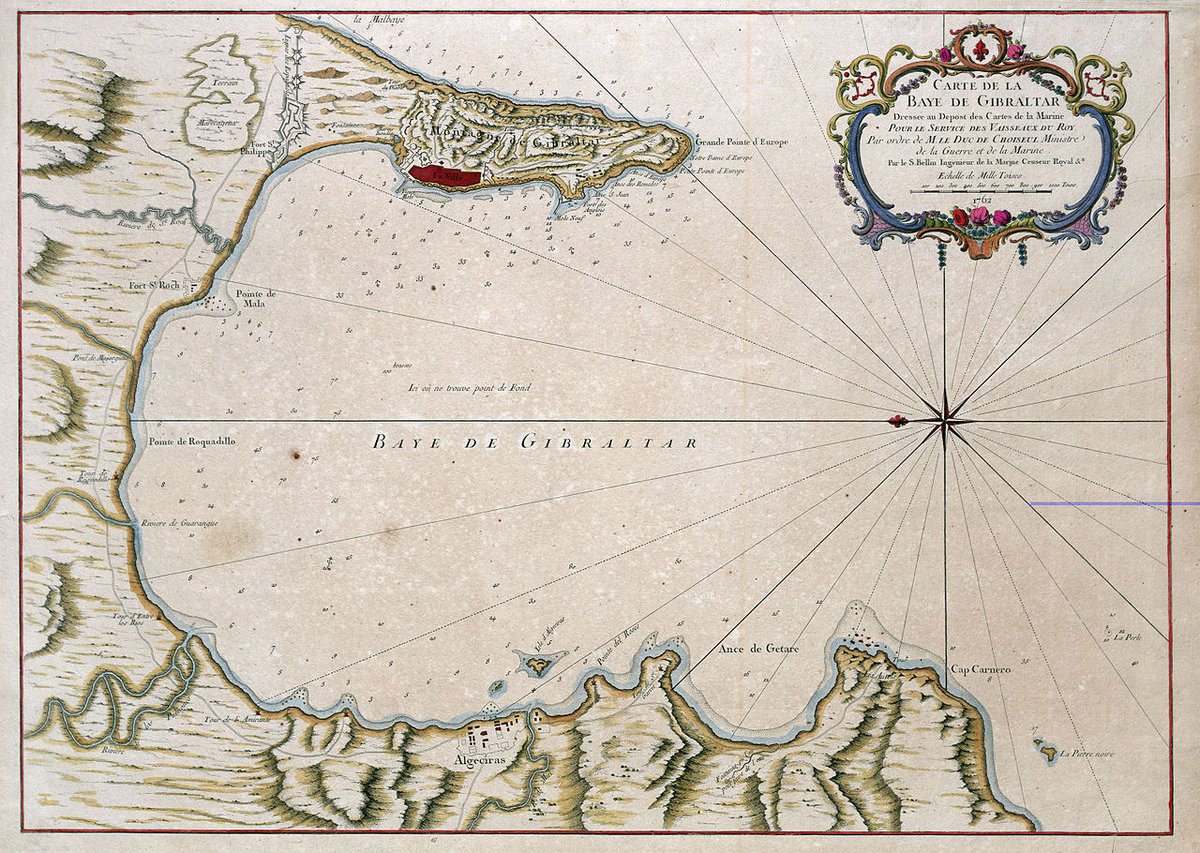
Los Barrios is not one of those places that grew slowly around a castle or behind medieval walls. Its origins lie in a plan. In the mid‑18th century, after Gibraltar had been under British control for decades, the Bourbon administration promoted new settlements in the surrounding area. Among them was the nucleus that became today’s Los Barrios.
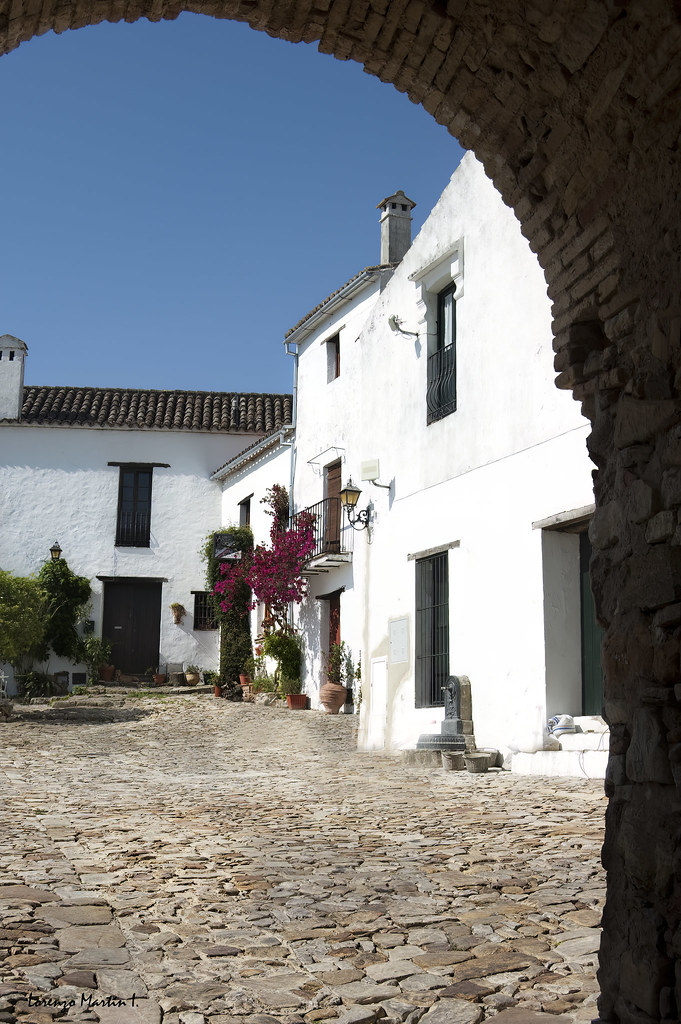
A walk through the centre reveals a certain inherited order. The streets follow a noticeable regularity. Houses are low, with iron balconies and pale façades that throw back the glare of the midday sun. The Iglesia de San Isidro, built in those same years, defines the skyline of the old quarter with its exposed brick tower. Inside, the air often carries the scent of wax and aged wood, the familiar smell of churches that remain open day after day.
Close by stand a few buildings linked to 18th‑century agricultural life, including the old Pósito, where grain was stored for times of scarcity. Behind it all, always present, lies the dark green mass of the natural park.
When the Levante Blows
In Los Barrios, the wind almost always arrives from the east. The levante, the strong easterly wind common to this part of southern Spain, can appear without warning and alter the atmosphere. It rattles shutters, lifts scraps of paper across the square and carries a salty tang that hints at the Strait of Gibraltar, relatively close even if the sea remains out of sight.
By midday the centre becomes busier. Many workers from across the Campo de Gibraltar stop here to eat, and terraces fill quickly in good weather. On the tables appear dishes typical of the comarca: light gazpacho, tortillas de camarones made with tiny shrimp, and spoon stews when temperatures drop. The air smells of fried garlic and warm bread.
At certain times of year, homemade sweets still appear at small stalls or from doorways open to the street. Pestiños glazed with honey and fried rosquitos are among them. They leave fingers sticky and demand a paper napkin before the walk continues.
The Hills Begin Within Minutes
Step beyond the edge of town and the landscape changes quickly. In the direction of the Parque Natural de Los Alcornocales, pine woods and paths lead into dense countryside. The Pinar de los Monejos is one of the closest access points.
The path gradually slips into shade. First comes the scent of resin, then the dampness rising from the ground as the trail narrows. Cork oaks and holm oaks meet overhead, forming an uneven canopy pierced by thin lines of light. In autumn, acorns carpet the ground and crunch beneath boots. In spring, tagarninas push up between stones, green thistles that often end up in local stews.
Several longer routes cross this area, linking former defensive points in the interior of the Campo de Gibraltar. Clear structures do not always survive. Sometimes there are only fragments of wall, or a half‑ruined tower where kestrels nest. On very clear days, from certain high points, the faint outline of Africa can be seen on the far side of the Strait.
Water is essential before heading into the hills, and it is wise to check the forecast. When the levante blows hard, exposed stretches can feel demanding.
May and the Road of the Romería
A visit in May may coincide with the romería of San Isidro, a pilgrimage festival closely associated with the town. The exact date varies each year, though it usually falls in spring, when the countryside has turned green.
During those days, decorated carts, horses and groups of people move together towards a rural area where the day is spent outdoors. The procession raises dust and releases the scent of crushed rosemary underfoot. Sevillanas are sung, hands clap in rhythm and improvised tables appear with cured meats, goat’s cheese from the nearby sierra and wine passed from cup to cup.
This is not a festival arranged for spectators. If the romería crosses your path, the usual response is to step aside, watch for a while and let the procession continue at its own pace.
When to Come and Practical Notes
Reaching Los Barrios is straightforward. The A‑381 links the town with Algeciras and the interior of the province, and from the bay the drive is short.
Summer brings a noticeable shift in atmosphere. Many people from the surrounding area use the town as a base for the beaches of the Campo de Gibraltar or Tarifa, and weekends see the centre busier than usual. Finding a parking space near the square may require patience.
For a quieter stay, May and October tend to work well. The hills are green, afternoons stretch longer and walking remains possible without the full force of summer heat.
Los Barrios sits between motorway and mountain, between the inland forests of Los Alcornocales and the pull of the Strait. It is a place shaped by planning yet defined by wind, cork oak and the slow rhythm of a town that still turns towards the countryside at its edge.