Full Article
about San Martín del Tesorillo
The youngest municipality in the province, separated from Jimena; a fertile valley near the coast devoted to citrus farming.
Hide article Read full article
A young municipality in orange country
Anyone looking at tourism in San Martín del Tesorillo should first be clear about what this place is, and what it is not. As a municipality, it is new. It has existed as its own town council only since 2018. The settlement itself dates back much further, to the late nineteenth century.
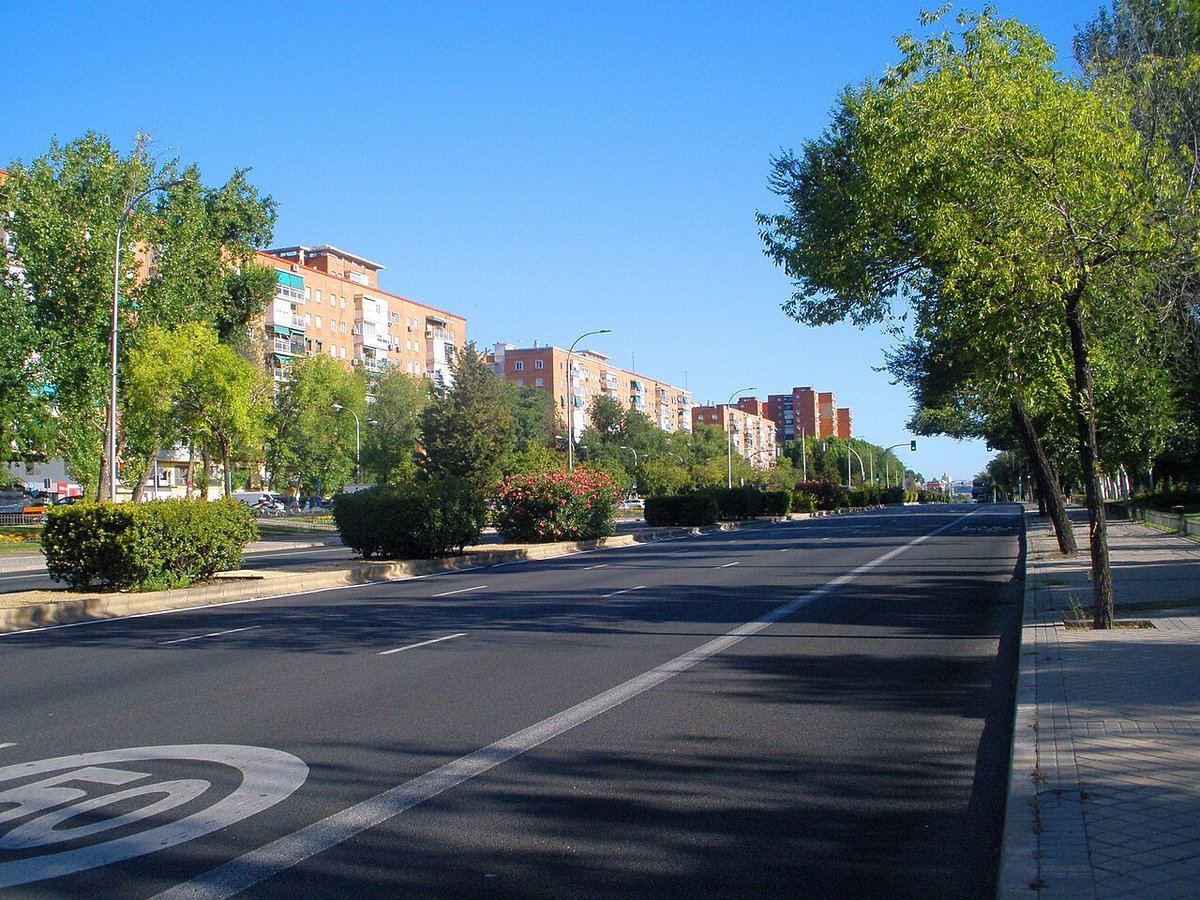
You arrive via the A‑2103. Long rows of orange trees line the approach. Fields stretch out on either side before the houses appear. There is no historic centre to admire, no old quarter curated for visitors. What you see is what it is: an agricultural town shaped by the surrounding land.
The layout reflects that origin. The streets are straight and wide. The houses are low, many refurbished in different decades, with no attempt at uniformity. Monumental architecture does not define this place.
Easy to park, easy to understand
Practicalities here are simple. There is almost always somewhere to park. The town is flat, so getting around on foot is straightforward, and you can usually leave the car near the main square without circling for long. There are no paid parking zones and no ticket machines to deal with.
In winter, during the orange harvest, tractors share the streets with cars. It is part of daily life. The orange crop sets the rhythm of the town.
San Martín del Tesorillo does not demand a long itinerary. A short walk gives a clear picture of how it works and what matters here.
Two landmarks and little ceremony
If there is one building that stands out, it is the Casa de los Larios on the main road. It dates from 1882 and is linked to the agricultural colony established by the Larios family in the area. The house is private today, so the façade is all that can be seen from outside. Even so, it anchors the town historically, connecting the present-day settlement with its late nineteenth-century origins.
Another recognisable point is the lattice bridge over the River Guadiaro, built in the 1920s. Its iron structure has a distinctly industrial feel, with very little ornament. Locals arrange to meet “at the bridge”. That tells you what it represents in everyday life. It is less a monument than a reference point.
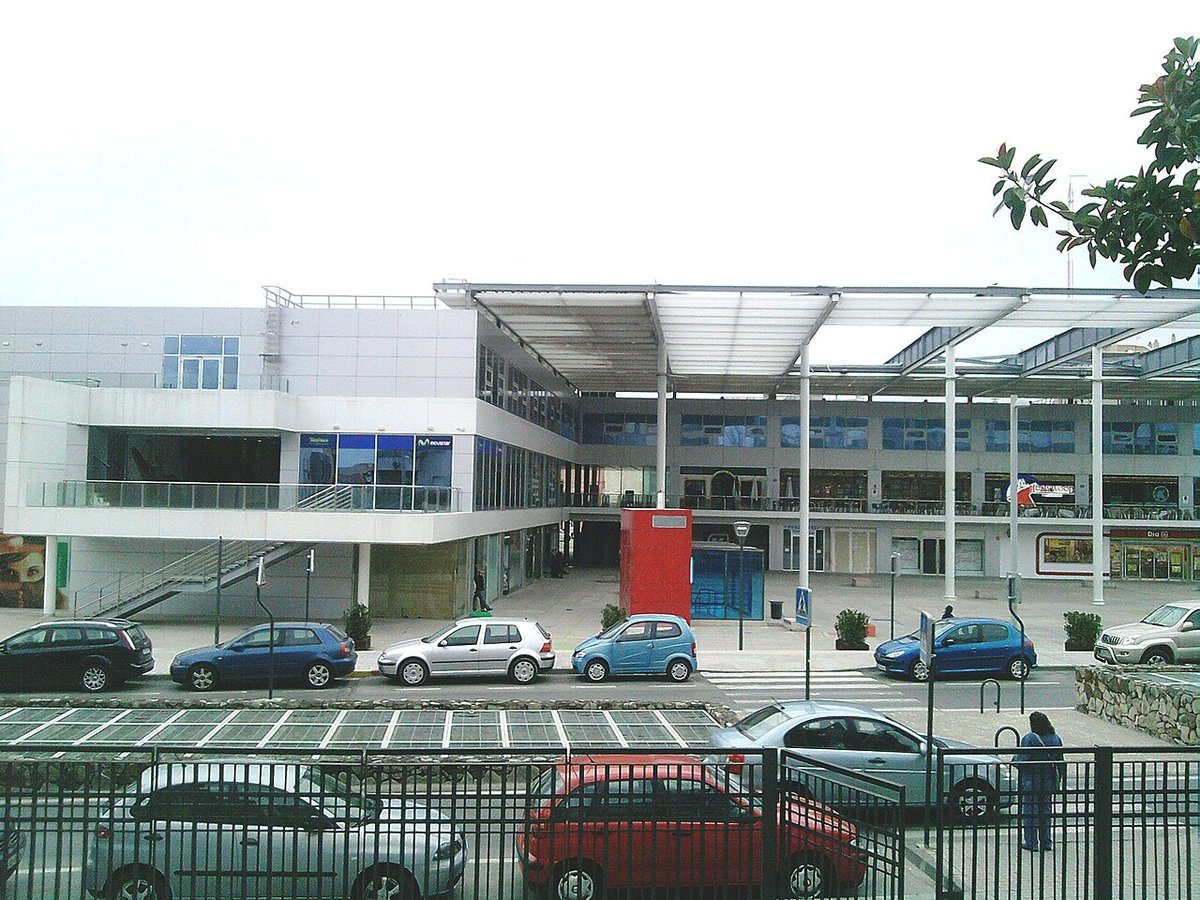
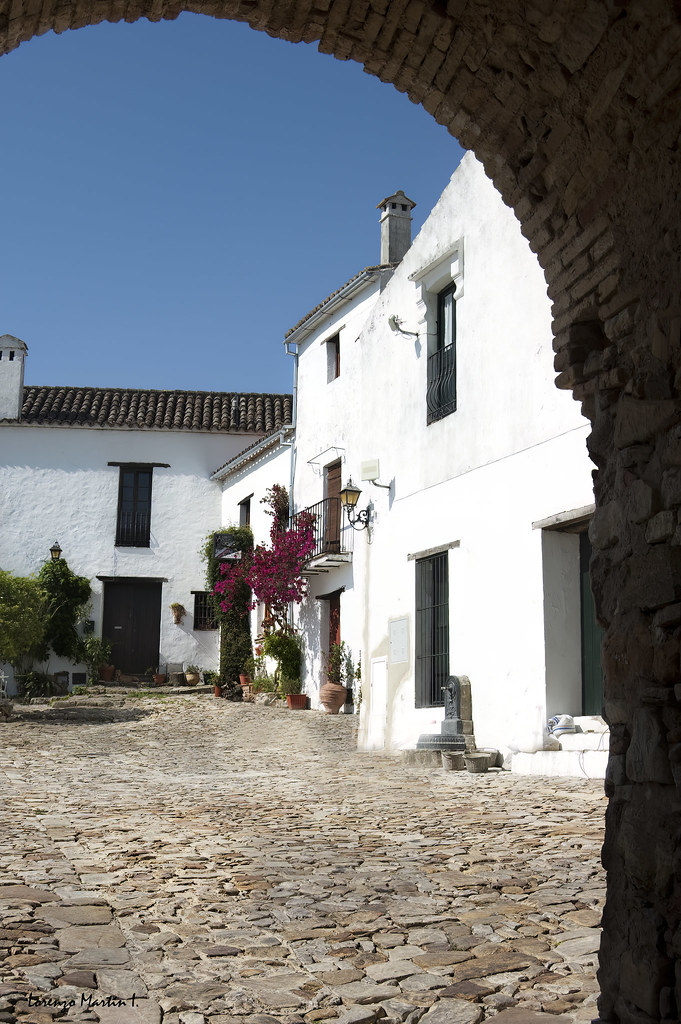
Beyond these two spots, San Martín del Tesorillo is an agricultural town without surprises. Low houses line straight streets. Facades reflect different periods of renovation rather than a single architectural style. Visitors expecting grand churches or elaborate civic buildings will not find them here.
A walk can take in the bridge, the main square and a few surrounding streets in a short space of time. The experience is direct and unvarnished.
What the land produces
The orange is the backbone of the local economy. The main harvest comes in winter. Common varieties include Navelina and Salustiana. The fruit moves in crates straight from the fields. Production defines the seasons and the traffic.
Rice from the Guadiaro valley has been cultivated since the nineteenth century. It is not the same type of grain used in the Levante region of Spain. Here it cooks looser. People prepare it in the style of paella, but without too much ceremony. It is part of everyday cooking rather than a staged culinary performance.
Goat also appears in local cuisine, usually in a stew with tomato, cumin and paprika. This is traditionally linked to the time of slaughter. It is not always available.
Honey often comes from hives near Los Alcornocales Natural Park. It tends to be dark and fairly strong in flavour.
There is no folklore-heavy food scene presented for visitors. What you find reflects what is grown and raised in the area.
Along the Guadiaro or into Los Alcornocales
For those who want to move beyond the streets, the simplest walk follows the River Guadiaro towards Sotogrande. The full stretch is about eight kilometres. The terrain is easy, and many people cycle it. There are no bars along the way, so it is wise to take water.
Another option is the PR‑A 271 trail, which starts in the village and enters Los Alcornocales. It forms a circular route of around twelve kilometres. Cork oaks dominate the landscape. After rain, the ground can be muddy. Silence is part of the appeal.
These routes offer a change of perspective. The town itself may be quickly covered, but the surrounding valley and park provide space and air. Even so, expectations should remain measured. Facilities along the paths are not part of the experience described here.
If walking does not appeal, time in the main square is enough. Daily life in an agricultural town unfolds at its own pace. There is little spectacle attached to it.
Moments when the town shifts
During Corpus Christi, streets are sometimes decorated with carpets made from citrus fruit. It is one of the few occasions when the town’s appearance changes noticeably. The scent and colour briefly alter the usual look of the streets.
In November, San Martín is celebrated with a fair and a romería, a traditional pilgrimage-style festivity common in parts of Spain. These events mark the local calendar and bring a different atmosphere, even if only for a short time.
As for timing a visit, spring is generally the best choice. Orange blossom makes its presence felt across the valley. Summer heat can cling heavily, and the river brings mosquitoes. Winter often brings morning fog.
San Martín del Tesorillo does not require days of exploration. A walk around, a look at the bridge, some time in the square and that is largely it. For travellers passing between Cádiz and Ronda who feel like stopping, it works as a pause. If it is the right season, buy some oranges and continue the journey. The town does not offer much more, and it does not pretend to.