Full Article
about San Roque
Historic town that took in refugees from Gibraltar; it has luxury developments like Sotogrande and elite golf courses.
Ocultar artículo Leer artículo completo
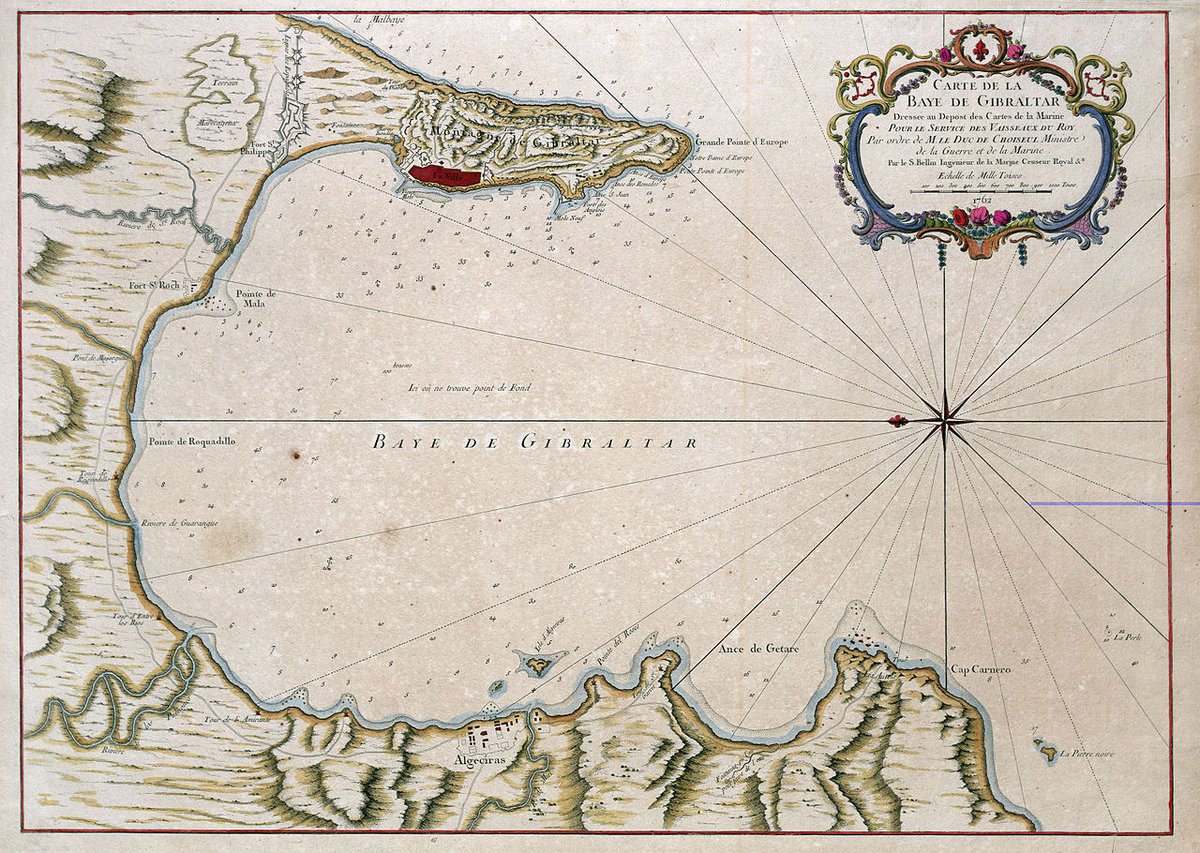
The road sign says San Roque is twelve kilometres from Gibraltar, yet the town’s bell-tower houses British cannonballs fired in 1782 and the municipal archive still carries the Gibraltar crest. This is the place where 4,000 Gibraltarians packed their records, their statues and even the keys to their front doors when the British captured the Rock in 1704, then rebuilt their city on a limestone ridge across the bay. Modern visitors who treat San Roque as a cheap bed for Gibraltar miss the point: the village is the older story, frozen the moment Spain walked out of Gib.
A town that refuses to move on
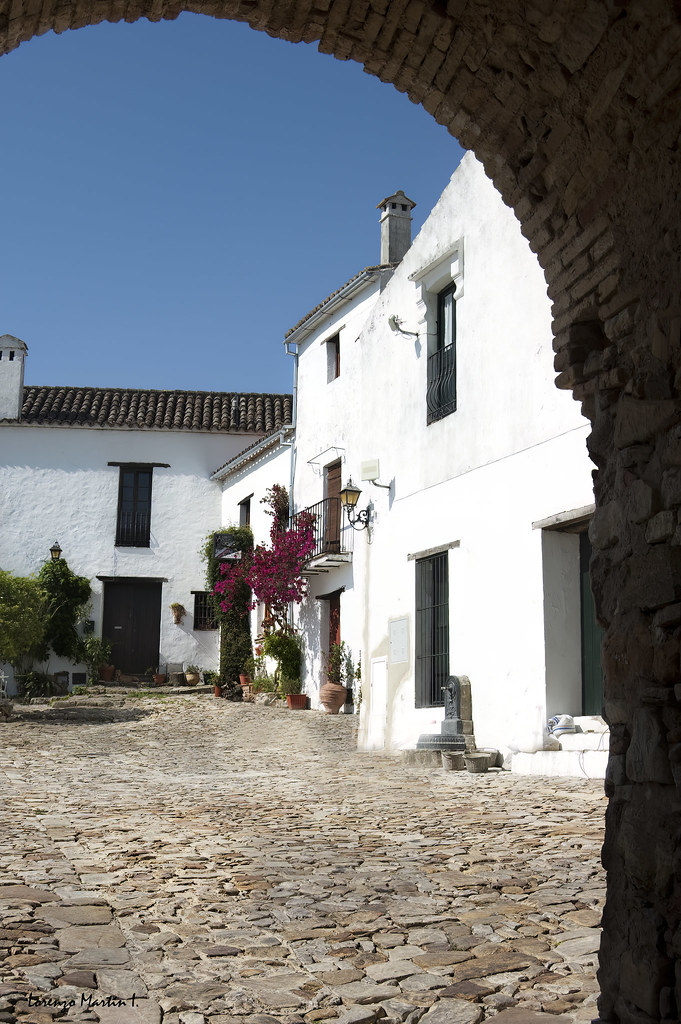
Start in Plaza de Andalucía, the sloping square that doubles as car park and outdoor living room. House martins nest under the balcony of the 18th-century town hall; old men in flat caps play mus with cards older than Franco. The ayuntamiento’s stone tablet still proclaims the settlement “Muy Noble y Más Leal Ciudad de San Roque”, the exact title once granted to Gibraltar itself. Inside the neighbouring church of Santa María la Coronada, the lectern is carved from the same cedar that left the Rock three centuries ago, and the Virgen de la Coronada – the same statue carried across the bay – wears a silver crown donated by London’s Spanish community in 1921. Weekday mornings you’ll share the nave with two cleaners and perhaps a retired Royal Navy officer tracing family baptism entries; by 11 a.m. the caretaker locks the door for siesta and the temperature outside has already climbed past 30 °C for much of the year.
Walk south along Calle San Felipe and the street narrows to a single car’s width. Shutters are painted the colour of dried blood; geraniums drip from wrought-iron cages. Halfway up, the Palacio de los Gobernadores flies the red-and-yellow flag at exactly the same height the Union Jack flutters over the Rock – a quiet piece of symmetry visible only if you look back from the mirador. The palace is closed to the public but the courtyard door is usually ajar; peer in to see a 19th-century British cannon abandoned after the Great Siege, now used as a plant pot.
Between two seas of rock
San Roque sits 108 m above the Mediterranean, high enough to catch the levante wind that funnels through the Strait. From the Mirador de la Peña the bay looks close enough to swim – Africa on a clear winter afternoon appears like a blue cardboard cut-out 20 km away – yet the coast is a ten-minute drive down a precipitous road. That drop explains why the town has never really been coastal: even after the refugees arrived, the fishermen stayed on the beach at Torreguadiaro, now a separate hamlet of pastel houses and open-air cafés where a beer still costs €1.80 and the waiters know which way the Rock’s runway points so they can time their orders between incoming flights.
The beaches themselves are honest rather than spectacular. Torreguadiaro’s dark sand shelves gently; beyond the yacht club a string of chiringuitos serves tortillitas de camarones so thin they shatter like poppadoms. In July the weekend crowd arrives from Algeciras and La Linea – expect music reggaeton loud enough to rattle beach umbrellas – but on a Tuesday in May you can walk the length of the promenade and meet only a retired couple from Cádiz power-walking in matching Real Betis shirts. Parking is free on the side streets; if you prefer sand the colour of Demerara sugar, continue west to Sotogrande where the polo set moor boats named Mytax Return and the lifeguards speak perfect English. The price of a sun-lounger there (€12 a day) tells you everything about which audience they expect.
Cork, kestrels and golf buggies
Behind the town the Sierra del Alcornocal rises in a series of rounded humps covered with cork oak. The Regionalist painter Julio Romero de Torres complained the hills looked “too African” for Andalucía; walkers tend to be more enthusiastic. Two way-marked trails leave from the old railway tunnel at Estación de San Roque: the shorter loop climbs 250 m through fern-filled gullies where nightingales sing in April, the longer reaches an abandoned 18th-century customs post overlooking the Strait. Both are best attempted before 10 a.m. in summer – shade is scarce and the Guardia Civil recommend carrying two litres of water after a German tourist was helicoptered out with heatstroke last June.
If hiking sounds like hard work, hire a bike in Sotogrande and follow the coastal path west. The track skirts polo fields where Argentinian professionals practise wristy shots while mechanics polish 4×4s in the car park. Golfers rate Valderrama among Europe’s top five courses; non-players can still drink a cortado on the clubhouse terrace and watch greens staff measure green speed to the nearest centimetre. Green fees peak at €340 in April – more than the weekly rent of a two-bedroom flat in San Roque old town.
How to do it without the car
San Roque is not public-transport friendly. A twice-daily bus links the old quarter with Algeciras, but the last return leaves at 19:10, stranding anyone tempted by late-night tapas. Gibraltar airport is 15 minutes away by taxi (fixed fare €25; sterling accepted reluctantly), yet once you arrive a car is almost obligatory if you want both mountain and beach in the same day. Hire desks at Gibraltar airside run out of automatics in high season – book early or brush up on left-hand stick shifts the moment you leave the terminal.
If you insist on staying foot-loose, base yourself in the old town and accept you’ll see less sand. The Posada de la Campana (doubles from €65, breakfast €7) occupies a former 18th-century inn; rooms open on to an internal patio where swallows swoop through a glassless window at dusk. Ask for a rear room – the front ones overlook the main road that carries night-time freight to the port. Evening noise dies after midnight once the Moroccan-bound lorries have queued through La Linea, but light sleepers should pack earplugs.
When to come, when to stay away
Spring and late autumn give you the hills in soft focus: wild gladiolus bloom beside the castle walls and the thermometer hovers around 22 °C, ideal for walking without the sweat. August is feria week: the town doubles in size, casetas serve rebujito (fino sherry with 7-Up) until 05:00, and hotel prices jump 40%. If you crave that authentic fairground atmosphere, book six months ahead; if not, avoid. Winter can be surprisingly sharp – the hill position traps cold air and January mornings start at 6 °C, although lunch on a sheltered terrace still feels T-shirt warm once the sun climbs above the Rock.
The bill and the billfold
San Roque remains inexpensive by Costa-del-Sol standards. A three-course menú del día in the old town costs €12–14 and usually includes a carafe of passable local red. Casa Manolo will grill a dorada for two and throw in patatas fritas for €18 total; Don Benito, the Michelin-listed newcomer, charges €45 for five creative courses but will swap seafood for pigeon if you ask politely. Expect to pay cash – many bars lack card readers and the nearest ATM occasionally runs dry on Sunday when cruise passengers dash up from Gibraltar for emergency euros.
Leaving without the souvenir cliché
There is no fridge-magnet industry here. The best memento is edible: a wheel of torta de aceite flavoured with anise and sesame, still warm from the tiny bakery behind the church. Buy two – the first won’t survive the drive back to the airport – and remember that you are taking home the taste of a city that refused to die, merely moved house. San Roque will never be fashionable, which is precisely why it is worth the detour before Gibraltar’s duty-free shops swallow the last of your sterling.