Almonte - Flickr
Andalucía · Passion & Soul

Almonte

The first thing that strikes a visitor to El Rocío is the sound: not church bells or scooter engines, but the soft thud of hooves on sand. Streets ...

24,864 inhabitants · INE 2025
75m Altitude
Coast Mediterráneo

Why Visit

Coast & beaches Sanctuary of the Virgen del Rocío Pilgrimage to El Rocío

Best Time to Visit

spring

Romería del Rocío (May/June) mayo

Things to See & Do
in Almonte

Heritage

  • Sanctuary of the Virgen del Rocío
  • Doñana National Park
  • Town Museum

Activities

  • Pilgrimage to El Rocío
  • Birdwatching in Doñana
  • Swim at Matalascañas

Festivals
& & Traditions

Fecha mayo

Romería del Rocío (mayo/junio), Saca de las Yeguas (junio)

Las fiestas locales son el momento perfecto para vivir la autenticidad de Almonte.

Full Article
about Almonte

A large municipality that includes the village of El Rocío and Matalascañas beach; it's the heart of Rocío devotion and the gateway to Doñana National Park.

Ocultar artículo Leer artículo completo

The first thing that strikes a visitor to El Rocío is the sound: not church bells or scooter engines, but the soft thud of hooves on sand. Streets here are unpaved, more Saharan than Spanish, and the hitching posts outside each house are used daily. Twenty minutes later you can be on an empty Atlantic beach, then bump through Europe’s largest wetland in a four-wheel-drive. All three experiences sit within the municipal boundary of Almonte, a town most Brits have never heard of, though they probably should have.

A Town That Spans Three Worlds

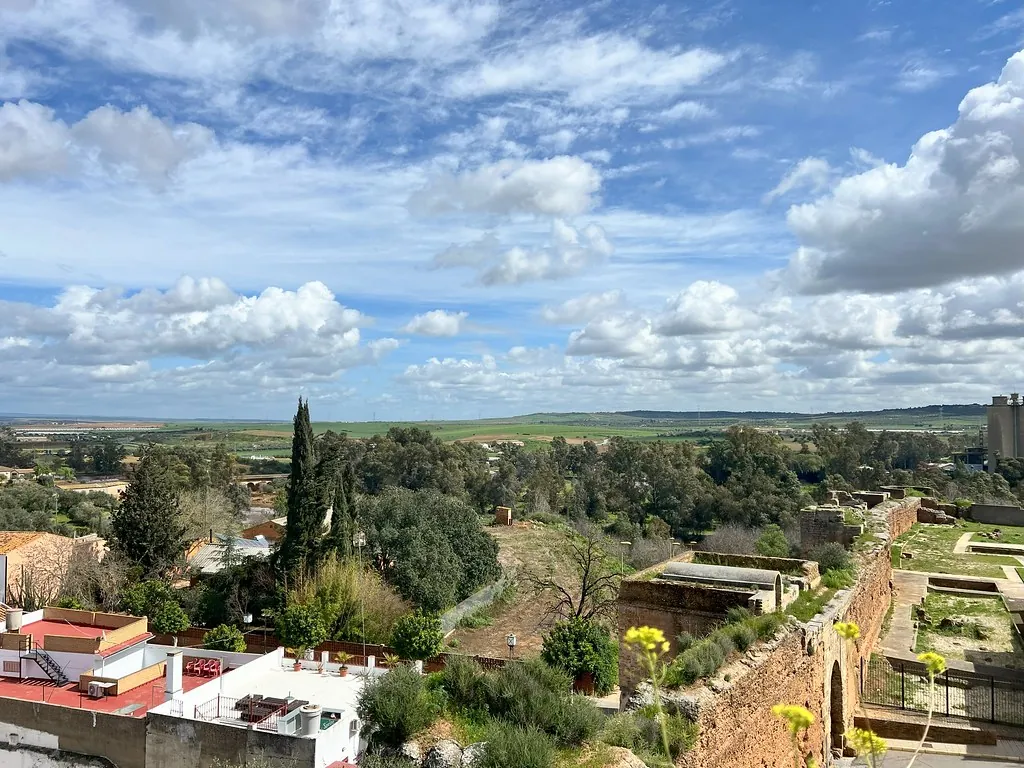
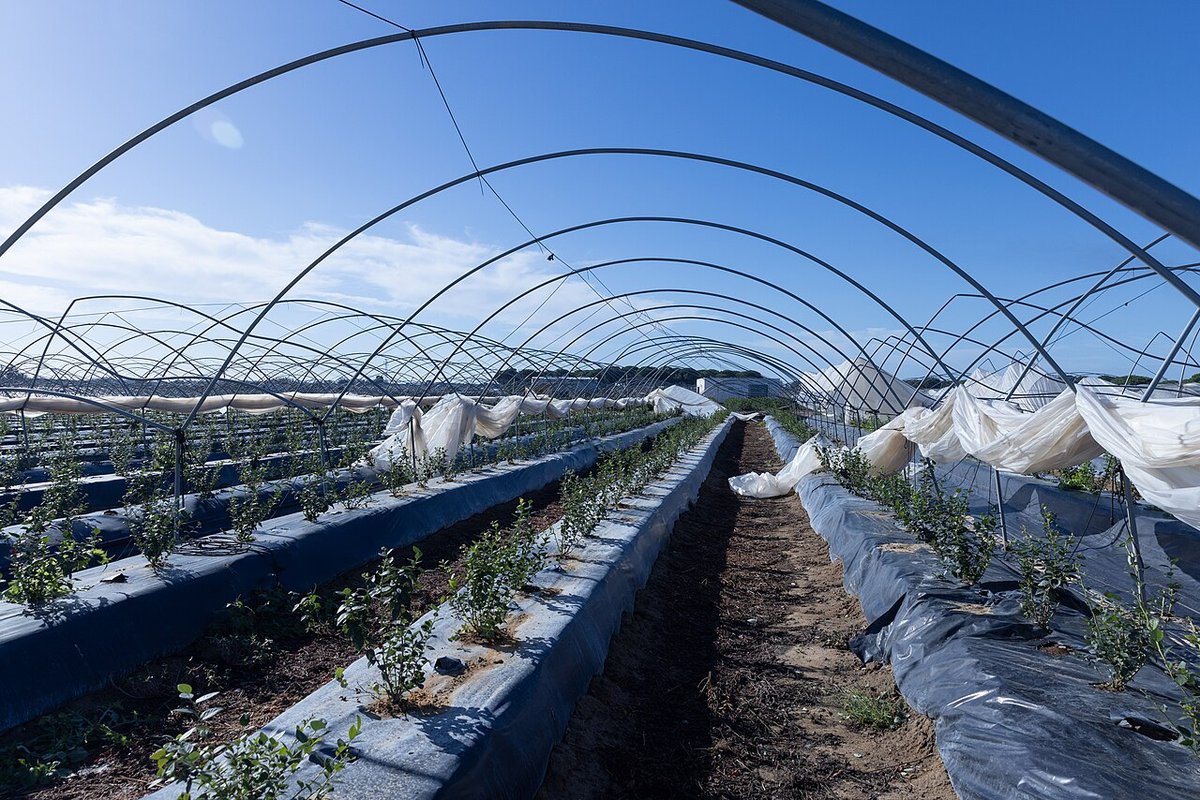
Almonte stretches across 859 km², an area larger than the West Midlands, yet only 25,000 people call it home. Pick any compass point and the ground changes. North-east lies the Parque Nacional de Doñana, a mosaic of cork-oak forest, moving dunes and seasonal marshland that harbours more breeding bird species than the entire British Isles. South-west is Matalascañas, a purpose-built resort flanked by 20 km of pale Atlantic sand. Between them sits the agricultural heartland: strawberry fields under plastic, rice paddies that turn bronze in October, and the stone-built town centre where farmers still gather for morning coffee at 7 a.m. sharp.

The centre itself won’t win beauty contests. Flat-fronted houses painted in sun-bleached pastels line a grid of tidy streets; the tallest building is the Mudéjar bell tower of the parish church. Yet the place functions. Small food shops open before nine, the Saturday market spills across Plaza del Ayuntamiento, and the covered market serves ibérico ham sandwiches for €3.50—half the price you’d pay in Seville.

Church, Pub or Stable?

Three kilometres south, El Rocío feels like a film set waiting for the director to shout “Cut!” Houses have verandas, saloon doors and names such as “Hotel La Calma” spelled out in Wild-West lettering. The only tarmac is the A-483 that bisects the village; everything else is ankle-deep sand. On weekdays you can hear your own footsteps. Come Pentecost weekend (late May or early June) the population swells from 800 to around one million for the Romería del Rocío, Europe’s largest pilgrimage. Brotherhoods from across Andalucía arrive on horseback or in gaudy wagons, their route marked by polka-dot dresses, guitar chords and an unholy amount of manzanilla sherry. Prices triple, cash machines run dry, and hotel rooms on the sand streets book out a year ahead. Spectators love it; introverts should avoid.

The object of devotion is the 13th-century statue of the Virgen del Rocío, kept in a white-washed hermitage that looks almost modest given the hysteria it generates. The building opens at 6 a.m.; visitors shuffle past the altar in five minutes flat, unless a local wedding barges in and everyone applauds the bride for showing up in a horse-drawn carriage.

Where the Birds Are

Doñana’s reputation among British birders borders on the religious. Spoonbills, purple gallinules and the continent’s largest Spanish imperial-eagle population all breed here, while autumn brings honey-buzzards and black storks funnelling south. The catch: you can’t simply wander in. Private vehicles are banned beyond the visitor centre, so independent travellers join a 4×4 convoy that leaves El Rocío each morning (€35, three hours, English-speaking guides available). Expect to cover 70 km of track, stop at a 16th-century duck-hunting lodge, and watch flocks of flamingos lift off the salt pans like pink confetti. Bring binoculars and repellent; mosquitoes own the marsh from April to October.

If organised tours feel tame, several local companies offer kayaking on the Río Piedras, a tannin-stained creek that marks the park’s western edge. Two-hour paddles cost €25 and frequently yield sightings of otter and osprey, minus the diesel rumble.

Beach Life, Spanish Style

Matalascañas divides opinion. The seafront promenade is a concrete wall of 1970s apartment blocks, but walk ten minutes east and the dwellings stop. What remains is dune, stone pine and 200 m of golden sand between you and the next human. Lifeguards patrol until 7 p.m. in summer; outside July and August the place feels half-abandoned in the best possible way. Water temperature peaks at 22 °C in September—warmer than Cornwall in August—though Atlantic swells can be fierce. Surfers bring short boards; body-boarders dominate the shore break nearest the car parks.

Back in town, restaurants line Avenida de la Aurora. Skip the neon-lit places advertising full English and head to Casa Paco instead. Order parrillada de pescado for two (€28): a heap of local sea bream, sardines and giant red prawns that were swimming the night before. Pair it with a half-bottle of Condado de Huelva, the region’s bone-dry white that tastes like fino sherry without the punch.

Working Outdoors

Horse-riding isn’t a gimmick here; it’s transport. Even novice riders can manage a two-hour hack through the dunes—stables provide hard hats, well-fed Andalucian horses and guides who speak enough English to explain how to stop. Expect to pay €30 and to trot across streams where scenes of Lawrence of Arabia were filmed (the crew stayed in El Rocío in 1962; locals still talk about it).

Cyclists aren’t forgotten. A 24 km greenway follows the old railway from Almonte to the coast, dead-flat and car-free. Hire bikes at the visitor centre (€15 a day) and you’ll reach the beach in under an hour, pausing only to photograph the herds of semi-wild horses that graze among the pines.

When to Come, Where to Sleep

Spring and late autumn offer the kindest climate: 24 °C by day, cool enough for walking at night. Summer is scorching—40 °C is routine—and the marsh shrinks, concentrating birds but multiplying insects. Winter brings empty beaches and hotel rates under €60, though Atlantic winds can sand-blast your face.

Accommodation splits three ways. In Almonte town, family-run hostals such as La Malvasía charge €45 for spotless doubles and include garage parking—useful if you’ve hired a car. El Rocío has boutique posadas with four-poster beds and courtyard fountains (€90–€120), but you’ll carry luggage across sand. Matalascañas delivers functional aparthotels with kitchenettes, handy for early-morning swims but lacking soul.

Getting Here, Getting In

Seville airport, 80 km away, receives year-round flights from London airports in 1 h 20 min. Car hire desks sit opposite arrivals; the A-49 is toll-free and almost empty once you leave the city ring road. Without wheels, ALSA runs two direct buses daily from Seville’s Plaza de Armas to Almonte (€11, two hours), but reaching the beach or park entrance then requires a taxi—scarce outside peak season.

Fuel is cheaper than in Britain; fill up before returning the car. One practical warning: Google Maps occasionally sends drivers along forest tracks that are gated. Stick to the A-483 and you’ll roll straight into El Rocío without grounding the exhaust.

The Honest Verdict

Almonte doesn’t photograph like the Cotswolds. Parts are scruffy, the resort architecture is 1970s brutal, and summer crowds can feel relentless. Yet the variety is hard to beat: breakfast in a quiet Spanish market town, mass in a sand-street village where horses outnumber cars, and dinner on a near-empty beach while spoonbills fly overhead. Bring insect repellent, an open mind and, if possible, leave the wheelie case at home.

Key Facts

Region
Andalucía
District
Condado de Huelva
INE Code
21005
Coast
Yes
Mountain
No
Season
spring

Livability & Services

Key data for living or remote work

2024
ConnectivityFiber + 5G
TransportTrain 14 km away
HealthcareHealth center
EducationHigh school & elementary
Housing~5€/m² rent · Affordable
Sources: INE, CNMC, Ministry of Health, AEMET

Planning Your Visit?

Discover more villages in the Condado de Huelva.

View full region →

More villages in Condado de Huelva

Traveler Reviews