Full Article
about Beas
Farming town noted for its extra-virgin olive oil and famous Belén Viviente; it keeps the spirit of Huelva’s countryside with traditions still very much alive.
Hide article Read full article
Mornings in the Condado de Huelva
Early in the day, before cars begin to pass along the road that cuts through the village, Beas smells of fresh bread and damp earth. The whitewashed façades reflect a soft, almost milky light, and metal shutters start to rise one by one with a familiar clatter that travels from street to street. Tourism in Beas often begins at this hour, walking slowly through a place that still feels as though it belongs entirely to its residents.
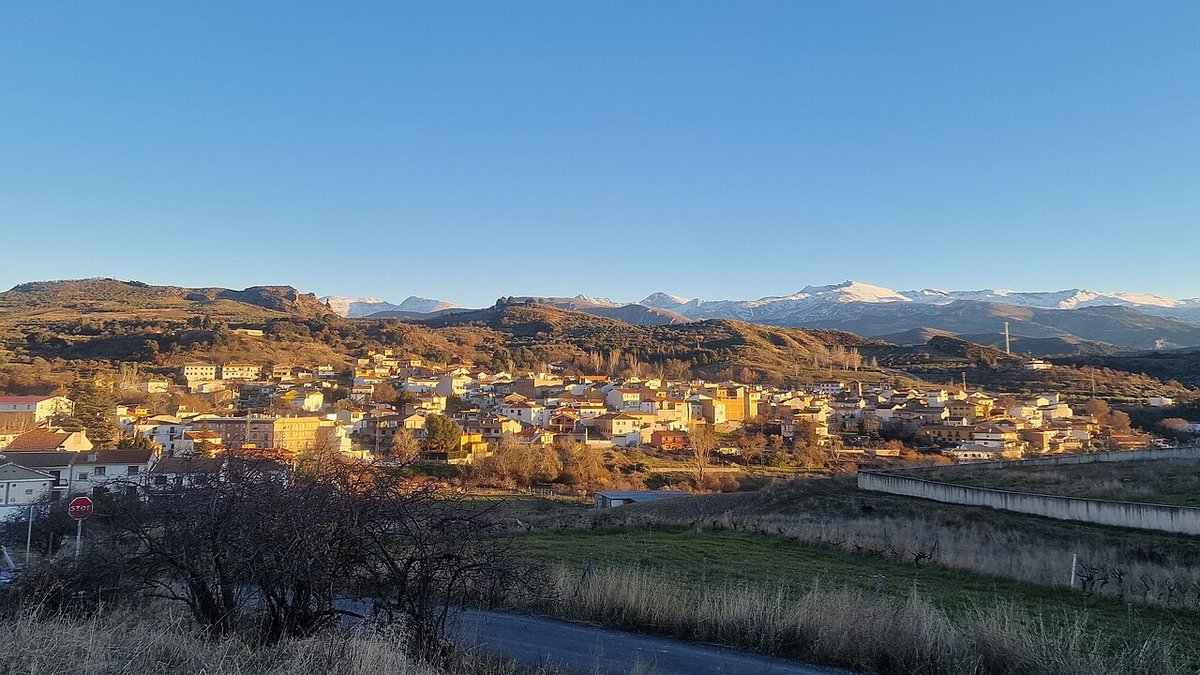
Beas lies in the Condado de Huelva, around twenty minutes from the provincial capital, Huelva. The surrounding landscape is open countryside rather than steep mountains: gentle hills, cultivated plots and patches of pine forest that shift in colour with the seasons. In winter, the air carries the scent of firewood. In summer, it changes to hot dust and ripe fig.
The setting shapes the rhythm of the village. There is space in the horizon, and that sense of openness filters into daily life. Nothing feels hurried first thing in the morning, when light slides along white walls and doors remain half closed.
A Village Measured in Steps
The centre of Beas can be explored without a map. Narrow streets weave between low houses with old iron grilles and rows of flowerpots watered mid-morning. On some corners, wide wooden gates still creak as they open, reminders of larger homes that have passed through several generations.
The parish church of San Bartolomé is the most recognisable landmark in the urban area. Its bell tower is visible from several streets, a reference point as you move around. When the bells ring, the sound rebounds off the white walls and seems to fill the entire village.
By mid-afternoon, attention shifts to the square. Children cycle across it, older residents sit on benches talking without rush, and the occasional car circles in search of a space. Beas is not defined by grand monuments. The interest lies more in the everyday atmosphere than in ticking off sights. Time stretches a little here, especially as evening approaches and conversations lengthen in the open air.
As night falls, the pace slows further. A few lit windows punctuate the white streets. The quiet that settles in is part of the experience, particularly outside the busier periods of the year.
December and the Belén Viviente
If there is a moment when Beas changes tempo, it is December. For several days, much of the historic centre becomes the setting for its Belén Viviente, a living Nativity scene in which local residents recreate biblical episodes throughout the streets.
Towards dusk, the village fills with the smell of straw, damp wood and stews simmering on small burners. Lighting is subdued, often from torches or oil lamps, and the murmur of visitors blends with the sounds of animals and tools. The atmosphere is closer to a staged walk-through than to a static display. It is not a quick production assembled at the last minute. Preparation usually takes weeks, and a large part of the municipality becomes involved.
For those planning to visit during these dates, patience is useful. Visitor numbers increase noticeably and parking in the centre becomes complicated. It is generally more practical to leave the car on the outskirts and walk in.
The Belén Viviente alters the visual identity of the streets. Corners that are quiet for most of the year turn into scenes of activity. The usual white backdrop is softened by straw and fabric, by props and figures in period dress. Even for those familiar with Christmas traditions in Spain, the scale of community participation here gives it a particular character.
Outside December, the village returns to its steady routine. The contrast is part of what makes the winter event stand out so clearly in the calendar.
Paths Through Pines and Fields
A few minutes from the urban centre, agricultural tracks and simple footpaths begin to trace the landscape of the Condado. These are flat routes, without significant climbs. What changes most along the way is the light. In the morning, the fields take on a golden tone. By late afternoon, everything shifts towards ochre.
Some stretches pass through pine groves that offer shade even in the height of summer. When the wind picks up, the sound of the treetops merges with the constant hum of insects. It is common to come across farmers at work or someone out for a walk at the end of the day.
These paths help make sense of Beas in its wider setting. The village is closely linked to its cultivated surroundings, and that relationship is visible just beyond the last houses. There are no dramatic viewpoints or abrupt changes in terrain. Instead, there is a steady continuity between built streets and open fields.
In July and August, it is advisable to set out early if you plan to explore these tracks. From midday onwards, the heat intensifies and shade is limited in many areas. Summer shifts daily life towards later hours, and walking under the strongest sun can be demanding.
When to Go and What to Expect
Winter and spring are generally the most comfortable seasons for walking around Beas. The countryside is greener, and temperatures allow for unhurried strolls through both the village and its surroundings. The air feels clearer, and the scents of wood smoke or damp soil are more noticeable.
Summer brings marked heat, particularly in mid-afternoon. During these months, the rhythm of the village moves later into the evening. Mornings start quietly, the middle of the day slows, and activity resumes as the sun drops.
December stands apart because of the Belén Viviente and the arrival of visitors. It is an interesting time to see Beas in transformation, though it also means more traffic and more people than usual. For some, that collective energy is part of the appeal. For others, the calmer months reveal a different side of the village.
For the rest of the year, Beas follows its normal cadence: peaceful mornings, long afternoons and the hush that appears once night settles over the white streets. The most engaging aspect is not found in a single monument, but in the way daily life unfolds. Bread baking early in the day, conversations in the square, footsteps echoing lightly against whitewashed walls. In Beas, the detail worth noticing is often the simplest one.