Full Article
about Bollullos Par del Condado
A key wine-making hub with many bodegas and seafood-based cuisine; a strategic spot between the sierra and the sea with lively trade.
Ocultar artículo Leer artículo completo
A Plain Town That Punches Above Its Altitude
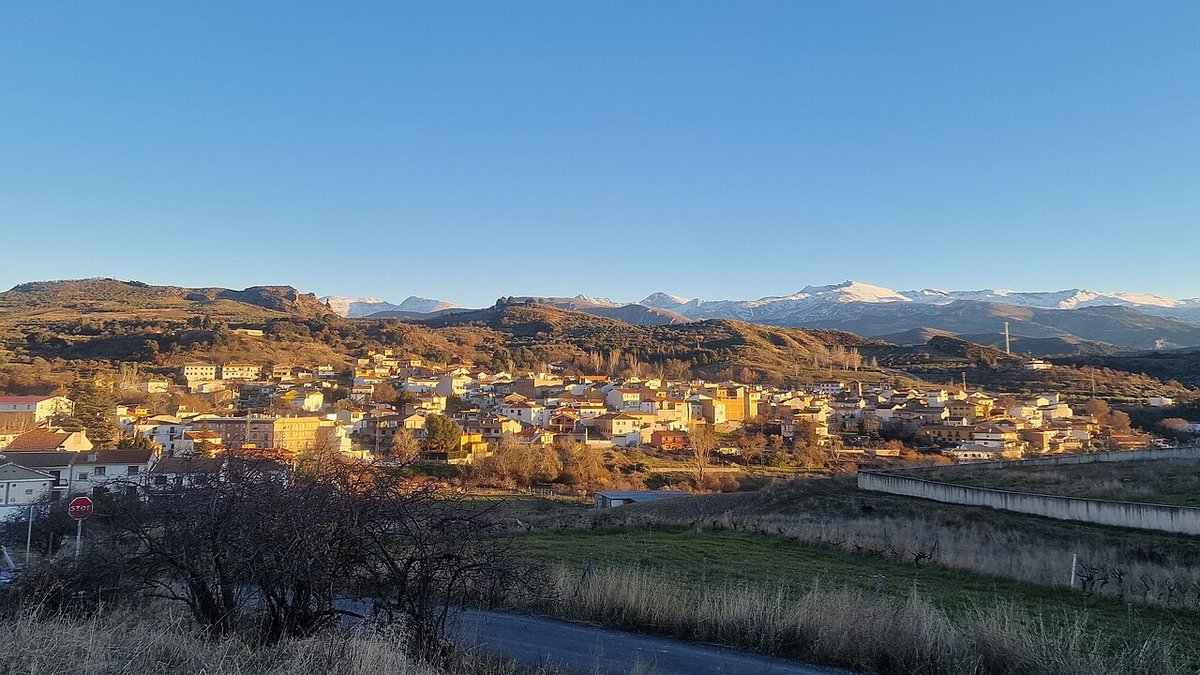
Bollullos Par del Condado sits 131 metres above sea level, low enough for the afternoon heat to bounce off the vineyard soil yet high enough for Atlantic breezes to slip through the rows of palomino grapes. The landscape is table-flat; no vertiginous miradors here, just an endless grid of vines that starts at the town’s edge and runs all the way to the horizon. From Seville airport it is 45 minutes south on the A-49 – closer than Jerez and without the coach-party choreography that sherry tourism further south has perfected. What you get instead is a working town of 14,000 whose economy still revolves around what happens in the fields and the brick bodegas tucked between ordinary houses.
Whitewash is in short supply. The centre is a mix of rendered façades faded to oatmeal and 1970s apartment blocks painted the colour of weak coffee. Guidebooks sometimes damn the place with faint praise—“functional,” they say—yet that plainness is useful. Prices stay sensible, car parks are free, and nobody tries to sell you a fridge magnet. The real ornament is functional too: the sandstone tower of the Iglesia de Santiago Apóstol rising above the Plaza de la Constitución, its baroque door framed by a single dusty palm. Inside, the air smells of candle wax and the stone floors are bowed by four centuries of parishioners in Sunday shoes. The church’s bell still marks the agricultural day: eight rings for the start of picking, two at dusk to call workers out of the vines.
Wine First, Everything Else After
Condado de Huelva was Spain’s second denominación de origen to be recognised, yet British supermarkets rarely stock the wines. That anonymity works in the visitor’s favour. A morning tour of Bodega Privilegio del Condado begins in a nineteenth-century nave of brick and lime where 300 clay tinajas – each large enough to bath a Labrador – line the walls like dormant volcanoes. The guide pours a fino that has never seen a blender: bone-dry, with a whiff of bruised apple and the saline snap that comes from vines rooted in albariza-like chalk. A second glass, the semi-seco, surprises with the gentle sweetness of a Mosel but without the petrol edge. Tastings finish with a vinegar aged eight years in American oak; drizzled over crushed tomatoes it tastes almost like balsamic for people who can’t abide balsamic’s treacle thickness. Tours cost €12 mid-week, €15 at weekends, and you keep the glass.
Smaller outfits open by appointment only. Bodega El Chocaito, two streets back from the main road, is essentially a family garage enlarged in 1924. The grandson who runs it fires up an antique crusher to demonstrate how the first free-run juice, the yema, was once carried in tin pails to the fermenting vats. He speaks slow, school English and is gratifyingly honest about yields: “Twenty-five hectolitres a hectare, nothing more. We could irrigate for bulk, but then the wine would taste like Madrid tap water.” Buy a bottle of the orange-peel-scented orange wine (€7) before you leave; it makes Aperol feel crude.
Flat Trails, Big Skies
The municipality has threaded 26 km of signposted footpaths through the vineyards. All are level, stroller-friendly and, crucially, shaded by the vines themselves after 10 a.m. The Ruta de la Uva starts behind the municipal pool and meanders 7 km past experimental plots of tempranillo and the more traditional zalema. Placards explain why farmers still bush-train the vines: so the leaves shelter the grapes from the Levante wind that roars across the flat land every July. You are more likely to meet a tractor than another walker; carry water because there are no fountains, only the occasional honesty box selling loose table grapes for €1.
Cyclists can borrow free bikes from the tourist office (passport required, Monday to Friday). A circular 12 km track heads east to the hamlet of Pino de la Bodega, where an abandoned cooperative built in 1919 rots photogenically behind padlocked doors. Peacocks from the neighbouring farm roost on the rusting conveyor belt, their shrieks echoing through the steel skeleton.
Food That Knows Its Place
Local cooking is built around two constants: the wines in the glass and the pigs in the dehesa. Order the chacina mixta in Bar la Cuadra on Calle Real and you get a wooden board piled with silky jamón, blood sausage spiced with pimentón, and lomo that tastes faintly of acorn caramel. The house white arrives in a glass thick enough to survive the dishwasher; at €1.80 a pour you can afford to experiment with the semi-dulce version that rounds off the salt. A plate of papas aliñás – cold new potatoes dressed with raw onion, parsley and a splash of fino – costs €3 and works as both salad and carbohydrate.
Sunday lunch is solomillo al vino blanco: pork fillet flash-fried, then finished with a splash of Condado and a knob of butter. The sauce is pale, almost creamy, and mercifully free of the sweet stickiness British diners sometimes fear in Spanish meat dishes. Portions are industrial; one plate feeds two if you add a shared dessert of pestiños, honey-glazed pastries scented with anise that appear only during Easter week. Book before noon: kitchens close at 4 p.m. sharp and most restaurants honour the Monday shutdown.
When to Arrive, When to Leave
Harvest starts the second week of September and lasts a month. During the Fiestas de la Vendimia the town square hosts a barefoot grape-treading that is more hygienic than it sounds (children first, fire-hose after). A single day is enough to taste, walk and eat; stay overnight only if you want to drink without the 45-minute drive back to Seville. The Hotel Condado’s rooms overlook a petrol station but are clean, air-conditioned and cost €55 including garage parking. Breakfast is coffee, juice and a plate of jamón you’d pay £12 for in Borough Market.
Winter mornings can be foggy; the flat land holds cold air like a saucer. Daytime temperatures still reach 15 °C, so hiking is viable, but several bodegas close for maintenance between January and March. Spring brings wild mustard between the vines and the annual ruta del tapas: a €2 ceramic cup of wine plus a bite-size snack in twenty different bars, stamped passport-style. Easter processions are serious business here; if you come during Semana Santa bring earplugs – the trumpet band practises in the street at midnight.
The Honest Bit
Bollullos will not deliver the Instagram hit of Grazalema or Ronda. The centre is workaday, the river is mostly dry, and the nearest ATM is a ten-minute walk from the historic core. What it does offer is an unfiltered look at how wine is lived, not marketed. You can stand in a fermenting room that smells of yeast and cordite, buy a bottle for the price of a London latte, and still be back in Seville for flamenco at 9 p.m. Treat it as a day’s detour, not a pilgrimage, and the plainness becomes the point: this is what a wine region looks like when the cameras are elsewhere.