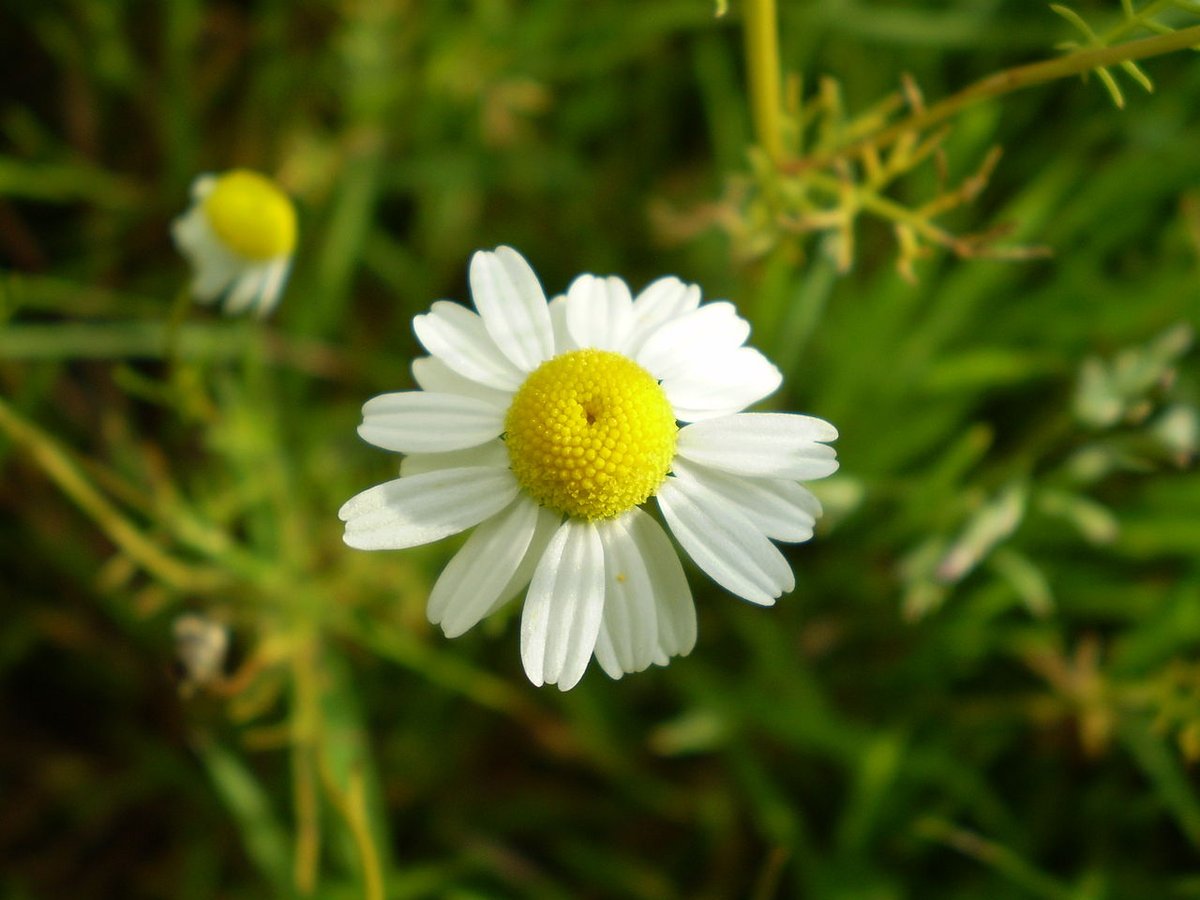
Chucena - Flickr
Andalucía · Passion & Soul

Chucena

The church bell strikes seven and the mechanical hum of the olive mill stops dead. In Chucena, this is the evening routine: work ends when the bell...

2,306 inhabitants · INE 2025
147m Altitude

Why Visit

Church of the Estrella Wine tourism

Best Time to Visit

autumn

Wine Fair (September) agosto

Things to See & Do
in Chucena

Heritage

  • Church of the Estrella
  • Alcalá estate
  • Thousand-duros pine

Activities

  • Wine tourism
  • Bike routes
  • Grape-juice tasting

Festivals
& & Traditions

Fecha agosto

Feria del Vino (septiembre), Fiestas de la Virgen de la Estrella (agosto)

Las fiestas locales son el momento perfecto para vivir la autenticidad de Chucena.

Full Article
about Chucena

A farming village on the edge of Seville, known for its wine and olive oil; vineyards and olive groves shape the quiet life of its people.

Ocultar artículo Leer artículo completo

The church bell strikes seven and the mechanical hum of the olive mill stops dead. In Chucena, this is the evening routine: work ends when the bell says so, not when the inbox is clear. British visitors used to 24-hour everything often find the silence unsettling at first, then oddly addictive.

At 147 metres above sea-level, the village sits just high enough to catch the Atlantic breeze that drifts inland from the Huelva estuary, 35 km away. The air smells of crushed olives and woodsmoke instead of salt, but the horizon still glints silver where the ocean lies. It is countryside, not coast, yet the link to the sea is everywhere: the white prawns on every bar counter, the weekenders in UK-plated cars heading home from coastal second homes, the lorry drivers who leave at 4 a.m. with crates of early potatoes for the ferry at Santander.

A grid of white walls and green shutters

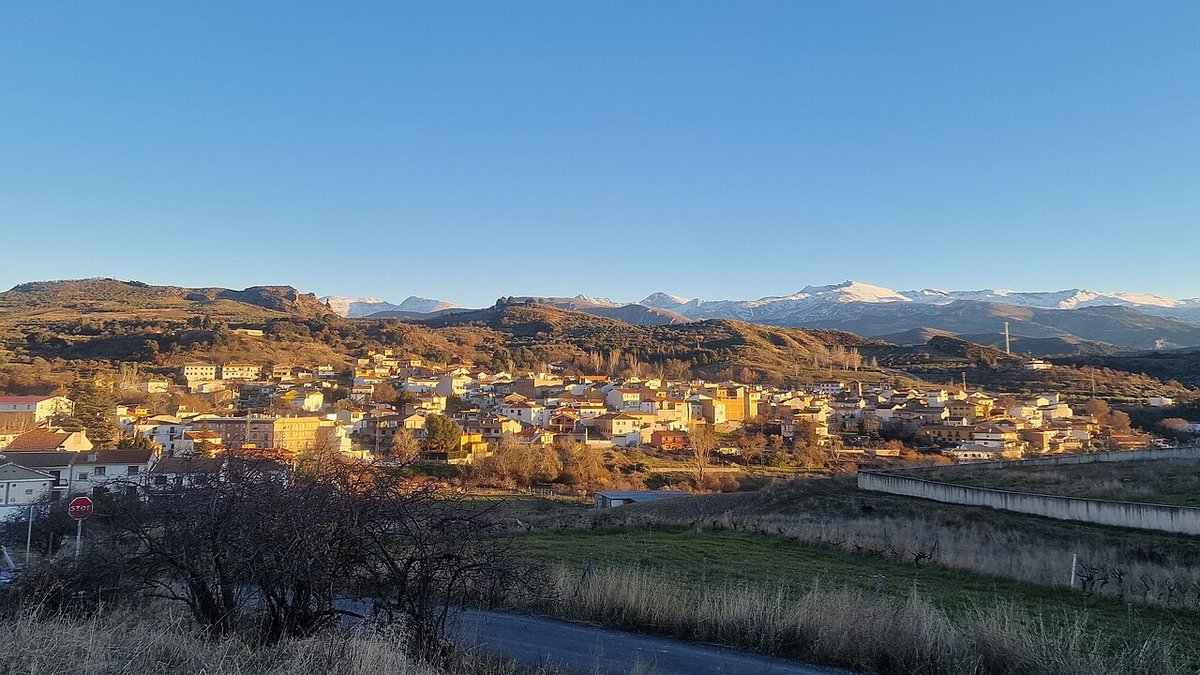
Chucena’s layout is ruthlessly practical. Four main streets run parallel, linked by short alleys wide enough for a mule cart and little else. Houses are cuboid, whitewashed, with terracotta roofs and wrought-iron grilles painted the same shade of racing-green. The only curve in town is the neo-mudejar arch on the 1920s school, now the library. Even the Plaza de España is rectangular: no ornamental fountain, just a raised platform where the band sets up for fiestas and where old men play cards on collapsible tables they store in the ayuntamiento cloakroom.

The parish church of San Bartolomé anchors the north side. Its tower is the tallest thing for miles and the stone has turned the colour of weak tea from all the dust blown off the surrounding olive groves. Inside, the nave is refreshingly plain: no gilded excess, just a single Baroque retablo and a side chapel dedicated to the Virgen de los Remedios, patron of the local agricultural co-op. Mass is still broadcast on external speakers at noon; if you’d rather skip the sermon, plan your supermarket run for 12:05.

What you’ll actually eat

Forget tasting menus. Lunch is whatever María has stewing when you walk into Bar Cristina on Calle Real. That could be lentils with morcilla, chickpeas thickened with spinach, or a plate of migas—fried breadcrumbs—studded with bits of chorizo so smoky they make Spanish paprika feel shy. A media ración costs €6 and arrives with a basket of industrial white bread that somehow works as a sponge for the oil. Vegetarians get a plate of pisto (pepper and aubergine ratatouille) and directions to the nearest supermarket for emergency hummus.

Evenings belong to jamón. The local shoulder-cut, ibérico de cebo, is €4.50 a plate at Bar El Molino, the one with the pool table and the signed photo of the 2010 Spain squad. Order a glass of Condado de Huelva white—zesty, under a fiver—and you’ll be welcomed into conversations about Brexit crop subsidies before the second pour. English is patchy; a smile and the phrase “¿Qué me recomienda?” oil more wheels than Google Translate ever manages.

Walking without way-markers

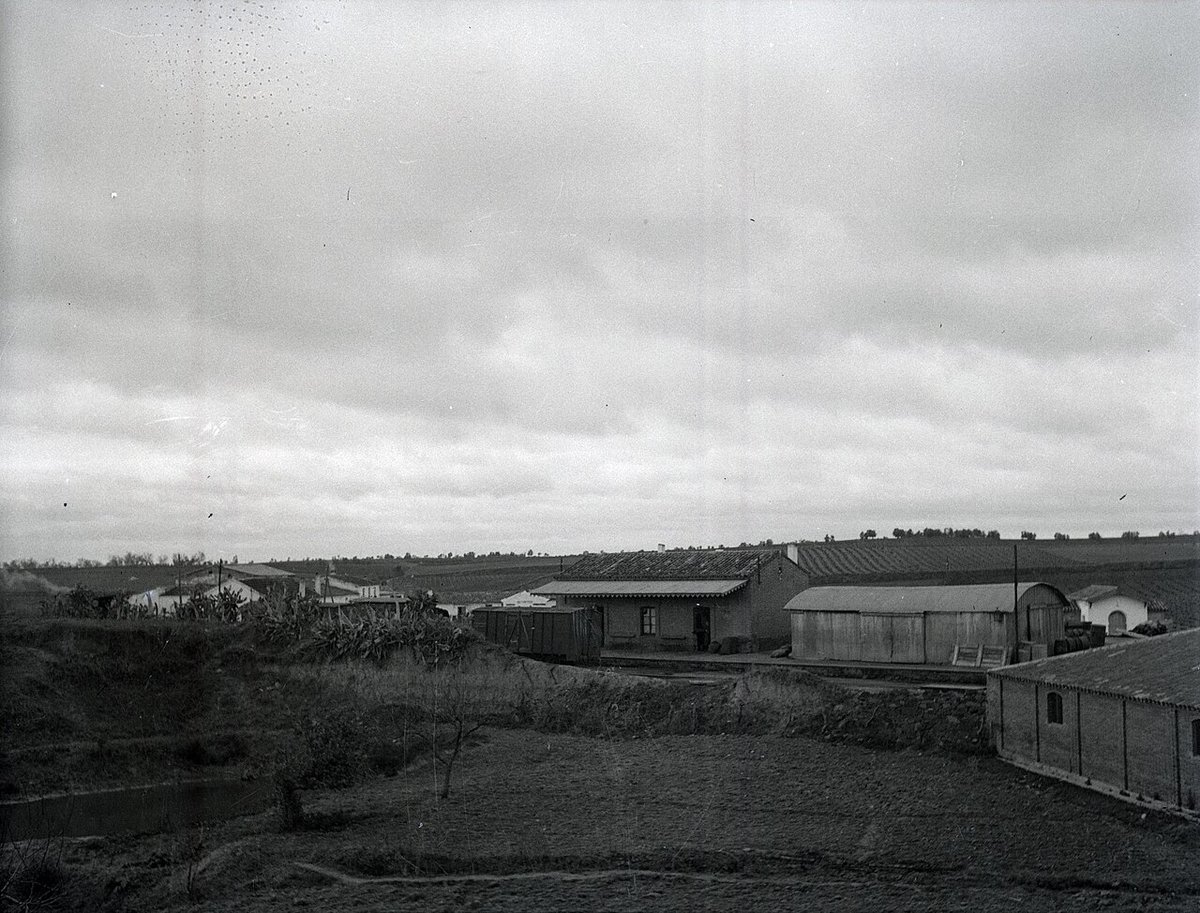
There are no souvenir shops, so the default activity is walking. A 5-km loop leaves the southern edge of town on a concrete farm track, ducks between olive rows, and circles back past the derelict railway halt where the Seville–Huelva line used to stop in 1984. The path is flat, shadeless, and hypnotic: every olive trunk is the width of a dinner table, and the silver-green canopy flickers like faulty neon in the breeze. Take water; the only bar en route is a weekend-only venta that keeps sporadic hours dictated by the owner’s hip operation.

Serious hikers can push east to the edge of the Sierra de Huelva, 12 km away, but you’ll need a car drop or a willingness to march along the A-472 hard shoulder. British drivers used to narrow Cotswold lanes will find the road eerily empty; locals overtake at 100 km/h on bends because they know every pothole by name.

When the harvest turns into a party

Visit in late November and the village smells of fresh-cut grass and olive sap. Tractors towing plastic crates queue outside the co-op mill on Calle Nueva; the whirr of the centrifuge continues until the small hours. December’s Fiesta del Aceite Nuevo turns the mill into an open kitchen: tostadas—doorstep slabs of country bread—are handed out faster than beer at a rugby match, each one rubbed with tomato, sprinkled with salt, and drowned in oil so bright it looks like liquid emerald. Children get a sugar-rush version, the oil replaced by thick hot chocolate. Tourist numbers? Maybe forty outsiders, half of them Brits en-route to the ferry who saw the sign and swerved in. No tickets, no wristbands, just turn up at 11 a.m. and follow your nose.

Spring brings the Romería de San Isidro in May. Locals pile onto flat-bed trailers, picnic baskets between their feet, and process five kilometres to a clearing in the dehesa oak forest. The journey takes two hours because the tractor drivers stop for beers. If you hire a bike from the hotel and tag along, expect impromptu sherry refills and a lesson in sevillanas that will shame your Strictly knowledge forever.

Practical stuff that matters

Chucena is 73 km west of Seville airport, a straight dash down the A-49. Car hire is essential: there is no railway, the bus from Huelva runs twice daily and refuses large suitcases, and a taxi from the airport clocks in at €110 each way—more than a week’s car rental with full insurance. Parking is free everywhere; the policia local will move on anyone who blocks a farm gate, but otherwise no-one cares.

Stay at the AS Hotel on the eastern bypass. It’s a functional three-star built around a courtyard pool that catches the afternoon sun. Doubles are €55–€65 year-round, including decent Wi-Fi and a breakfast of churros, squeezed orange juice, and coffee that doesn’t insult the beans. Rooms at the back overlook olives; those at the front get the sunrise over the municipal football pitch. The on-site restaurant shuts at 22:30 sharp—guests have been known to sprint from the shower to beat the kitchen curfew.

Shops observe the classic siesta: open 09:00–14:00, closed until 17:30, then back until 20:30. Plan accordingly or you’ll be making dinner from crisps and sliced loaf from the petrol station. ATMs are in the plaza; both charge €1.50 per withdrawal and sometimes run out of cash on fiesta weekends. Mobile coverage is patchy in the groves; Vodafone and EE cope, O2 gives up.

The honest verdict

Chucena will never feature on a glossy “Top Ten Andalusian Villages” list, and the locals prefer it that way. It offers a slice of Spain that package tours skip: an agricultural town where the bar owner remembers how you like your coffee, where the evening entertainment is a plastic chair outside your front door watching tractors trundle home. Come if you need a pause between Seville’s cathedral queue and the coast’s inflatable dolphins. Don’t expect Instagram gold—expect a quiet grid of white houses that smells of olives and sounds of gossip drifting across the street at dusk. Stay two nights, fill your boot with a five-litre can of oil that costs less than a London round, and leave before the silence becomes too tempting.

Key Facts

Region
Andalucía
District
Condado de Huelva
INE Code
21030
Coast
No
Mountain
No
Season
autumn

Livability & Services

Key data for living or remote work

2024
ConnectivityFiber + 5G
TransportTrain nearby
HealthcareHealth center
EducationElementary school
Housing~6€/m² rent · Affordable
Sources: INE, CNMC, Ministry of Health, AEMET

Official Data

Institutional records and open data (when available).

  • Iglesia de Nuestra Señora de la Estrella
    bic Edificio Religioso ~1.3 km
  • Ermita de la Divina Pastora
    bic Monumento ~1.3 km

Planning Your Visit?

Discover more villages in the Condado de Huelva.

View full region →

More villages in Condado de Huelva

Traveler Reviews