Full Article
about Manzanilla
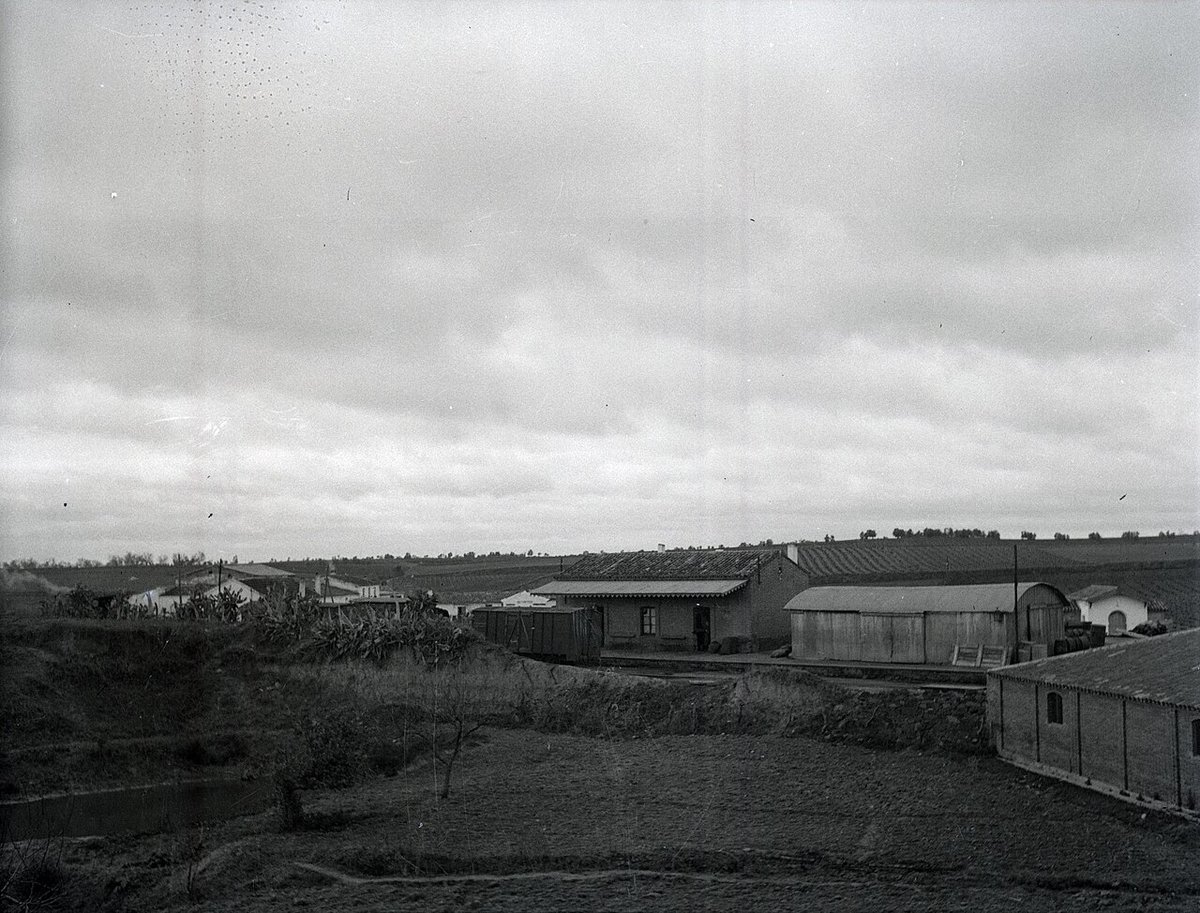
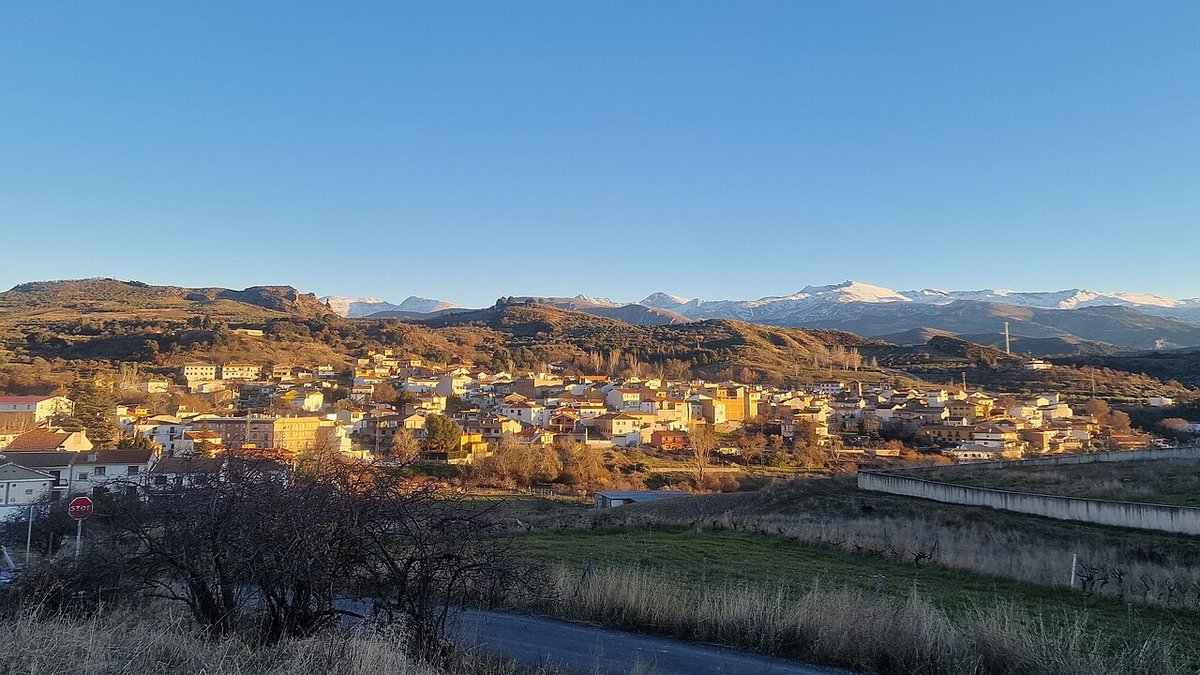
A wine-making town with classic Condado architecture, noted for its wineries and the fairground that hosts an old royal fair.
Ocultar artículo Leer artículo completo
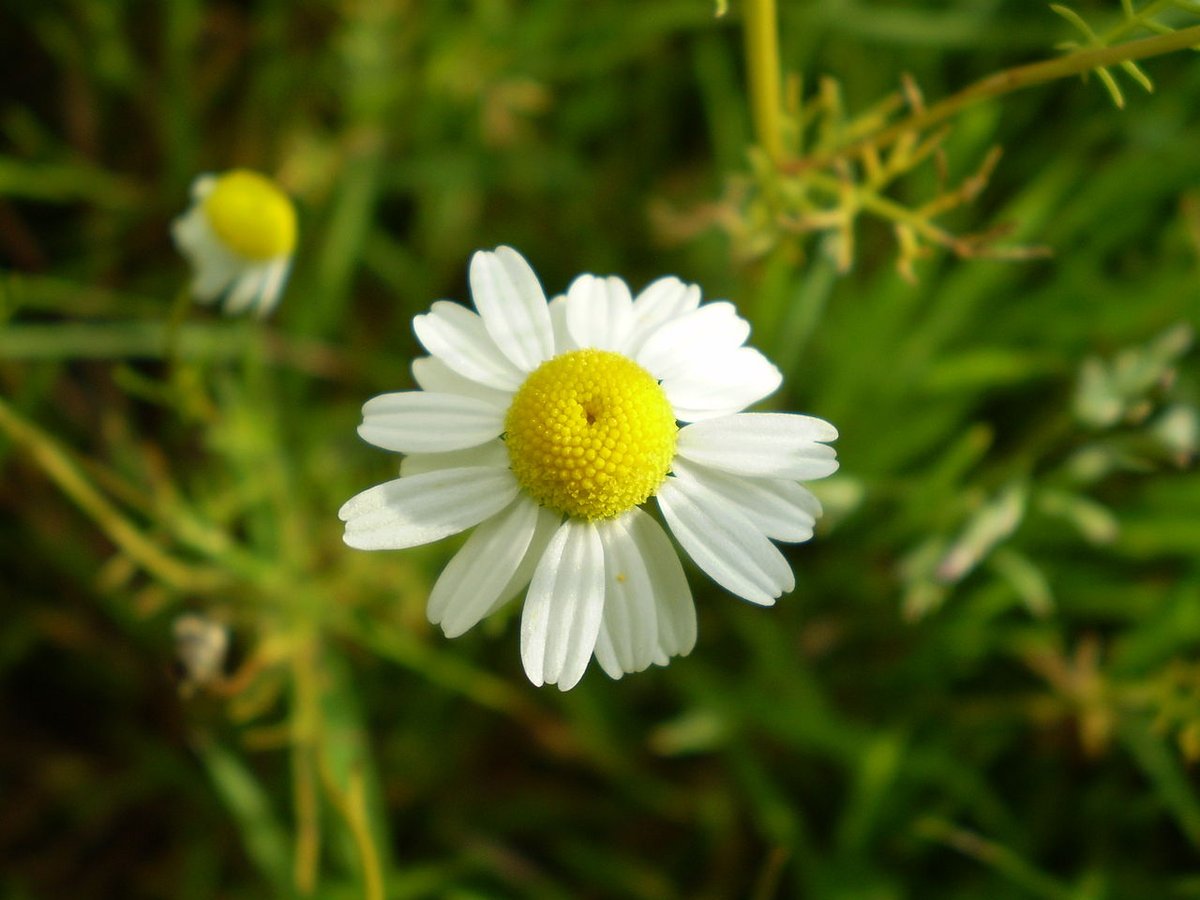
The first thing that confuses most Brits is the name. Order "manzanilla" anywhere else in Spain and you'll get a soothing cup of chamomile. Do it here, 30 km north-east of Huelva, and a glass of bone-dry, sea-salty sherry lands in front of you—no kettle involved. Manzanilla the village and manzanilla the wine share a label, yet the drink is actually aged down on the Atlantic coast in Sanlúcar de Barrameda. The village simply borrowed the word centuries ago, probably because the wine passed through on its way inland. Linguistic mix-ups are part of the fun; just don't expect a brew.
A grid of white walls and fermenting air
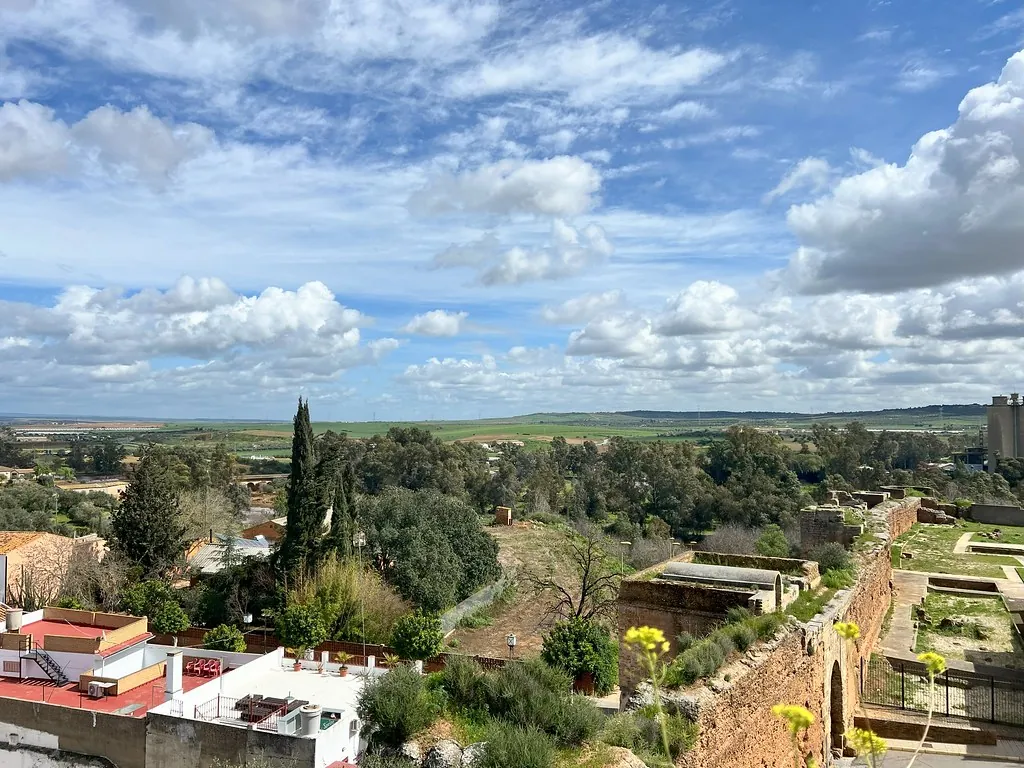
Manzanilla sits at 175 m above sea level on a rolling plain known as the Condado de Huelva. The surrounding landscape is a chessboard of low-trained vines, silvery-leafed olive groves and the chalky white soil locals call albariza. When the wind lifts, which it does most afternoons, the air smells less of flowers and more of grape must—sharp, sweet, slightly alcoholic. Walk the narrow lanes at the right moment and you can peer through open doors into private patios where stacked sherry butts rise like dark timber towers. Nobody will shoo you away; nobody will invite you in either. This is a working town, not a stage set.
The centre is small enough to cross in ten minutes, yet hilly enough to make calf muscles notice. Houses are whitewashed annually, so glare is fierce until late afternoon; bring sunglasses even in February. The 16th-century Iglesia de Nuestra Señora de la Paz squats at the top of the slope, its brick bell-tower useful as a compass if you get disorientated among the identical streets. Inside, the retablos are heavy with gold leaf and the side chapel smells perpetually of beeswax and old incense. Sunday Mass is at 11 a.m.; visitors are welcome, but cameras off during the consecration—flash photography earns sharper glares than any sermon.
How to drink properly
Three family bodegas accept pre-booked groups: Bodegas Iglesias, Bodegas Rodríguez and the cooperative San Isidro. None offers multimedia shows or gift shops the size of an airport lounge. Instead you get a short walk among 200-year-old stone tanks, a quick lesson on the flor yeast that forms like a grey crêpe on the wine's surface, and three generous pours. Standard tastings cost €8–€12 and usually include a 3-year-old fino, a nuttier amontillado and a sticky Pedro Ximénez that tastes of liquid Christmas pudding. Spittoons are provided; using them is politely ignored. Drivers can take bottles away for the same price the locals pay—around €5 for a basic 75 cl.
If you simply want a glass without the commentary, Bar Casa Paco on Plaza de España pulls the freshest fino in town. Order a media ración of prawns sautéed in garlic and you'll be charged €7; the wine is €1.50 a glass. Siesta shutters come down at 3 p.m., so arrive before or after. British-style pub hours do not exist.
Flat trails, big skies
The countryside around Manzanilla is field-scale rather than mountain-wild, yet walkers still get space. A signed 12-km loop, the Ruta de los Viñedos, heads south-west from the cemetery gate along farm tracks used by tractors with tyres taller than a labrador. Spring brings waist-high poppies and the clack of stone curlews; in September the vines flame red and pickers' vans line the verges. Gradient is negligible, but the open terrain offers no shade—carry water even in April. Cyclists can borrow bikes from the municipal sports centre for €10 a day; ID required, helmets provided, opening hours patchy.
Serious hikers sometimes complain that the horizon is always farmland. They're missing the point: the appeal here is light and scale. At dawn the albariza soil reflects the sky like pale plaster, so rows of vines seem to float. Photographers should position themselves on the ridge above the town's water deposit; sunrise is 7:30 a.m. in late October, 6:15 a.m. in May. Tripods are fine, but private land starts at the fence line—trespassing earns a brisk telling-off in rapid Andalusian Spanish.
What lands on the plate
Restaurants are thin on the ground; locals eat at home. Your best bet is Mesón El Cazador on Calle Real, a no-frills dining room with lace curtains and a TV showing horse jumping on loop. The gazpacho is thick enough to stand a spoon in, served in a jug so you can thin it with water or vinegar as you please. Migas—fried breadcrumbs with chorizo and peppers—arrives in a ceramic dish the size of a satellite dish; half portions are perfectly acceptable and cost €6. Rabbit in salmorejo (a vinegary marinade, not the cold tomato soup) tastes like gamey fried chicken and pairs surprisingly well with a chilled glass of dry white from the Condado.
Vegetarians survive on tortilla and asparagus. The latter appears in April; stalls by the roadside sell bundles of wild trigueros, charcoal-grilled and doused with olive oil for €3. Sweet-tooths should track down the nuns at the closed-order convent on Calle Ancha. Ring the bell, ask for "dulces", wait while a revolving wooden hatch delivers almond polvorones that crumble like shortbread. No dialogue necessary; prices are scribbled on a card.
When to come, when to stay away
Spring and autumn give warm days (22 °C) and cool nights (12 °C) without the furnace blast of July, when temperatures can touch 42 °C and the streets empty between 1 p.m. and 7 p.m. Winter is quiet—some bodegas close entirely in January—and night-time can dip to 4 °C, so pack a fleece even if daytime feels T-shirt-friendly. Rain is scarce but torrential; if puddles appear, drainage is poor and the cobbles turn slippery as soap.
Accommodation is limited. Hotel Rural Las Vegas has eight rooms in a converted 19th-century house, beams intact, Wi-Fi intermittent, doubles from €65 including breakfast of toast, olive oil and strong coffee. There is no swimming pool; the nearest beach is 45 minutes away at Punta Umbría, so this is not a fly-and-flop destination. Book ahead during the Fiesta del Vino in mid-August, when the population triples and every spare room is rented to distant cousins.
Getting here without tears
Manzanilla is 110 km from Seville airport, mostly on the A-49 motorway. Hire cars are cheapest booked in advance from the UK; allow €70 for three days plus fuel. Public transport is doable but leisurely: take the airport bus to Seville's Plaza de Armas station, then the DAMAS coach to Huelva (hourly, 1 h 15 min), followed by a local bus to Manzanilla (three daily, 45 min). Total journey time: around four hours, so pack a podcast. Taxis from Huelva cost €40 if you haggle; Uber barely exists this far west.
Parting shot
Manzanilla will not change your life. You will not tick off Unesco sites or fill memory cards with Moorish palaces. What you will get is an unfiltered taste of a rural wine economy that still starts work at dawn, closes at lunch, and greets strangers with a nod rather than a selfie stick. If that sounds too quiet, stay in Seville. If it sounds like a breather from the Costa noise, come on a Tuesday in late April, order a fino, and listen to the must fermenting somewhere behind the houses. Just remember: ask for tea and you'll confuse everyone—including yourself.