Full Article
about Casares
Spectacular cliff-top village, birthplace of Blas Infante, blending a mountain old town with a stretch of coast and golf courses.
Ocultar artículo Leer artículo completo
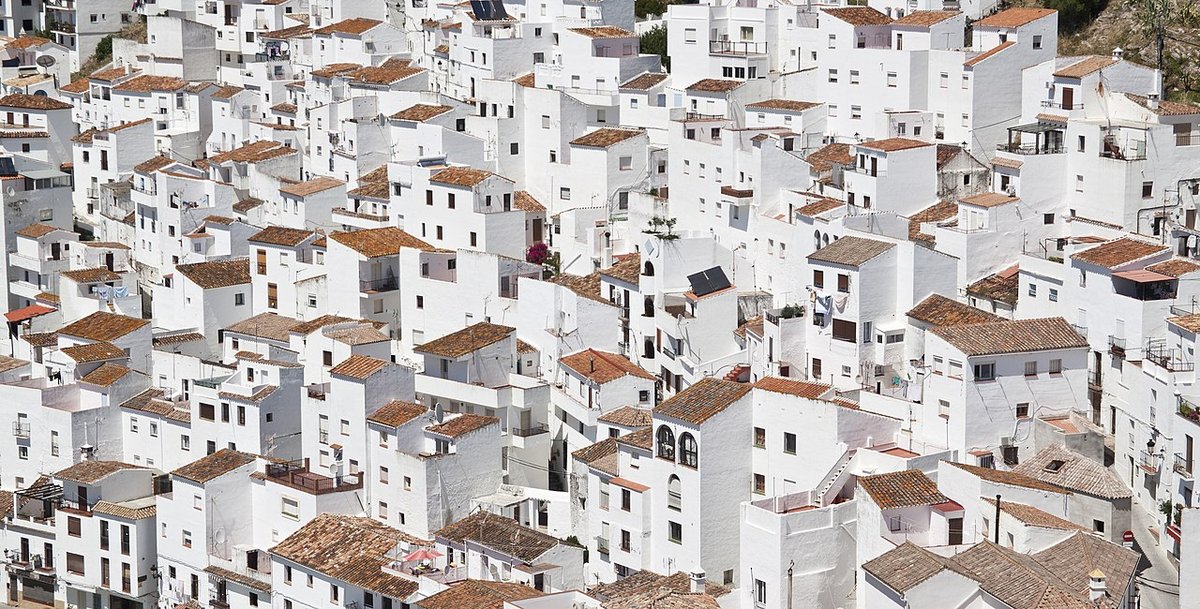
At 435 m above the Mediterranean, the village of Casares spills down a crag like spilled sugar cubes. One moment the streets feel almost vertical; the next they open onto a balcony where griffon vultures glide beneath your feet. From here you can trace the line of the coast 15 km south, pick out the Rock of Gibraltar 40 km west and, on very clear winter mornings, catch the ghostly silhouette of Morocco. It is the sort of view that makes you check your map twice.
Between the sierra and the sea
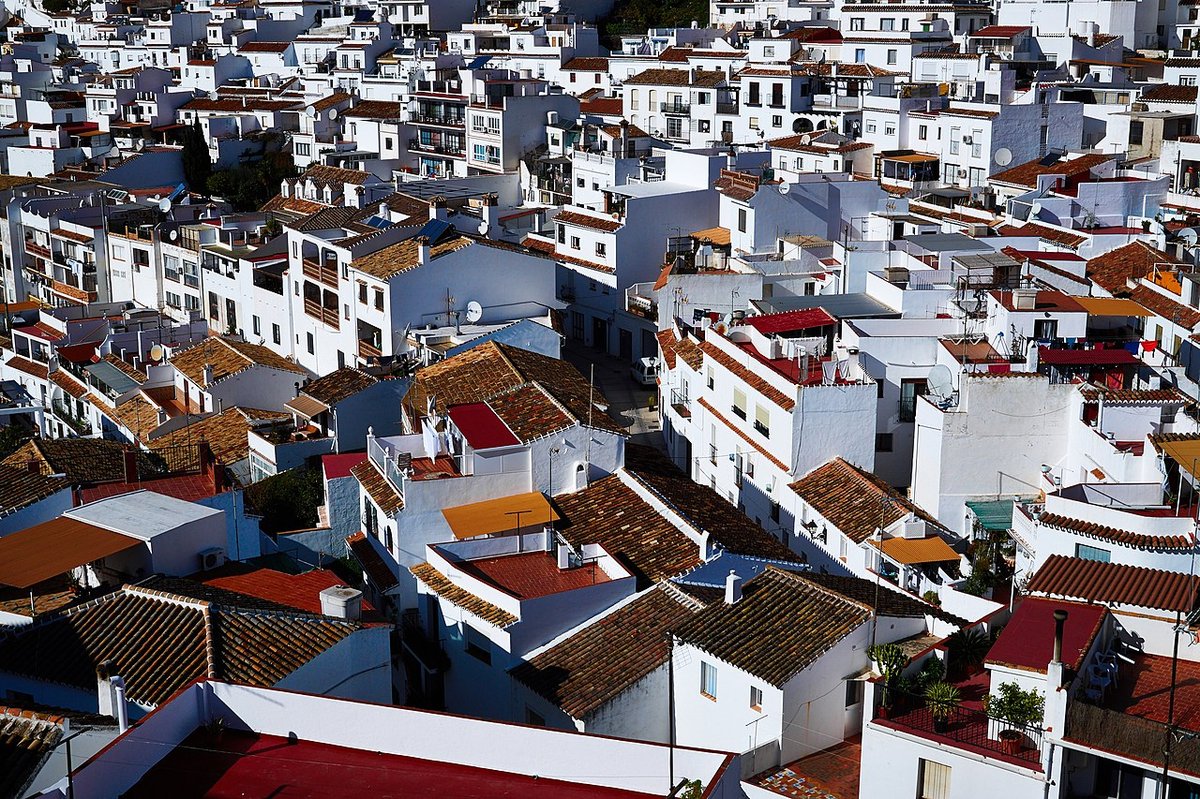
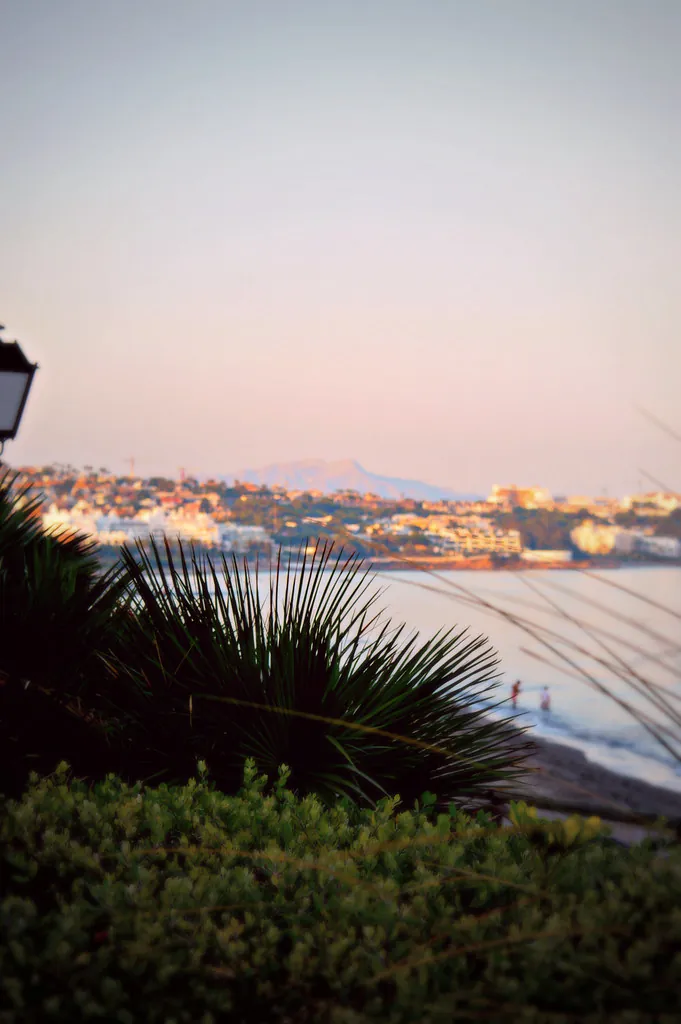
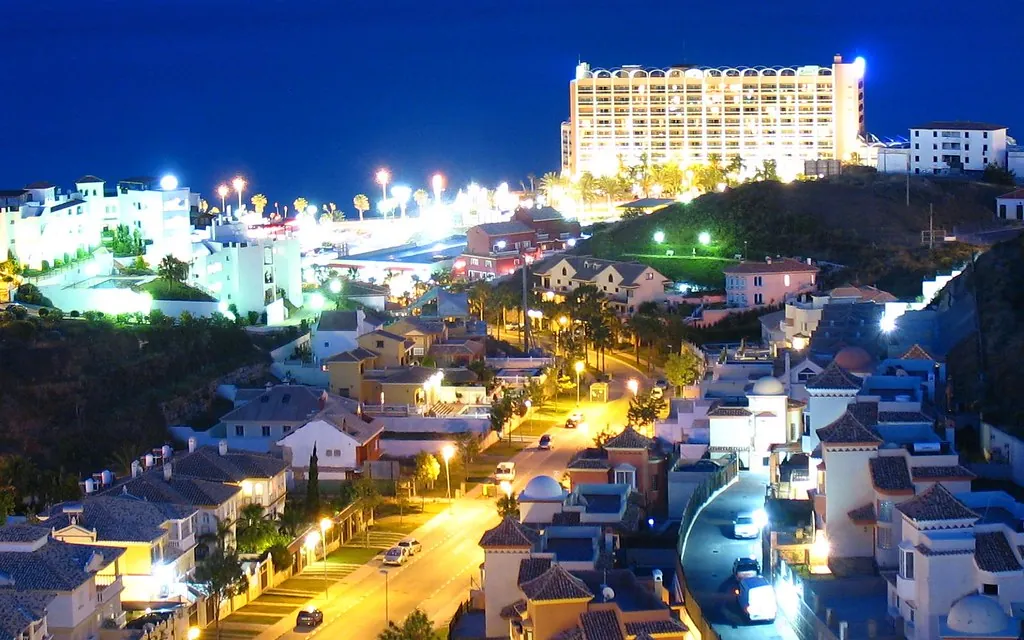
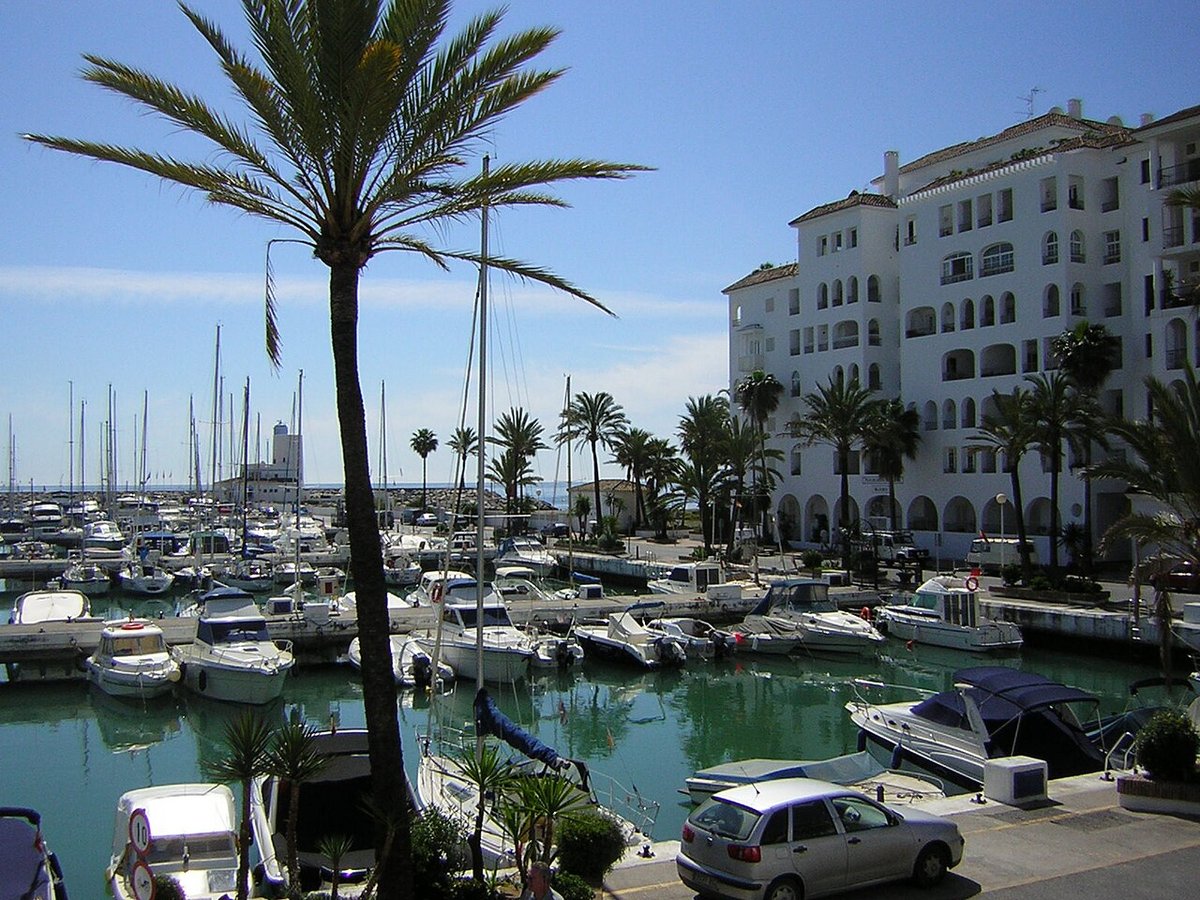
Casares belongs to Málaga province, yet it behaves more like an Andalucían hybrid. The historic quarter, declared a Site of Cultural Interest in 1973, keeps the tight weave of an inland mountain settlement: whitewashed walls, roof terraces angled for rainwater and alleys barely two shoulder-widths across. Drive a quarter of an hour downhill on the MA-8300 and you hit Casares Costa, a low-key strip of apartments, chiringuito bars and the sandy crescent of Playa de la Sal. The beach rarely fills even in August, partly because most sun-seekers stop 12 km earlier at the louder resorts of Estepona.
The altitude gap creates two micro-climates. Summer afternoons on the coast can nudge 34 °C while the village plaza still catches a breeze. In January the reverse is true: the coast stays mild at 16 °C, but night up in the village drops to 5 °C and the wind whistles through the castle battlements. Pack a fleece whatever the season.
A castle, a church and a birthplace
The 12th-century Castillo de Casares crowns the summit. Only fragments of the original Moorish walls and one rebuilt tower survive, yet the strategic perch explains why the Nasrids hung on here longer than in many neighbouring towns. Entrance is free and open 24 h; arrive at first light and you may share the ramparts only with the vultures.
Fifty metres downhill, the Iglesia de la Encarnación occupies the site of the former mosque. Its single-nave interior is plain apart from a gilded altarpiece and a Mudéjar-style tower that once doubled as a defensive lookout. Opening hours are erratic—Tuesday to Friday 11:00–13:00 is your safest bet—because the building now hosts exhibitions rather than daily mass.
Around the corner, the Casa Natal de Blas Infante has been converted into a small museum devoted to the man who drafted Andalucía’s first autonomy statute in 1918. Admission is €2; labels are in Spanish only, but the English leaflet summarises his campaign for regional self-rule and his execution by Franco’s forces in 1936.
Walking on the slant
There is no level ground in Casares. Cobbled lanes such as Calle Villa climb at gradients that would shame a Cotswold fell runner. Comfortable trainers are essential; anyone with dodgy knees should park in the upper car park (follow signs for “Castillo”) rather than attempting the 90 m climb from the main roundabout. The reward is a 45-minute loop that threads from Plaza de España past the 18th-century Fuente de Carlos III, up to the castle and back down via Calle Arquillo, where bougainvillea drips off terracotta pots and housewives lean from windows to exchange gossip.
For something longer, the signed Ruta de los Molinos follows the Albarrá stream past six ruined watermills. The 6 km circuit takes two hours and ends at a small picnic clearing shaded by eucalyptus. Serious walkers can continue into the Sierra Bermeja, whose red-tinged peridotite peaks rise to 1,450 m. Spring is best for orchids and Spanish ibex; July is simply too hot to enjoy anything except an early-morning start.
Eating: goat, garlic and gazpacho
Food in Casares is mountain fare rather than beach fare. Weekend asadores advertise cabrito asado—kid goat slow-roasted with bay and garlic—at €18 a portion. The local gazpacho is thicker than the Cordoban version, more like a chilled stew, and arrives topped with diced apple for sweetness. For cautious palates, Bar El Castillo by the tower does a three-course menú del día for €12 including coffee; choices run to grilled chicken, chips and a respectable tortilla. Down on the coast, chiringuito La Sal will fry anything that swam past that morning; a plate of boquerones (fresh anchovies) and a beer still costs under €10.
When to come, how to leave
Spring and autumn deliver warm days (22–26 °C), empty streets and hotel rates 30 % below summer. Easter is busy—processions squeeze through the alleys and every balcony sprouts red carnations—but worth seeing if you can book early. July and August turn the village into a kiln; sightseeing is best finished by 11 a.m. before retreating to the coast or the hotel pool.
Casares sits 100 km from Málaga airport, 55 km from Gibraltar. A hire car is the least painful option: take the A-7 west, exit at Casares-Manilva and follow the A-377 uphill for 15 km. Public transport exists but demands patience. The Avanza bus from Málaga to Estepona (1 h 20 min) connects with the infrequent M-220 local bus to Casares—two services morning, two afternoon, none on Sunday. Miss the return and a taxi from Estepona costs about €35.
The quiet caveat
Casares is not for nightlife hunters. After 22:30 even the bars around Plaza de España lower their shutters, and the only sound is the clack of migrant storks landing on the church tower. Some visitors relish the hush; others find the village “closed” and complain of curt service. Politeness can be formal rather than effusive—basic Spanish greetings go a long way.
Come with binoculars, sturdy shoes and a taste for steep alleys and you will understand why the 2022 Lonely Planet guide slapped Casares on its front cover. Come expecting souvenir stalls and late-night flamenco and you may leave early. The village offers space to breathe, little else—and for many travellers, that is exactly enough.