Full Article
about Manilva
Bordering Cádiz, known for its seaside Muscat vineyards and Puerto de la Duquesa.
Ocultar artículo Leer artículo completo
The first clue that Manilva isn't quite like its eastern neighbours comes at the petrol station on the A-377. While other Costa villages greet visitors with estate agents' boards, here the billboard advertises "mosto y pasas" – grape must and raisins – from the local cooperative. It's a small rebellion against the concrete coastline, and it sets the tone for a municipality that hasn't quite decided whether it's a fishing port, wine village, or expat haven.
Between Vineyard and Sea
Manilva sits 128 metres above the Mediterranean, close enough that the afternoon levante wind carries salt spray up the valley to the vineyards. These Moscatel grapes, planted on terraces hacked from limestone, produce a sweet wine that locals mix with lemonade for summer tinto de verano. The harvest festival each September features barefoot treading in stone lagares – no ticket required, just turn up with a plastic cup. British residents, who make up about a third of the population, have learned to arrive early; the free-flowing wine runs dry by 3pm.
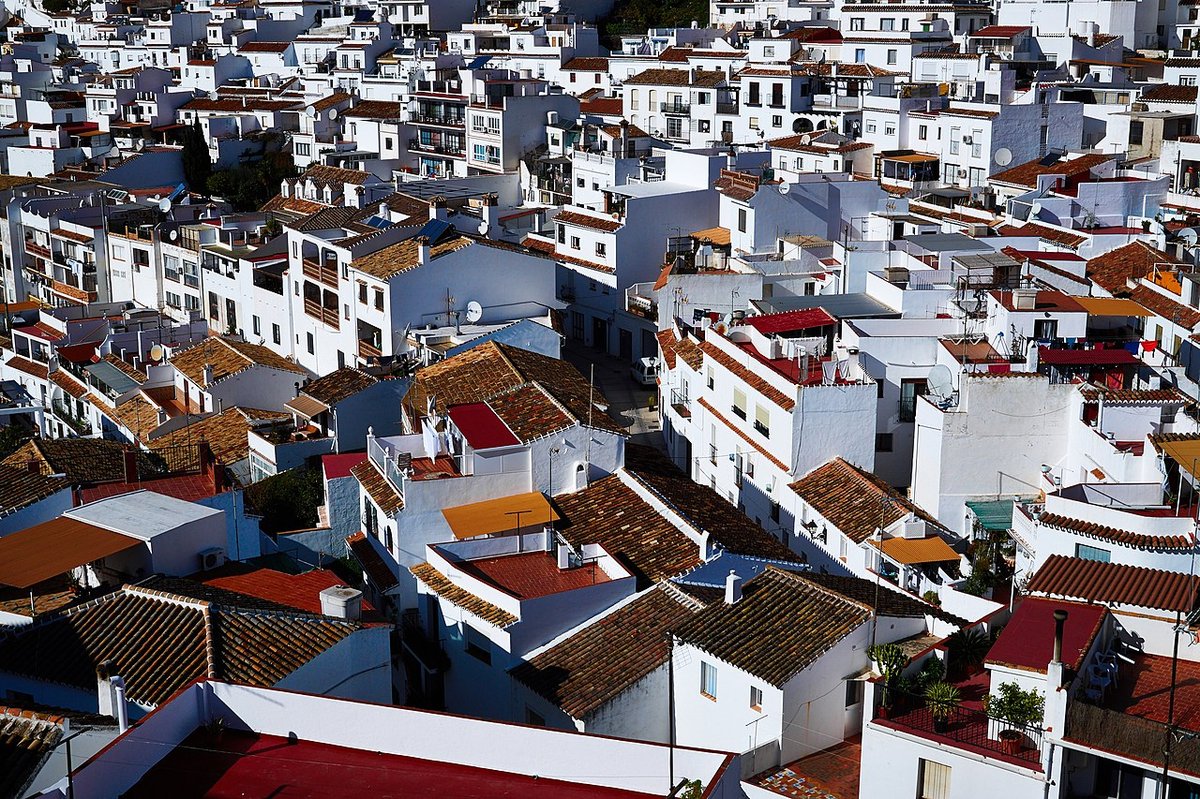
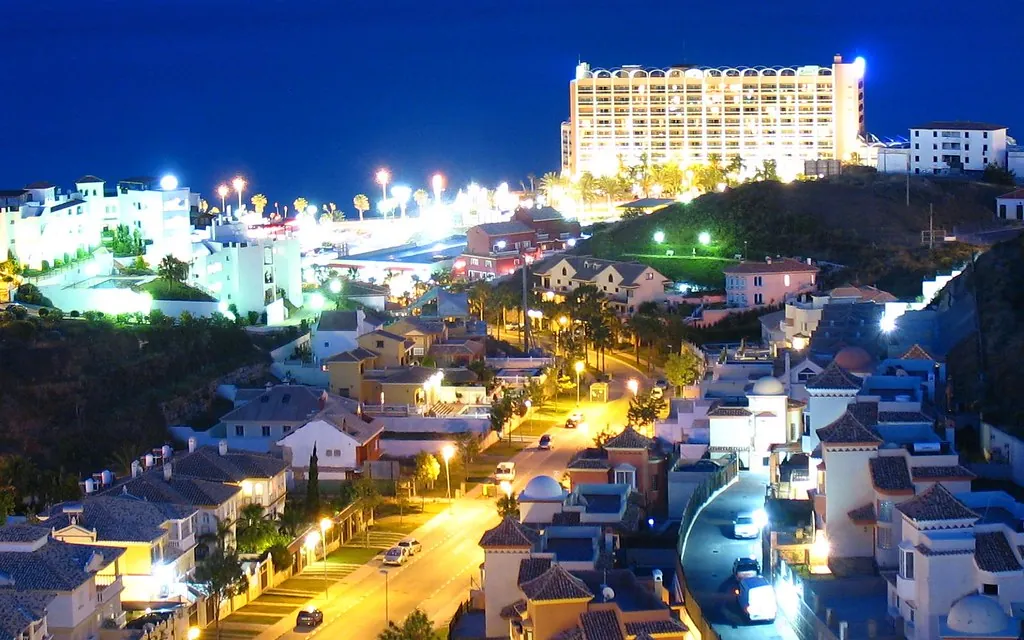
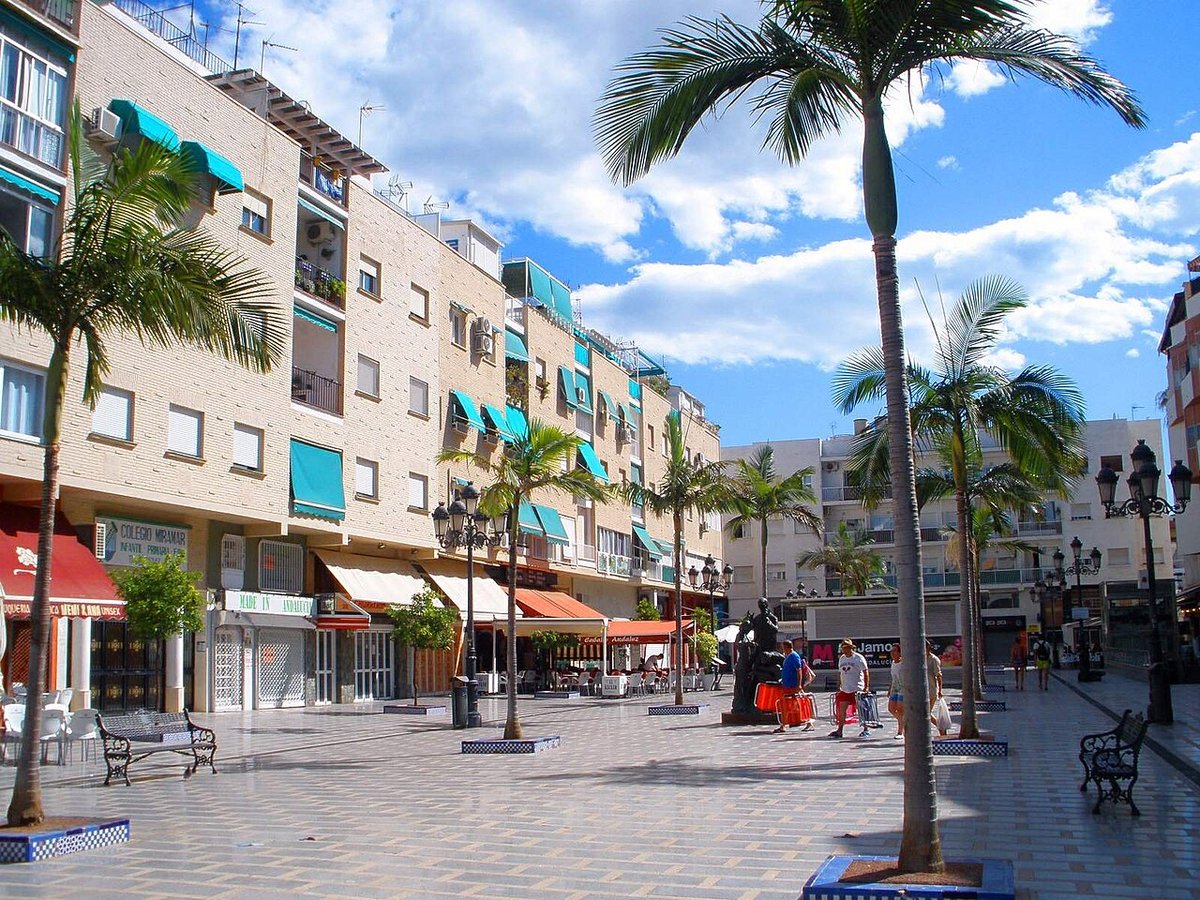
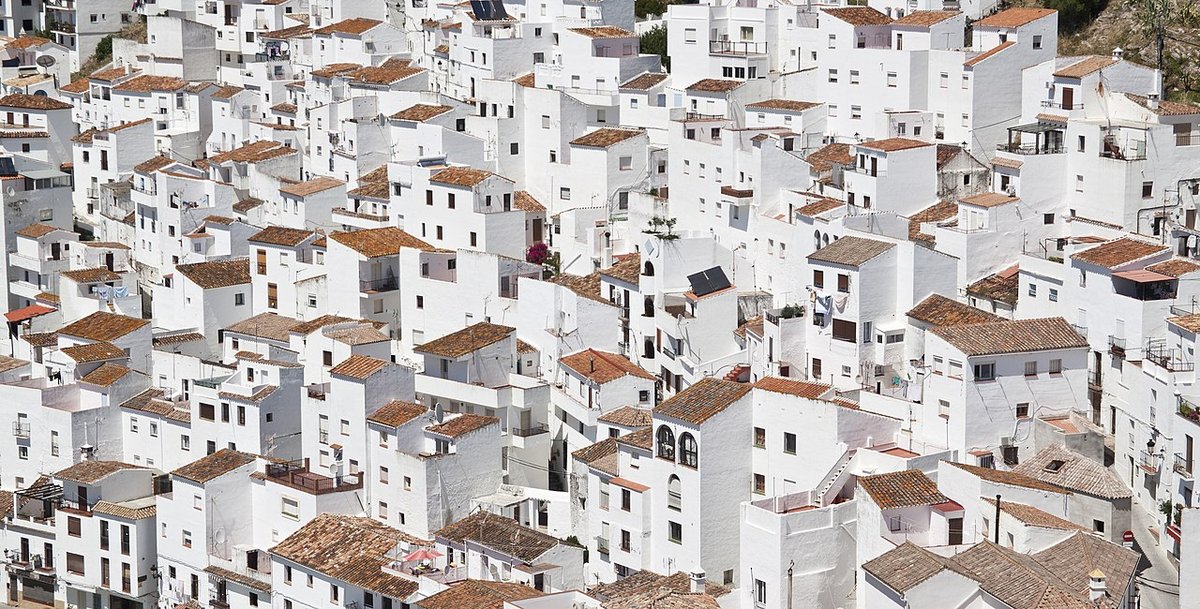
The geography splits the municipality into two distinct worlds. Up the hill, the original white village clings to a ridge, its 16th-century church of Santa Ana watching over narrow lanes where washing hangs from wrought-iron balconies. Down below, Sabinillas spreads along four kilometres of coastline in a low-rise sprawl of cafés and apartment blocks. The two centres lie barely five kilometres apart, but the drive feels longer thanks to a winding road that passes avocado farms and the occasional abandoned villa, its garden gone wild with bougainvillea.
What the Brochures Don't Mention
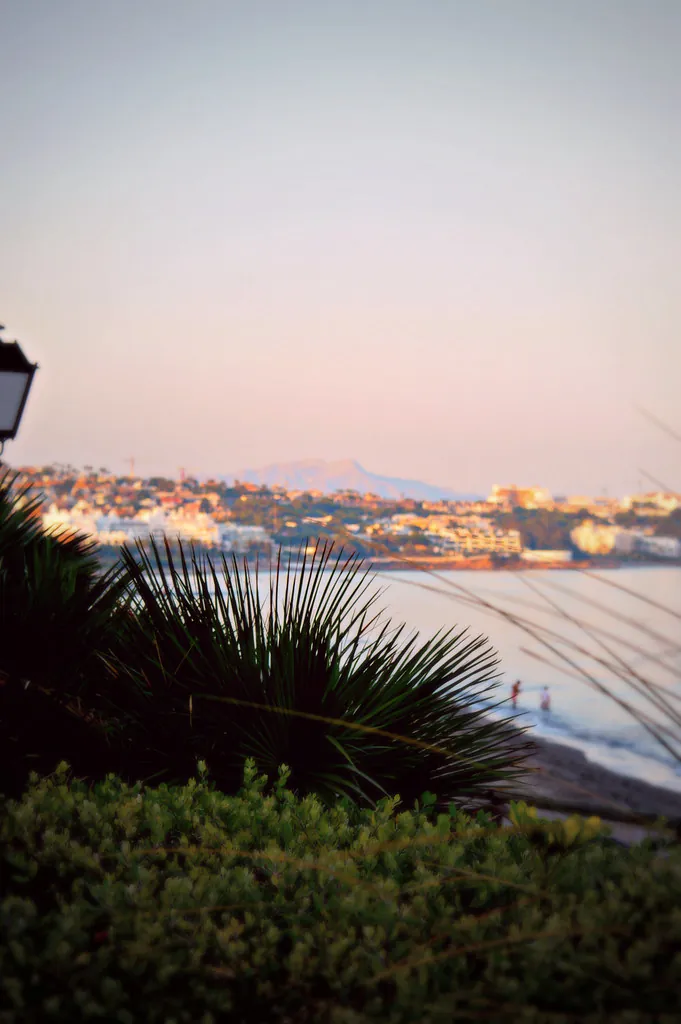
The beaches here survive without the imported sand of Puerto Banús. Playa de Sabinillas offers dark, coarse grains that get properly hot by midday – bring flip-flops or perform the British dash across burning sand. The promenade, wide enough for mobility scooters to pass in both directions, fills with dog-walkers and joggers from 7am. By late afternoon, the wind can whip up whitecaps; swimmers emerge with goose-pimpled arms even in August. Locals know to pack a rash vest, though they'll politely pretend not to notice when tourists turn blue.
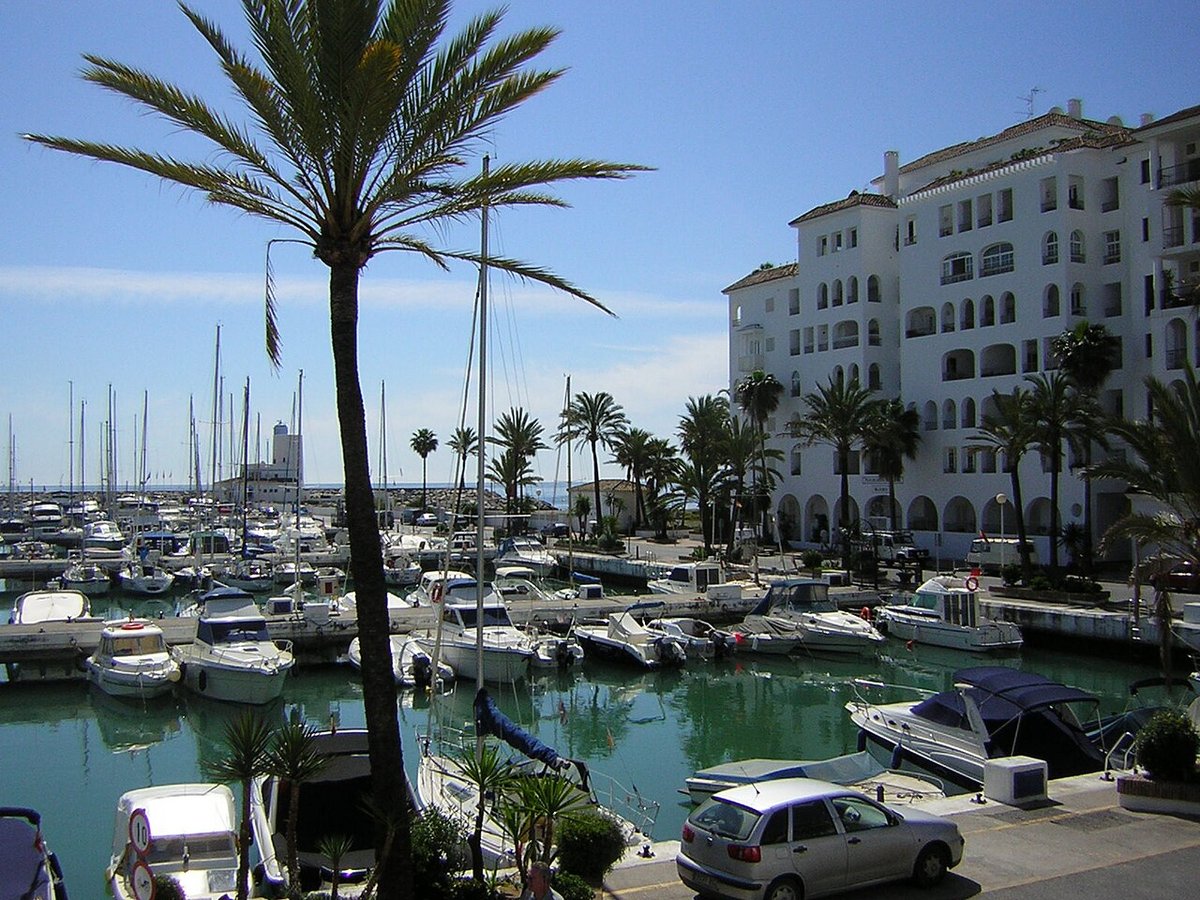
Duquesa marina, five minutes west, trades super-yachts for 20-foot fishing boats. The bars serve full English breakfasts until 2pm, but venture onto the breakwater at dawn and you'll see Spanish crews unloading boquerones for the evening's pescaíto frito. Prices run about 30% cheaper than Estepona: a café con leche costs €1.50, a pint of San Miguel €2.80. The castle next door, built in 1767 to deter North African pirates, now hosts craft fairs where German potters sell mugs to retired Scousers.
Walking Off the Wine
The so-called Ruta de los Viñedos sounds gentle until you realise "undulating" translates as "thigh-burning". The 8km loop starts from the village cemetery – park by the football pitch where Saturday matches draw crowds of 50, including the mayor. Yellow arrows lead past century-old vines trained low to catch sea breezes. On clear days, Morocco's Rif mountains float like a mirage across 60km of water. Take two litres of water; there's no bar until you stagger back into town, where Casa Paco serves migas – fried breadcrumbs with chorizo – to restore calories burned.
More ambitious walkers can continue inland on the GR-92, climbing 600 metres into the Sierra Bermeja. The limestone turns red, pinsapos (Spanish fir) appear, and suddenly you're in proper mountain country where eagles circle overhead. Allow six hours to the summit and back; start early as afternoon clouds often swallow the path. In winter, the route can ice over – locals recommend crampons between December and February.
The Expat Reality Check
British voices dominate the Tuesday market, held in the Sabinillas car park from 9am until the sun hits the awnings at 1pm. Stalls sell "proper bacon" and PG Tips at inflated prices; Spanish grandmothers queue for €1 bags of chickpeas and wilted lettuce. The adjacent medical centre employs English-speaking doctors who've become adept at treating sunburn and dehydration. Dentist Dr Morris on Calle San Luis has built a practice almost entirely on NHS refugees who forgot their EHIC cards.
Property prices remain the coast's best-kept secret. A two-bedroom flat with sea view sells for €180,000 – half Estepona's rate. The catch? Rental yields drop outside summer, and August traffic on the A-7 turns the 55-minute drive from Málaga airport into a two-hour crawl. Gibraltar's closer airport offers limited UK routes; easyJet's Friday evening flight gets held up by Spanish border guards who've perfected the post-Brexit passport stamp shuffle.
When to Visit, When to Stay Away
Spring brings wildflowers to the vineyards and temperatures in the low twenties – perfect for hiking without the summer crowds. Easter's processions see the village band march through streets barely three metres wide; visitors can follow the nazarenos from the church to the cemetery, where locals picnic on torrijas (bread pudding) between vigils.
August packs the promenade with Spanish families who've fled Seville's heat. Book restaurant tables before 8pm or queue with pushchairs and grandparents. The grape harvest in early September offers the best compromise: daytime highs of 28°C, nights cool enough for jeans, and wine flowing freely at the village fair. Fireworks echo off the castle walls at midnight; British residents complain about the noise while secretly loving the drama.
Winter empties the beaches but keeps temperatures around 16°C – fine for golf at the nearby Duquesa course, though the sea feels Baltic. Many bars close from November to March; the remaining Irish pub becomes a surrogate community centre where expats debate house prices and the falling pound over €3 pints of Guinness.
Manilva won't suit everyone. Those seeking Marbella's glitz should continue east. But for travellers who want their Costa del Sol with a side of authenticity – and who don't mind sharing it with argumentative Brits and pragmatic Spaniards – this divided village delivers. Just remember: the wine's free at harvest, but the hangover's your own fault.