Full Article
about Marbella
Icon of international luxury and glamour with a beautiful Andalusian old town and the exclusive Puerto Banús
Hide article Read full article
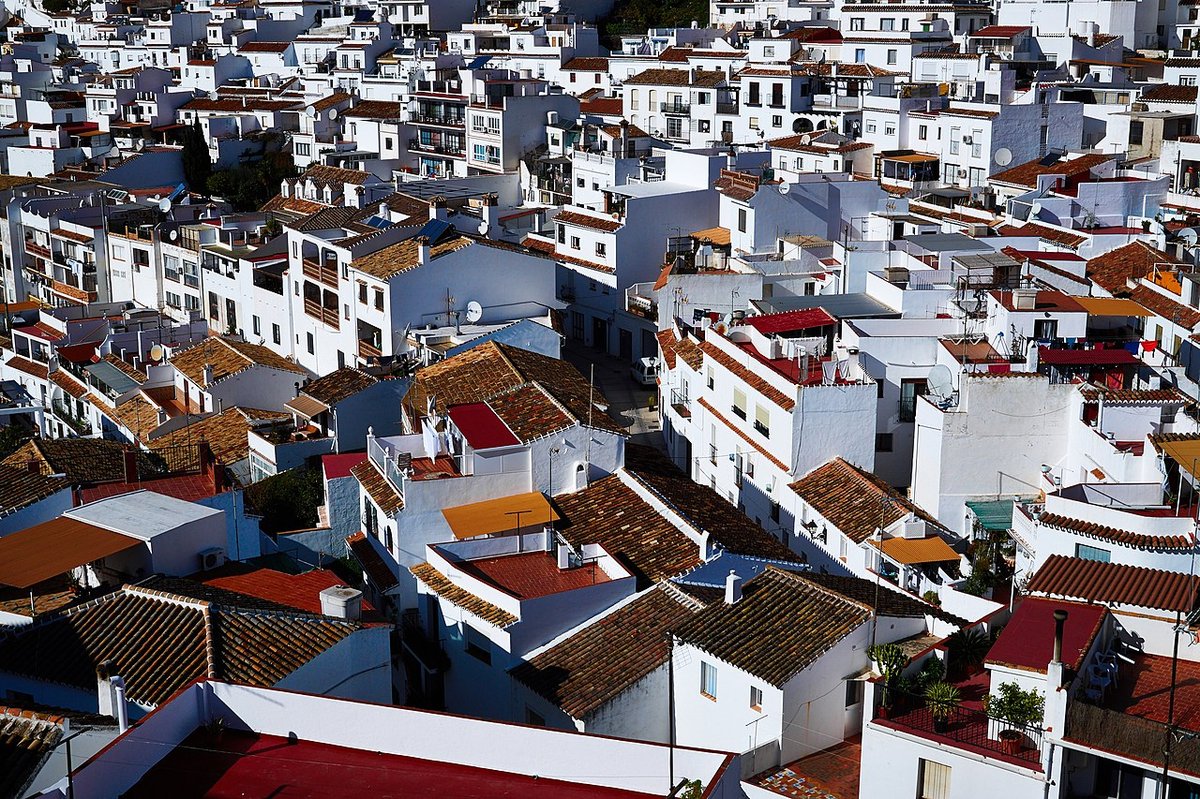
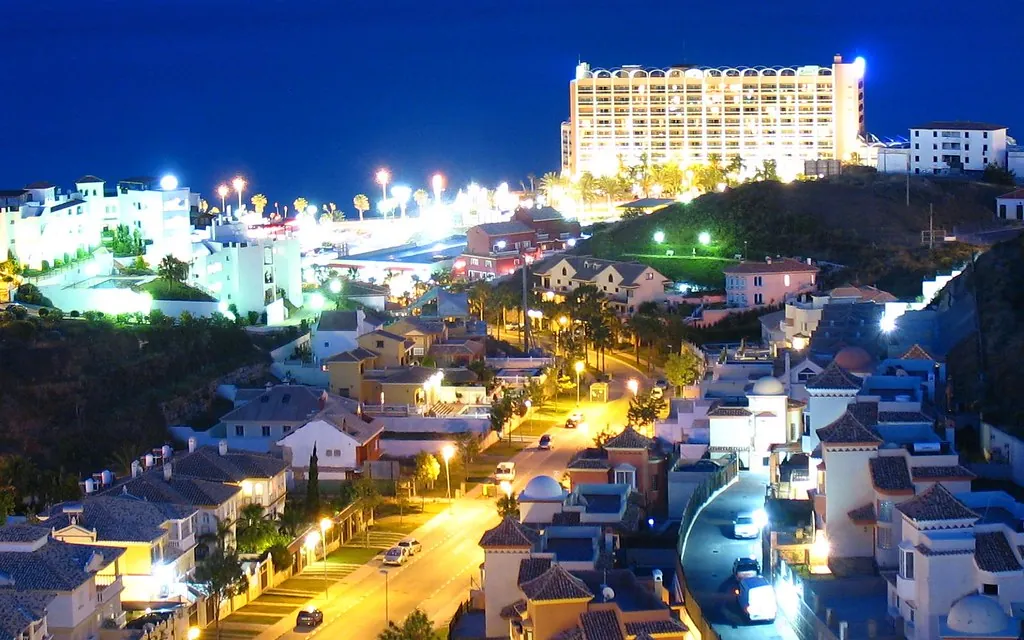
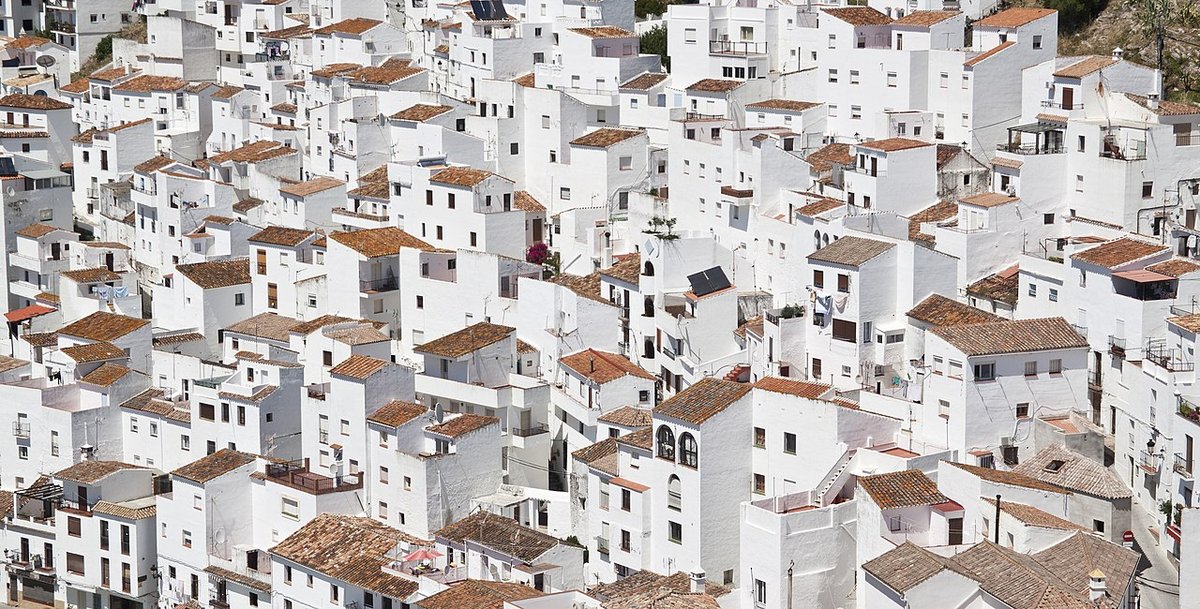
You know that feeling when you turn off a motorway and everything looks exactly like the postcard? That’s the A-7 into Marbella. Sea, white buildings, palms. It feels familiar, almost too familiar. Then you park the car, walk into the old town, and it starts to get interesting.
The streets get narrow. You smell jasmine first, then maybe grilled sardines if the wind is right. Marbella is like that friend who seems one-dimensional until you share a beer and they surprise you.
The postcode changes everything
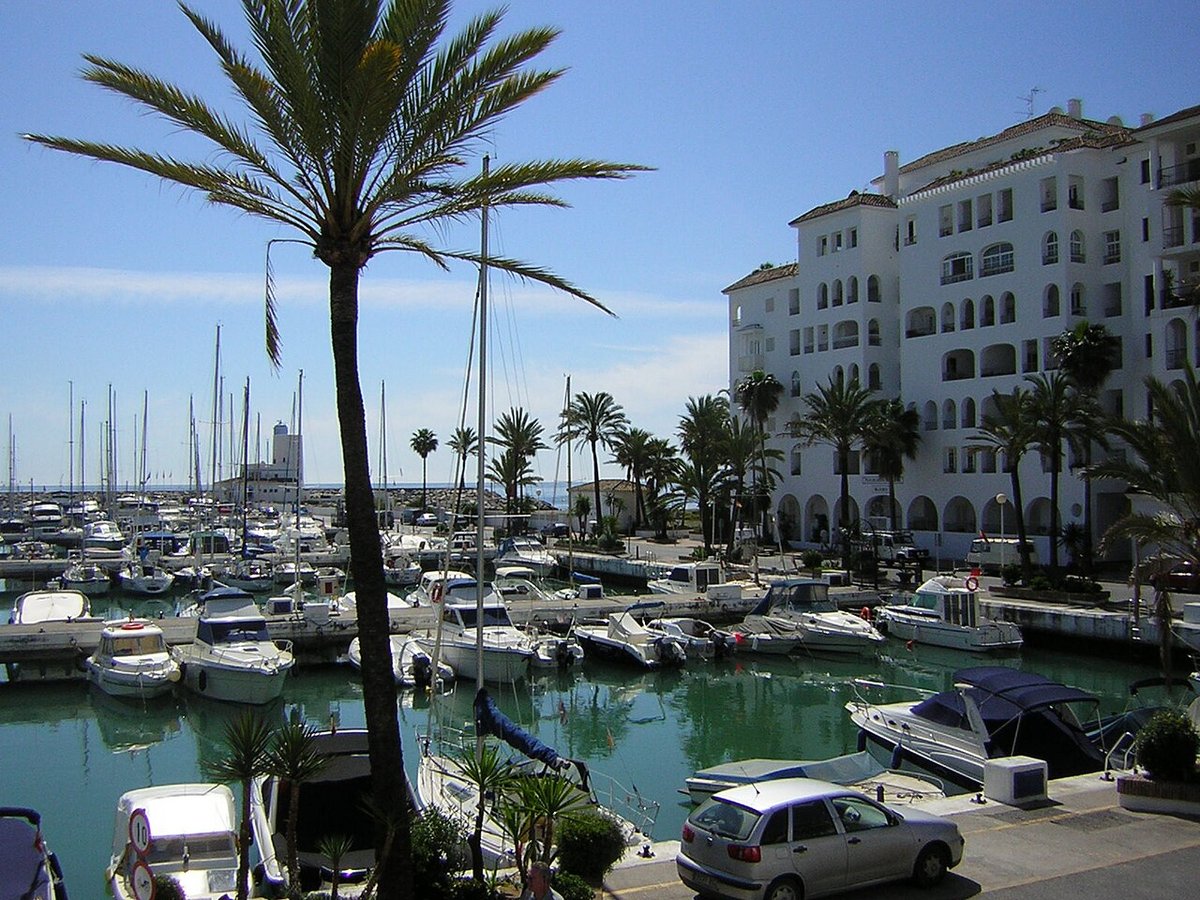
A lot of people come here just for Puerto Banús. The yachts, the cars that cost more than a flat. It’s there, sure. But sticking only to that is like reading the last page of a book.
The historic centre tells another story.
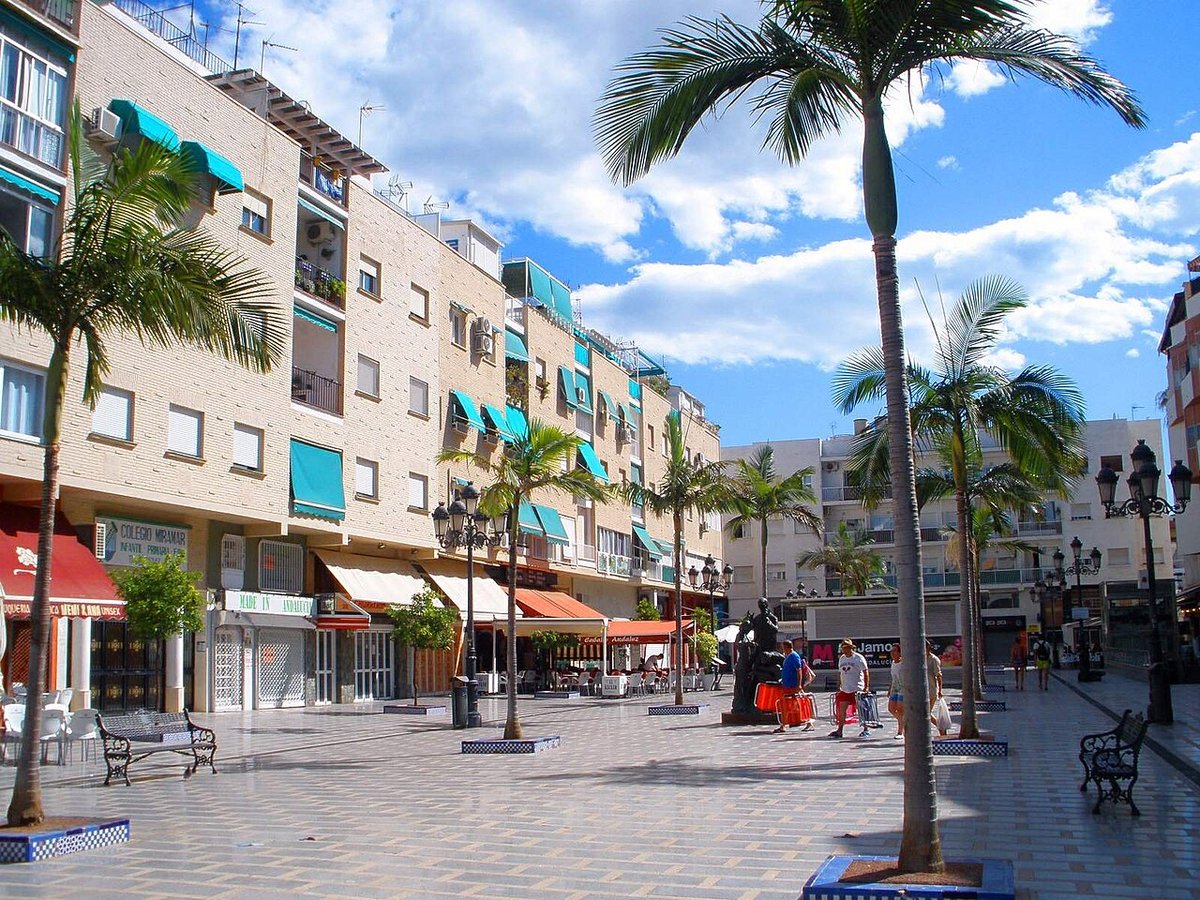
Plaza de los Naranjos feels like an old square that’s been looked after. White walls, wrought iron, terraces spilling into every bit of shade. The oranges on the trees are for show now. They say people used to try eating them and complain about the bitterness.
Come evening, the light gets soft and the pace slows right down. That’s when this place works. You don’t need an itinerary. Just walk.
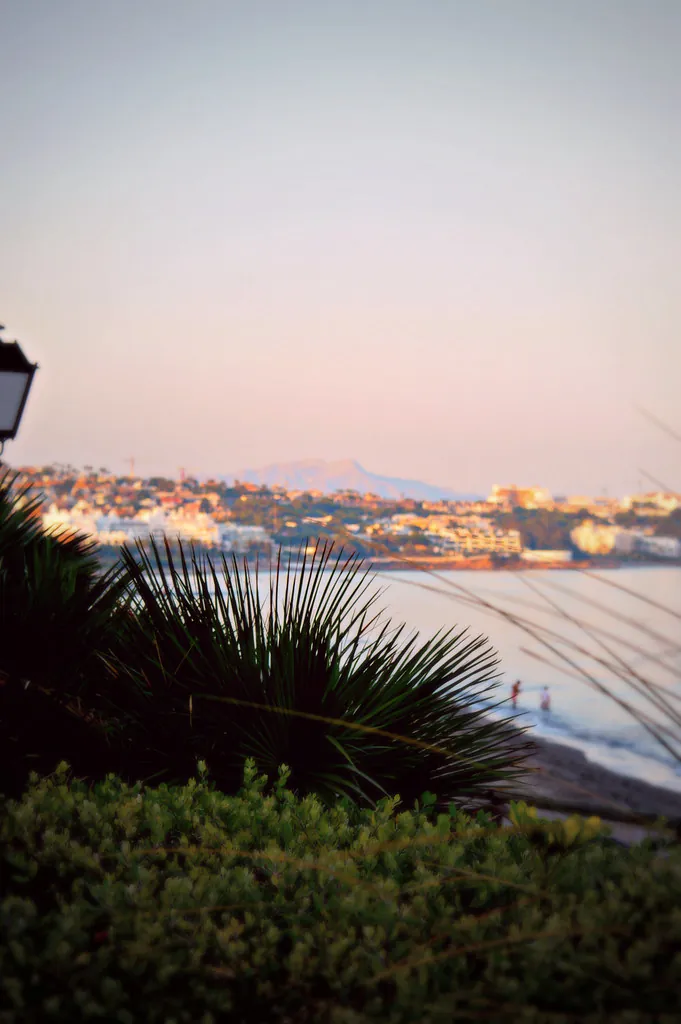
Start near what’s left of the Arab wall. You’ll find chunks of it tucked between houses, the stones not quite in line, like a puzzle someone gave up on centuries ago. From there, you naturally drift down towards Playa de la Fontanilla.
On the sand, you’ll probably see someone tending a fire for espetos. The process is straightforward: sardines skewered straight onto a reed, all lined up facing the sea.
Golf courses and northern accents
Marbella has attracted people from abroad for a long time. Many come for golf. The area around town has more courses than you’d guess if you only look at the coastline.
This all started getting serious in the sixties. Someone figured out the weather was good for more than just tomatoes. Now, a winter walk here comes with a soundtrack of German, English and Scandinavian accents. You see people carrying golf bags like they're going to the office.
The thing is, between the resorts and fairways, you can still find quiet spots.
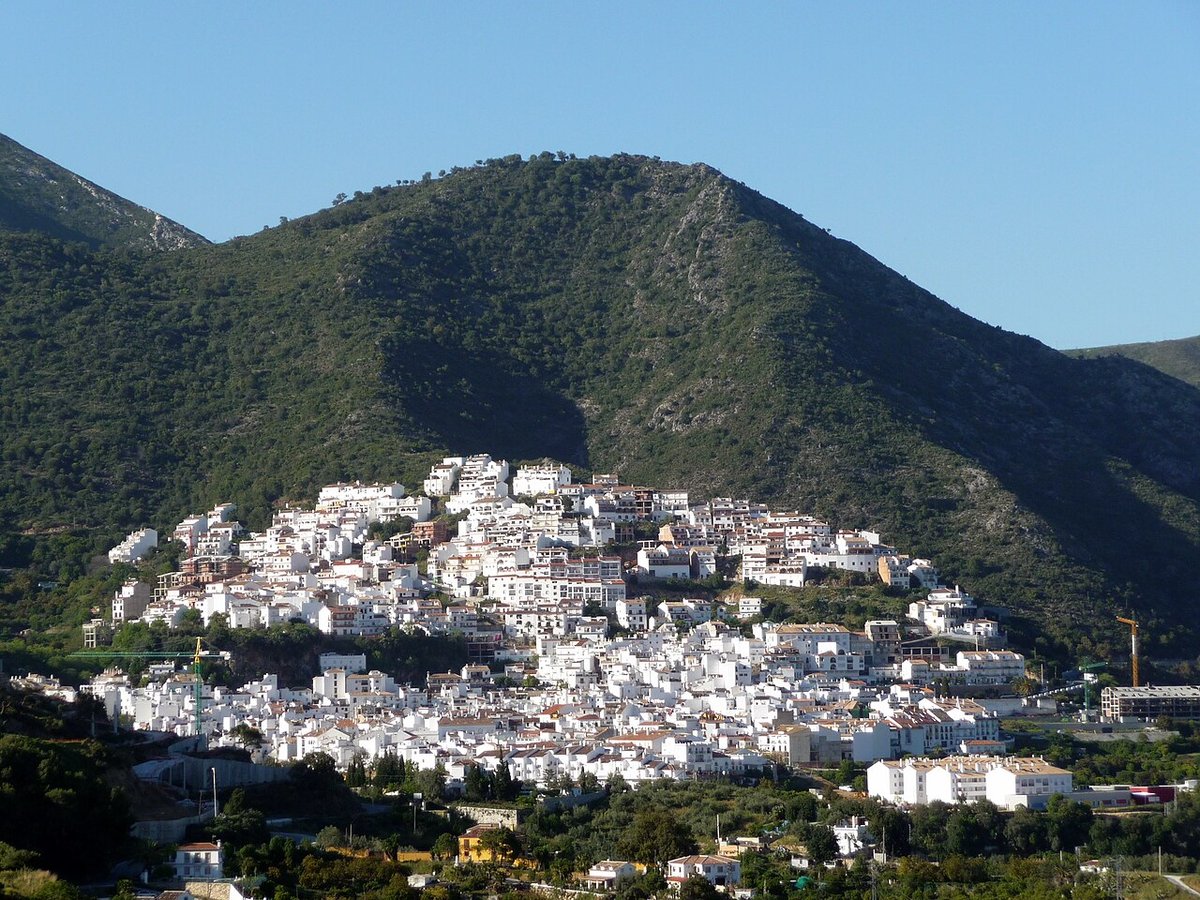
Up in Sierra Blanca there are walking trails where the noise drops away fast. Locals talk about one called la senda de las Tres Cascadas. It makes you sweat; this isn't a gentle stroll. At the top, everything changes.
From up there, the coast looks like a model village and boats seem like bath toys. All you hear is wind and your own breath catching up.
How to eat by the water
The food here sticks close to the sea. Fried fish is the main event—anchovies, small squid, whatever was fresh at the market that morning.
Espeto is its own category. Sardines on a reed, cooked beside an open wood fire. It looks simple but it isn't; it needs the right wind, embers and someone who knows what they're doing.
When it gets hot, cold soups take over. Ajoblanco with grapes or porra antequerana make sense after a morning on the beach.
My advice? Watch for simpler chiringuitos on the sand—the ones with plastic curtains and basic tables. If you see dark smoke and someone totally focused on a grill, sit down. And eat those sardines quickly. The beach cats have faster reflexes than you do.
Days when it feels like a pueblo
For most of the year Marbella operates as an international hub. Then some days shift gear. The Feria de San Bernabé hits in early summer. For that week,the old town fills with casetas and music. Long-time residents mix with seasonal workers without much fuss. Summer also brings romerías up into sierras. These are family pilgrimages with food trucks,dusty paths,and whole generations spending a day outside. For those hours,the rhythm feels more like a village than famous coastline destination
Some things to know before you go
Avoid walking through centre at midday in summer.The sun is harsh shade scarce.Early morning late afternoon work better Parking near old town tests patience.Finding blue zone spot can feel like winning lottery Beaches here get packed July August.If want space need arrive before everyone else does Marbella isn't just one thing.You see huge yachts then end up eating sardines on sand among locals same day Every trip back follows similar pattern.It starts feeling familiar Then another corner appears conversation changes just when thought had figured out