Full Article
about Mijas
Large municipality with a classic white village in the hills, donkey taxis, and a long stretch of coast dotted with coves.
Hide article Read full article
A town with three versions
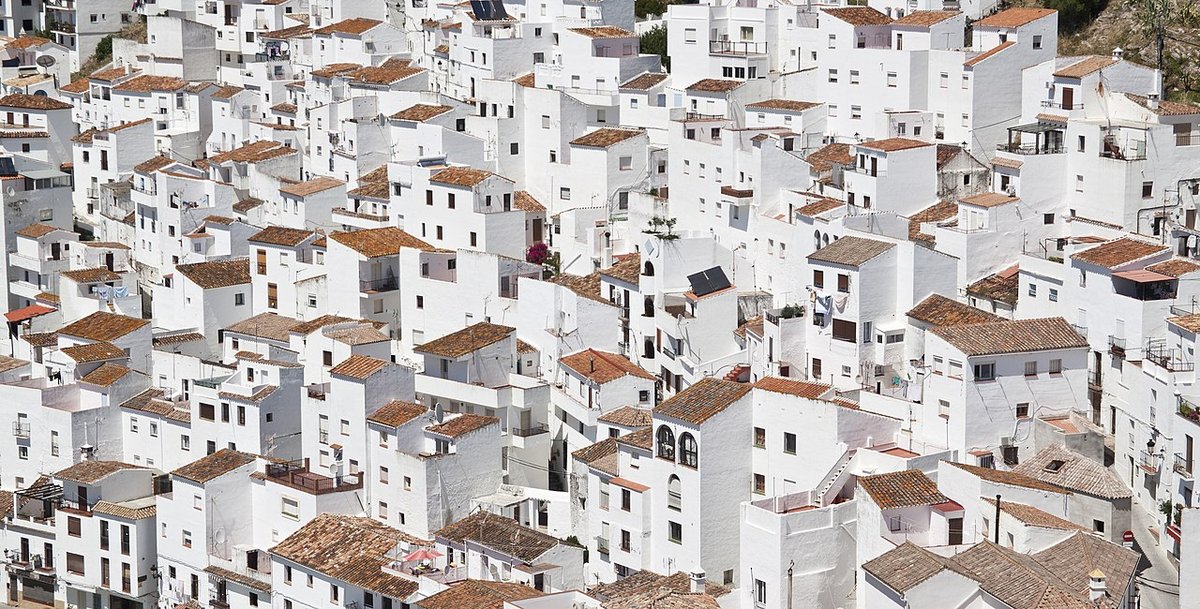
Mijas has the feel of a housemate with three different personalities. In the morning it heads to the beach at La Cala, by midday it slips into something sharper for a stroll through the whitewashed village, and by night it turns into the type who feels local after a few years living there. What stands out about tourism in Mijas is how easily these versions sit alongside each other.
The shift between them can be abrupt. From the coast, heading up to Mijas Pueblo feels like changing channel. The busy A-7 fades behind you and within minutes you are in a car park full of hire cars, all trying to squeeze into streets that seem designed for donkeys. That is not just an expression. Donkeys were once the main way of getting around here.
The donkey taxis are still part of the scene, decorated with pom-poms and traditional Cordoban hats, waiting patiently as visitors climb on for a photo. It can feel slightly awkward to watch, yet they have been tied to the village’s image for decades.
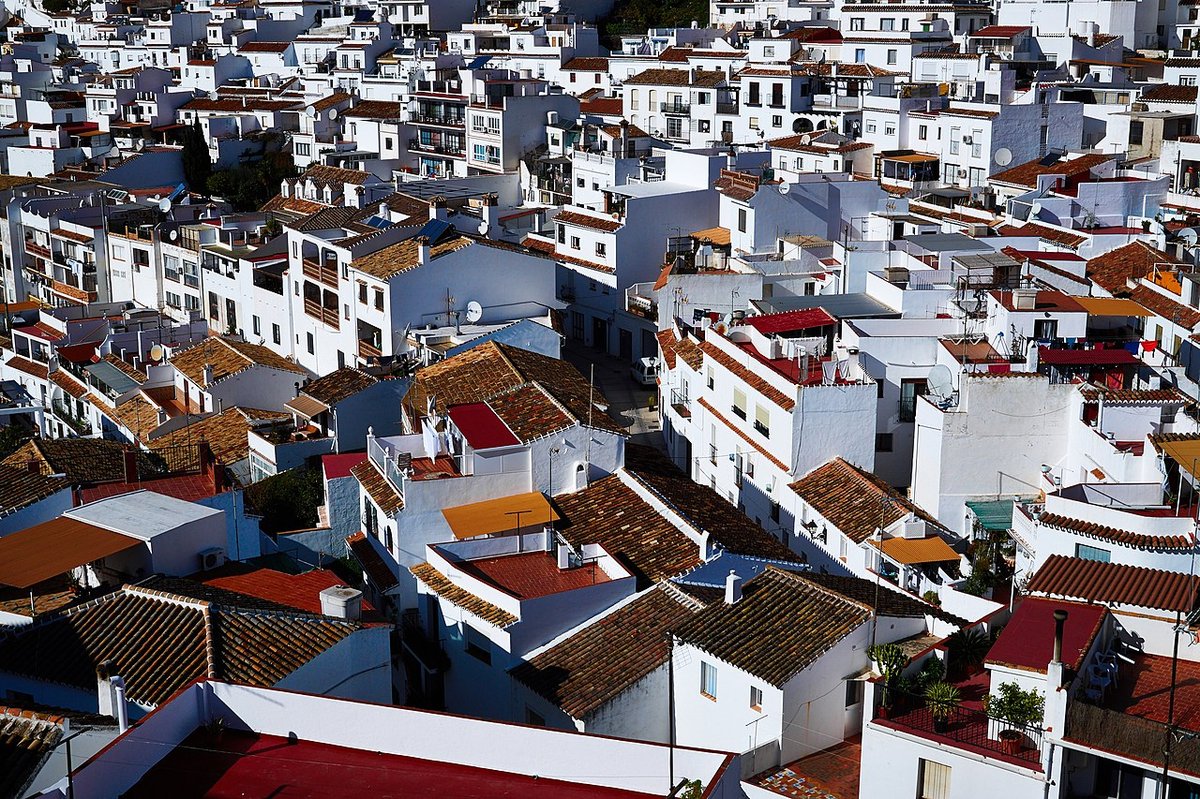
The trick is simple. Walk a hundred metres away from the centre in any direction. The noise drops almost instantly. What remains are white walls, hanging geraniums and a kind of quiet that is only broken by the sound of a shutter opening or a car edging slowly through a street that barely allows it to turn.
That is when it starts to make sense. It explains why so many foreign residents began settling here around half a century ago, and why English “for sale” signs are still so common.
A chapel carved into rock
The Ermita de la Virgen de la Peña is one of those places that still surprises even if it has already been seen in photos. The surprise is not so much the image of the Virgin itself, but the setting. The chapel is carved directly into the rock, as though a space had been hollowed out of the mountain to house it.
Local tradition dates the discovery of the image to the 16th century. According to the story, shepherds found it after being guided by a white dove. It is the kind of tale often heard in Andalucía, where faith and legend blend together and eventually become part of a town’s identity.
From the area around the chapel, the view opens wide over the coast. Housing developments, golf courses and the Mediterranean stretch out below. On particularly clear days, some claim they can make out Africa on the horizon. At other times it is little more than a distant shadow. The sea, however, is always there.
Food beyond the obvious
Food in Mijas has its own contrast. In the most central streets, menus appear in several languages, clearly aimed at visitors. A short walk away, there are bars that look closed at first glance until you peer inside and find a handful of locals gathered around a table.
Some of the dishes do not quite match expectations. Gazpacho de Mijas, for instance, is not the light, drinkable version many people picture. It is thicker, closer to something eaten with a spoon, often with added pieces that make it more substantial.
Ajoblanco with grapes tends to divide opinion. The first taste can be confusing: garlic, almond, something cold, and then the sweetness of the grape. Once the combination clicks, it becomes easier to see why it has stayed on menus for so long.
Then there are rosquillas de vino. These small wine-flavoured biscuits are the sort of thing that appears at a grandmother’s table. They do not look particularly remarkable, yet they tend to disappear from the plate without much notice.
When everything speeds up
In September, the feria of Mijas usually takes place, and during those days the town shifts again. There is more music, more people in the streets, and the familiar atmosphere of an Andalusian fair where conversations start easily with people who were strangers minutes earlier.
Around the same time, the romería of the Virgen de la Peña is also held. Groups of people walk down from the village towards the area of the chapel, dressed in traditional outfits, with scarves and carts carrying food and drink. The descent is lively and social. The return journey depends rather more on how many stops have been made along the way.
One of the most striking things is how easy it is to become part of it if you happen to be there. Passing groups might offer something to eat, and before long conversations begin with people from nearby towns as if there were already a shared history.
Finding the right moment
A common mistake is trying to see everything in a single day, especially in the middle of it. That is when buses arrive, the heat peaks and the streets are at their busiest.
Mijas is easier to appreciate early in the day. As the village wakes up, the people on the streets are mostly locals running errands or others walking without hurry. At that time, it becomes far more enjoyable to follow the path along the old walls or stop at viewpoints without having to weave through crowds.
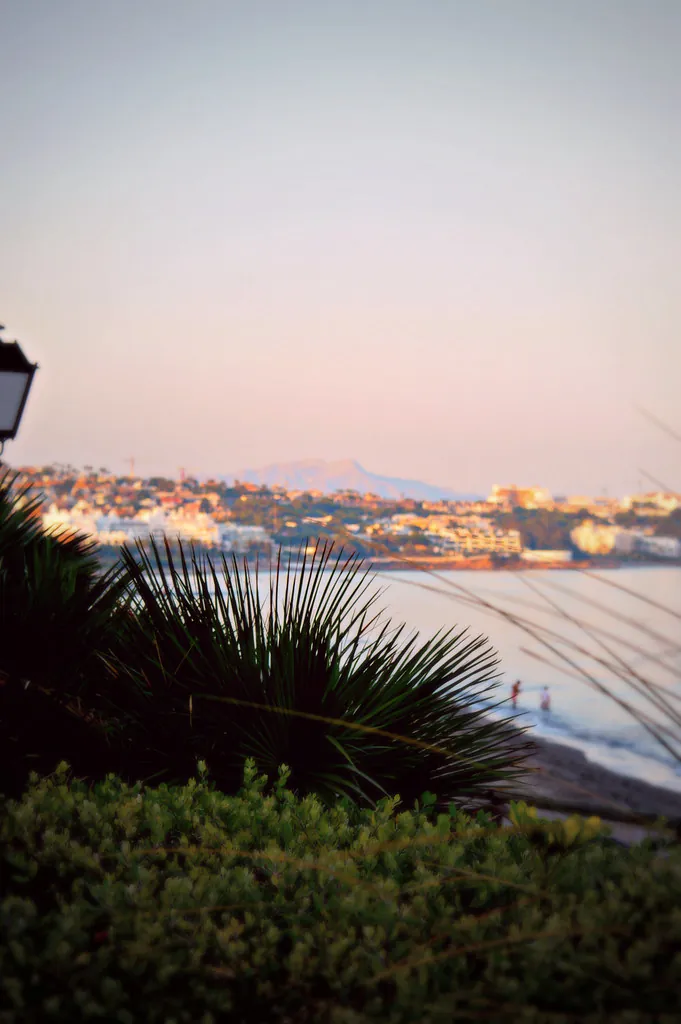
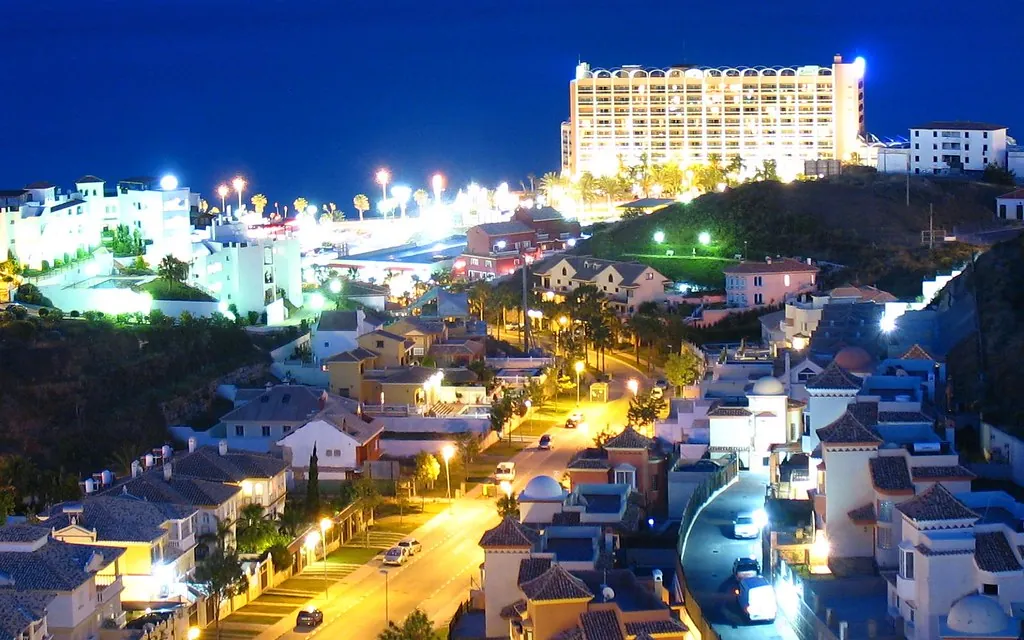
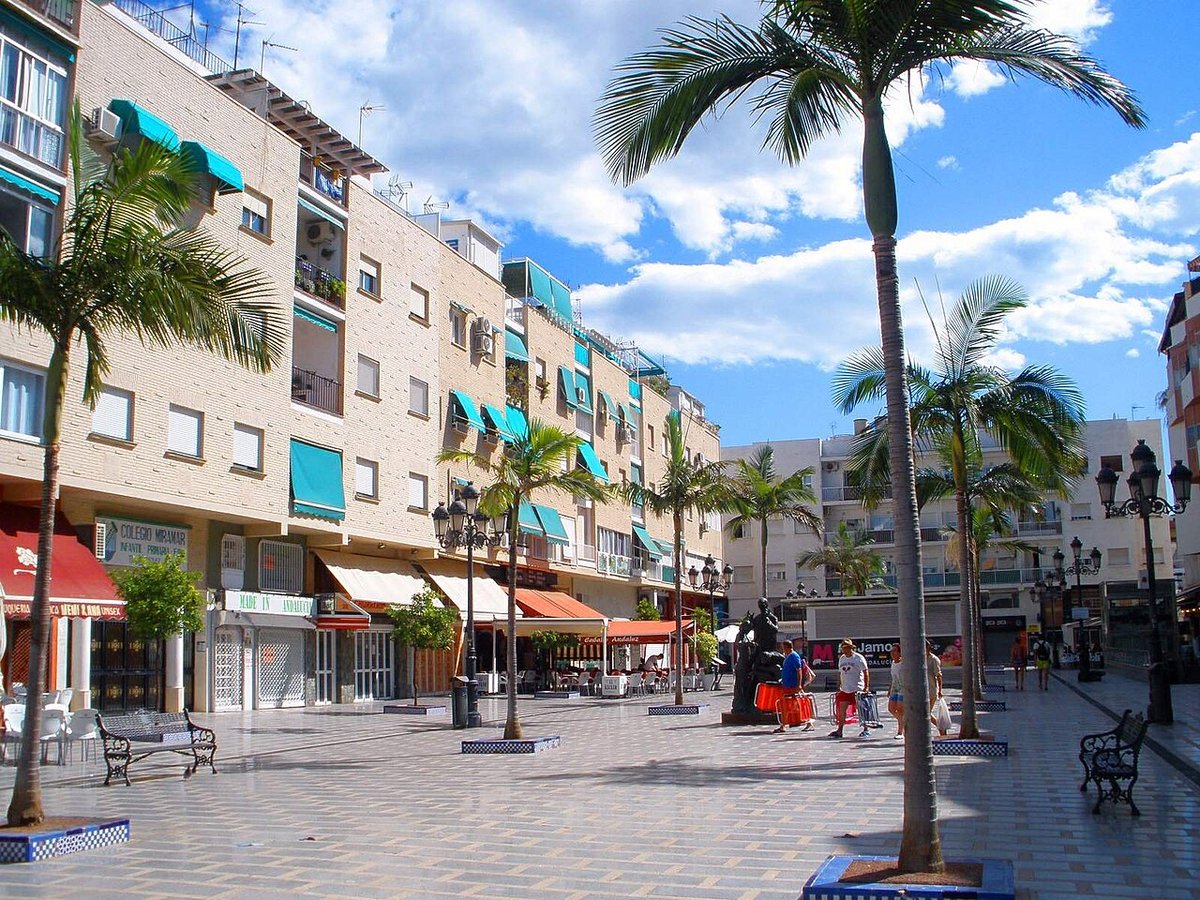
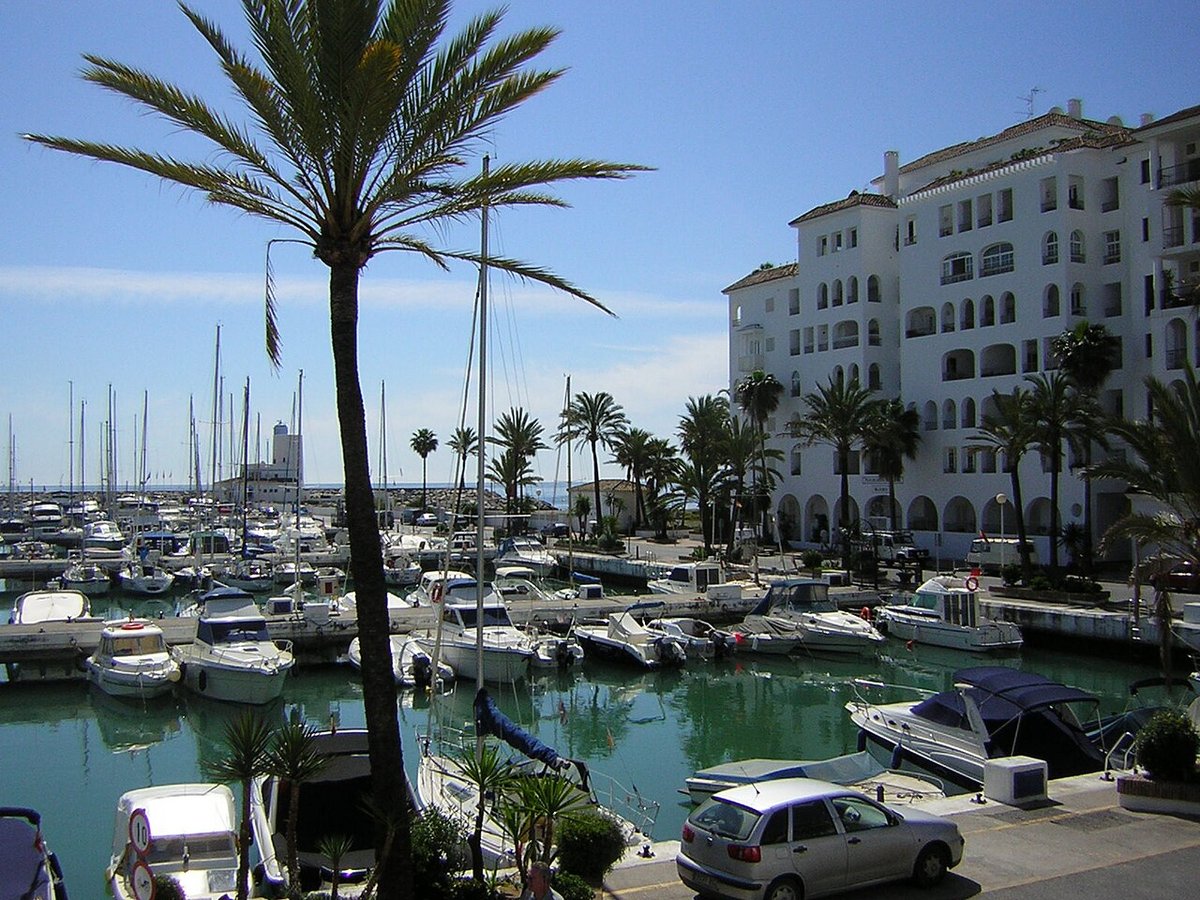
Then there is La Cala. Mijas without the sea feels incomplete. The municipality stretches along several kilometres of coastline, and the atmosphere shifts depending on where you are. Some areas are busier, with promenades that stay lively throughout the year, while others become quieter if you move a little further away.
In the height of summer, everything fills up. That is unavoidable. Outside July and August, though, there are still mornings in…