Full Article
about Torremolinos
Pioneer of tourism on the Costa del Sol, with famous beaches and a lively nightlife and shopping scene.
Hide article Read full article
Sardines begin to crackle on wooden skewers just as the sun touches the water. White smoke rises, mixing with the smell of salt and sun cream that still clings to the sand at La Carihuela as evening falls. This is often how tourism in Torremolinos begins: people from all over the world sitting close to the shore, watching the light fade over the Mediterranean.
It is seven in the evening on an ordinary Saturday in June. Around the beached boats, languages shift every few steps. British visitors with skin already too red, Nordic travellers evenly tanned, families from Málaga who have come “so the children can step on the beach”. The background hum never quite stops, like a calm open-air market.
The smell of frying that reshaped a town
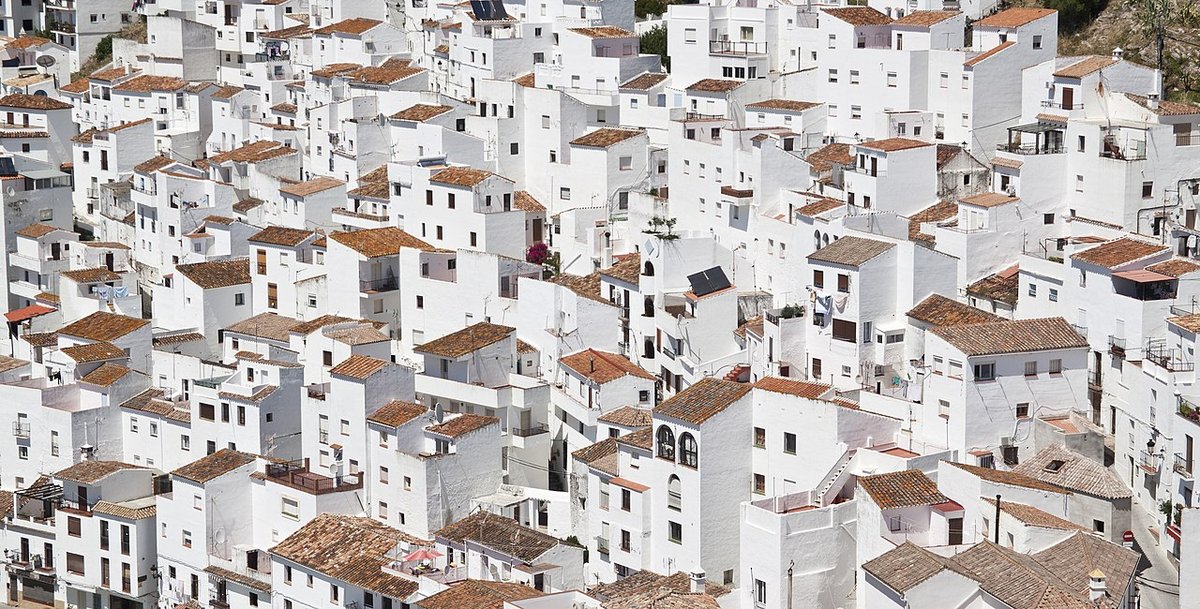
Before Málaga Airport existed, and long before the seafront filled with tall buildings, La Carihuela was a cluster of low houses. Fishermen stored their nets there, and laundry hung between whitewashed façades. The sea was only a few steps away, and daily life faced the water.
At midday today, the smell of fried boquerones still hangs in the air, but many of the people working here now live in nearby towns or further out. Rents rose some time ago and the pace of the neighbourhood shifted. Even so, when kitchens start up and oil begins to sizzle, there is a familiar rhythm that has not changed much over the decades.
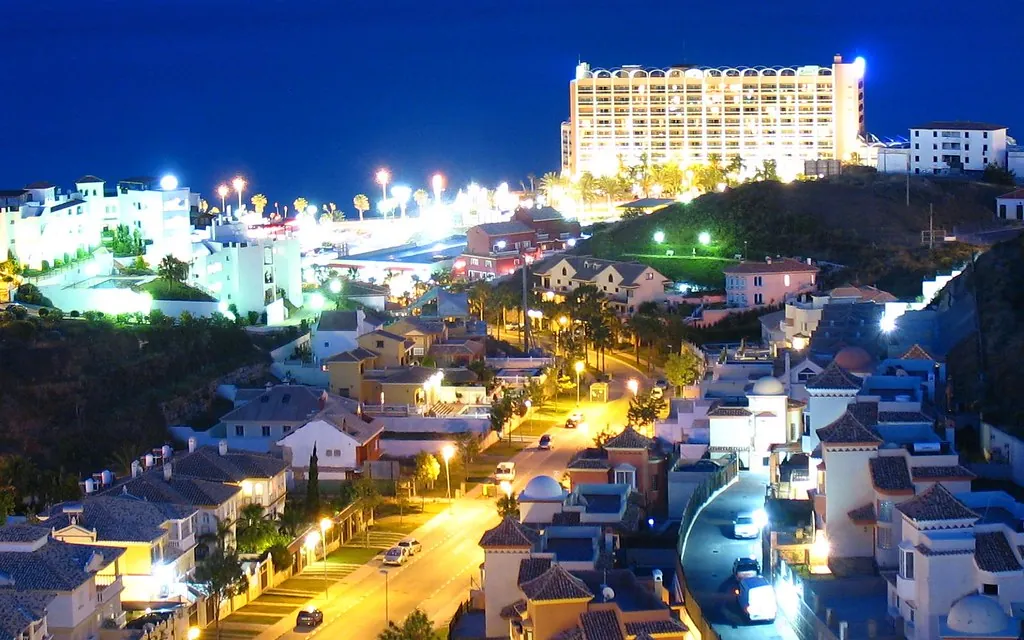
The big turning point came in the 1960s, when the first large hotels appeared along the seafront. Flights full of tourists from northern Europe began arriving, and the town grew quickly. In just a few years it stopped being a small fishing settlement and became one of the best-known tourist centres on the Costa del Sol.
San Miguel Street at ten in the morning
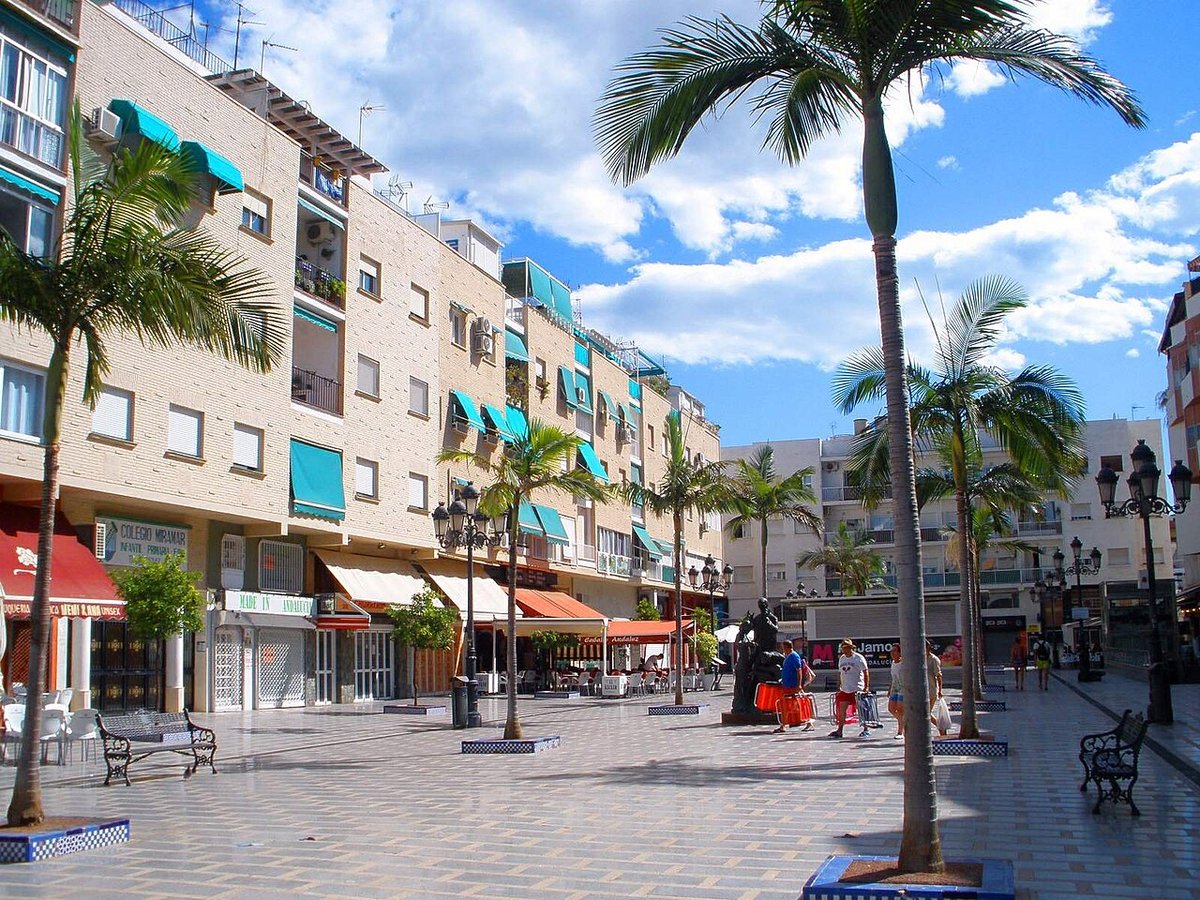
Calle San Miguel smells of new leather, freshly opened sun cream and strong coffee from the first tables of the day. It slopes up from the beach towards the higher part of the centre, and walking it slowly reveals how the atmosphere shifts along the way.
At the lower end come the shops selling towels, flip-flops and inflatables. Further up are places serving generous breakfasts, many aimed at British visitors looking for fried eggs and toast well into the morning. Then come windows filled with souvenirs: fans, T-shirts and magnets printed with the town’s name.
At that hour, the heat has not yet set in. Some shutters remain half closed, and from flats overlooking the street comes the sound of showers before people head down to the beach. Torremolinos wakes late. The pace stays slow until close to midday.
When the town stops feeling like its own
In August, Torremolinos shifts scale. Transfers from the airport are constant and the beaches fill from early morning. Finding a table for dinner near the sea can take patience, and sun loungers cover much of the sand.
The volume rises too. Music, busy terraces and conversations in several languages blend with the sound of the waves. Some people enjoy it exactly like this, with the promenade full until midnight.
At other times of year, the atmosphere changes. In late spring there is usually a major event linked to the LGTBI community, filling the streets for several days. Music carries from a distance, and the crowd is mixed: long-time visitors who have been coming for decades, people arriving for the first time, and locals who join in as evening falls.
The hills almost no one notices
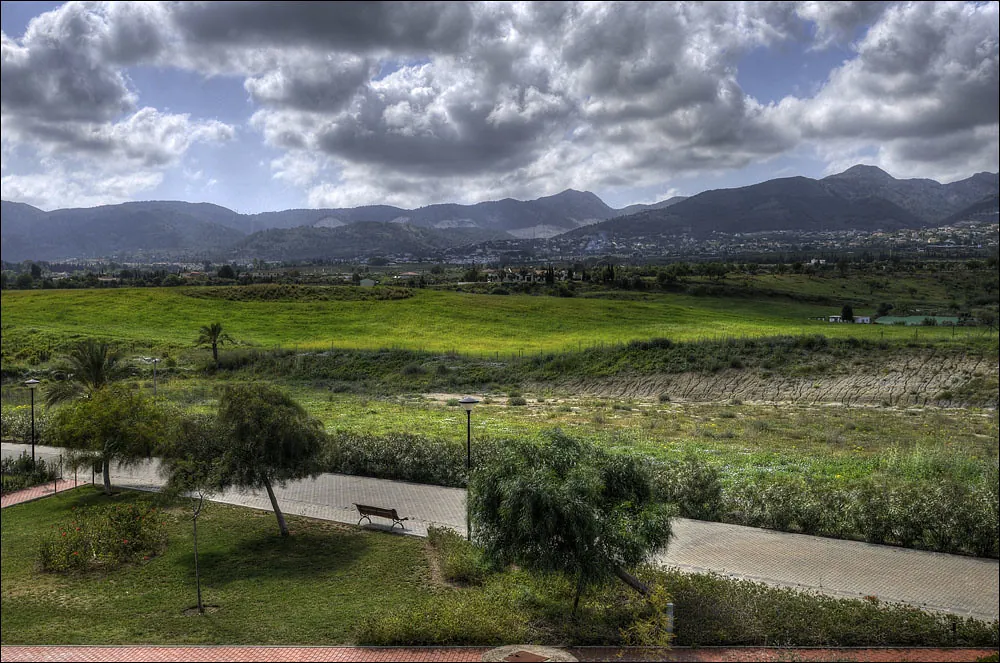
If the noise becomes too much, it only takes a short walk inland. Behind the line of coastal buildings, pinewoods begin, looking out over the sea from above.
Dirt paths wind through Aleppo pines and thyme. Within minutes, the sound of traffic fades, replaced by wind moving through the treetops. From some clearings, the entire coastline comes into view: apartment blocks, the promenade and the Mediterranean stretching eastwards.
Older residents sometimes say these paths were already in use decades ago, when the area was much quieter and people moved between the hills and the coast on foot. Today they are mostly used by people out for an evening walk or taking the dog out once the heat drops.
In winter, the landscape shifts again. There are fewer people on the streets, many apartments remain closed, and the pinewoods carry the scent of damp resin after rain. At that point, Torremolinos returns to a calmer scale, far removed from the summer rush.
When to go
September tends to be the most rewarding time. The sea still holds the warmth of summer, there is more space on the sand, and walking along the promenade no longer means weaving through groups every few metres. August, by contrast, gathers most of the year’s activity into a few intense weeks.