Full Article
about Chipiona
Coastal town known for its monumental lighthouse and the sanctuary of the Virgen de Regla; iodine-rich healing beaches and flower farming.
Ocultar artículo Leer artículo completo
The lighthouse beam sweeps across Chipiona's seafront every fifteen seconds, guiding fishing boats back to port while holidaymakers queue for churros at a kiosk nearby. This rhythm—maritime purpose meeting beachside pleasure—has defined the town since 1867, when Spain's tallest lighthouse first cut through Atlantic fog.
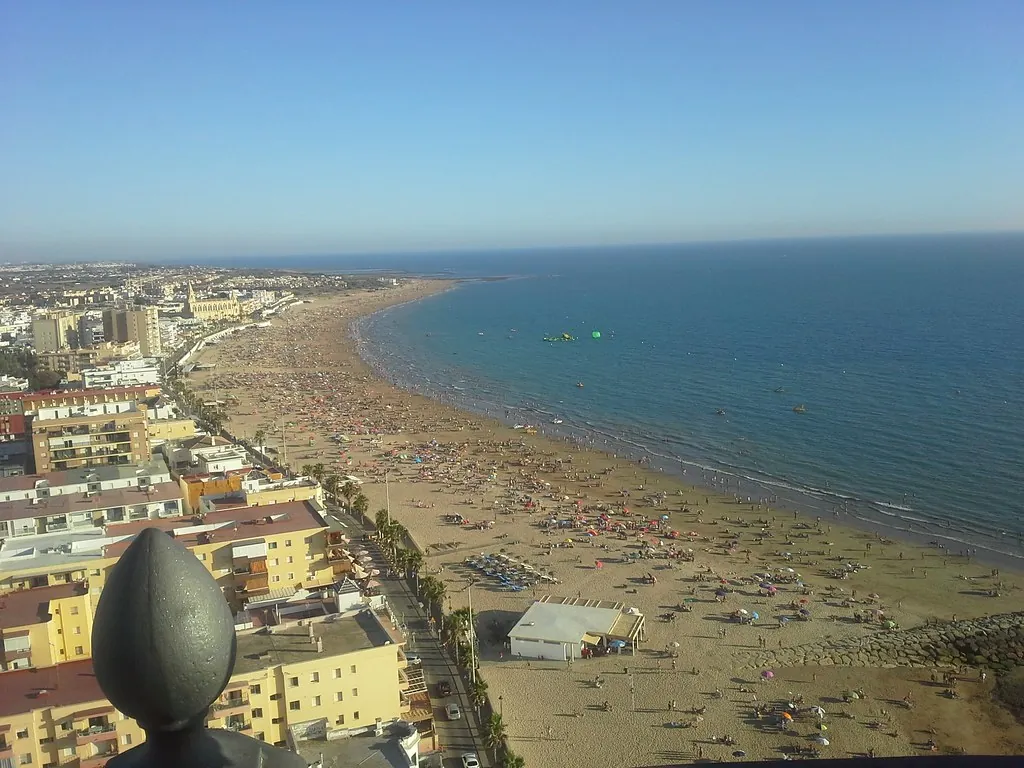
At barely six metres above sea level, Chipiona stretches between vineyards of Moscatel grapes and a coastline that changes personality with the tides. Morning reveals vast sandy flats where children chase receding waves; by afternoon, the Atlantic advances to within metres of the promenade. The effect is theatrical, though locals barely glance up from their cañas of beer.
Liquid History
Sweet wine built this town. Family bodegas—some little more than whitewashed warehouses—sit sandwiched between apartment blocks, their wooden doors giving way to cool interiors smelling of oak and raisins. The tourist office runs hour-long tastings at the Museo del Moscatel (€7, book ahead) where guides explain why these grapes, ripened by sea breezes, produce wines that pair surprisingly well with salty cheeses. Smaller producers like Bodegas César Florido open sporadically; ring the bell and hope someone's around.
The fishing quarter operates on its own timetable. Boats return around 5 pm, unloading catches of langoustine and cuttlefish that appear on dinner plates two hours later. Watching the auction requires patience—there's no bleacher seating, just a concrete platform where buyers shout bids while seagulls circle overhead. The smell of diesel mingles with salt spray; this isn't a sanitised experience for Instagram, it's Tuesday afternoon commerce.
Beach Logic
Four distinct beaches give visitors choice without requiring a car. Playa de Regla, nearest the centre, fills with Spanish families who've been coming for three generations. Grandmothers set up camp at 10 am with folding chairs and cool boxes; teenagers play paddleball until sunset. The promenade behind offers shade and €2.50 cañas—crucial when Atlantic winds whip sand into eyes.
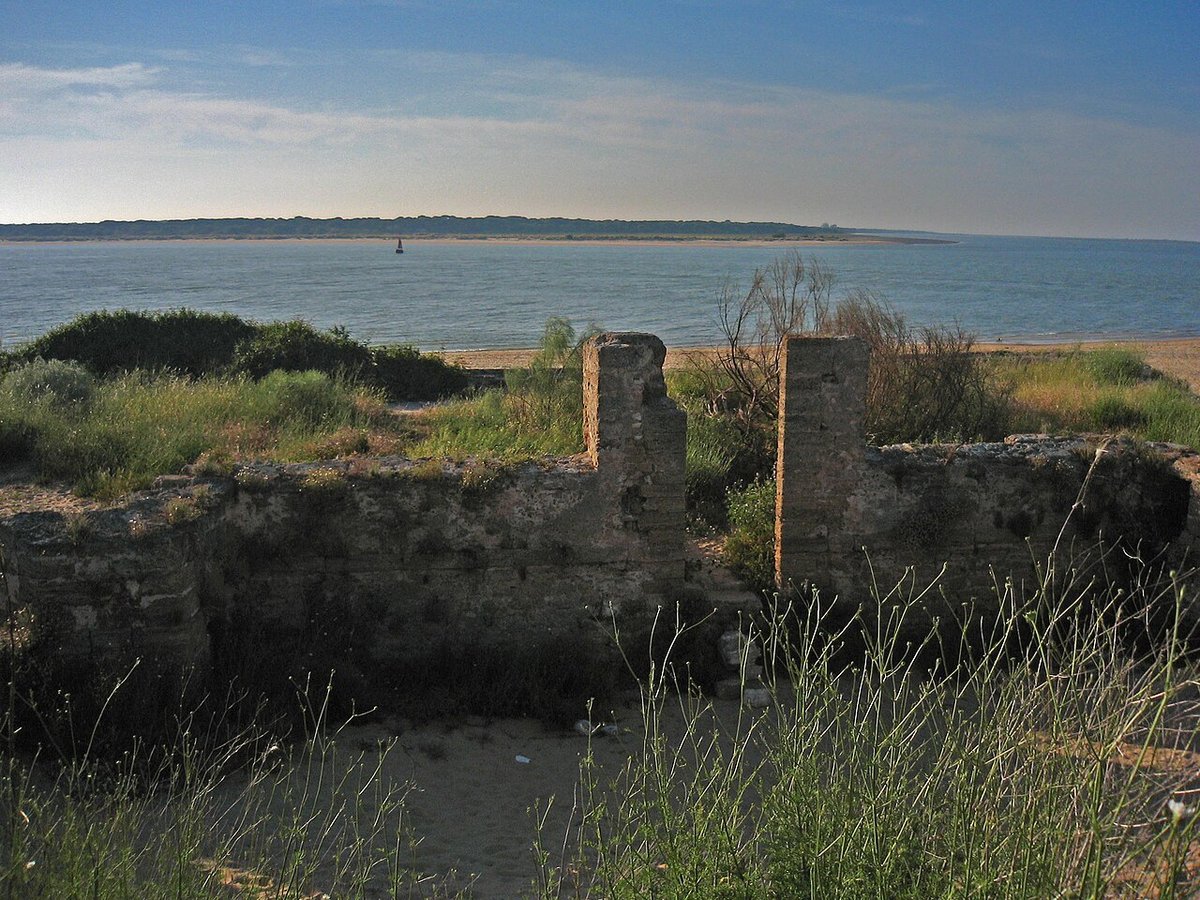
Walk fifteen minutes west and crowds thin dramatically at Playa de Las Tres Piedras. Three large rocks (actually prehistoric burial markers) break the wind, creating natural paddling pools at low tide. Further still, Playa de la Ballena curves towards Costa Ballena's golf developments. Here, British voices occasionally punctuate the Spanish chatter, though mid-week you'll share the sand mainly with retired locals walking dogs.
The water stays refreshingly cool even in August—this isn't the Mediterranean. Rip currents appear near the lighthouse, so swim between green flags or stick to lifeguarded sections. Bring sandals; broken shells litter the high-tide mark.
What Actually Tastes Good
Chipiona's restaurants reward those who abandon British meal times. Kitchens close 4-8 pm; turn up at 6 pm expecting dinner and you'll find only crisps and olives. Chamai tapas bar translates its chalkboard menu into English but locals still queue out the door by 9 pm. Their seafood lasagna sounds dubious yet works—layers of hake and prawns bound with béchamel, nothing like the Italian original.
For simpler fare, Bar Plaza behind the church serves tortilla thicker than your wrist. Order a wedge plus a glass of dry Moscatel; the barman will demonstrate proper Andalusian breakfast without patronising. Budget €12 for two.
Evening meals centre on what swam that morning. Urta—a local sea bream—arrives baked with peppers and potatoes. The flesh flakes into meaty chunks; bones require navigation but flavour beats any supermarket fish. Expect €18-22 per portion at waterfront places; walk two streets inland and prices drop 30%.
Beyond the Promenade
The lighthouse climb demands 344 steps and reasonable knees. Views stretch from Doñana's sand dunes to Portugal's hills on clear days; hazy afternoons offer little reward. Open weekends only (€3), with afternoon closures for siesta—Spain maintains traditions even for tourists.
Cycling provides flatter exploration. The paseo marítimo extends 5 km south to the mouth of Guadalquivir river, where flamingos sometimes feed in shallow marshes. Bike hire shops cluster near the tourist office; €12 daily rates include locks and half-hearted maps. Morning rides beat both heat and crowds.
Market days (Monday and Thursday) transform the central square into a produce theatre. Watch elderly women prod fish eyes to verify freshness; vendors shout prices in rapid Andaluz that even Madrid natives struggle decoding. Arrive before 11 am for best selection; bring carrier bags as plastic costs extra now.
When to Bother
May and June deliver 25°C days with empty beaches. September maintains warmth while Spanish families return to cities, leaving accommodation prices 40% lower than August peaks. Winter brings storm watching and €60 hotel rooms, though many restaurants close.
July through mid-August turns Chipiona into Benidorm-lite. Spanish holidaymakers pack apartments; bars blast reggaeton until 3 am. The atmosphere shifts from sleepy fishing town to resort mayhem—fun if you enjoy queueing for everything, otherwise avoid.
Access remains the biggest hurdle. Jerez airport (45 minutes by car) offers Ryanair flights from Stansted twice weekly outside summer. Hire cars prove essential; public buses run sporadically and taxi from Jerez costs €70. Seville's larger airport adds an hour's drive but more flight options.
Chipiona won't change your life. It offers instead an authentic slice of coastal Spain where sweet wine flows freely, grandmothers still gossip over laundry, and the Atlantic provides daily drama without the Costa del Sol price tag. Visit expecting little beyond good beaches and honest food, and leave wondering why more British tourists haven't discovered the lighthouse beam that guides boats—and a handful of visitors—back to this unassuming corner of Cádiz.