Full Article
about Sanlúcar de Barrameda
Mouth of the Guadalquivir and gateway to Doñana; capital of Manzanilla and known for its beach horse races
Ocultar artículo Leer artículo completo
The smell hits first. Not the salt you'd expect from an Atlantic breeze, but something more complex—river silt, drying seaweed, and beneath it all, the yeasty tang of sherry drifting from warehouse doors. Sanlúcar de Barrameda doesn't just sit on the mouth of the Guadalquivir; it breathes through it, a town where ocean and river trade places twice daily and the tide dictates everything from fishing schedules to football kick-offs.
This is the far side of Cádiz province, forty minutes from Jerez airport and light-years from the Costa del Sol package scene. The 70,000 residents have watched empires roll in and out—Columbus sailed from here on his third voyage, Magellan stocked up before his circumnavigation—yet the place still feels like someone's let you in on a secret. English voices are rare enough that barmen notice, but not so rare that they'll flog you a "full English" breakfast.
The Sherry Triangle's Quiet Corner
While Jerez and El Puerto grab the coach-tour crowds, Sanlúcar gets on with making manzanilla, the bone-dry sherry that exists nowhere else. The secret is the flor, a yeast blanket that forms only in the humid Atlantic air, protecting the wine as it ages in cathedral-sized bodegas. Barbadillo, the biggest name, runs English tours at noon and five, €18 with generous pours. Ask for Catherine—she'll explain why your glass smells of almonds and sea spray without drifting into wine-wank.
The bodegas line Calle Cristóbal Colón, their thick walls keeping interiors a constant 18°C even when August hits 40°C outside. Between warehouses, 17th-century mansions slump elegantly, their terracotta facades blistered by salt. The Medina Sidonia palace opens sporadically; check the tourist office by the town hall for today's whims. When it's shut, the gardens still offer shade and a glimpse of how Spain's grandest ducal family once lived—within earshot of ship horns and fish auctions.
Sand, Hooves and History
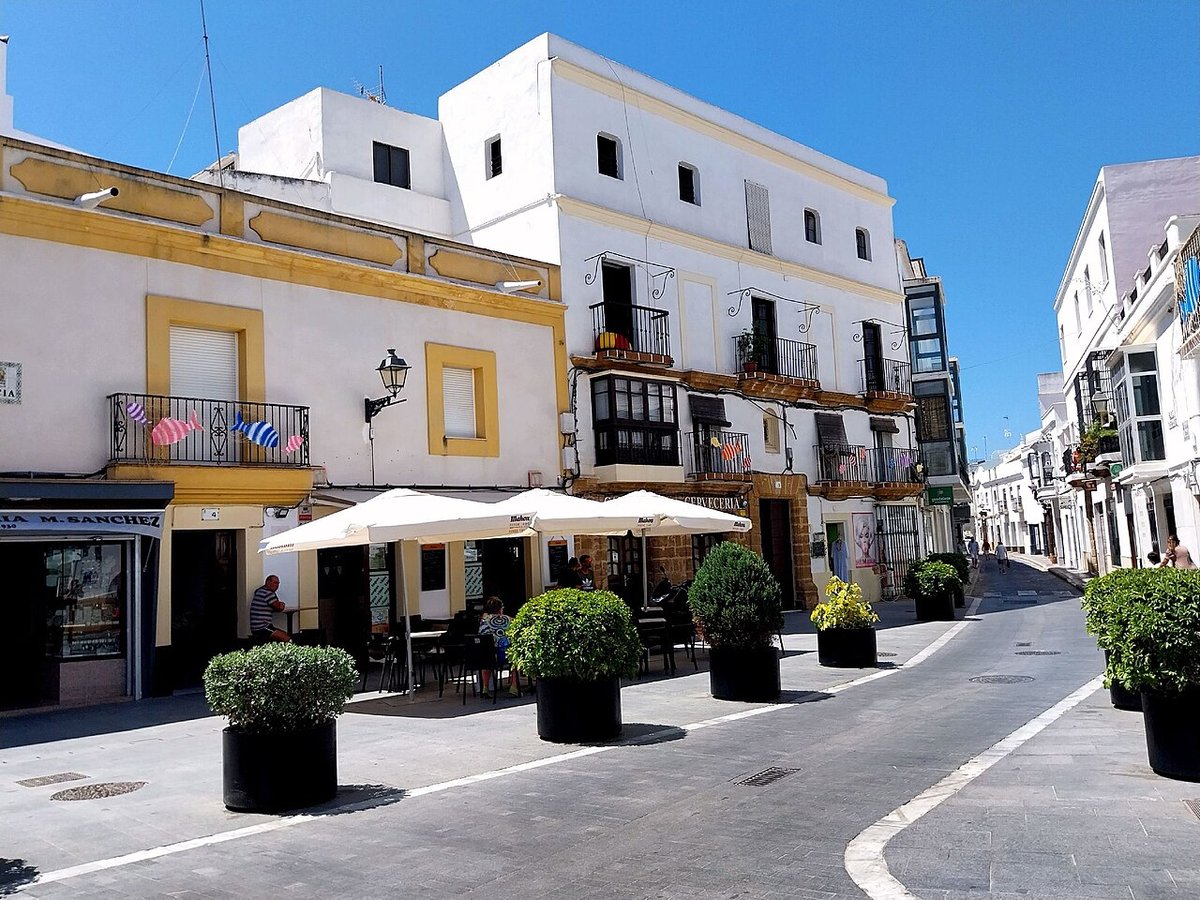
Down in the Barrio Bajo, the grid tightens and everything tilts toward the water. Plaza del Cabildo, all pastel arcades and 18th-century balconies, serves as the town's outdoor living room. Grandmothers gossip under orange trees while teenagers circle on bikes, the Atlantic visible through stone archways. Casa Balbino occupies the prime corner—turn up at 1:30 sharp or queue for twenty minutes. Their tortilla de camarones shatters like crisp seaweed, tiny shrimp suspended in chickpea batter that stains your fingers orange.
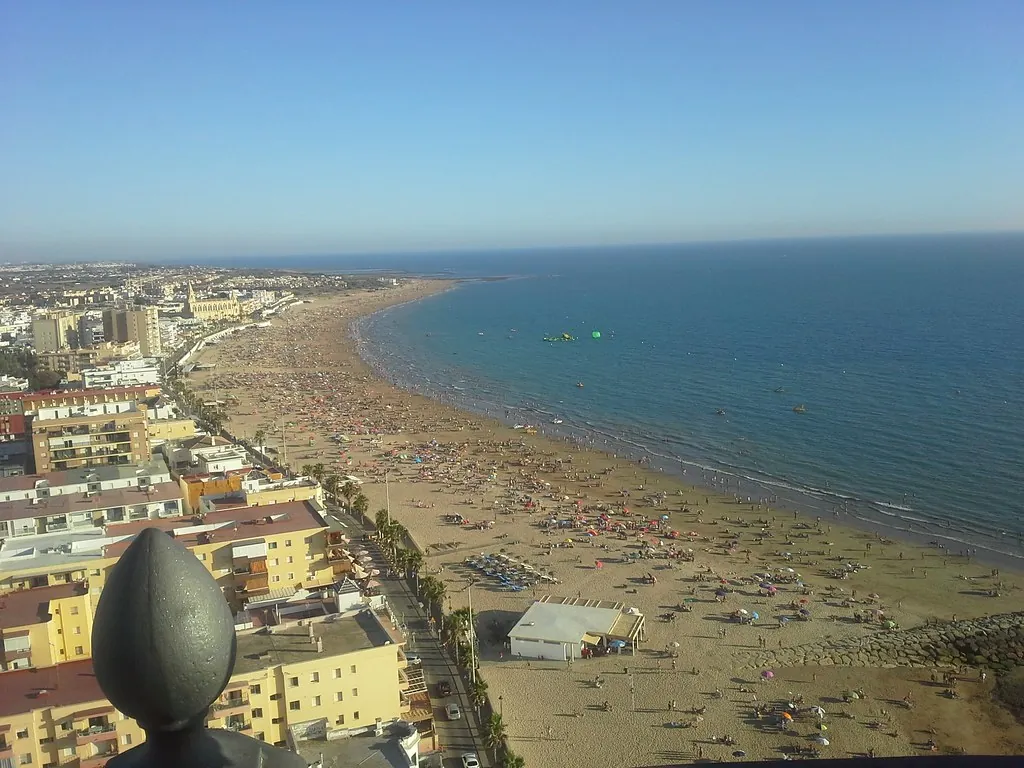
From the square it's a ten-minute drift to Bajo de Guía, the working riverfront where fishing boats unload at dawn and restaurants stack langostinos on ice. The beach here faces Doñana National Park across the estuary; on clear mornings you can pick out flamingos like flecks of candy floss against the dunes. The sand is proper Atlantic stuff—wide, flat, and hard enough for horses to gallop on without sinking. Which is exactly what happens every August.
The beach races began in 1845 when British wine merchants pitted their carriage ponies against local fishermen's mounts. Today's version draws Sevillian families who book apartments a year ahead, but turn up ninety minutes early and you can still claim a spot on the sand for free. Evening races start at six; bring a hat, water, and something to sit on—there's zero shade and the reflection off wet sand doubles the heat. Grandstand seats cost €15 online, but most locals watch from the shoreline, flinching as hooves spray seawater across their picnics.
Between River and Ocean
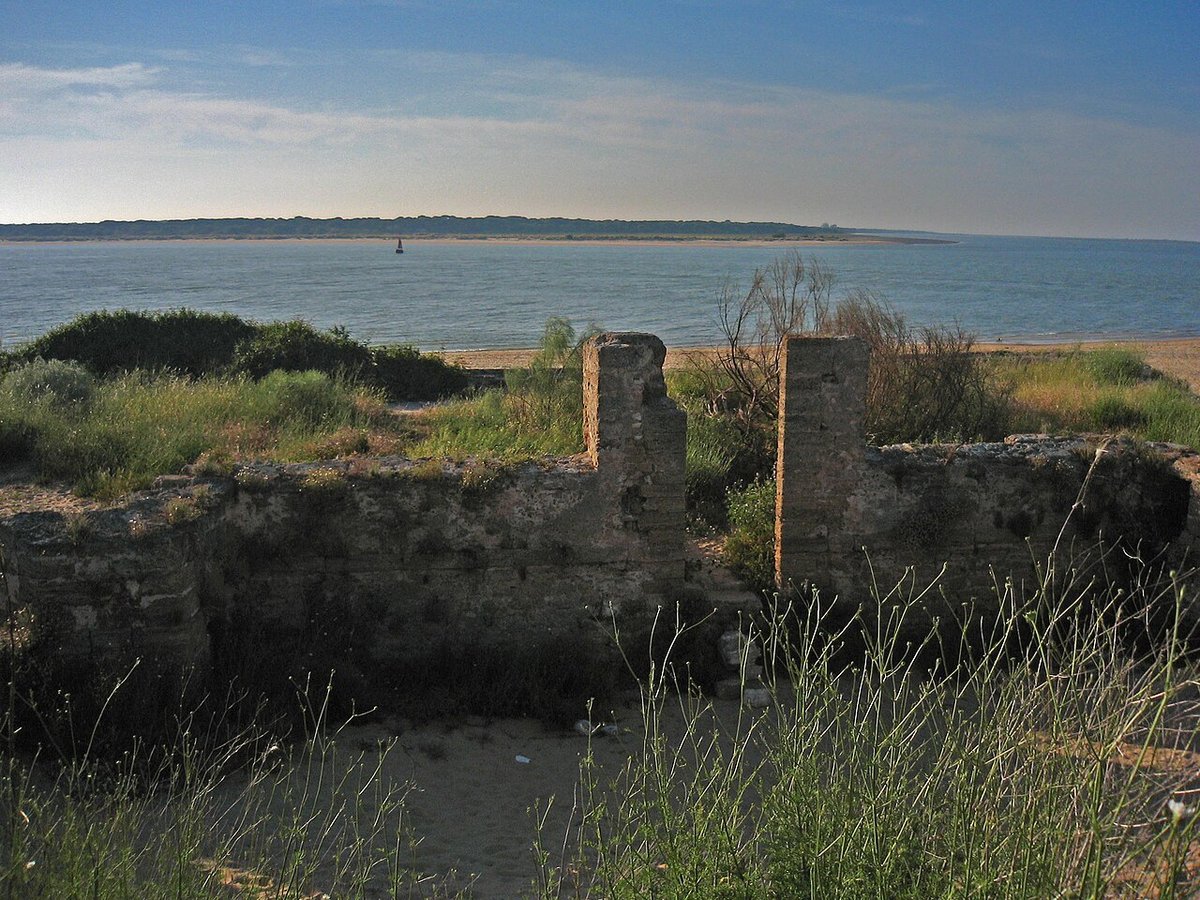
When the tide drops, the Guadalquivir reveals mudflats that stretch toward the horizon. Boat tours leave Bajo de Guía pier at 10 and 4, two-hour driftings past herons, spoonbills and the occasional Iberian lynx print in the sandbanks. English commentary available if you ask when booking; binoculars essential. The real prize is seeing Sanlúcar from the water—its low skyline unchanged since pilots here guided Spanish galleons toward the New World.
Back on land, hire a bike (most hotels lend them free) and follow the paseo marítimo seven kilometres to La Calzadilla beach. The path cuts between pine woods and abandoned salt pans where stilts pick their way through brackish pools. Stop at the wooden mirador for a view that takes in both Atlantic rollers and the sierra behind Jerez, snow-capped well into April. In summer the sea warms to 22°C—cool by Mediterranean standards, but refreshing when the levante wind blows hot off the Sahara.
What to Eat, When to Eat It
Sanlúcar runs on sailor time. Breakfast happens at 8, second breakfast at 11, lunch strictly before 3. Miss the window and you'll find shutters down everywhere except tourist traps by the beach. The market on Plaza de Abastos (open mornings except Sunday) is worth a wander—watch wives prod langostinos the length of a forearm, then join them at Bar La Rosa inside for a plate of pescaíto frito: tiny sole, squid rings, and chunks of marinated dogfish that taste like superior fish fingers.
Evenings belong to tapas crawls. Start at Taberna El Pasaje, where the floor is strewn with sawdust and manzanilla flows from wooden barrels. Order papas aliñás—cold potato salad sharpened with sherry vinegar, topped with crumbling tuna. Move on to Bar La Gitana for prawns simply boiled in seawater; the shells snap open to reveal meat sweeter than any Dublin Bay. Finish at Córdoba 15, a modern place that does squid-ink arancini using local rice. Cash is still king—many bars won't take cards under twenty euros, and ATMs charge €2 a pop.
The Seasonal Shuffle
Spring brings wildflowers to Doñana and comfortable 22°C days—perfect for walking the river walls without the August crush. Feria de la Manzanilla hits late May; the fairground outside town fills with casetas (private party tents) but you can gate-crash most. Flamenco spills onto streets at 2 a.m.; book accommodation early or stay in Cádiz and drive.
Summer is hot—often 36°C by midday—but the Atlantic breeze keeps nights bearable. August races transform the town into a carnival; parking near Bajo de Guía becomes impossible after 5 p.m. Use the shuttle bus from the football stadium or walk the twenty minutes. September sees temperatures drop to 28°C and restaurant prices follow suit. October can surprise with rain, but the river light turns amber and you’ll have the beach to yourself.
Winter is mild—14°C most days—and manzanilla tastes better when there's a nip in the air. Many hotels close January-February; those that stay open slash rates by half. The castle walls offer shelter from Atlantic gales, and bodega warehouses feel almost cosy with their stable temperatures.
Leaving by the Same River
Sanlúcar won't hand you polished experiences on a plate. Boat trips get cancelled if the wind picks up, palace opening times change with the mayor's mood, and that perfect beach bar might shut because the owner's gone to a christening. Yet the rough edges are precisely what make it worth the detour. Where else can you breakfast on shrimp fritters, watch thoroughbreds thunder past fishing boats, and end the day sipping sherry aged under the same sea air you're breathing?
Come for the races or the birdlife, the sherry or the seafood—just don't expect a souvenir strip. Sanlúcar gives you something better: the sense that Spain's Atlantic coast still functions for itself first, visitors second. And when the tide turns and the Guadalquivir starts pushing the ocean back out to sea, you'll understand why nobody here is in a hurry to change that.