Full Article
about Cartaya
Coastal municipality that includes the tourist areas of El Rompido and Nuevo Portil; it combines protected pine forests with unspoiled beaches and rich seafood cuisine.
Ocultar artículo Leer artículo completo
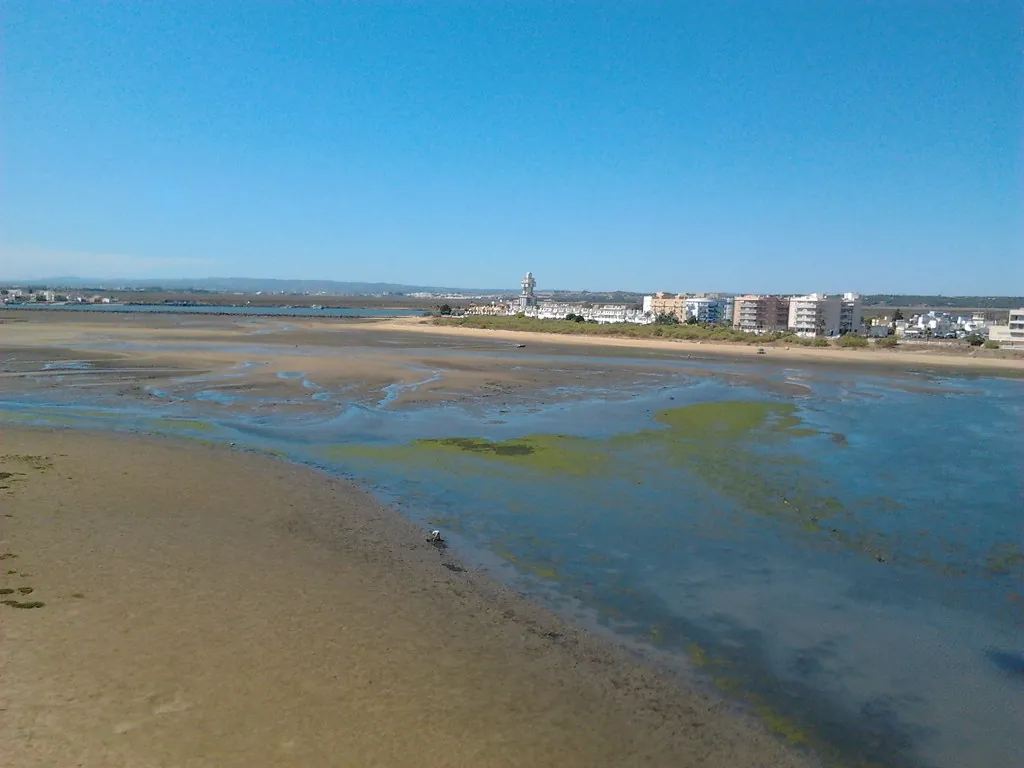
The tide dictates everything in Cartaya. When it's out, the fishing boats in El Rompido sit tilted on sandbanks like discarded toys. When it's in, the same vessels bob purposefully, ready to harvest the Atlantic's daily catch. This rhythm—twice daily, reliable as clockwork—shapes life across a municipality that stretches from white-washed town centre to protected coastal wetlands.
The Town That Faces Inland
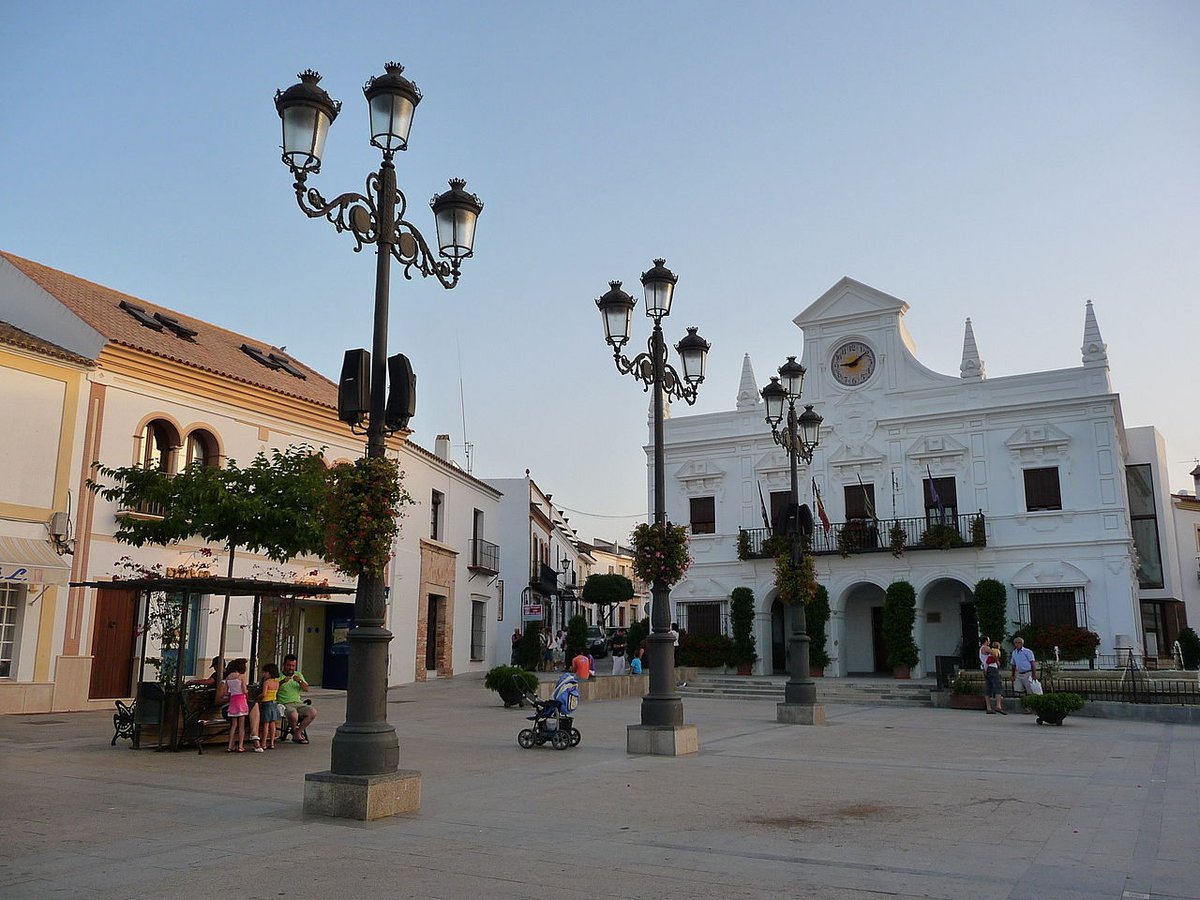
Cartaya's historic core sits twelve kilometres inland, a deliberate choice made by its medieval founders who valued defence over sea views. The Plaza de San Pedro forms the heart, where the Mudéjar-style church anchors a modest square that fills with elderly men on benches and children kicking footballs against stone walls. The castle ruins of Zuñiga crumble quietly nearby—no visitor centre, no gift shop, just the remnants of walls incorporated into modern houses, a reminder that this place once guarded the border with Portugal.
The weekly market spreads across the same square every Thursday morning. Stallholders shout prices in rapid Spanish while British expats negotiate for fresh figs and local olives. The atmosphere feels more utilitarian than touristy: this is where neighbours buy school uniforms alongside sacks of chickpeas, where the hardware stall sits beside the fishmonger's van dispensing the day's catch from ice-filled crates.
Where the River Meets the Ocean
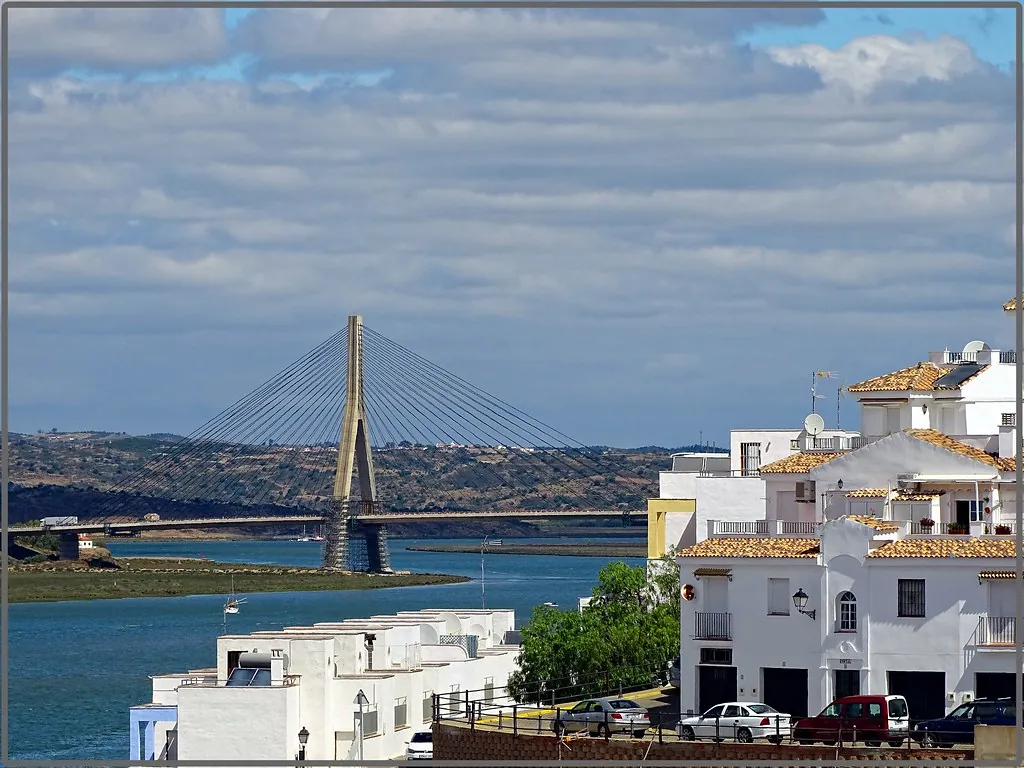
El Rompido feels like a different world entirely. The fishing village—technically part of Cartaya—spreads along the Río Piedras estuary where traditional wooden boats still work the oyster beds. Here, the relationship with water becomes immediate. The marina hosts everything from modest fishing vessels to gleaming yachts, while the promenade fills with Spanish families taking evening strolls along the waterfront.
The Flecha del Rompido stretches beyond—a six-kilometre sand spit formed by centuries of tidal action. Accessible only by foot ferry (€3.50 return, last boat back at 6pm sharp), this protected strip offers Atlantic beaches without the development blighting other Spanish coasts. The trade-off? No facilities whatsoever. Bring water, shade and realistic expectations—the sand flies can be relentless on still days, and the undertow demands respect even from confident swimmers.
The marshes between river and sea host a different kind of wealth. Flamingos winter here, their pink forms visible from the boat as you cross to the beach. The salt pans still operate using methods unchanged since Roman times, producing fleur de sel that appears on restaurant tables across the province. Local guides run kayak tours through the narrower channels—worth booking ahead as trips depend entirely on tidal conditions.
Eating According to the Seasons
Cartaya's restaurants reflect its split personality. In town, family bars serve hearty stews designed for agricultural workers: habas enzapatás (broad beans with ham) and caldillo de perro, a fish soup that bears no resemblance to its alarming name. Portions run large and prices stay reasonable—expect to pay €8-12 for a main course that would satisfy a hungry farmer.
El Rompido's waterfront establishments cater to a different crowd. Here, the day's catch arrives at kitchen doors before dawn. White prawns from Huelva arrive simply grilled with sea salt—their sweet flesh needs nothing more. Choco frito (crispy fried cuttlefish rings) provides a local alternative to calamari, less rubbery and more flavourful. The wine list inevitably features Condado de Huelva whites, crisp enough to cut through seafood richness.
Sunday lunch becomes an institution. Families occupy tables from 2pm onwards, children darting between chairs while grandparents preside over lengthy meals that stretch past 5pm. Book ahead during summer weekends—the Spanish don't consider 4pm late for lunch, and restaurants accommodate accordingly.
Beyond the Beach
The pine forests backing the coast offer respite when Atlantic winds blow too strong for comfortable beach days. Well-marked trails wind through stone pine and cork oak, the ground carpeted with fallen needles that muffle footsteps. Local walking groups meet at the marina most Saturday mornings—visitors welcome, though you'll need reasonable Spanish to follow the route descriptions.
Mountain biking trails spread inland, following old agricultural tracks between orange groves and strawberry fields. The terrain stays mostly flat—this isn't the Alps—but distances can be deceptive under summer sun. Rental bikes appear at several hotels in El Rompido, though quality varies enormously; serious cyclists should bring their own.
Golf courses proliferate west of town, part of the same development that brought hotel chains to an otherwise undeveloped stretch of coast. The contrast can be jarring—manicured fairways separated by dual carriageway from traditional greenhouses growing the strawberries that appear in British supermarkets each winter.
Practical Realities
Cartaya works best with realistic expectations. The town beach doesn't exist—the coast lies fifteen minutes drive away. Public transport runs twice daily between Cartaya and El Rompido, timed for school runs rather than tourist convenience. A hire car transforms the experience, particularly for reaching the excellent restaurants scattered along country roads.
Accommodation divides clearly: El Rompido for beach access and sea views, Cartaya town for authentic local life at half the price. Check locations carefully—several hotels marketed as "Cartaya" actually sit on golf resorts nowhere near either centre.
Summer crowds arrive predominantly from Seville and Huelva, escaping inland heat for August holidays. The atmosphere stays resolutely Spanish rather than international—English spoken in restaurants remains patchy, though attempts at Spanish are met with encouragement rather than impatience. June and September deliver warm weather with manageable numbers; October brings quiet beaches but unpredictable Atlantic storms.
The working fishing fleet means early morning activity—boats leave around 5am, returning by 2pm with the day's catch. This creates an authentic backdrop but also practical noise for waterside accommodation. Choose marina views for atmosphere; head inland for guaranteed quiet.
Cartaya offers something increasingly rare along Spanish coasts—a place where tourism supports rather than replaces traditional life. The marshes still produce salt, boats still harvest seafood, locals still occupy the bars. It's neither picture-postcard perfect nor deliberately quaint. Instead, it presents a working coast where visitors slot into existing rhythms rather than demanding the reverse. Come prepared to adapt to local schedules, embrace the tidal timetable, and accept that some days the Atlantic simply won't cooperate. The reward lies in experiencing a corner of Spain that remains fundamentally itself.