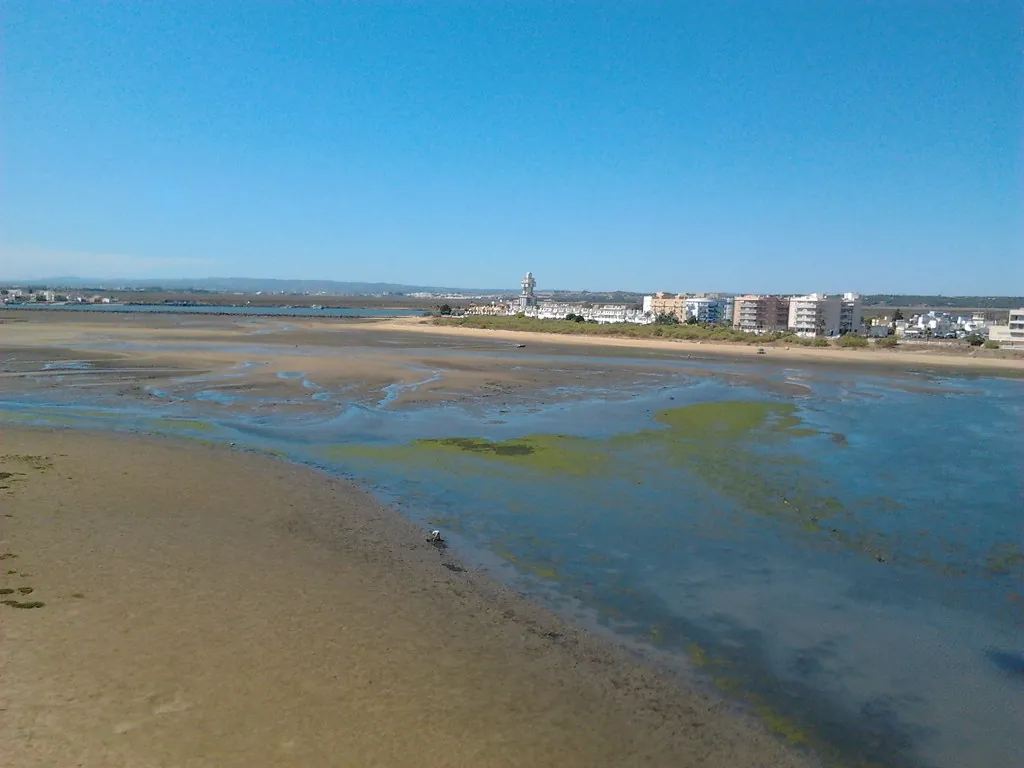
Isla Cristina - Flickr
Andalucía · Passion & Soul

Isla Cristina

At six-thirty the harbour already clatters. Fork-lifts skid across wet concrete, crates of boquerones slide onto lorries, and the auction hall flic...

21,525 inhabitants · INE 2025
3m Altitude
Coast Mediterráneo

Why Visit

Coast & beaches Fish market Visit the fish auction

Best Time to Visit

summer

Carnaval de Isla Cristina (February) julio

Things to See & Do
in Isla Cristina

Heritage

  • Fish market
  • Isla Cristina marshes
  • Central Beach

Activities

  • Visit the fish auction
  • Chameleon Route
  • Carnival

Festivals
& & Traditions

Fecha julio

Carnaval de Isla Cristina (febrero), Fiestas del Carmen (julio)

Las fiestas locales son el momento perfecto para vivir la autenticidad de Isla Cristina.

Full Article
about Isla Cristina

Major fishing port in Andalusia, known for its salted fish and preserves; beach destination with wide sands and marshes of high ecological value.

Ocultar artículo Leer artículo completo

Dawn smells of diesel and shrimp

At six-thirty the harbour already clatters. Fork-lifts skid across wet concrete, crates of boquerones slide onto lorries, and the auction hall flicks with fluorescent light. Nobody’s here for show: white coats stamp tickets, buyers check mobile phones, the catch is gone within twenty minutes. Stand at the railings outside and you’ll catch the mixed perfume of diesel, salt and fresh prawn that drifts over the town for the rest of the morning. This is Isla Cristina’s heartbeat, not a staged tourist vignette, and if you arrive expecting pancake-flipping chefs you’ll be disappointed. Turn up early, keep quiet, and you’ll watch one of Andalucía’s biggest fishing fleets land tomorrow’s dinner.

The settlement isn’t technically an island any more; a canal cut for salt pans in the eighteenth century turned it into a peninsula, but the name stuck. Three metres above sea level at most, it sits on the western lip of Huelva province where the Guadiana estuary slips into the Atlantic. That position explains both the silt-coloured shallows and the relentless wind that can sand-blast an English complexion in May. It also explains the food: white shrimp so sweet they need nothing but a grill, and tuna that arrives in loin-sized bricks, not tins.

Beaches built for social distancing

Spanish families talk about “la playa de Isla” as if there were only one, but the strand is a 12-kilometre scallop of sand broken by short breakwaters. Playa Central, the easiest reach from the low-rise apartment blocks, offers sun-lounger rows in summer and a wide concrete promenade good for push-chairs or mobility scooters. Walk ten minutes east towards the ruined nineteenth-century fort and the density halves; continue another kilometre to Punta del Moral and you’ll share dunes with Kentish plovers and the occasional naturist. Even in August, when Seville empties into the coast, there is space to lay a towel without touching a neighbour—something increasingly rare on the southern coast.

Water temperatures peak at 23 °C in late August, cool enough to refresh but warm enough for children to stay in past lunchtime. Currents are generally gentle, yet the wind can whip up surf good for beginner body-boarding. Lifeguards plant red flags when Levante blows hard; ignore them and you’ll discover why the local ambulance keeps a spinal board ready.

Lunch follows the tide, not the clock

Seafood prices rise the further you walk from the harbour. In the back-street bars around Calle Candelaria, a plate of fried anchovy costs €4 and comes with a paper mat rather than a view. On the waterfront paseo the same dish reaches €9, but you get to watch gulls pirouette over masts while you eat. Neither option will break a British bank: a mixed fry-up for two, salad and a carafe of local white rarely tops €35, roughly what a pub platter and a pint cost in Brighton these days.

If you’re card-only, stock up before noon; several market-side stalls haven’t heard of contactless. The simplest tactic is to point at the display cabinet and ask for “recomendación del día”. Whatever the fishmonger lifts first will be the freshest, usually dorada (gilt-head bream) or urta (local sea bream) simply grilled with olive oil and a squeeze of lemon. Vegetarians can survive on tortilla and the island’s habit of serving chips with everything, but this is not a town that worships pulses.

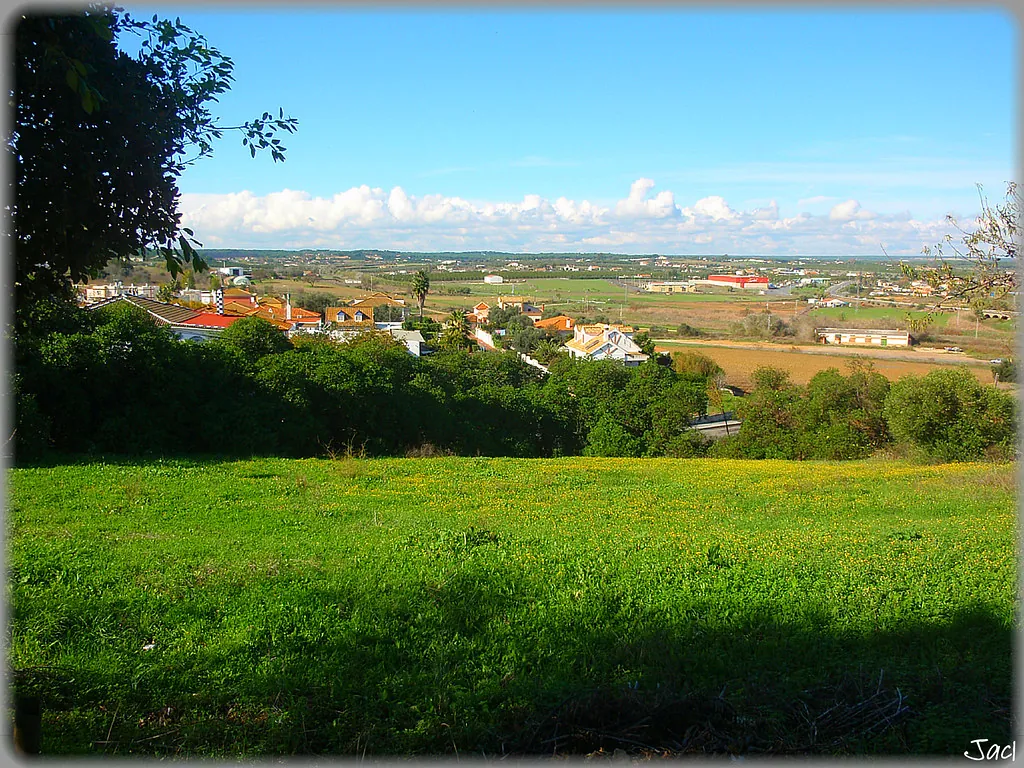
Flat pedals, flamingo neighbours

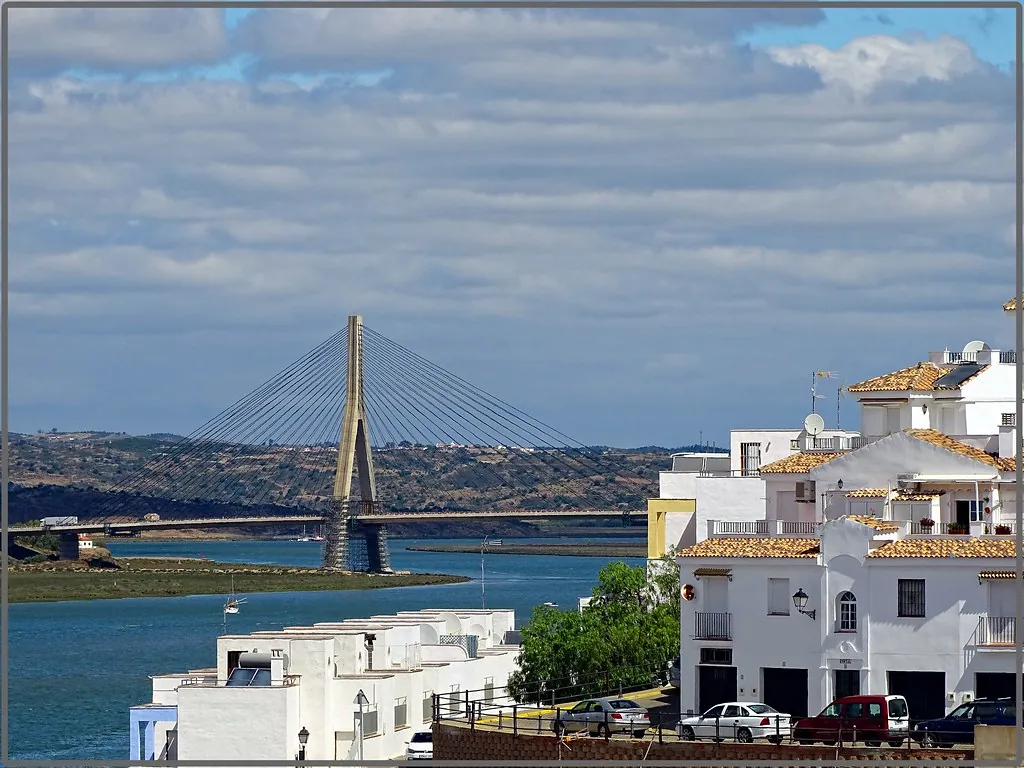
The land behind the town is a jigsaw of salt pans and pine-fringed marshes protected as the Parque Natural Marismas de Isla Cristina. A cycle path, dead-level and mostly concrete, runs 18 km north to the bridge at Ayamonte where the Guadiana forms the Portuguese border. Hire bikes at the kiosk by the yacht club (€12 a day; helmets included but bring your own padlock) and you can cover the return trip in a lazy morning, pausing at wooden hides to scan for flamingos that overwinter from October to March. Early risers often have the path to themselves; by eleven the wind strengthens and cycling feels like a treadmill set to incline.

If you prefer boots to pedals, a shorter board-walk loop starts opposite the petrol station on the A-5150. The surface is wheelchair-friendly and the walk takes thirty minutes, though photographers linger longer when spoonbills feed in the shallows. Carry water: shade is non-existent and café stops appear only when you reach the urban grid.

February fancy dress and July fireworks

Carnival arrives late here, usually the week after the rest of Europe has vacuumed up its glitter. That suits the local fondness for doing things on island time. Comparsas—satirical singing troupes—rehearse from September onwards, and the town’s population effectively doubles on the Saturday parade. Hotels sell out months ahead, but day-trippers can still park at the football ground and squeeze along Calle Real for a look. Expect political jokes that pass over foreign heads, plus costumes that put Brighton Pride to shame for sheer feather count.

Summer’s big moment is the Virgen del Mar procession in mid-July, when the statue leaves her church, is carried aboard a trawler, and circuits the harbour while fire-crackers ricochet off the water. Spectators pack the breakwater; arrive an hour early or you’ll be third-row deep in push-chairs. Afterwards the town lets off steam with outdoor concerts that finish by 01:00, early enough for parents who’ve promised the kids beach time next morning.

Getting here, getting out

Faro airport sits 65 km west, a straight run down the A22 then the N125. Car-hire desks stay open for evening Ryanair arrivals, and Portuguese rental rates undercut Spanish equivalents by roughly 30 %. Seville is slightly further (110 km) but offers more UK routes outside summer. Without wheels you’re stuck: buses from Huelva city are infrequent, and the railway never reached this corner of Andalucía.

Driving also gives escape routes. Ayamonte’s old quarter, all azulejos and quiet squares, lies fifteen minutes away and serves Portuguese-style coffee that costs €1.10 instead of the €2.50 charged on the seafront. Cross the Guadiana bridge and you’re in the Algarve, where golf courses and English breakfast pubs await anyone who misses home—though after a few days of Isla Cristina’s slow rhythm, full English may feel like one import too many.

The honest verdict

Come for fish so fresh it twitches, beaches wide enough to lose the crowds, and a harbour that still earns its living from the sea rather than souvenir tea-towels. Do not come for Michelin stars or sofa-bed nightclubs; the town nods off around midnight and architectural splendour is thin on the ground. Rain is scarce but wind is not—take a rash vest as well as sun-cream—and if you need constant stimulation you’ll run out of sights within two days. Treat Isla Cristina as a place to slow down, eat well and let Atlantic light reset your body clock and it delivers precisely what southern Spain once promised before the rest of us arrived.

Key Facts

Region
Andalucía
District
Costa Occidental
INE Code
21042
Coast
Yes
Mountain
No
Season
summer

Livability & Services

Key data for living or remote work

2024
ConnectivityFiber + 5G
HealthcareHealth center
EducationHigh school & elementary
Housing~5€/m² rent · Affordable
CoastBeach 1 km away
January Climate11.8°C avg
Sources: INE, CNMC, Ministry of Health, AEMET

Official Data

Institutional records and open data (when available).

  • Huerta Noble
    bic Monumento ~3.2 km
  • Cementerio Católico de Isla Cristina
    bic Monumento ~0.8 km
  • Molino de las compuertas
    bic Monumento ~0.7 km
  • Molino de Tamujar Grande
    bic Monumento ~2.7 km

Planning Your Visit?

Discover more villages in the Costa Occidental.

View full region →

More villages in Costa Occidental

Traveler Reviews