Full Article
about San Silvestre de Guzmán
Quiet municipality in southern Andévalo near the coast; features dehesa and dry-farmed fields in a relaxed setting.
Ocultar artículo Leer artículo completo
The church bell strikes noon and the only other sound is a tractor changing gear somewhere beyond the white houses. San Silvestre de Guzmán doesn't announce itself. It sits 134 metres above sea level where the Costa de la Luz begins its climb towards the Sierra de Aracena, 45 minutes' drive west of Huelva city, and it measures time by farming seasons rather than tour buses.
This is not a village that has reinvented itself for visitors. The handful of British number plates that appear each year belong mostly to people who've already bought ruins in neighbouring hamlets and are popping over for supplies. They come for the agricultural supply shop on Calle Real, for the bakery that still sells bread by weight, and for the realisation that Spanish country life continues perfectly well without Instagram.
What Working Villages Actually Look Like
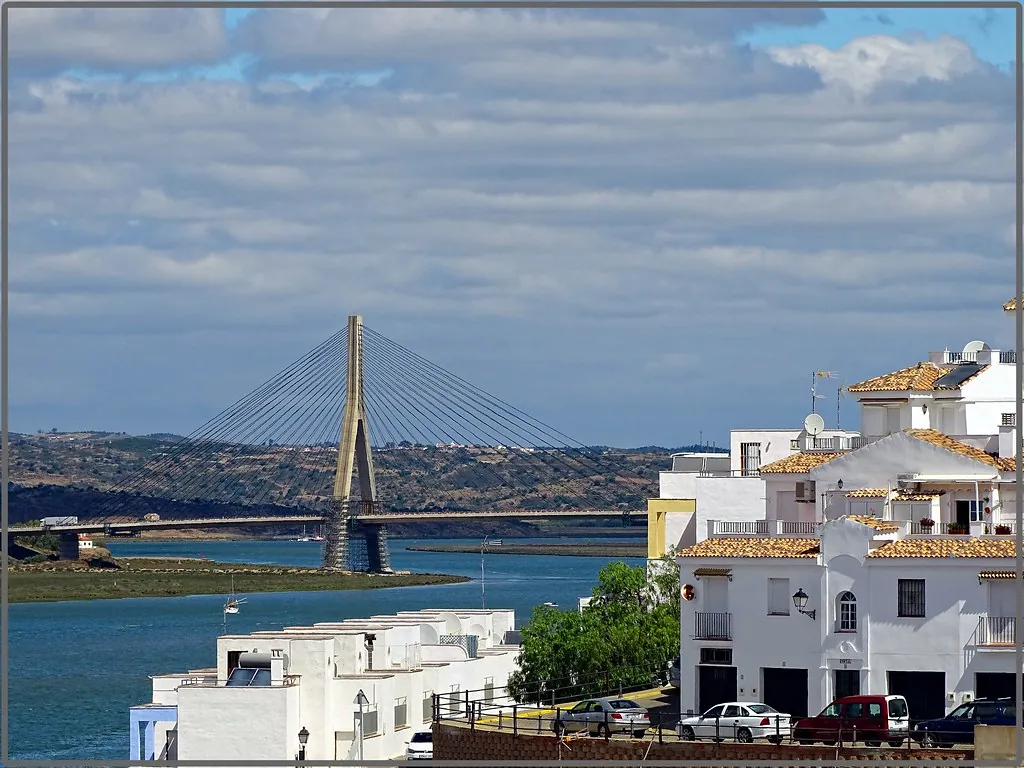
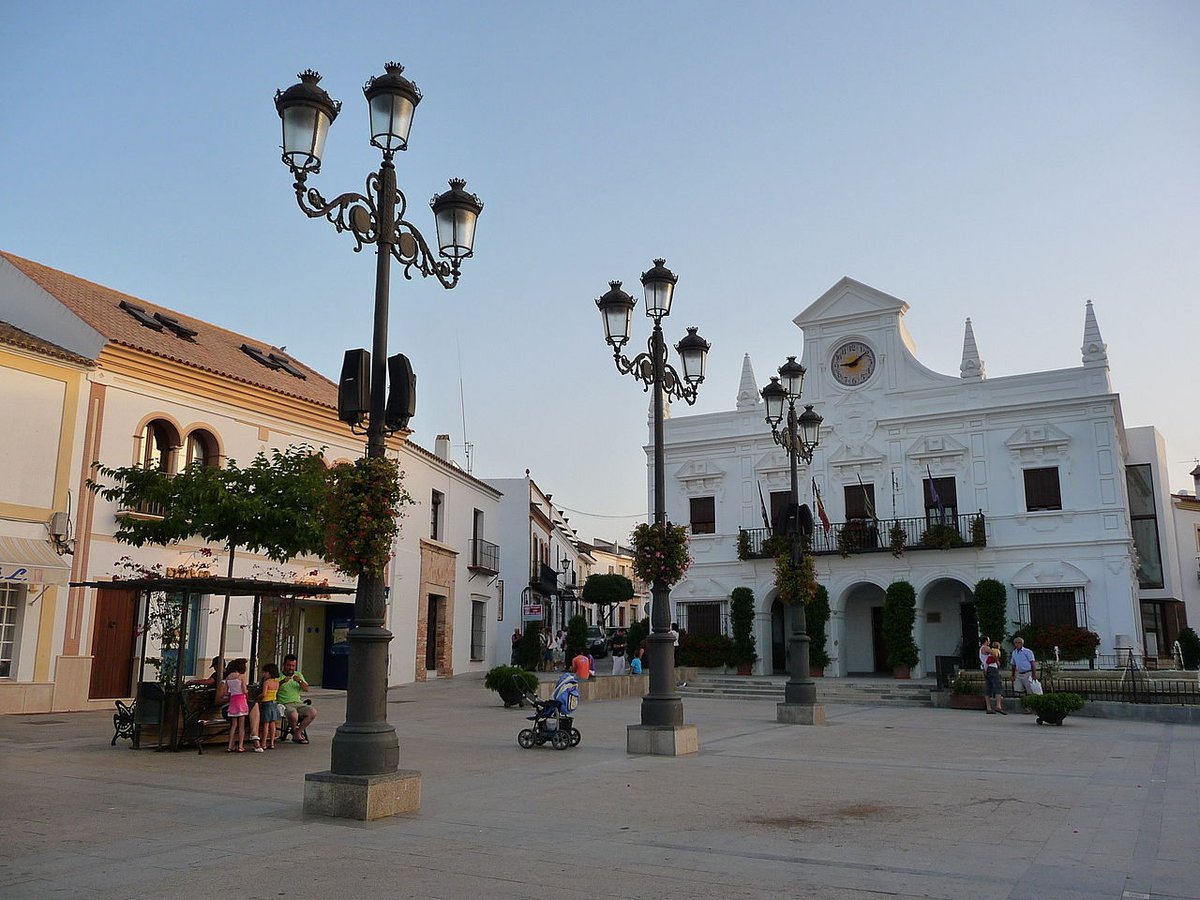
The centre holds. Church of San Silvestre Papa anchors the main square, its modest façade weathered to the colour of old bone. Houses radiate outwards in that irregular pattern common to settlements that grew before town planning. Some retain the iron grilles that once protected against Moorish raids; more recently they've protected against nothing more threatening than wandering goats. Walls are thick, windows small, roofs tiled in the local ochre that photographers call 'Andalusian rust' but builders simply order by catalogue number.
Walk five minutes in any direction and agriculture takes over. Dehesa landscape spreads out, that uniquely Iberian mix of cork oak and holm oak where black pigs root for acorns each autumn. Between these ancient woodlands stretch fields of cereals and sunflowers, plus newer plantations of olives that replaced wheat when EU subsidies made them profitable. The soil is poor, red-tinged, full of stones that farmers have been clearing for centuries and stacking into the boundary walls that delineate ownership rather than keep anything in or out.
Eating What the Land Permits
Food follows logic. In season - roughly October through February - the menu features wild boar stewed with chestnuts, the meat dark and slightly sweet from the acorn diet. Iberian pork appears year round, usually as presa, that shoulder cut which costs a third of what London butchers charge for the same thing. Summer brings gazpacho thick enough to stand a spoon in, plus migas - fried breadcrumbs with garlic and peppers - that originated as a way to use stale bread when temperatures made baking impractical.
There are two proper bars. Bar Cruz opens at 7am for coffee and churros, serves beer and tapas until 4pm, then reopens at 8pm for the evening shift. Their tortilla is proper country style: thick, slightly runny in the middle, flavoured with onion because that's how locals prefer it. Bar Silvestre opposite the church does slightly more elaborate dishes - pork cheek stewed in wine, grilled prawns when the coast delivers them - but still closes on Mondays because everyone needs a day off. Expect to pay €8-12 for a main course, €2.50 for a beer, and don't expect anyone to speak English because why would they?
Walking Without Waymarks
The village sits on a lattice of agricultural tracks that predate GPS. These caminos lead through dehesa, past abandoned cortijos where storks nest on roof beams, up to viewpoints where on clear days you can see the Atlantic glinting 30 kilometres away. None are waymarked in the British sense - occasional concrete posts show property boundaries, and locals navigate by knowledge accumulated since childhood.
Serious walkers should download offline maps. Phone signal drops in valleys, and while getting lost isn't dangerous - eventually you'll hit a road - it can add hours to what was meant to be a gentle stroll. The circuit to Los Romeros chapel takes three hours, passes zero facilities, and offers that rare experience of hearing absolutely nothing man-made. Spring brings wildflowers in abandon: purple lupins, white asphodels, the yellow of Spanish broom so bright it hurts to look at directly.
When to Come and When to Stay Away
March through May works best. Temperatures hover around 20C, the countryside greens up from winter rains, and agricultural activity provides interest without noise. September and October repeat the trick, plus you get the added drama of harvest - combines working late into evening, the sweet smell of crushed grapes from small vineyards, local hawks following tractors for easy prey.
August is brutal. Temperatures regularly exceed 40C by midday, sensible people don't emerge until evening, and the fiesta - while authentic - involves three nights of bands playing until 5am. If you must come in summer, book accommodation with thick stone walls and accept that outdoor activity is restricted to dawn and dusk. Winter conversely brings crisp blue skies and empty countryside, though nights drop close to freezing and many bars reduce hours because custom disappears.
The Practicalities Nobody Mentions
Getting here requires a car. Public transport from Huelva involves two buses and a timetable that assumes you're retired or unemployed. The nearest train station is 40 minutes away in Ayamonte, itself reached by changing at Seville. Hire cars from Faro airport work out cheaper than Huelva, plus you get to cross the Guadiana river on the ferry from Portugal - a five-minute journey that still feels thrillingly foreign.
Accommodation options are limited. There's one rural guesthouse with four rooms, two self-catering cottages restored by expats, and a handful of rooms above Bar Cruz that the owner lets out when busy. Book ahead for Easter and fiesta week; the rest of the year you can probably just turn up, though calling first demonstrates courtesy that gets remembered.
Cash remains king. The village ATM broke three years ago and nobody's bothered replacing it because everyone uses the bank in neighbouring Villarrasa. Both bars accept cards reluctantly - the machine is dial-up and takes forever - so bring euros or face the 15-minute drive to the nearest functioning cashpoint.
San Silvestre de Guzmán offers no epiphanies. It won't change your life or provide stories for dinner parties. What it does offer is the increasingly rare chance to see rural Spain continuing exactly as it has for decades, where the church bell still calls time and where lunch remains the most important part of the day. Come for that, or don't come at all.