Full Article
about Albondón
Known as the balcony to the sea of the Contraviesa; famous for its vineyards and traditional local wine.
Hide article Read full article
A village that moves at its own pace
Some places seem designed for a quick stop and a photo before moving on. Albondón is different. Arrive here expecting headline monuments or streets lined with shops and it may catch you off guard. This is somewhere that runs on a quieter rhythm.
The village sits at around 900 metres above sea level, in the area where the Alpujarra begins to tilt towards the coast. Just over 700 people live here, and daily life still revolves around what the land provides: olives, almonds and a few vineyards planted on hillsides that in summer look too dry to yield anything at all, yet they do.
There are no grand attractions and no historic quarter arranged for coach tours. What you find instead is a place that continues to function as a village rather than as a backdrop.
Walking without a plan
The simplest way to understand Albondón is to walk. Go uphill, then downhill, without worrying too much about the map.
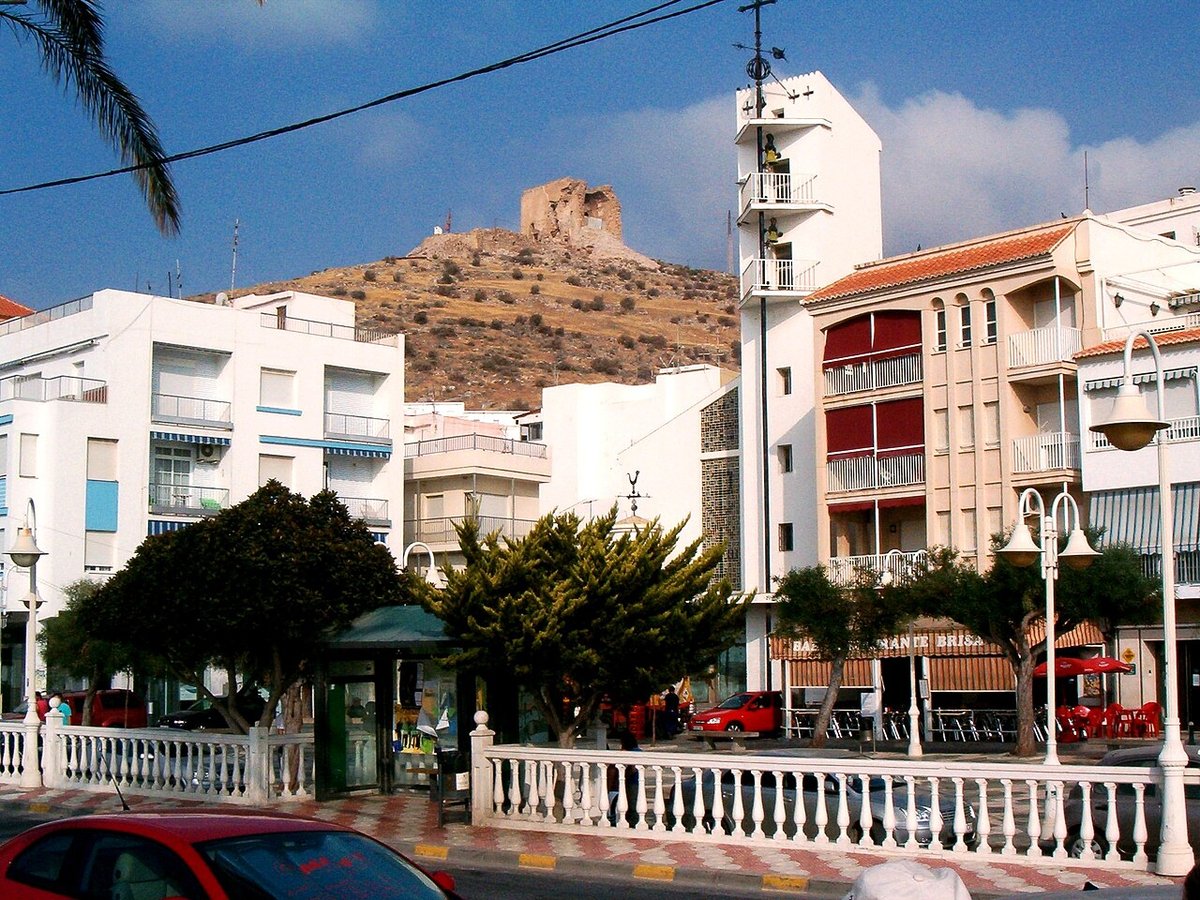
The streets are narrow and steep. Whitewashed houses cling to the slope as best they can. Many retain features typical of Alpujarra architecture: cylindrical chimneys rising above flat roofs, and tinaos, covered porches traditionally used for shade or shelter when the weather turns. These elements are not decorative touches for visitors, they remain part of everyday life.
The Iglesia de Nuestra Señora de la Encarnación stands in one of the central points of the village. Its origins are usually placed in the 16th century, built after the Muslim period, which is common in this part of Granada province. The exterior is sober. Inside, Mudejar details in the roof structure hint at the area’s past. For readers less familiar with Spanish history, Mudejar refers to the artistic influence of Muslim craftsmen working under Christian rule, often visible in wooden ceilings and geometric decoration.
The main square acts as the meeting point. It is neither large nor monumental, yet it is where conversations stretch out and neighbours stop to talk. In a village of this size, someone always knows someone else, and that atmosphere shapes the space more than any architectural feature.
Terraces carved into the hillside
Step just beyond the built-up area and the bancales appear. If you have travelled elsewhere in the Alpujarra, they will look familiar: stone terraces cut into the mountainside, forming steps across the slope.
In Albondón they remain very present, and many are still cultivated. Olive trees, almond trees and small vegetable plots shape the landscape around the village. In March, when the almond trees blossom, the pale flowers shift the tone of the valley against the otherwise dry ground.
It is an agricultural setting without theatrical viewpoints or carefully framed panoramas. That simplicity makes it easier to picture how life has unfolded here over generations. The terraces are not a relic, they are working ground.
Paths towards the sierra
Albondón also works well as a base for walking in the lower sierra that connects with Sierra Nevada. The terrain rises and falls quickly, and the sense of height is constant.
One of the best-known routes climbs towards the Cerro del Conjuro. It is not a technical hike, though the gradient is noticeable and carrying water is advisable, especially in warmer months. From the top, on a clear day, the view stretches across the higher Alpujarra and out towards the line of the Mediterranean in the distance.
Other rural tracks leave the village and cross cultivated land or areas of low scrub. Many began as agricultural access routes and are still used by local residents. It is normal to come across a car, a tractor or someone at work along the way. These are shared paths rather than signposted visitor trails, and that shapes the experience.
Food rooted in the land
Cooking in Albondón is direct and tied to local produce. Dishes are designed for people who have spent the morning working outdoors.
Olive oil is one of the foundations of the kitchen. Homemade embutidos, traditional cured sausages, are common. Meat dishes such as choto al ajillo, goat cooked with garlic, appear on the table, as do sweets in which almonds feature prominently. These are solid, filling meals that reflect daily labour more than culinary experimentation.
The ingredients mirror the fields around the village. Almonds from the terraces end up in desserts, olives become oil, and livestock finds its place in hearty plates. There is a clear link between what grows outside and what is served indoors.
Local festivals, local focus
Celebrations in Albondón retain a distinctly local tone. One of the best known is the feast of San Blas at the beginning of February. Religious events take place alongside neighbourhood gatherings where music and food are central.
Summer brings the main fiestas. There are open-air dances, activities organised by local associations and the familiar August atmosphere found in many Andalusian villages. People who have moved away return for a few days, families meet up again, and the square sees more movement than usual.
Semana Santa, Holy Week, is more restrained here than in larger towns and cities. Processions move slowly through narrow, sloping streets, and the pace is set as much by the terrain as by tradition.
The road up from the coast
Albondón lies about 75 kilometres from Granada city. The usual approach is to head towards the coast on the A-44 in the direction of Motril, then turn inland onto regional roads that climb back up into the hills.
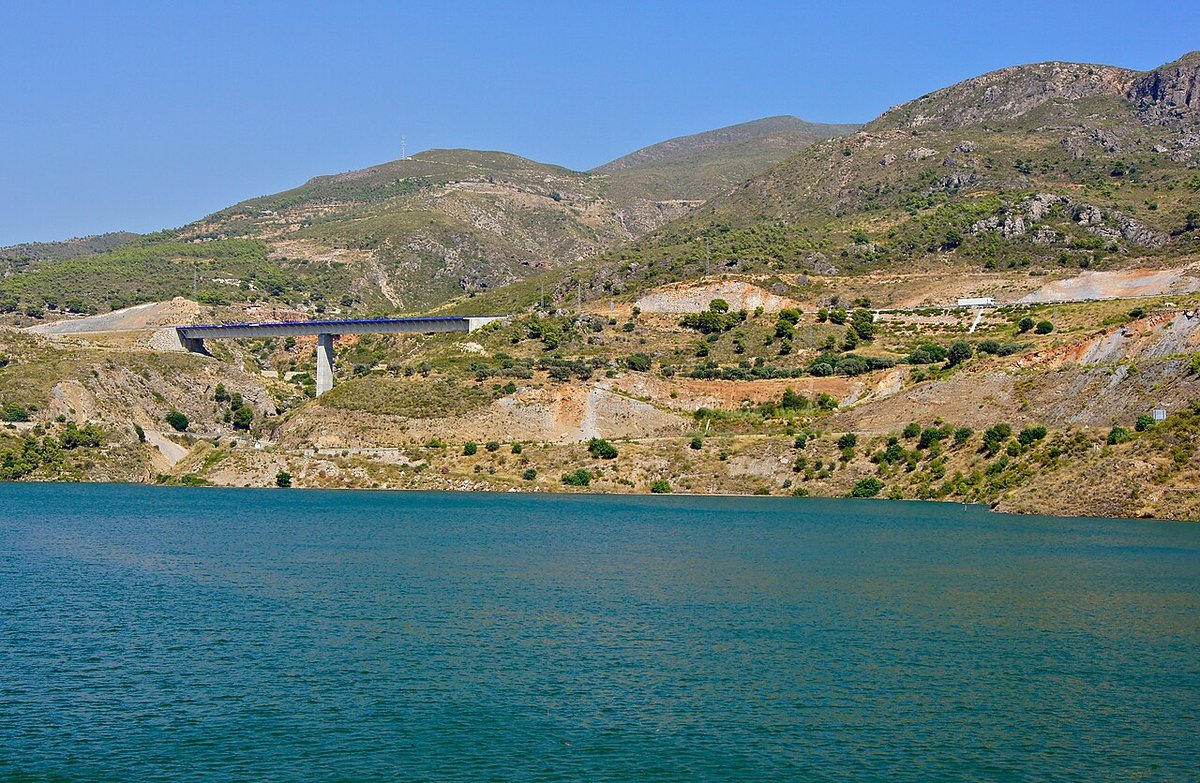
The final stretch includes plenty of bends, the kind that require patience. It is also the point at which the views begin to open up, with the sierra on one side and the sea visible far off on clear days.
That in-between position helps explain the character of the village. Albondón sits in a transitional landscape, neither fully mountain nor fully coastal. It continues at its own tempo, without much concern for drawing attention. Arriving with that expectation makes all the difference.