Full Article
about Almuñécar
Major coastal resort with a long Phoenician and Roman past; wide beaches and subtropical climate that let exotic fruit flourish.
Hide article Read full article
A coastal town that keeps its past close
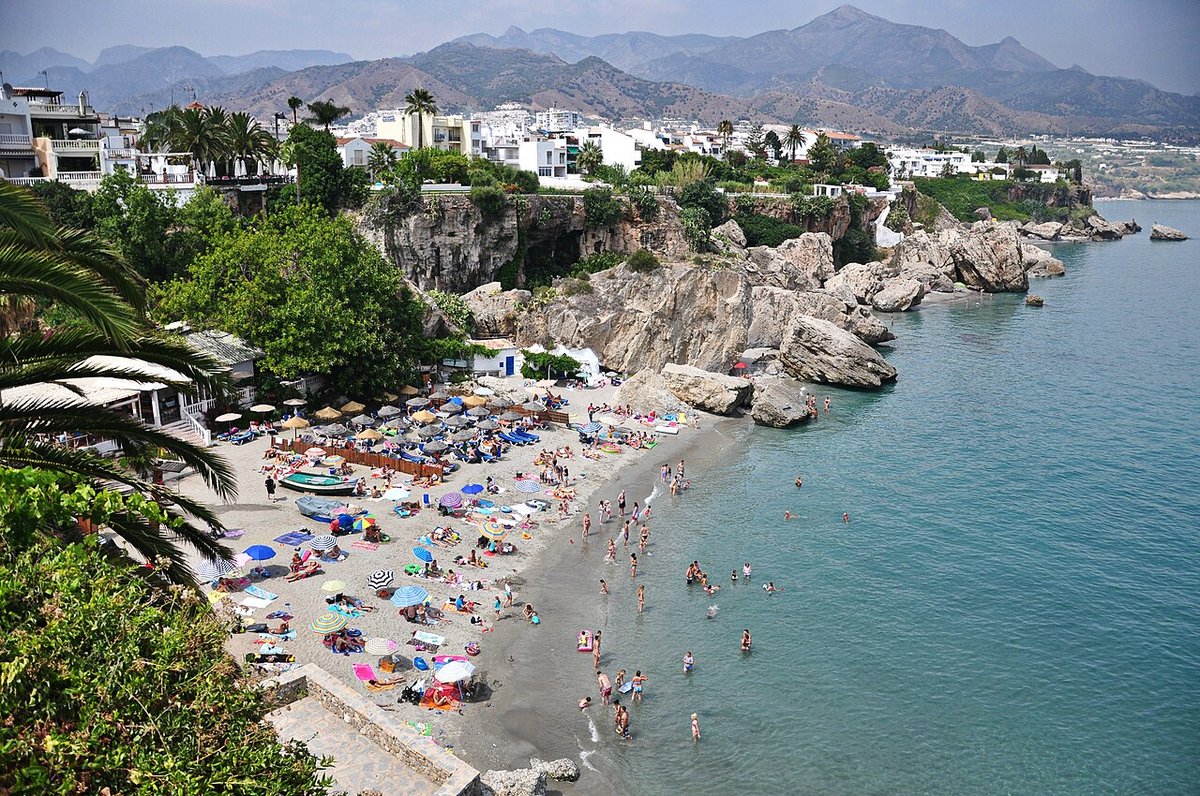
Almuñécar has the feel of a place you think you understand at first glance, then slowly realise there is more going on beneath the surface. Around 27,500 people live here, spread between the old town, the seafront promenade and the housing developments that now line much of the coast. It sits on the Costa Tropical, a stretch of southern Spain shaped as much by the Mediterranean as by the surrounding subtropical farmland.
This is not a recent tourist story. People were trading fish and salt here more than two thousand years ago, long before this part of Granada’s coastline appeared on holiday itineraries.
A place that kept changing hands
The Phoenicians arrived in this area during the first millennium BC and founded a colony called Sexi, a name that still raises eyebrows today. Their focus was on fish salting and maritime trade, sending goods across the Mediterranean.
Later came the Romans, who renamed it Sexi Firmum Iulium. The name sounds grand, but the reality was a busy town tied closely to the fishing industry. Traces of that period are still visible. Sections of Roman aqueducts remain scattered across the municipality, along with archaeological finds uncovered over the years. It is not an extensive ruin site, but it gives a clear sense of how important this place once was for processing and exporting fish.
Centuries later, another key moment unfolded here. In 755, Abderramán I landed on this coast while fleeing the Abbasids. From Almuñécar, he began the journey that would eventually lead to the Emirate of Córdoba. Today, a statue along the seafront marks the event, facing out to sea as if still weighing up the next move.
A microclimate that shapes daily life
The climate in Almuñécar is something you notice rather than read about. While Granada city can feel cold in winter, here mangoes and chirimoyas continue to ripen. The name Costa Tropical is not just for show.
Even so, this is not a tropical fantasy. Almuñécar remains an Andalusian town at heart, with sloping streets, neighbours calling across the road, and local shops stacked with avocados grown nearby.
There is a less relaxed side in peak summer. The amount of development along the coast means traffic builds up, and parking near the centre can become a small challenge. In August especially, it often makes sense to leave the car as soon as a space appears and continue on foot.
The castle above it all
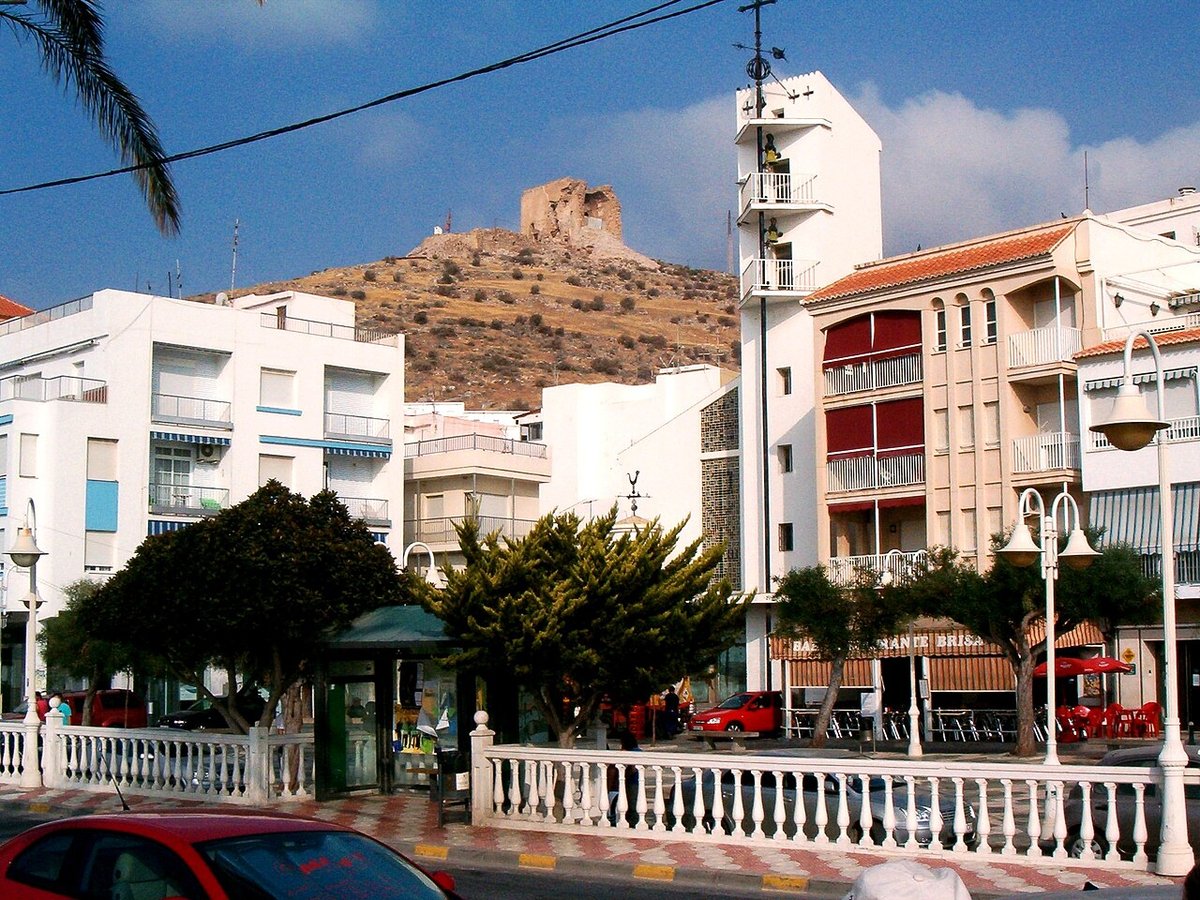
Castillo de San Miguel stands above the old town and offers a useful way to understand how Almuñécar has evolved. Its foundations go back to earlier periods, the Arabs strengthened the fortress, and later Christian modifications added further changes. What you see today is the result of those successive stages.
The walk up is steep in places, but the view at the top pulls everything together. The white houses of the old quarter spread down the hillside, the marina sits off to one side, and the Mediterranean fills the horizon.
Looking inland, parts of the Roman aqueducts can still be picked out, once used to carry water to the old fish-salting factories. From this vantage point, the connections between sea, town and surrounding land become clear.
What tends to be on the table
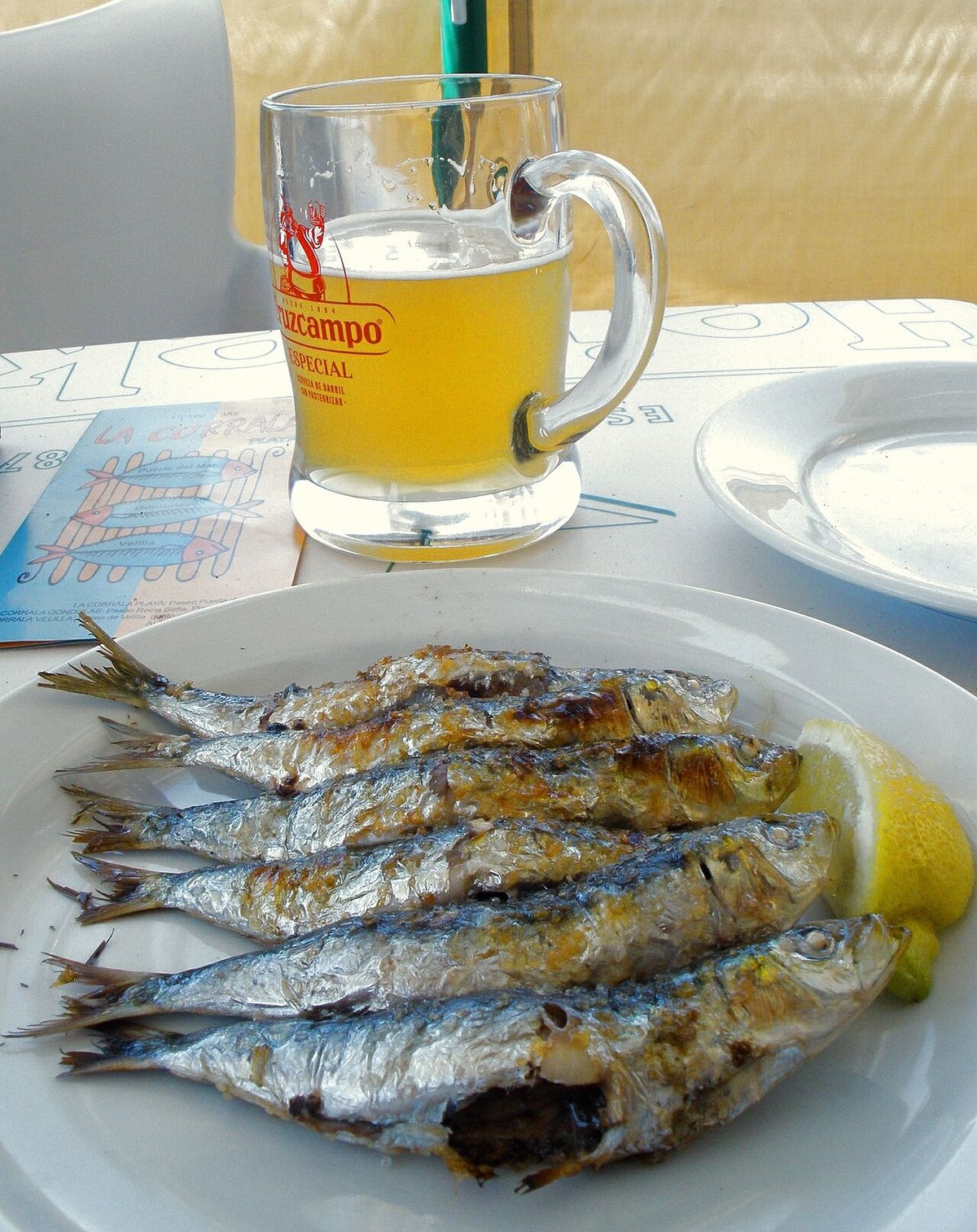
Food in Almuñécar leans heavily on fish and produce from the surrounding tropical farmland. One of the dishes that appears frequently is cazuela de pescaito al estilo de Almuñécar. It is a simple preparation of small fish cooked with garlic, olive oil and paprika, served in an unpretentious dish that delivers plenty of flavour.
Another familiar option is fried aubergines with molasses made from sugar cane. It is the kind of dish that seems light when ordered, yet has a way of keeping people at the table longer than planned. The contrast between sweet and fried is part of the appeal.
During Semana Santa, traditional sweets come into play. Pestiños and roscos fritos are closely linked to home kitchens and family gatherings, rather than formal dining, and appear around this time of year.
Choosing the right moment to visit
Spring tends to show Almuñécar at its most comfortable. April and May bring mild weather, the sea begins to warm, and the summer crowds have not yet arrived.
Early autumn also works well. September and part of October keep much of the summer warmth in the water, while the pace of the town eases. Around this time, local celebrations honour the Virgen de la Antigua, a festival with deep roots in the community.
August is a different experience altogether. Beaches fill up, traffic slows, and the town becomes busier in every sense. For some, that energy is part of the appeal. For others, it can feel overwhelming. Those looking for a quieter stay often choose another time of year.
Almuñécar does not try to reinvent itself. On some days it smells of the sea, on others of fish or ripe fruit. Its character comes from that mix, and from the long connection between the town and the Mediterranean. A walk from the castle down through the old streets to the beach is often enough to make sense of it.