Full Article
about Gualchos
Municipality that combines the mountain village of Gualchos with the coastal town of Castell de Ferro; beaches and farming tradition
Hide article Read full article
Gualchos: The Hill, The Beach, and The Bit in Between
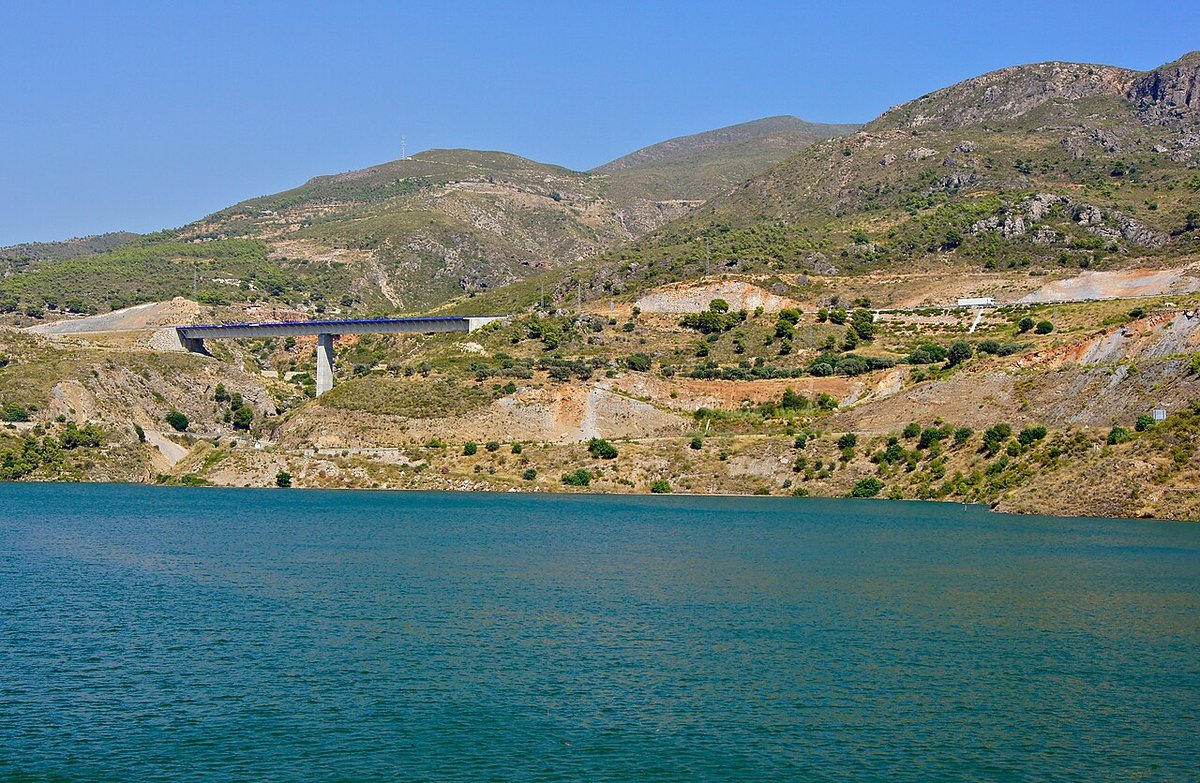
Driving down towards Castell de Ferro, the road does that thing where you’re not sure if you’re going towards the sea or into the mountains. Then someone hands you a cherimoya over a garden wall. It tastes like a banana and a pineapple had a kid. You’re officially in Gualchos territory.
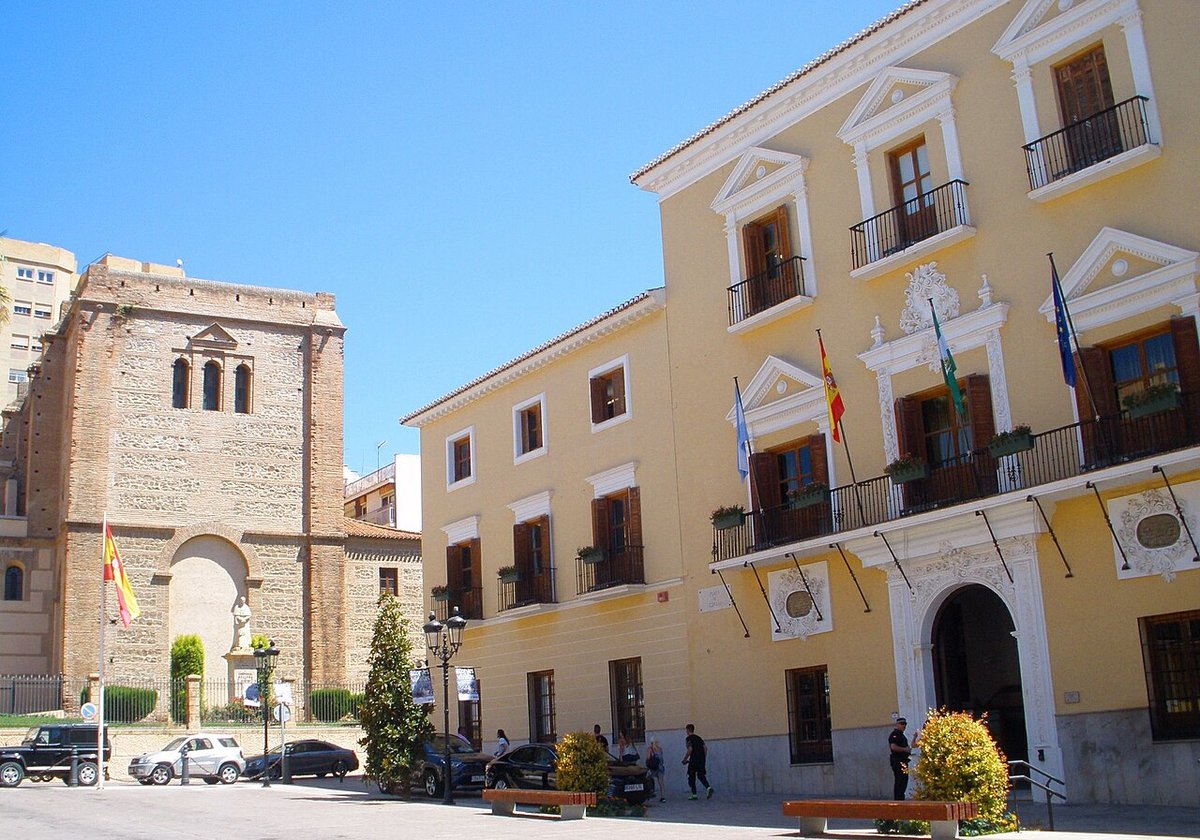
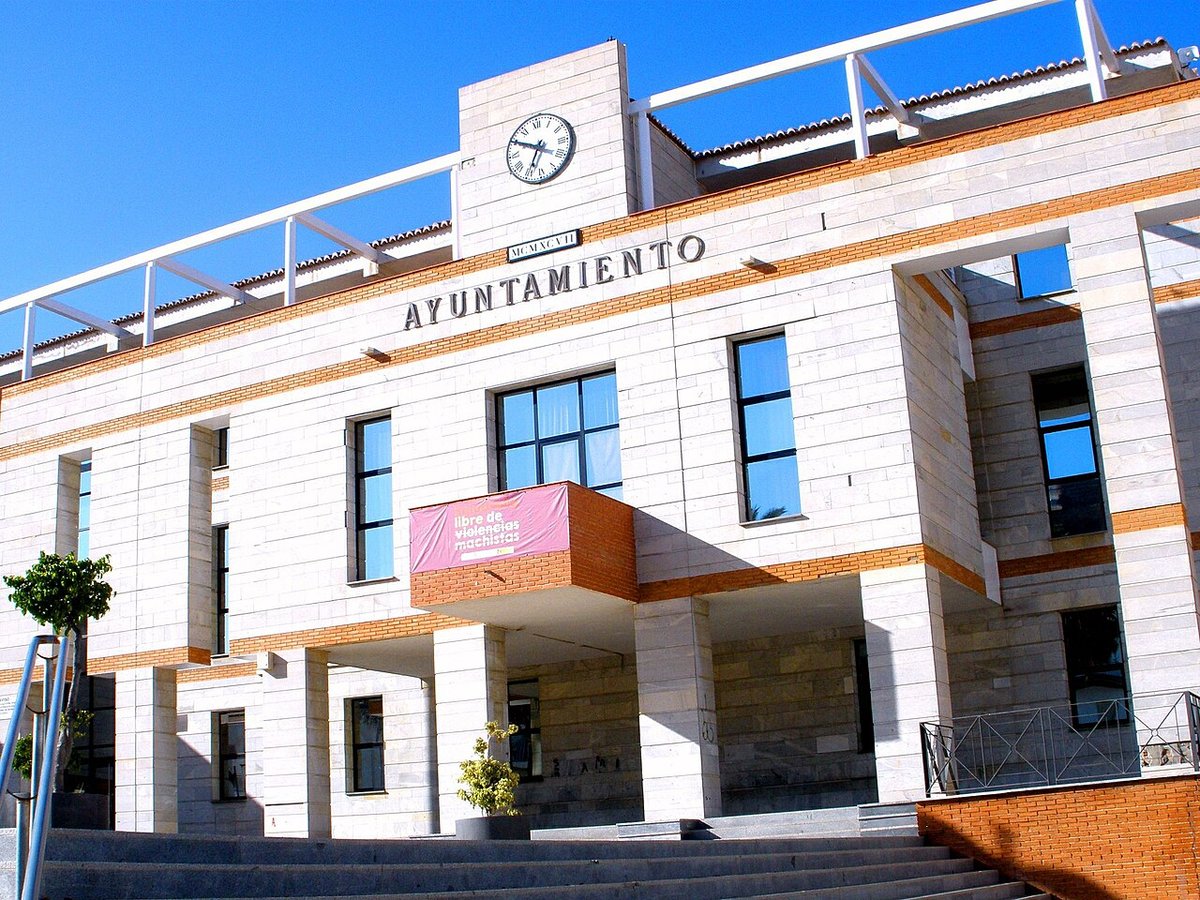
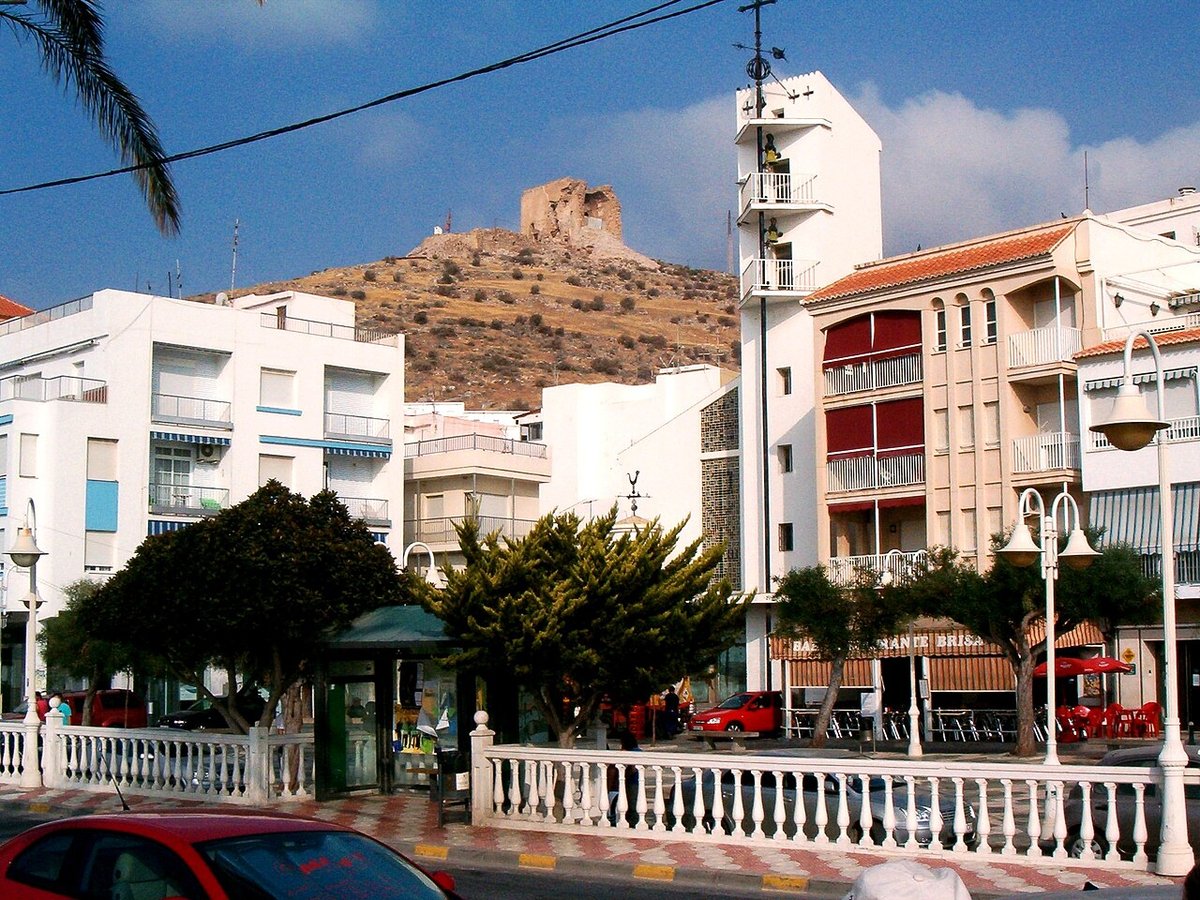
This isn't one of those towns with a single, obvious centre. It's more like three siblings who don't really look alike but share a last name. You've got Gualchos village, clinging to the hillside. Castell de Ferro, planted firmly on the coast. And El Romeral, sitting quietly in the middle like the peacekeeper. The town hall is by the sea, but they kept the mountain name. Go figure.
La Rijana is that kind of beach
People tell you about La Rijana like they’re sharing a secret. You turn off the N-340 onto a track, park wherever your car fits between the pines, and walk down a path that feels vaguely promising.
Then it opens up. A curve of dark sand and pebbles, water so clear it looks edited, and cliffs on either side. You’ll see folks floating face-down with snorkels, just watching fish dart around the rocks. There’s no chiringuito here, no playlist. Just waves and the scratch of gravel underfoot.
For a different vibe, Castell de Ferro’s main beach is all seafront promenade and length. It's where you might still catch the fishing boats coming in early. Pull up a bench and watch the unload; it's better than most reality TV.
The climb to white-washed quiet
The road up to Gualchos village is all tight bends and views that get wider with every turn. You park where you can (good luck in August) and walk into streets so steep your calves will remind you tomorrow.
The church tower at the top acts as a compass point. It's not a big place. You'll pass the same faces twice before lunch.
From here, footpaths head straight into the Sierra de Lújar. One leads to Pico del Águila for a view that puts everything in order: the plastic sea of greenhouses along the coast, the actual blue sea, and on a crystal-clear day, the snowy bumps of Sierra Nevada far away. On another path you'll find Cueva de las Campanas, fenced off now but quietly impressive. It reminds you people have been hiding things in these hills for a very long time.
Where parties are just big dinners
Festivals here are basically an excuse for a massive neighbourhood meal.
Up in Jolúcar, a hamlet so small you'd blink and miss it, they celebrate San Cayetano with long tables under the trees and huge pots of choto al ajillo. It's garlicky goat stew, it's fantastic, and everyone gets a plate.
Down in Castell de Ferro in summer, the promenade transforms after sunset into something between a fair and a block party. Stalls pop up, there's music from someone's speaker system, and families are out on the sand way past bedtime.
The washhouse isn't just for photos
In Gualchos village, find the Lavadero de la Mina. It's an old public washhouse under a simple roof, with stone troughs and spouts where water still runs.
Yes, tourists take pictures of it now. But come back on the right morning and you might see someone soaping up a big rug or rinsing out cloths. Locals remember when this was where everything got washed—clothes and gossip alike.
That’s Gualchos in a nutshell for me.
It’s not flawless. Summer parking is its own special sport, and parts of the coast get busy. But walk five minutes from any crowd and you'll hit a rosemary-scented path or find yourself alone on a rocky outcrop.
You really need a car here to feel it properly because everything changes fast between points: from humid sea air to dry hill breeze; from tourist menus to bars where they still ask if you want your tapa with beer or wine; from beach time to mountain time.
And about that fruit? If someone offers you something from their land again later that day—a fig or maybe another cherimoya—take it. That’s how this place works best: through small exchanges that don't make it onto any map