Full Article
about Ítrabo
White village perched on the mountain near the coast; known for its wine and loquats with views over the Mediterranean
Hide article Read full article
A village that reveals itself slowly
Some villages can be read at a glance from the road. Ítrabo is not one of them. From a distance it looks like little more than a cluster of white houses clinging to the side of the Guadalfeo valley. It is only once you follow the bends up and park at the top that the place becomes clearer: small, calm, and far more agricultural than tourist-oriented. Life here still turns around the land.
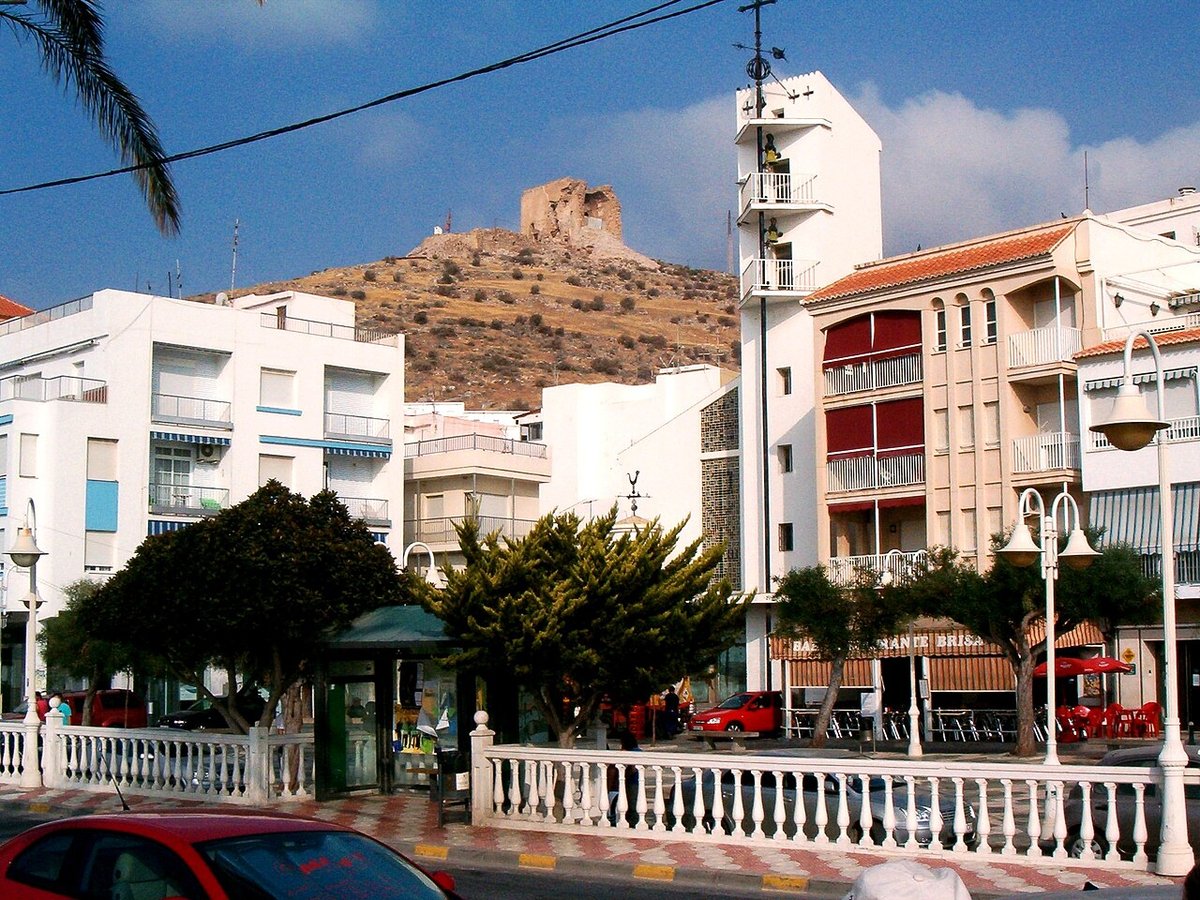
With just over a thousand residents, Ítrabo keeps the layout of its Andalusí past. Streets are narrow, slopes appear without warning, and whitewashed houses sit closely together. The centre is not large and can be covered quickly, but slowing down changes the experience. Details begin to stand out: old iron window grilles, plant pots set on ledges, wooden doors painted green or blue against the white façades.
At the heart of the village stands the parish church of Nuestra Señora de la Encarnación, built in the 16th century. Its tower rises above the rooftops and works as a natural reference point while moving through the streets, especially when the layout starts to twist and climb.
Looking out over the Guadalfeo valley
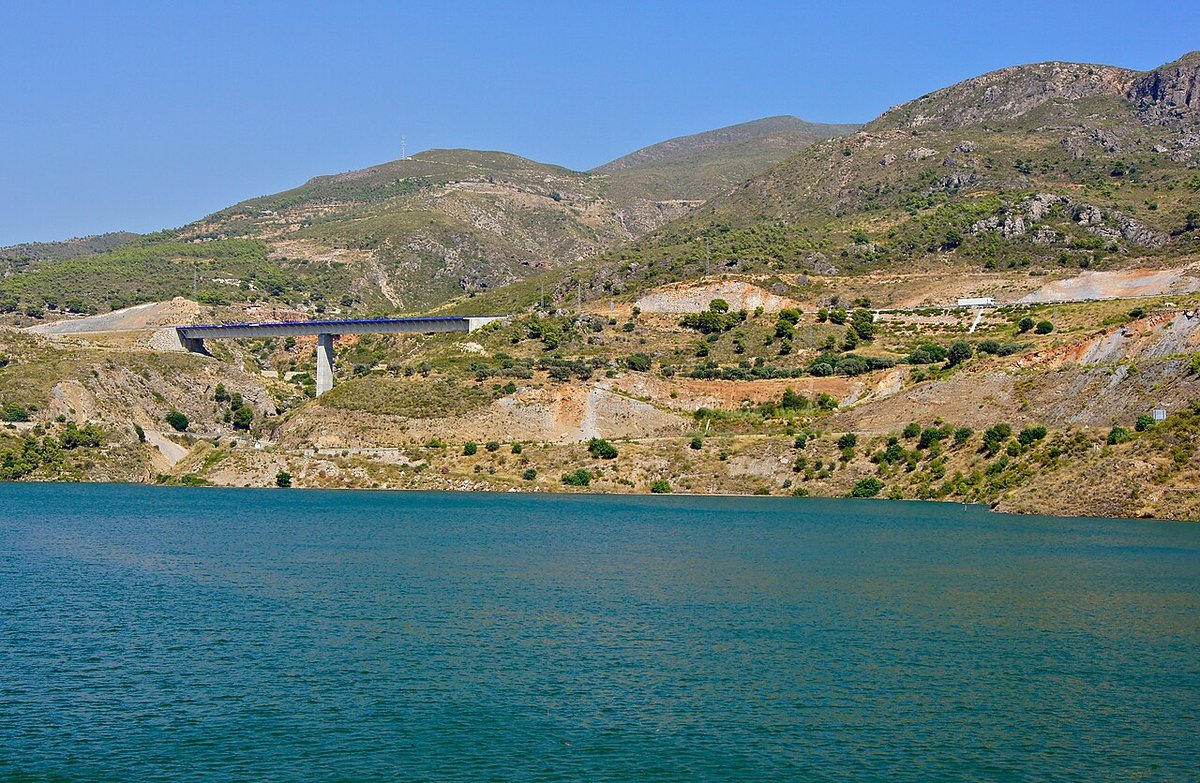
What makes Ítrabo interesting is not limited to the streets themselves, but extends beyond them. From several points in the village, the land opens out towards the subtropical Guadalfeo valley. Given time, the patterns become visible: green patches of avocado and chirimoyo trees mixed with older crops and terraced plots that have been in use for generations.
This is a landscape typical of the inland Costa Tropical. Small cultivated plots, irrigation channels known as acequias, and farmland that is still actively worked define the view. It is not a static backdrop but a working environment.
Towards the end of the day, the light falls sideways across the valley. The contrast between the white buildings of Ítrabo and the deep green of the crops becomes more pronounced, making the setting easier to read at a glance.
Walking the surrounding paths
To understand how the village fits into its surroundings, it helps to step outside the centre. Around Ítrabo there are rural paths that link farms and nearby villages within the region. Many of these routes pass between terraces and along dry riverbeds, known locally as ramblas, which remain without water for much of the year.
These are not especially demanding walks, but the ground can be uneven, with loose stones and slopes that appear without much warning. Comfortable footwear and water are advisable, particularly during the warmer months.
This is not a network of clearly signposted hiking routes. The paths are primarily working tracks, used for agriculture and daily movement, which also happen to offer the chance to walk and take in the landscape at a slower pace.
Food shaped by the land
Local cooking reflects what has traditionally been available in rural households. Dishes are simple and filling. Migas, a dish based on fried breadcrumbs, appear when temperatures drop. There are stews, straightforward preparations, and plenty of vegetables from nearby plots.
Products that now dominate the surrounding fields also find their way into the kitchen. Avocados and citrus fruits are part of everyday life here, just as they are part of the wider agricultural landscape.
There is no sense of a polished or elaborate food scene. Eating in Ítrabo follows the same pattern as many villages in the inland part of Granada’s coast: solid dishes, familiar recipes, and a clear connection to the land.
Festivities and everyday rhythm
The local calendar is still strongly shaped by traditional celebrations. The main festivities are dedicated to the Virgen de la Encarnación and usually take place in early spring. These include processions and activities organised by residents themselves.
In summer, the atmosphere shifts slightly. There are evenings with music and social gatherings in the main streets, bringing a livelier tone without losing the village scale.
Semana Santa, or Holy Week, is marked in a more intimate way than in larger towns and cities. Processions follow short routes, and participation is largely local. It is one of those moments when it becomes clear that most people here know each other.
Getting there and what to expect
Ítrabo sits just over an hour by car from the city of Granada. The usual route heads towards the coast along the A-44 in the direction of Motril, before turning onto smaller regional roads.
The final stretch involves a series of bends. It is not particularly difficult, but it is best approached without rushing, especially for those unfamiliar with the area.
Ítrabo is not the kind of place that appears on lists of headline destinations, and it does not seem to try to be. It remains small, quiet, and closely tied to agriculture.
It works well as a short stop within a wider route through the inland Costa Tropical. A walk through its streets, a pause to look out over the valley, and a bit of time to observe the pace of daily life are enough to form a clear picture.
A couple of hours, taken without hurry, is all it takes to understand what this corner between the mountains and the sea is about. Sometimes that is more than enough.