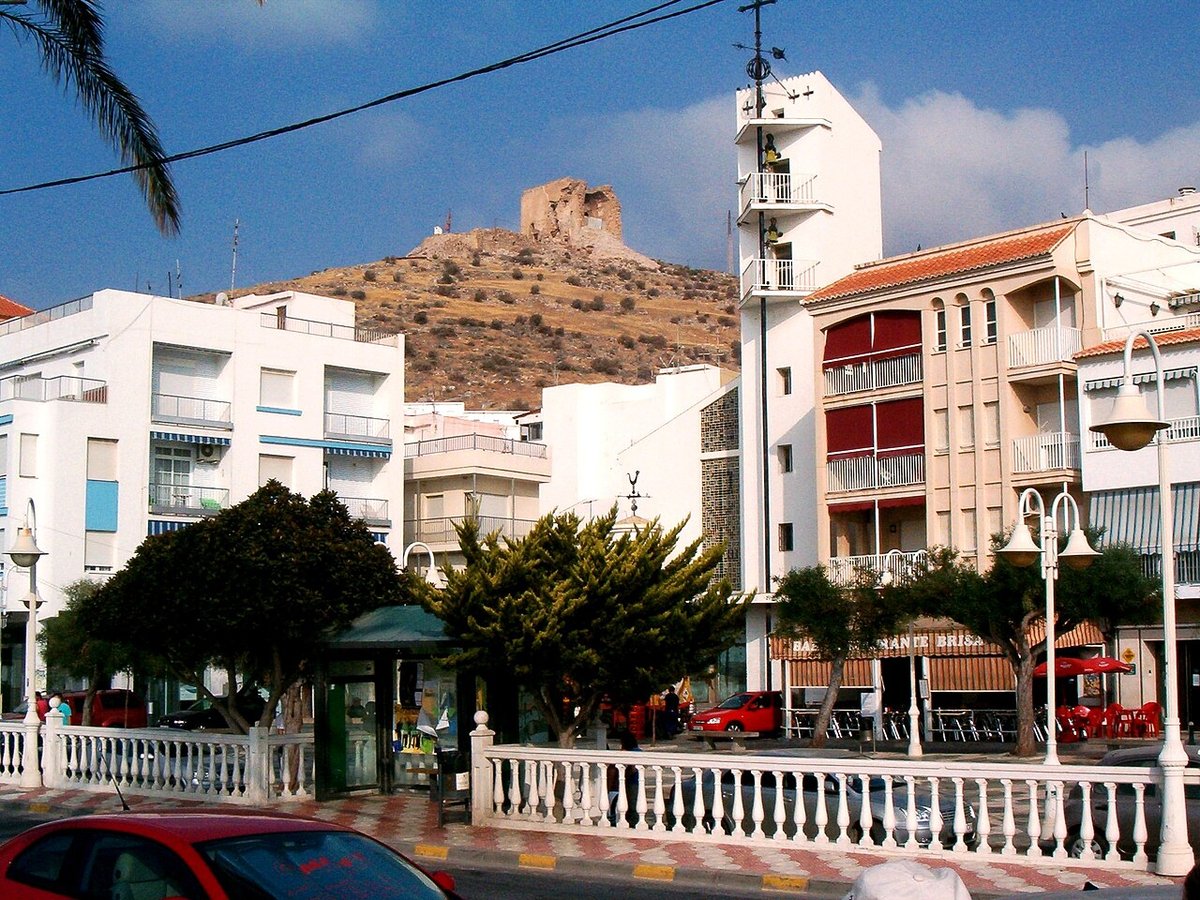
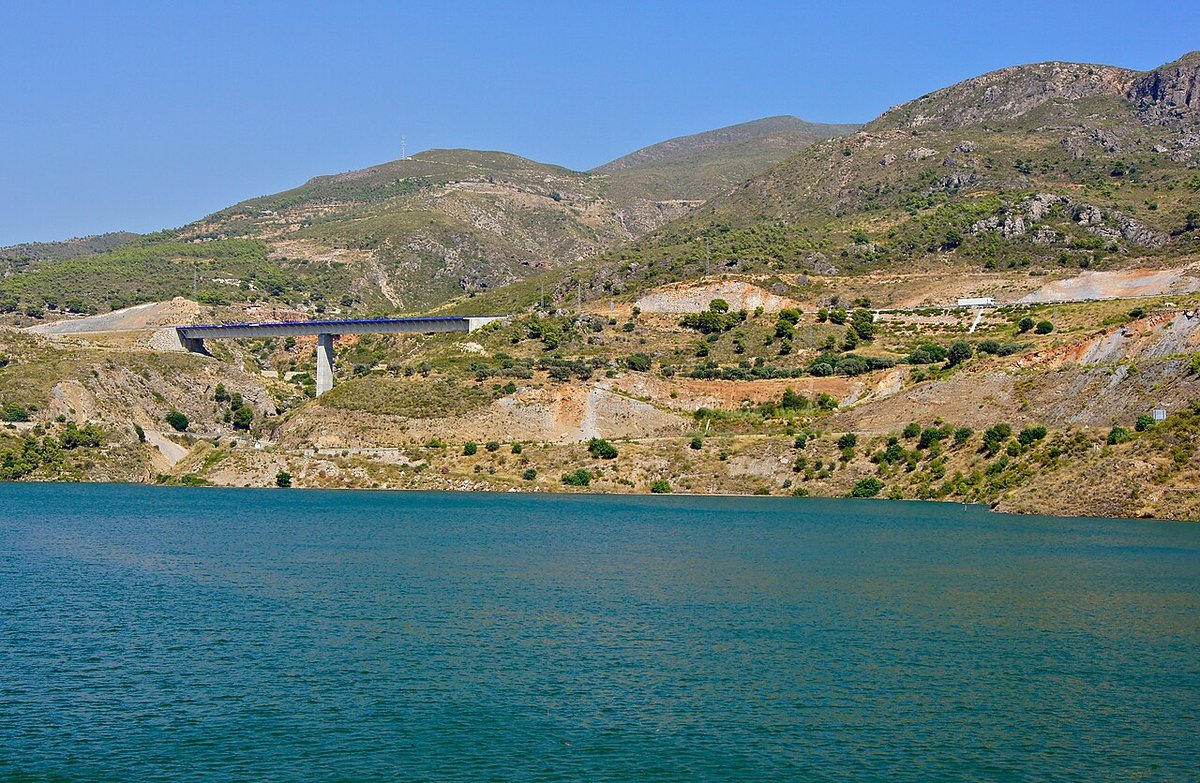
Vista aérea de Jete
Instituto Geográfico Nacional · CC-BY 4.0 scne.es
Andalucía · Passion & Soul

Jete

The first thing that strikes you about Jete is what's missing. No souvenir shops. No English menus. No hastily-built apartment blocks spoiling the ...

990 inhabitants · INE 2025
120m Altitude

Why Visit

Church of San Antonio Hiking through the Tropical Valley

Best Time to Visit

spring

Fiestas de la Virgen de la Candelaria (September) septiembre

Things to See & Do
in Jete

Heritage

  • Church of San Antonio
  • local wineries

Activities

  • Hiking through the Tropical Valley
  • Fruit tasting

Festivals
& & Traditions

Fecha septiembre

Fiestas de la Virgen de la Candelaria (septiembre), San Antonio (enero)

Las fiestas locales son el momento perfecto para vivir la autenticidad de Jete.

Full Article
about Jete

Set in the Tropical Valley of the Río Verde; known for growing chirimoyas and other subtropical fruit amid lush greenery.

Ocultar artículo Leer artículo completo

The first thing that strikes you about Jete is what's missing. No souvenir shops. No English menus. No hastily-built apartment blocks spoiling the valley view. Just a compact knot of whitewashed houses clinging to a hillside 120 metres above sea level, surrounded by terraces of custard apple and avocado trees that seem to glow emerald against the parched Mediterranean slopes.

This is the Costa Tropical's best-kept secret. While neighbouring Almuñécar fills with beach-bound visitors, Jete remains resolutely Spanish. The village bar still serves as the local information exchange, where farmers discuss mango prices over cañas at 11 am and the day's menu depends on whatever the chef's cousin caught or grew yesterday morning.

Where the mountains meet the sea

Jete occupies that sweet spot where coastal plain gives way to proper mountains. Fifteen minutes down a winding road lies the Mediterranean; fifteen minutes up brings you to proper sierra country where eagles soar and nights drop ten degrees cooler than the coast. This geography shapes everything here. The village faces south, catching sea breezes that soften summer temperatures, while the surrounding barrancos channel winter rains that make these slopes some of Spain's most productive agricultural land.

The relationship with the sea is practical, not romantic. Jete's farmers have always grown what the coast can't: tropical fruits needing altitude and protection from salt spray. Walk the ancient paths between terraces and you'll spot irrigation channels dating back to Moorish times, still directing precious water to custard apple trees whose roots grip the hillsides in a botanical battle against gravity and drought.

The beach at Almuñécar provides weekend relief during July and August, when village temperatures hover around 35 degrees. But Jete's residents are mountain people at heart. They'll drive down for a seafood lunch, complain about the parking, and be back home by sunset, relieved to escape the coastal humidity.

Four streets and a thousand years of history

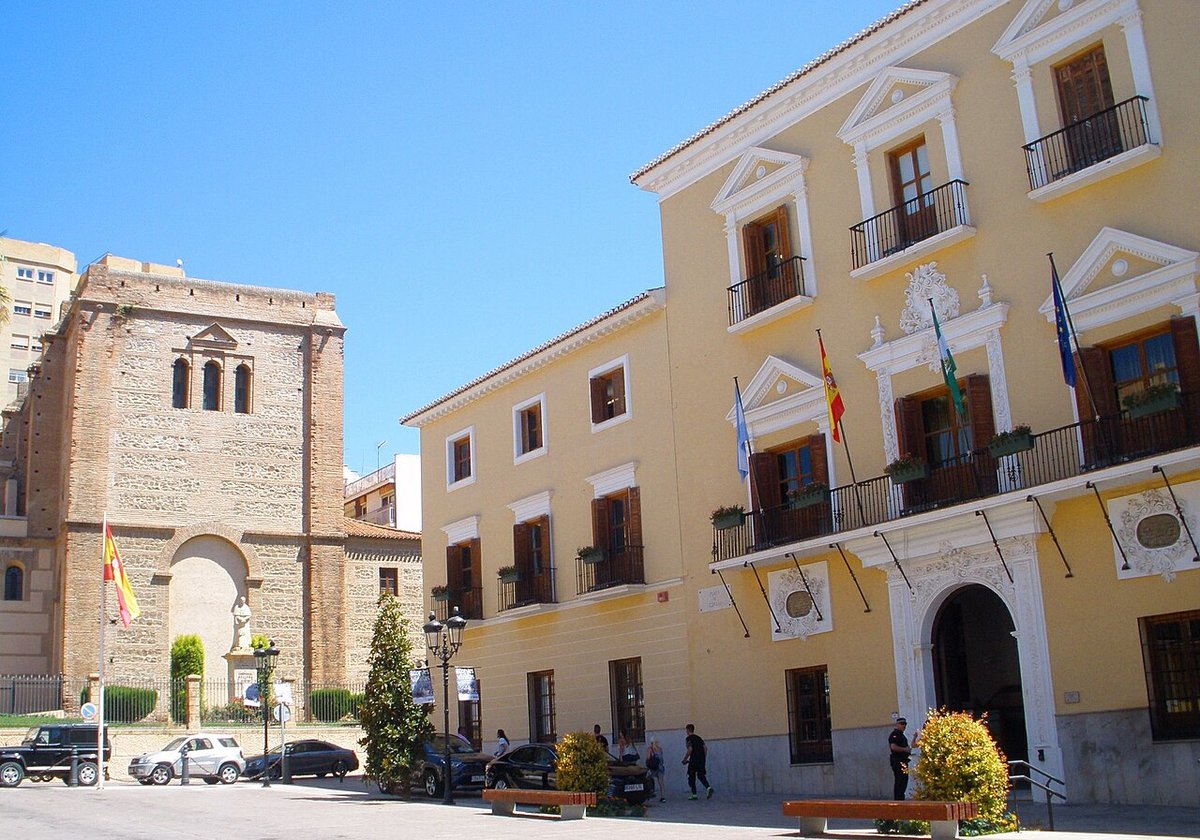
Jete won't overwhelm you with monuments. The Church of Nuestra Señora del Rosario stands as the village's focal point, its Mudejar tower visible from every approach road. Inside, baroque altarpieces tell stories of pirates, plague and prosperity in carved wood and gold leaf. The building's simplicity reflects Jete's character: substantial enough to matter, modest enough to belong.

Wander the four main streets and details emerge. Iron balconies bright with geraniums. Doorways dating to the 1700s, their wooden beams blackened by centuries of woodsmoke. Central patios where lemon trees grow in pots and grandmothers shell peas in the shade. These aren't museum pieces but working houses where families live much as their great-grandparents did, albeit with better plumbing and Wi-Fi.

The village's agricultural heritage surfaces everywhere. Former olive mills crumble gently on the outskirts, their stone wheels now home to lizards and wild herbs. Old sugar refineries recall crops that once dominated these valleys. Even the street names speak of farming: Callejón del Ajo, Plaza de la Huerta. This is a place where geography, history and daily life remain stubbornly intertwined.

Walking, eating and the art of doing very little

Jete rewards slow travel. Morning walks follow ancient paths through custard apple plantations, where farmers greet walkers with the time-honoured Andalusian compromise: they'll acknowledge your presence but won't intrude on your thoughts. The routes aren't dramatic—no soaring peaks or vertigo-inducing ridges—but they offer that rare combination of exercise and agricultural education. You'll learn to recognise avocado flowers, understand why mango trees need support poles, and appreciate how generations have coaxed productivity from these slopes.

Food here tastes of altitude and effort. The village bar serves choto al ajillo—kid goat slow-cooked with garlic until it collapses into rich, mild meat that bears no resemblance to its macho description. Custard apples appear in everything from ice cream to salad dressing, their delicate flavour suggesting vanilla and pear. The local wine comes from vineyards scattered across neighbouring valleys; light, fruity reds that cost €2 a glass and slip down dangerously easily with plates of Trevélez ham.

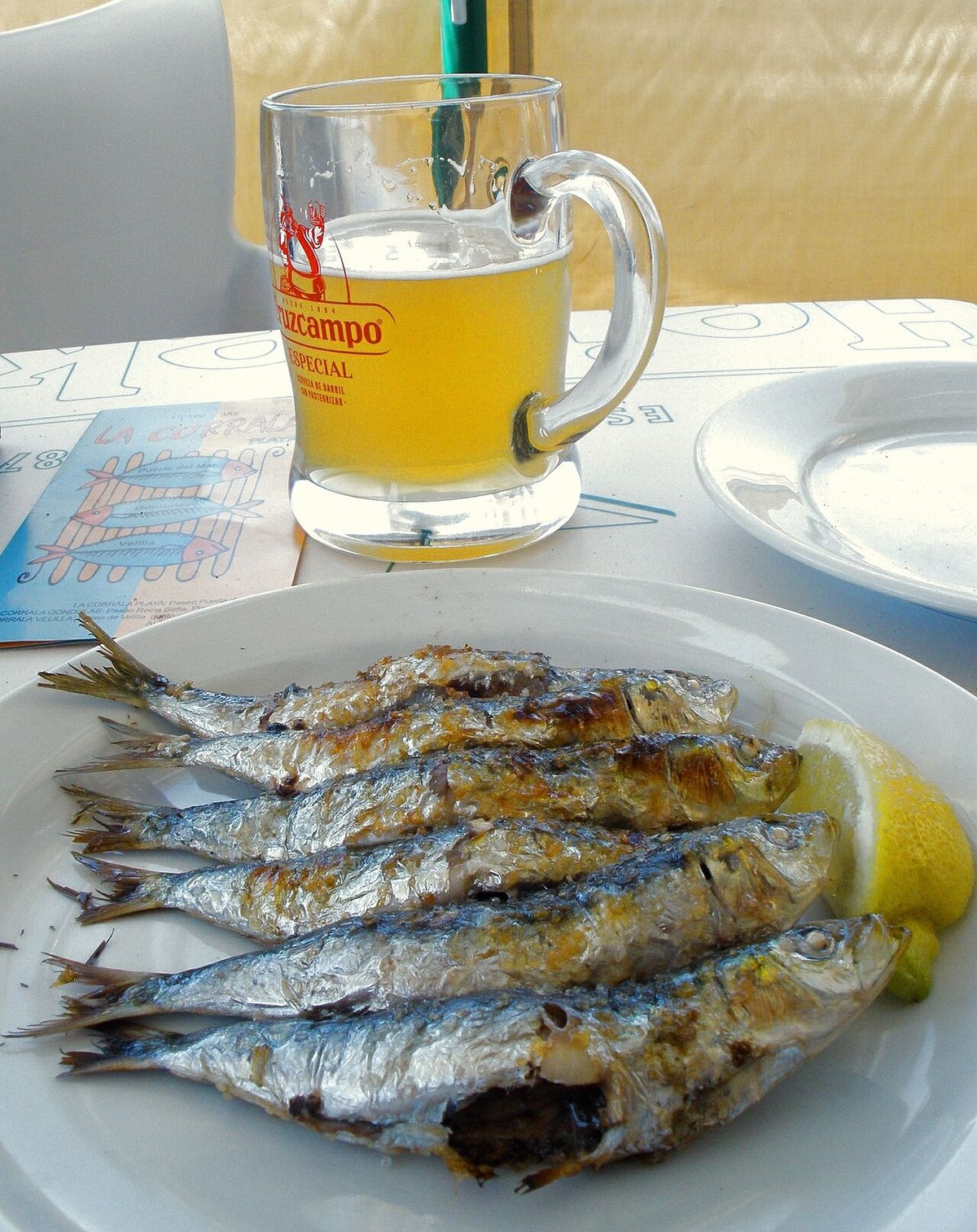
Serious gastronomes base themselves here for access to both mountain and coast. Lunch might be grilled sardines by the beach; dinner could be hearty migas—fried breadcrumbs with chorizo—washed down with rough red wine back in the village. The contrast defines the Costa Tropical experience: Mediterranean freshness meets mountain substance, sea views balanced by star-filled nights undimmed by coastal light pollution.

Practicalities for the determined visitor

Reaching Jete requires commitment. Fly to Málaga, collect a hire car, and brace yourself for the final six kilometres. The mountain road climbs 400 metres via hairpin bends that would shame an Alpine pass. Meeting oncoming traffic requires nerves of steel and liberal use of reversing lights. Don't attempt this after dark on your first visit; the unlit road has claimed many hire-car mirrors.

Once arrived, prepare for limited services. One bar-restaurant, one tiny shop stocking basics, no cash machine. Stock up in Almuñécar before the climb. Accommodation ranges from cave houses—surprisingly comfortable but check for air-conditioning in summer—to the three-room Cortijo Jete, where English-speaking hosts provide pool, parking and invaluable local knowledge.

Visit in April or October for the best balance of weather and atmosphere. Spring brings almond blossom and comfortable walking temperatures. Autumn coincides with custard apple harvest, when the village hums with agricultural activity and the fiesta season kicks off. August buzzes with returning emigrants and Spanish families, but temperatures can hit 40 degrees and the village bar runs out of ice by mid-afternoon.

Winter offers a different experience entirely. Blue skies and 18-degree days alternate with dramatic storms that send waterfalls cascading down the mountain roads. Many restaurants close, but you'll have the walking trails to yourself and experience something increasingly rare on the Spanish coast: a village that exists for its residents, not for visitors.

Jete won't suit everyone. Those seeking nightlife, boutique shopping or organised entertainment should stay on the coast. But for travellers craving authenticity without pretension, who measure holiday success in conversations with locals rather than souvenirs purchased, this forgotten village delivers something precious. Just don't tell too many people about it.

Key Facts

Region
Andalucía
District
Costa Tropical
INE Code
18109
Coast
No
Mountain
No
Season
spring

Livability & Services

Key data for living or remote work

2024
ConnectivityFiber + 5G
HealthcareHospital 13 km away
EducationElementary school
Housing~5€/m² rent · Affordable
CoastBeach nearby
Sources: INE, CNMC, Ministry of Health, AEMET

Planning Your Visit?

Discover more villages in the Costa Tropical.

View full region →

More villages in Costa Tropical

Traveler Reviews