Full Article
about Lentegí
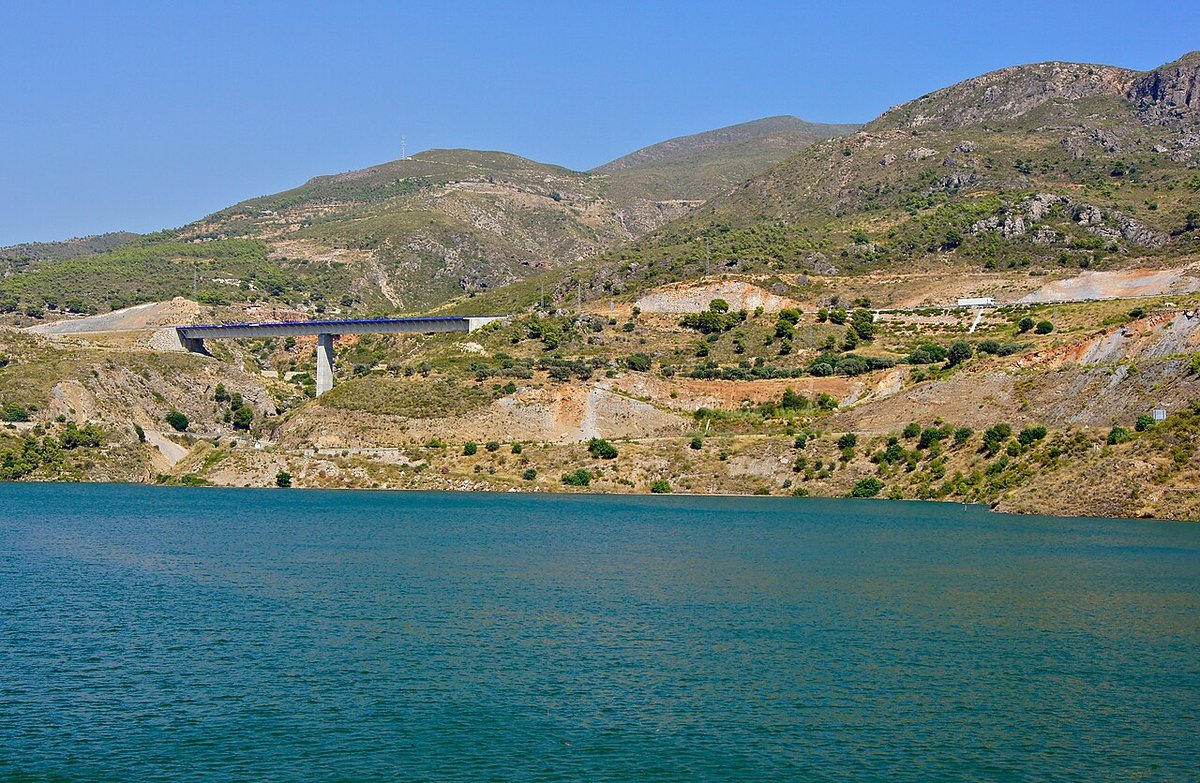
Natural balcony over the Río Verde valley; perfect for adventure sports like canyoning and hiking
Hide article Read full article
Between coast and sierra
Lentegí lies inland from Granada’s Costa Tropical, on the slopes of the sierras that separate the shoreline from the valley of the río Verde. It sits just over six hundred metres above sea level and follows a pattern seen across this part of Andalucía: houses fitted to steep ground, narrow streets, and a close link with the agricultural terraces that surround the village. Although the Mediterranean is not far away in a straight line, daily life here feels more tied to low mountain terrain, with ravines, almond trees and olive groves shaping the view.
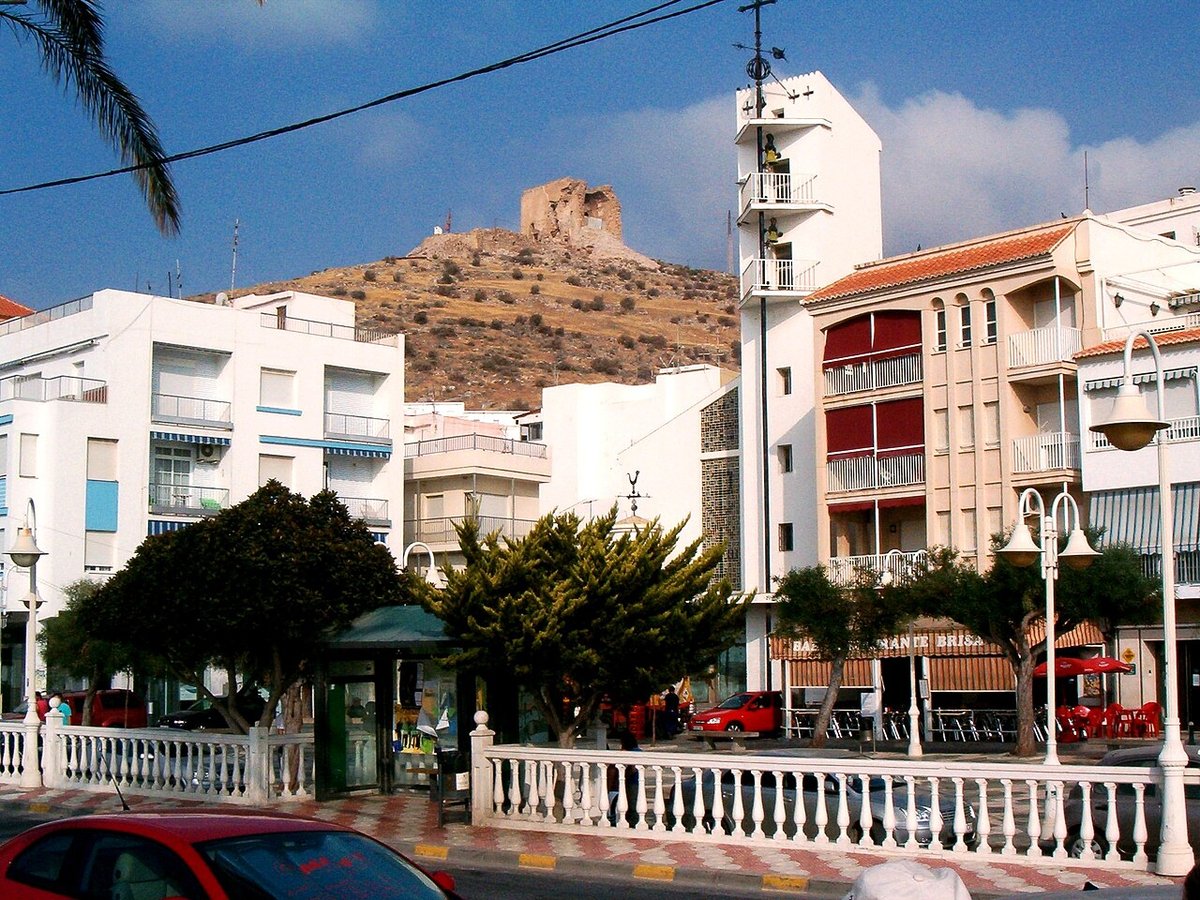
The village is small and easy to explore on foot. Whitewashed houses cluster along slopes and small squares, with stretches where the street barely allows a car through. From higher points within the village, the view opens southwards and, on clear days, a strip of blue sea appears in the distance.
The church and the village layout
At the centre stands the church of San Sebastián, built after the Christian repopulation of the 16th century. This was a period when many settlements in the area were reorganised following the expulsion of the Moriscos. Like many rural parish churches, the building has been altered over time, yet it still defines the main axis of the village. Its tower is visible from much of the surrounding valley and acts as a reference point when approaching by road.
The old quarter keeps an irregular layout shaped by the hillside. Some houses retain traditional features such as wooden doors, small courtyards or simple eaves, while others are more recent additions. In the surrounding area, scattered cortijos and older agricultural structures appear, including small drying facilities and buildings linked to almond and olive cultivation. These crops have long formed the basis of the local economy.
There are also fountains and public washhouses that reflect how daily life used to be organised, when water was shared and household tasks were carried out collectively.
Paths through terraces and hills
The surroundings of Lentegí lend themselves more to walking than to seeking out major monuments. Traditional paths lead out of the village towards nearby settlements and cultivated areas. Many of these routes pass between terraces planted with almond trees and olives, sometimes following what were once agricultural access paths.
At the end of winter, when the almond trees blossom, the landscape changes noticeably. Hillsides fill with patches of white and soft pink that contrast with the darker soil of the terraces. At other times of year, the terrain takes centre stage, with ravines descending towards the valley of the río Verde and hills covered in Mediterranean scrub.
Those who bring a camera often find appealing views from the higher parts of the village. Layered rooftops, whitewashed walls and the distant sea create compositions that shift with the light and the weather.
Festivities and local rhythms
The feast of San Sebastián in January is one of the most established dates in the local calendar. The saint’s image is carried in procession, and the event often brings back residents who now live elsewhere but return for the occasion.
Summer brings a different atmosphere, as many families with roots in Lentegí come back for the season. The August festivities gather much of the year’s social activity into a short period, with open-air celebrations, meetings between neighbours and events organised within the village itself.
Easter is marked in a simple way. Processions move through narrow streets where everything takes place at close quarters, reinforcing the sense of a small community.
When to go
Spring and autumn are usually the most comfortable seasons for walking in the surrounding countryside. Winter can bring colder air to higher areas, though clear days offer good visibility of the coastal relief. Summer is livelier due to the return of families spending their holidays here.
In any season, Lentegí is best understood at an unhurried pace. Walking up a slope, pausing at the edge of the village, and watching how the terraces descend towards the valley reveals much of its character.