Full Article
about Lújar
Mountain village overlooking the sea from the Sierra de Lújar; known for its centuries-old cork-oak forest and panoramic views.
Hide article Read full article
Dawn Over the Sierra
At daybreak, before the sun clears the ridge of the sierra, Lújar is already awake in small, quiet ways. A door opens. Someone sweeps the pavement. Light slips slowly into the steep streets, catching on whitewashed walls and leaving the shadows cool for a little longer. Tourism in Lújar begins like this, almost in silence, with the smell of firewood and coffee drifting from a half-open window.
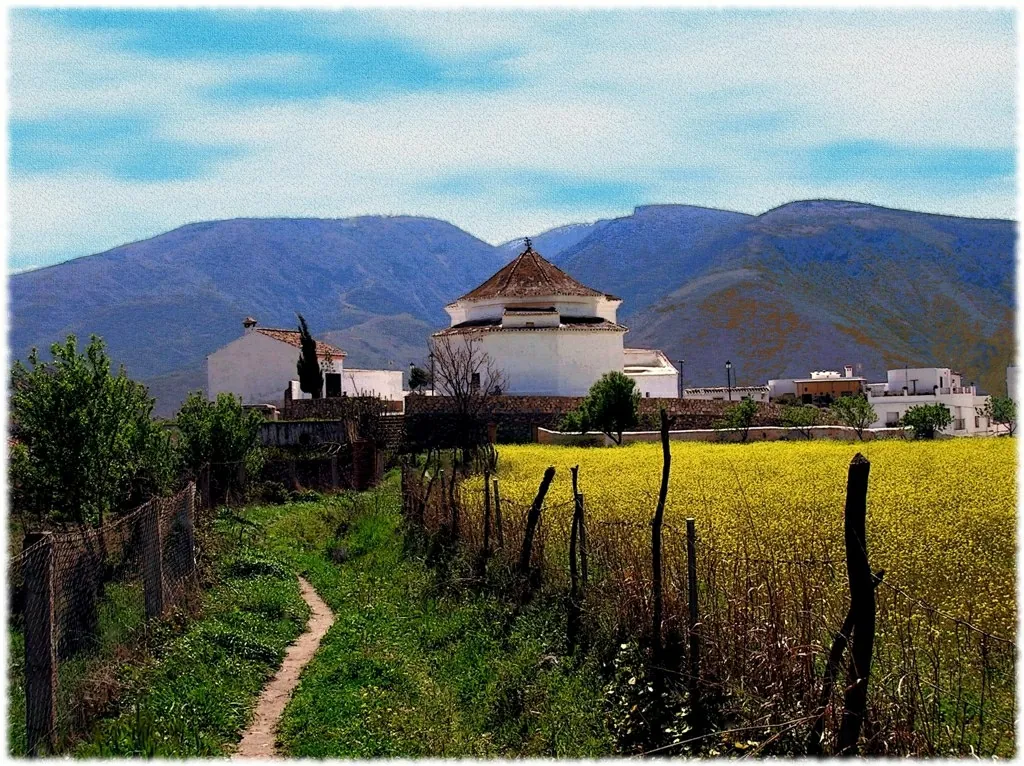
This village in Granada’s Costa Tropical sits at around 900 metres above sea level, suspended between mountain and sea. Far below, the coastline stretches out in the distance. Up here, life moves at a different pace from the busier strip along the Mediterranean.
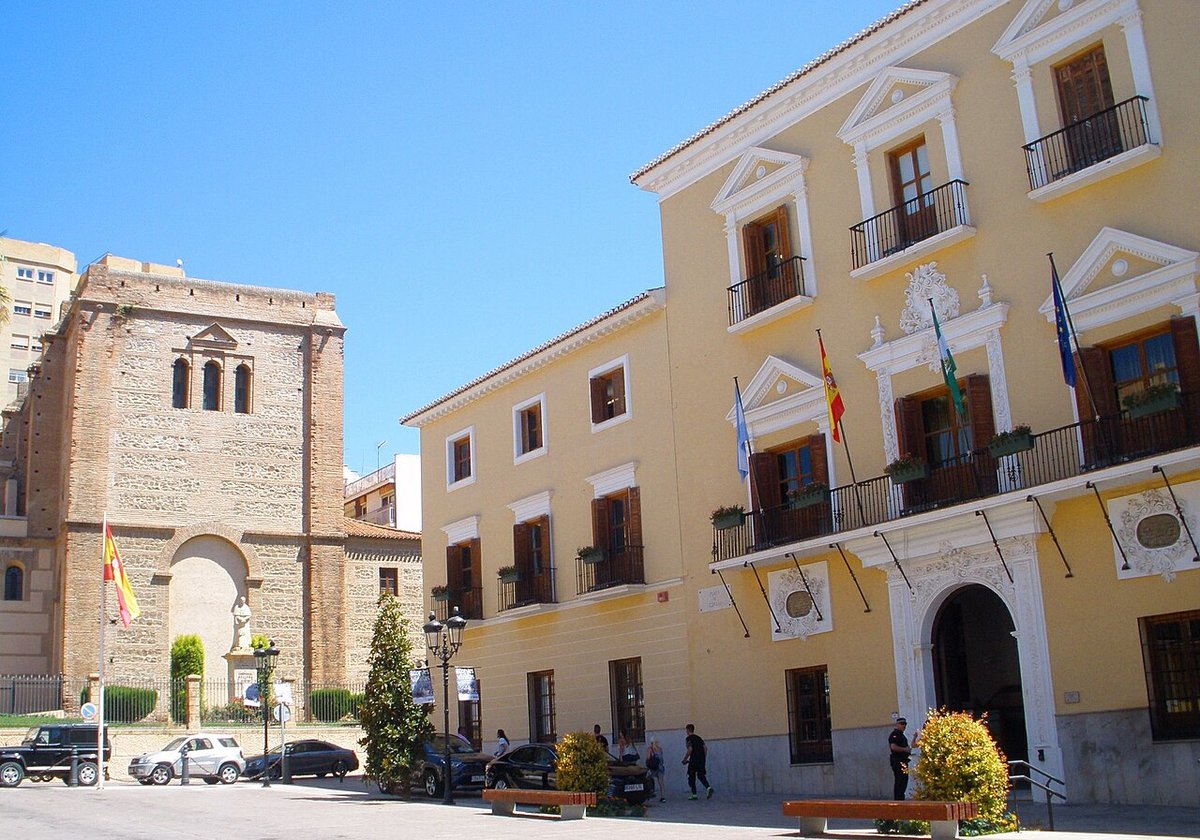
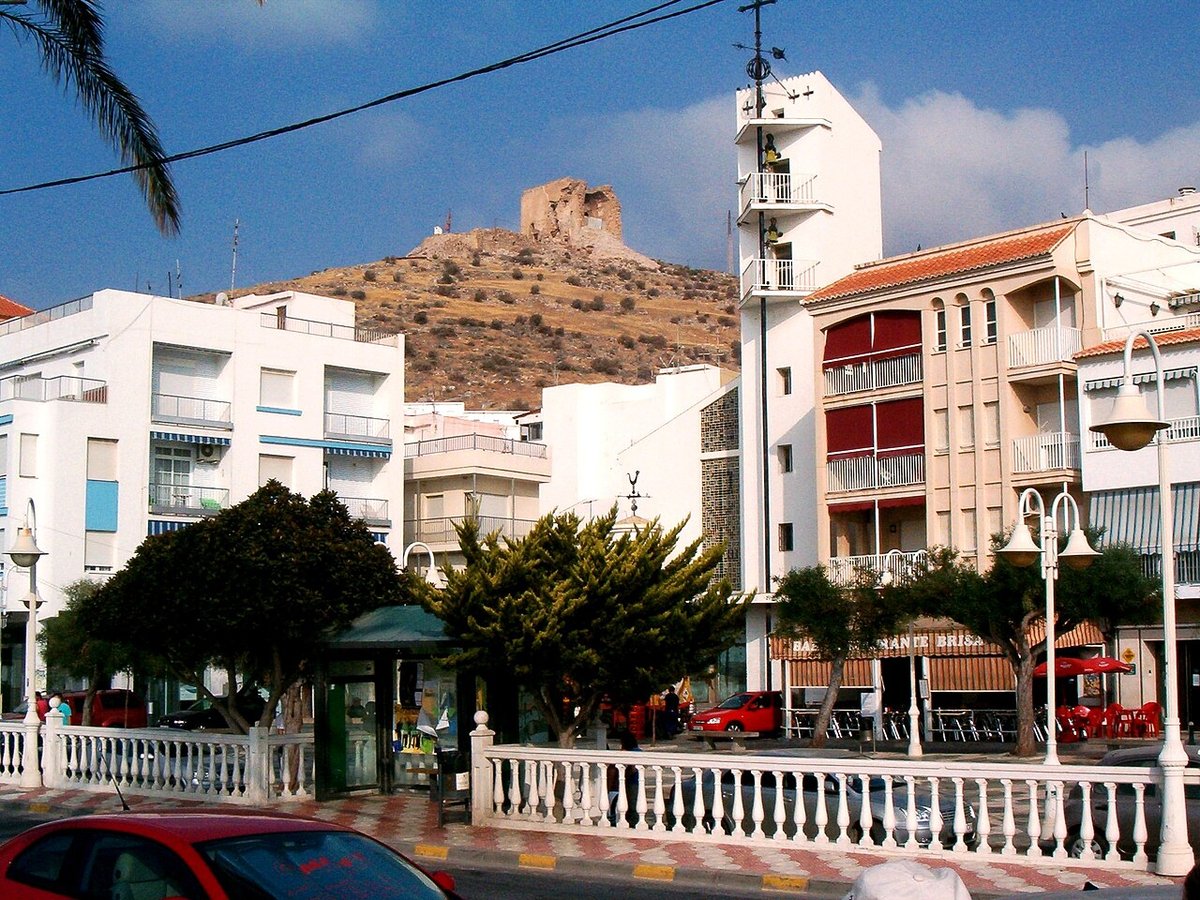
A pause in the Plaza de la Constitución helps make sense of the place. White façades frame the square without fuss, and on one side stands the Iglesia de San Miguel. Built in the 16th century on the site of a former mosque, the church still preserves some Mudejar features inside, a style that blends Christian and Islamic artistic traditions. Its sober tower rises above the cluster of houses. By mid-morning, the square fills with unhurried conversation, neighbours passing through with shopping bags, others resting for a while on shaded benches.
Steep Streets and Sudden Views
Climbing towards the upper part of the village, the streets narrow and the gradients become serious. In places the paving changes texture, encouraging a slower pace. Many houses conceal interior courtyards, while wrought-iron balconies overflow with plant pots. Red geraniums, the occasional bougainvillea and other sun-seeking plants soften the white walls.
At certain corners, the view opens unexpectedly. To the south, the slopes fall away towards the Costa Tropical. On very clear days, a blue strip of the Mediterranean is visible in the distance. Few places present such a sharp contrast: rugged sierra behind you, sea on the horizon.
Walking here is rarely direct. The constant inclines and irregular stretches underfoot make comfortable footwear essential. Even a short wander becomes a gentle workout, rewarded by changing perspectives over rooftops and hillsides.
On Foot in the Sierra de Lújar
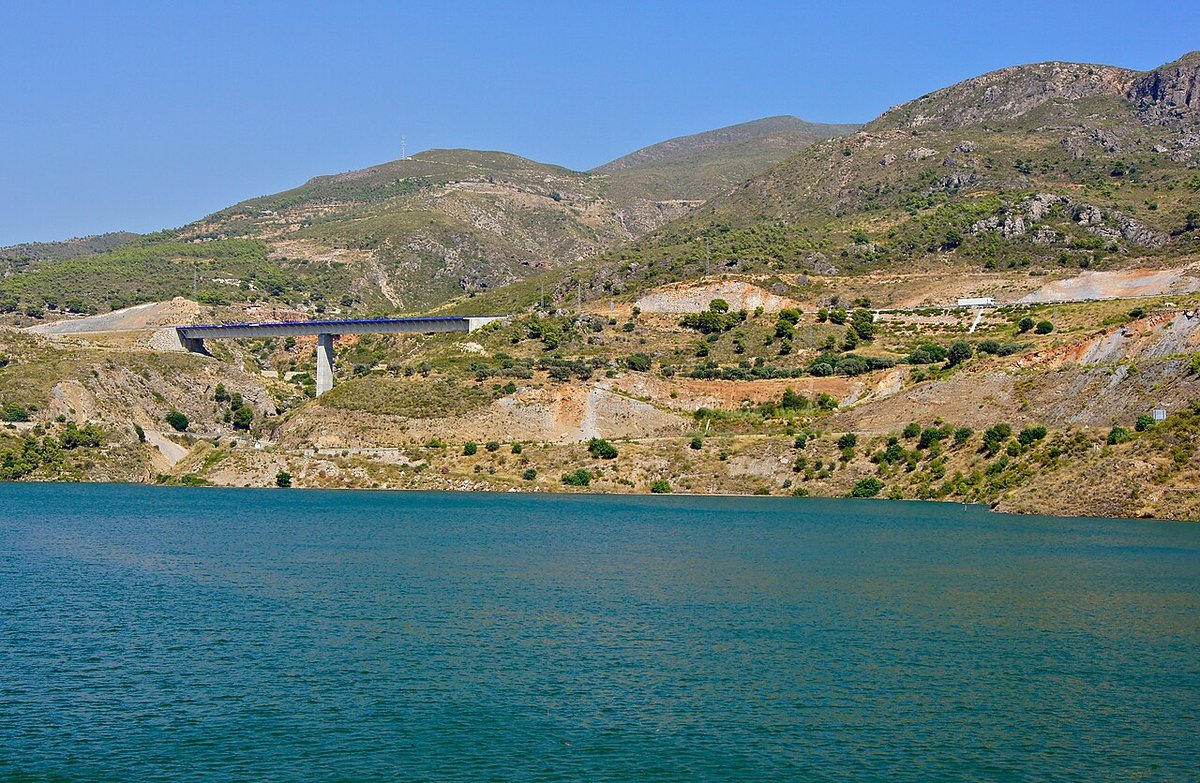
Beyond the last houses begins the Sierra de Lújar. At first glance it appears dry and austere, yet on foot it reveals more nuance. Scattered holm oaks punctuate the slopes, pines cling to certain hillsides and Mediterranean scrub dominates much of the terrain.
In spring, the air fills with the scent of rosemary, thyme and rockrose as the breeze moves through the shrubs. The landscape is open and exposed in places, with long views and little shade. From the village itself, several paths lead out into the mountains. One of the best known climbs towards the Cerro del Conjuro. The ascent is long, with sections that demand effort, so it is wise to take it steadily and carry water, particularly when the heat intensifies.
At the top, the panorama stretches towards the valley of the Guadalfeo and the coast. On some days the horizon seems to extend endlessly. The sense of space is part of what defines this sierra. It can feel stark at midday, when the sun falls vertically and shade is scarce. Early morning or late afternoon usually offer more forgiving conditions for walking.
Back in the village, the presence of the mountain remains constant. It frames daily life, shapes the climate and sets the rhythm of outdoor activity. Even those who do not venture far along the trails experience the sierra simply by looking up from a street corner.
Food Rooted in the Hills
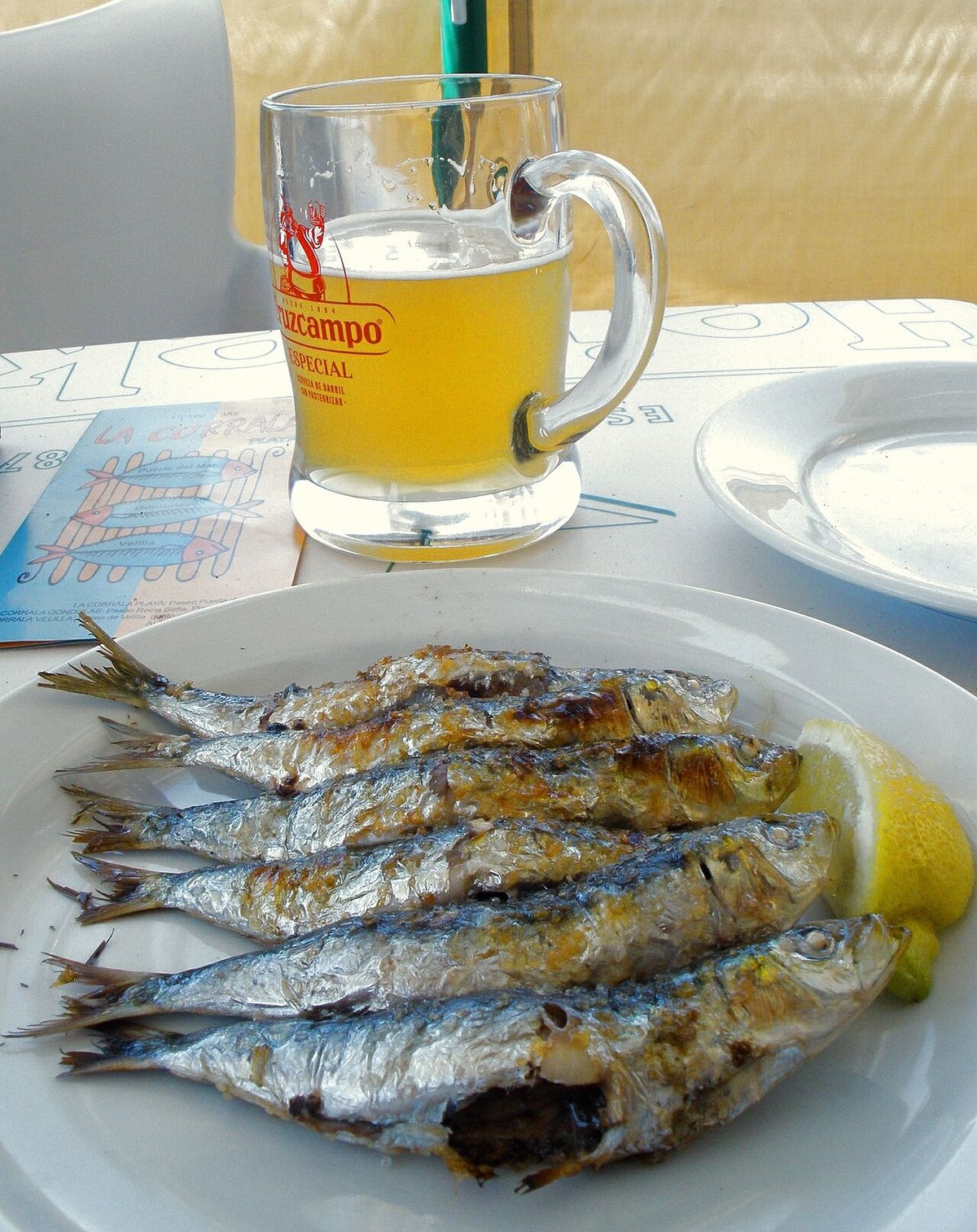
The cooking associated with Lújar is straightforward and generous, the kind that fills the plate and suits cooler evenings at altitude. Migas, a dish based on fried breadcrumbs, often appears when the weather turns fresher. Choto al ajillo, kid goat cooked with garlic, is common on many tables.
Local olive oil is part of everyday meals, and almonds from the area feature in both savoury dishes and desserts. Their presence reflects the agricultural traditions of these hills, where almond trees have long shaped the landscape.
Proximity to the coast also makes itself felt. Subtropical fruits grown further down in the milder valleys of the Costa Tropical circulate here as well, linking mountain and shoreline through produce rather than roads alone.
At certain times of year, traditional sweets still make an appearance. Gachas, a thick, sweet preparation, and morcilla de calabaza are among them. Despite the name, this “black pudding” is not meat-based but made with pumpkin, blending sweet and spiced flavours in a way that reflects older rural recipes.
Food here is tied to season and place rather than fashion. The dishes speak of altitude, of colder nights in winter and of ingredients drawn from nearby fields and orchards.
Dark Nights and a Living Calendar
When night falls, Lújar grows almost completely dark. Street lighting is limited, and a short walk beyond the last houses reveals a sky thick with stars. On clear evenings, constellations stand out sharply. The silence runs deep, broken only by a distant dog or the wind brushing through scrub on the hillside.
This darkness is part of the village’s character. It reinforces the sense of distance from the busier coast below and invites a slower close to the day.
Throughout the year, the local calendar continues to mark moments of gathering. The celebration dedicated to San Miguel Arcángel usually takes place towards the end of September. Processions move through the sloping streets, and shared meals bring neighbours together. During Semana Santa, Holy Week in the Christian calendar leading up to Easter, smaller processions and devotional songs pass through the old quarter.
In autumn, when chestnut season arrives, stalls and braziers sometimes appear to roast the nuts as popular music plays. These are simple occasions, closely tied to the people of the village rather than to large-scale events.
The Road Up and the Pace of the Place
Lújar lies around eighty kilometres from the city of Granada. The final stretch follows mountain roads with numerous bends, so it is best approached without haste. The journey itself signals the change in rhythm, trading wider routes for winding ascents.
Once in the village, movement remains slow. Slopes are constant, and some streets have uneven sections. In winter, the altitude makes itself felt. After sunset, temperatures drop quickly, even if conditions down on the coast remain mild.
Lújar does not function as a quick stop on a packed itinerary. It suits those willing to linger for a while, to watch the light shift across the sierra and to hear church bells ring out in the middle of the morning. Up here, above the Costa Tropical and beneath the open sky of the Sierra de Lújar, time still stretches a little longer.