Full Article
about Molvízar
White village near the coast, ringed by vineyards; known for its Moros y Cristianos fiesta and mild climate.
Hide article Read full article
Morning on the hillside
At first light in Molvízar, the sound that carries across the slope is not church bells but the soft clatter of goat bells. The animals come down along the track from Jubrite, their brass chimes setting a slow rhythm against the dry earth. The village still feels half asleep. Old houses with thick walls hold on to the night’s cool even in August, and the sun reaches the rooftops before sliding down towards the terraced chirimoya groves that stretch towards the coast.
At that hour, there is little sense of tourism. The air smells of warm bread and damp soil. It is a quiet beginning that says more about the place than any busy midday scene.
The shape of time
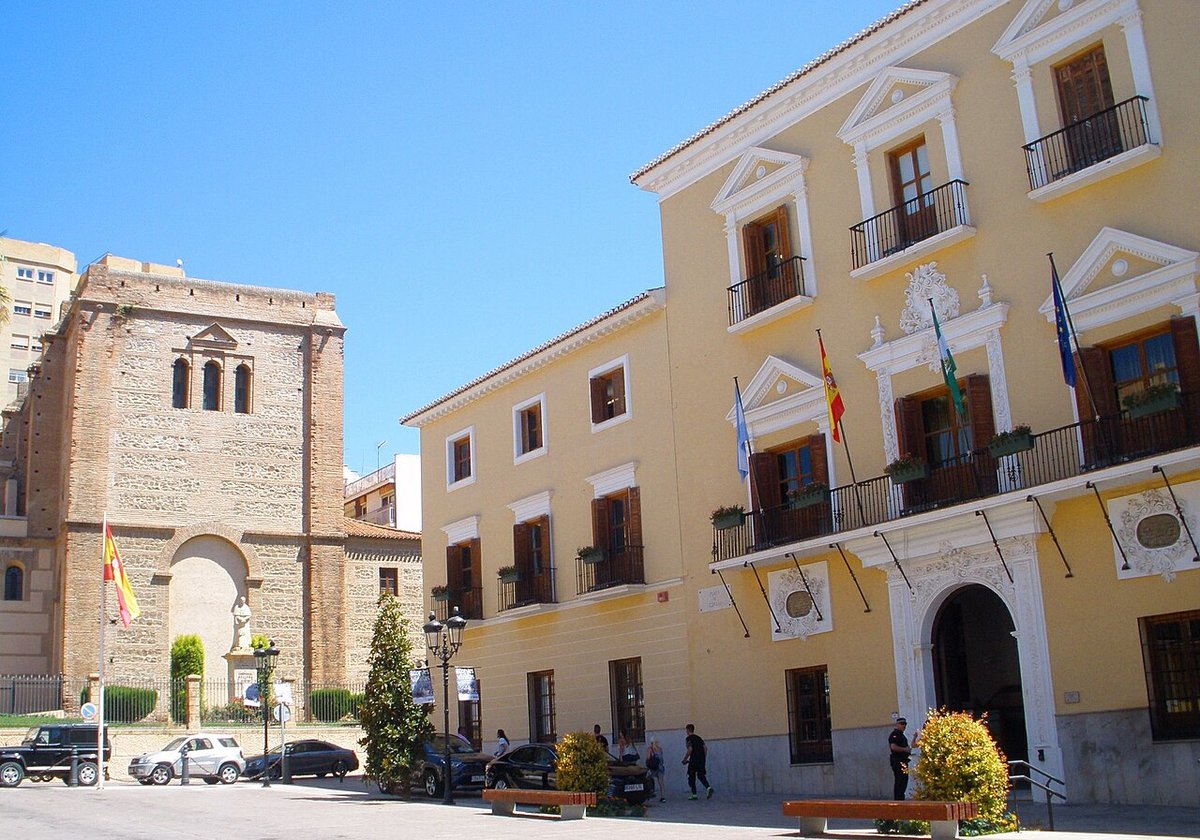
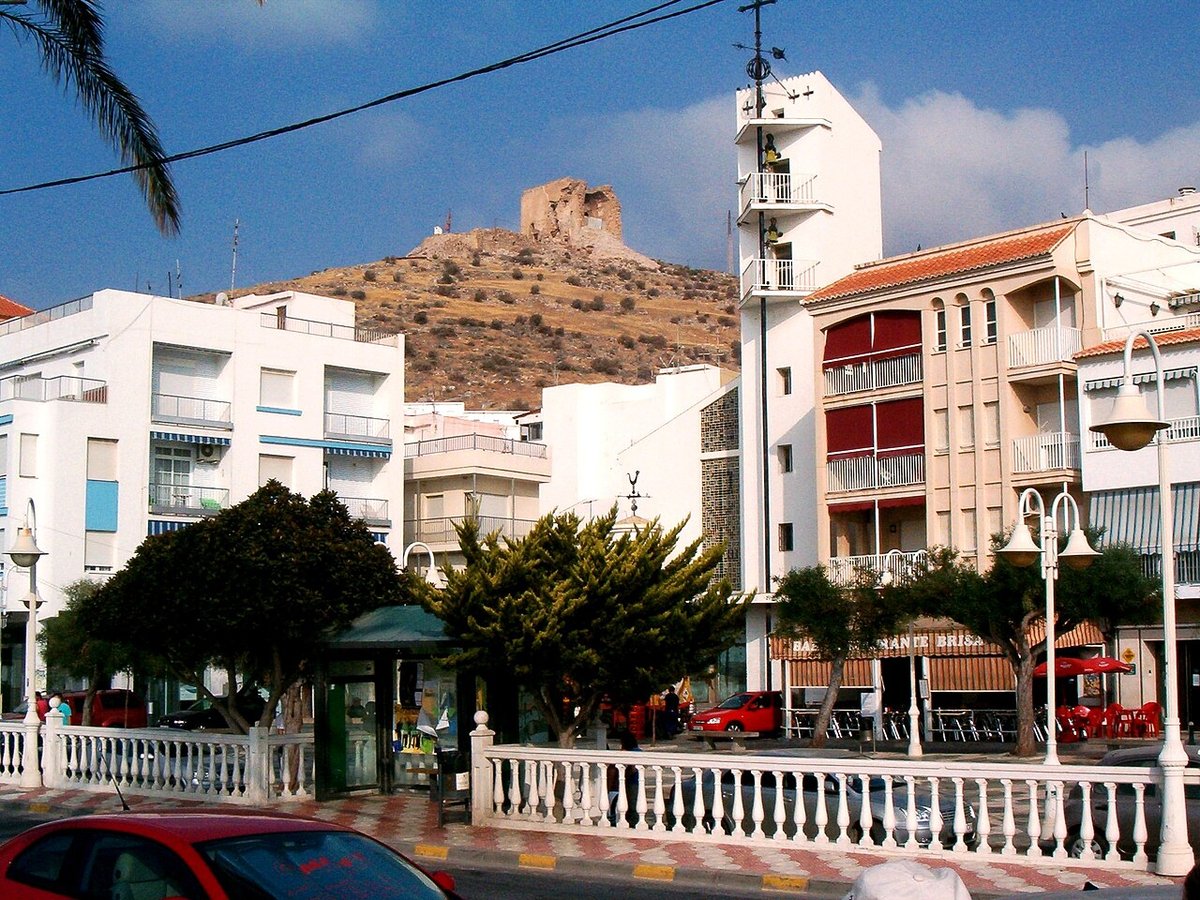
Molvizar makes sense when seen from its slope. The village clings to the hillside above the Mediterranean, as if it might slip towards the sea. Streets run steeply in zigzags, some barely wide enough for a car, leading up and down to the Plaza de la Constitución. There, the church rises above the cluster of houses. Its appearance is often described as neoclassical, with occasional references to architects linked to that style, although the extent of their involvement is not always clear.
In the late afternoon, the pale stone of many façades takes on a golden tone as the light comes in at an angle. It is a dry, sharp light typical of this part of the Costa Tropical.
From early in the day, the scent of fermenting dough drifts out from one of the central bakeries and into the street. Inside, migas are still prepared in the traditional way found in many homes in the village. The dish uses day-old bread, fresh garlic and a handful of raisins that bring a touch of sweetness, a contrast that often surprises visitors expecting coastal flavours. The key lies in the bread, neither fresh nor fully hardened, but somewhere in between.
Climbing for a clearer view
A short climb reveals how the landscape opens out. The path leading towards the area known as El Jaral and the remains of the old castle is best tackled early in the day, before the sun becomes intense. The distance is not great, yet the incline is steady enough to make itself felt.
At the top, traces of the former Islamic fortification remain. Sections of wall, old water deposits and scattered stone lie among low scrub. From here, the Guadalfeo valley spreads out below, a green patchwork of subtropical crops that eventually meets the blue of the sea.
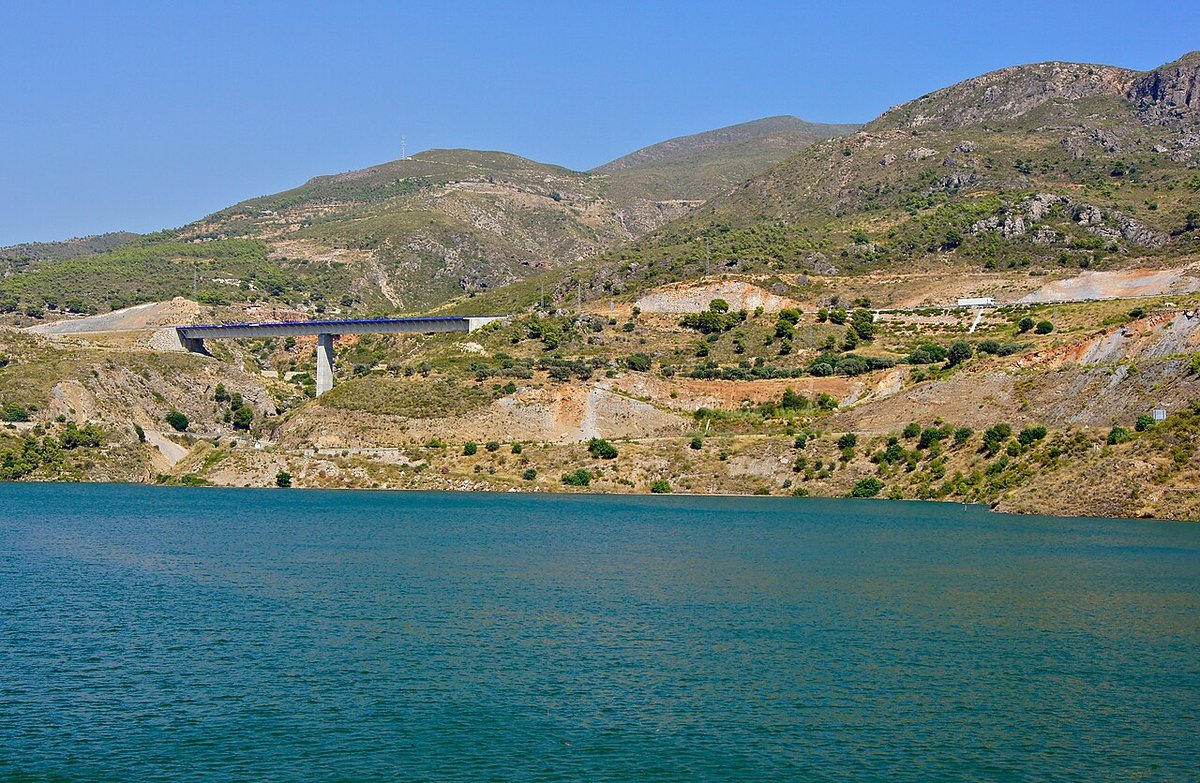
The wind often carries the scent of thyme and rosemary. On still days, there is also a faint, distant hum from the motorway that runs along the coast. This proximity to Motril and Granada has shaped daily life in recent decades. Some residents work down by the coast and return in the evening, keeping family homes in the village above.
The pace of ordinary days
Early in the week, Molvízar moves slowly. Some places open early while others wait until later to begin the day. In winter, it is still possible to find choto al ajillo, a dish closely tied to the cooking traditions of this part of Granada.
The preparation takes time. Goat meat is typically marinated with garlic, mint and white wine before being cooked gently in a pan. The process is unhurried, allowing the sauce to thicken and the aroma to settle into everything around it.
During a quiet moment, someone recalls a difficult year in the nineteenth century, when disease, crop problems and several earthquakes struck much of the region at once. The comment that follows is simple: people here have always carried on. It is said while looking out towards the street, as if the steep incline itself tells that story.
When the light changes
In August, the rhythm of the village shifts during the feria. Music fills the square, temporary structures appear, and many who live elsewhere return for a few days. The nights stretch longer than usual, and the liveliness spreads through streets that are otherwise calm.
Another date brings a different mood. On 26 July, the feast of Santa Ana takes place. In the afternoon, the image is carried out from the church and through the streets of the village. It is not silent, there are always children and conversations, yet the pace softens noticeably. Older women follow the procession at a steady pace, and from balconies above come petals or simply quiet attention.
Reaching the village
The road that climbs up from the coast is winding and requires patience. In a short distance, the humid air of the shoreline gives way to something drier and slightly cooler due to the elevation.
Spring tends to be a good time to explore the surroundings. Flowers appear along the edges of paths, and the temperature makes the climbs more manageable. In summer, earlier starts are advisable, as the sun falls directly onto the streets by midday and shade is limited.
Several walking routes lead from the village towards nearby hills and in the direction of Los Guájares. Carrying water is important, as once outside the built-up area there are long stretches without places to stop.
On the way back down towards the coast, the scent of the hills lingers. Thyme and dry earth cling to clothing, a reminder of the slope that defines Molvízar and the quiet rhythm that shapes its days.