Full Article
about Motril
Capital of the Costa Tropical and the province’s second-largest town; a commercial hub
Ocultar artículo Leer artículo completo
The morning catch arrives at Motril's port while most coastal towns are still rubbing sleep from their eyes. By seven o'clock, crates of ruby-red prawns and silver-scaled dorada swing from boat to quay, auctioneers rattle off prices in rapid-fire Spanish, and the day's first café con leche steams at Bar La Parada opposite the docks. This is Spain's Costa Tropical, where fishermen still outnumber yachties and the mountains of Sierra Nevada stand sentinel over beaches where subtropical fruit falls ripe from the trees.
A Working Coast, Not a Pretty Picture
British visitors expecting whitewashed perfection often misjudge Motril at first glance. The approach road passes plastic greenhouse after plastic greenhouse, their milky roofs shimmering like a tide of bubble wrap across the coastal plain. These are the invernaderos that keep British supermarkets stocked with tomatoes in February, and they explain why the town's economy relies more on irrigation pipes than Instagram likes.
Yet step away from the N-340 and Motril reveals its rhythms. The port handles everything from Moroccan ceramics to Colombian coffee beans, while the fishing fleet lands species that never reach northern waters. At the daily market on Calle Varadero, mangoes the size of cricket balls sit beside knobbly chirimoyas that taste like bubblegum-flavoured custard. The stallholders will slice fruit for sampling without the hard sell you'll find in tourist traps further west.
The beaches divide opinion honestly. Playa Granada's dark volcanic sand absorbs rather than reflects heat, meaning bare feet scurry rather than stroll in August. The water stays cooler than the Med's postcard zones too, though this proves welcome when temperatures hit 38°C. What the beach lacks in Caribbean colour it gains in space: even mid-August finds room for a towel without the towel-wrestling of Nerja or Torremolinos.
Sugar, Rum and the 1950s Rebuild
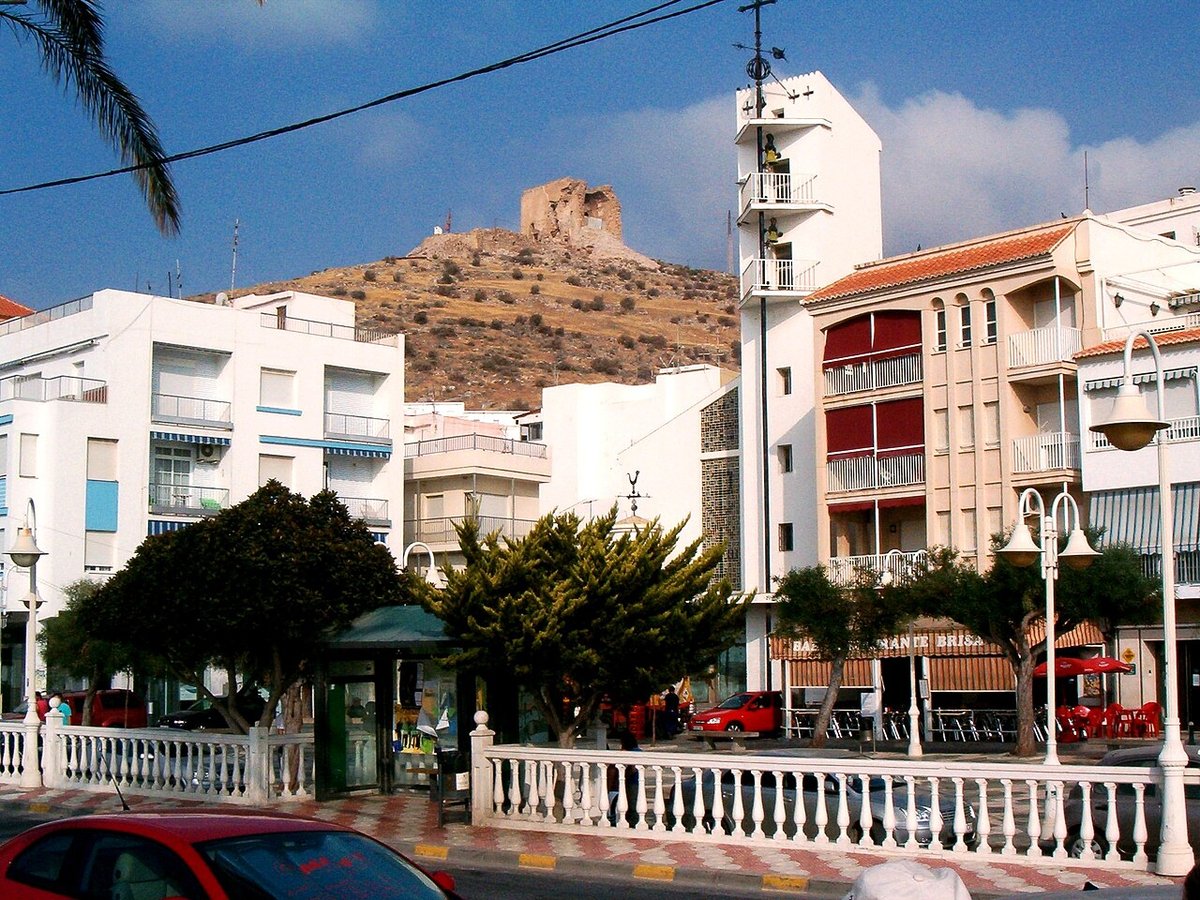
History here tastes of sugar and earthquakes. The devastating 1954 quake levelled much of the old centre, leaving planners to rebuild in functional 1950s concrete rather than mock-Moorish pastiche. The result won't win beauty contests, but it means Motril functions as a place where people live rather than perform.
The Museo Preindustrial de la Caña de Azúcar occupies a former sugar mill on Calle de las Azucenas. Inside, British engineering enthusiasts marvel at Lancashire-built steam engines that once powered Andalucía's sweetest industry. The attached distillery still produces Ron Montero, a smooth cane spirit that slips down easier than expected at 40% proof. Tours run twice daily except Mondays; email ahead ([email protected]) to secure an English-speaking guide who'll explain why the rum here predates Caribbean production by two centuries.
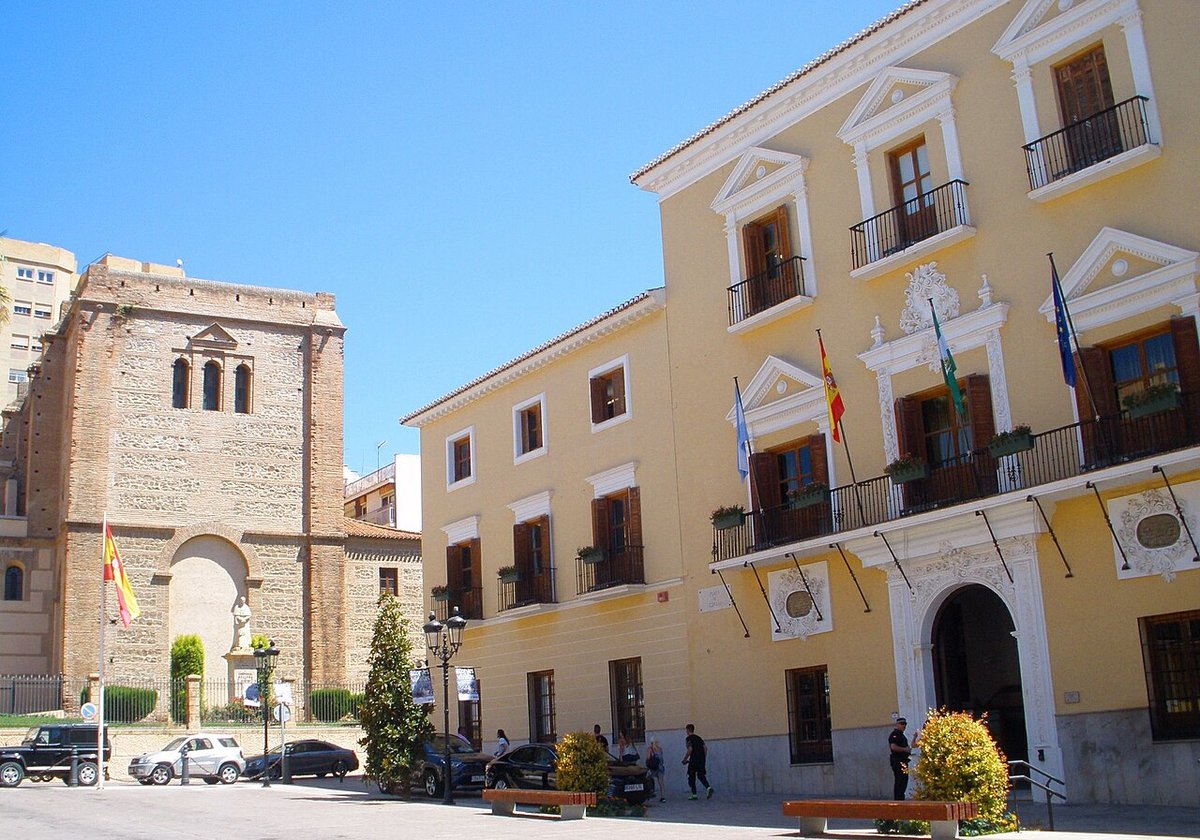
The sugar money built the Iglesia Mayor de la Encarnación, whose Renaissance façade survives as one of the few pre-quake structures. Baroque additions stick out like architectural sticking plasters, but step inside during evening mass to hear the acoustics that convinced parishioners rebuilding here rather than relocating. The church bells still mark time for the port, ringing out across warehouses and fishing nets at noon and dusk.
From Mangoes to Mountain Trails
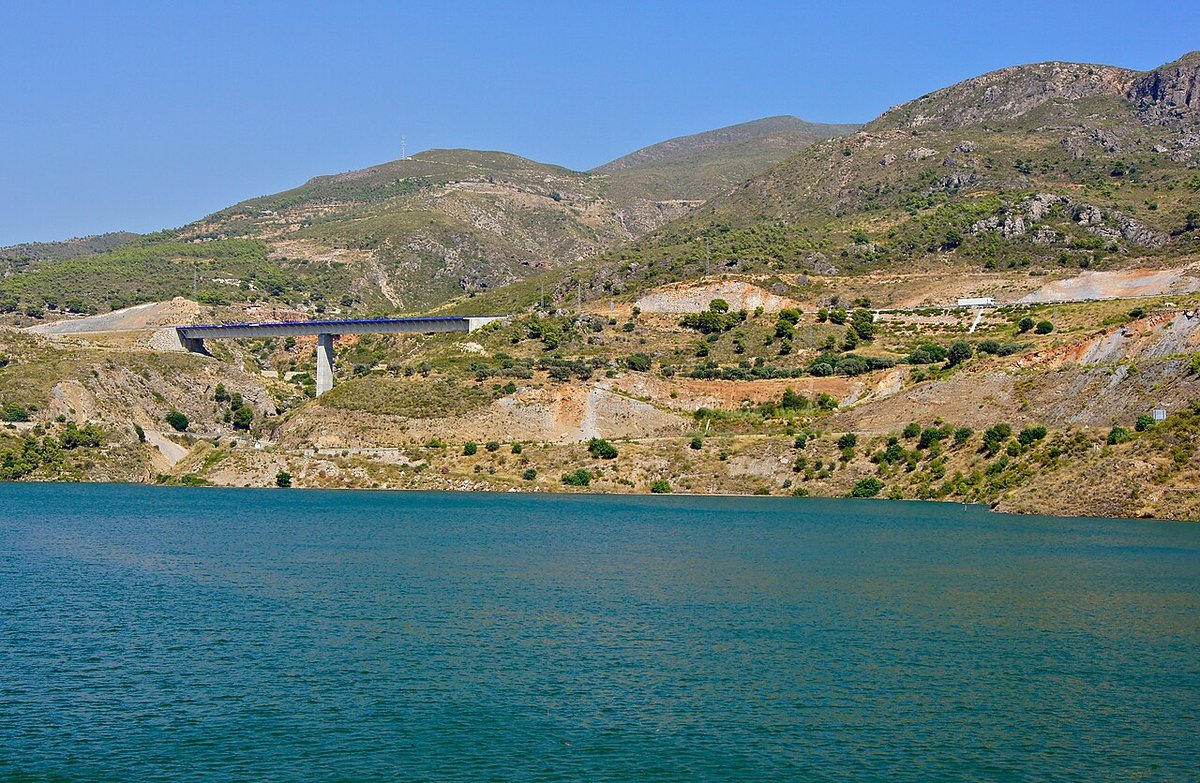
Motril's microclimate creates Spain's most surprising postcode. Drive 45 minutes uphill and you're building snowmen at Sierra Nevada's ski station. Descend back to sea level and avocado trees heavy with fruit line the roads. This geographical quirk explains why British birdwatchers pack binoculars alongside beach towels: the Charca de Suárez reserve hosts migratory species rarely seen elsewhere in Europe. Winter visits reward patience with sightings of bluethroats and red-knobbed coots, though the reserve opens only 4-6pm in winter – arrive at 3:55pm for the kingfisher hide.
The same mountains provide hiking without the crowds of better-known ranges. The Ruta de los Acantilados follows goat tracks between Salobreña and Almuñécar, passing coves where you'll share crystalline water only with resident octopuses. The full route demands six hours and reasonable fitness, but shorter sections offer dramatic views without the knee-crunching descents. Spring walkers find wild orchids among the agaves; autumn brings the mango harvest when pickers offer sticky slices to passing hikers.
Eating Like a Local, Not Like a Tourist
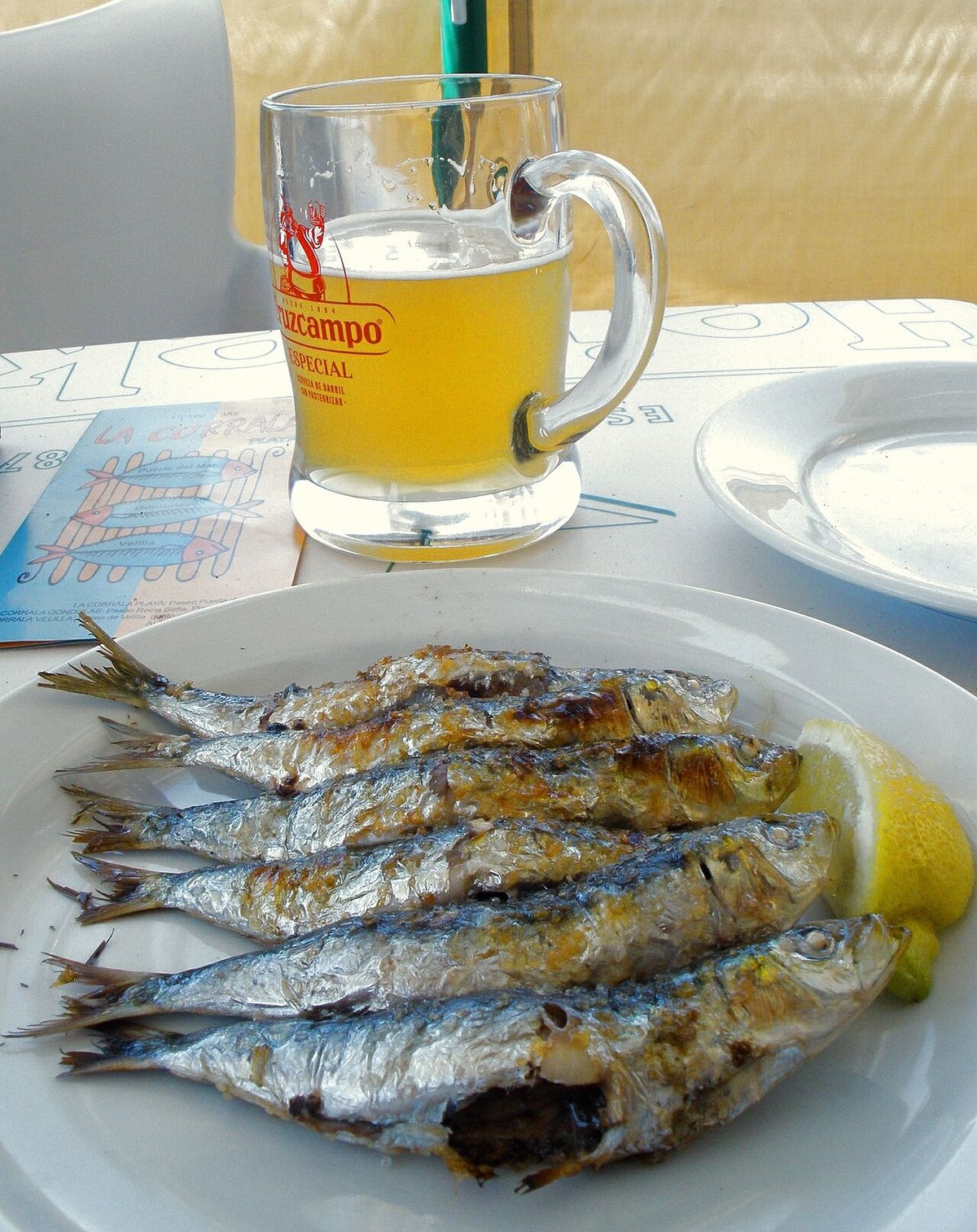
Food here refuses to play to foreign expectations. Yes, you'll find paella, but the locals queue for pescaíto frito served in paper cones at the port's Friday market. The fish arrives so fresh that silver scales still shimmer; the batter contains more air than oil, creating clouds that crunch then dissolve. At Chiringuito Pirata on Playa Granada, grilled sardines arrive without the bones that plague British barbecue attempts – the trick lies in cooking them over olive-wood embers until the backbone lifts away intact.
Rum appears in everything from BBQ ribs to ice cream. Helado de caña tastes like frozen mojito without the hangover, while the rum-and-coke glaze at Destilerías Montero converts even committed teetotallers. For something stronger, order a cubata at any bar and watch the generous measure poured with a flourish that would horrify British licensing laws.
The Friday street market on Calle Varadero offers the best value for self-caterers. Here mangoes cost €2 a kilo, avocados sell by the bowlful, and the stallholders remember repeat customers with extra figs thrown in. Arrive before 10am when the produce still holds morning coolness; by noon the subtropical sun turns plastic bags into saunas for fruit.
When to Come, When to Stay Away
Motril works best as a base rather than a destination. Stay three nights and day-trip to Granada's Alhambra (45 minutes by car) or the Alpujarras villages where terraced hillsides echo with the bells of free-grazing goats. Summer brings feria fortnight when the population doubles and hotel prices triple – book early or avoid entirely depending on tolerance for flamenco at 3am.
Winter offers the sweetest deal. Temperatures hover around 18°C, beaches empty except for dedicated dog-walkers, and restaurants drop prices to attract locals rather than tourists. British pensioners who winter here talk of heating bills saved and joints that no longer ache; the only downside is the occasional Levante wind that whips sand across the promenade like nature's exfoliation treatment.
Come February, almond blossom froths white across the surrounding hills while back home Britain digs out from another storm. It's then that Motril's appeal becomes clearest: not as a pretty picture, but as a place where Spain carries on regardless, where mangoes ripen within sight of snow, and where the day's most pressing decision involves choosing between rum or wine with lunch.