Full Article
about Polopos
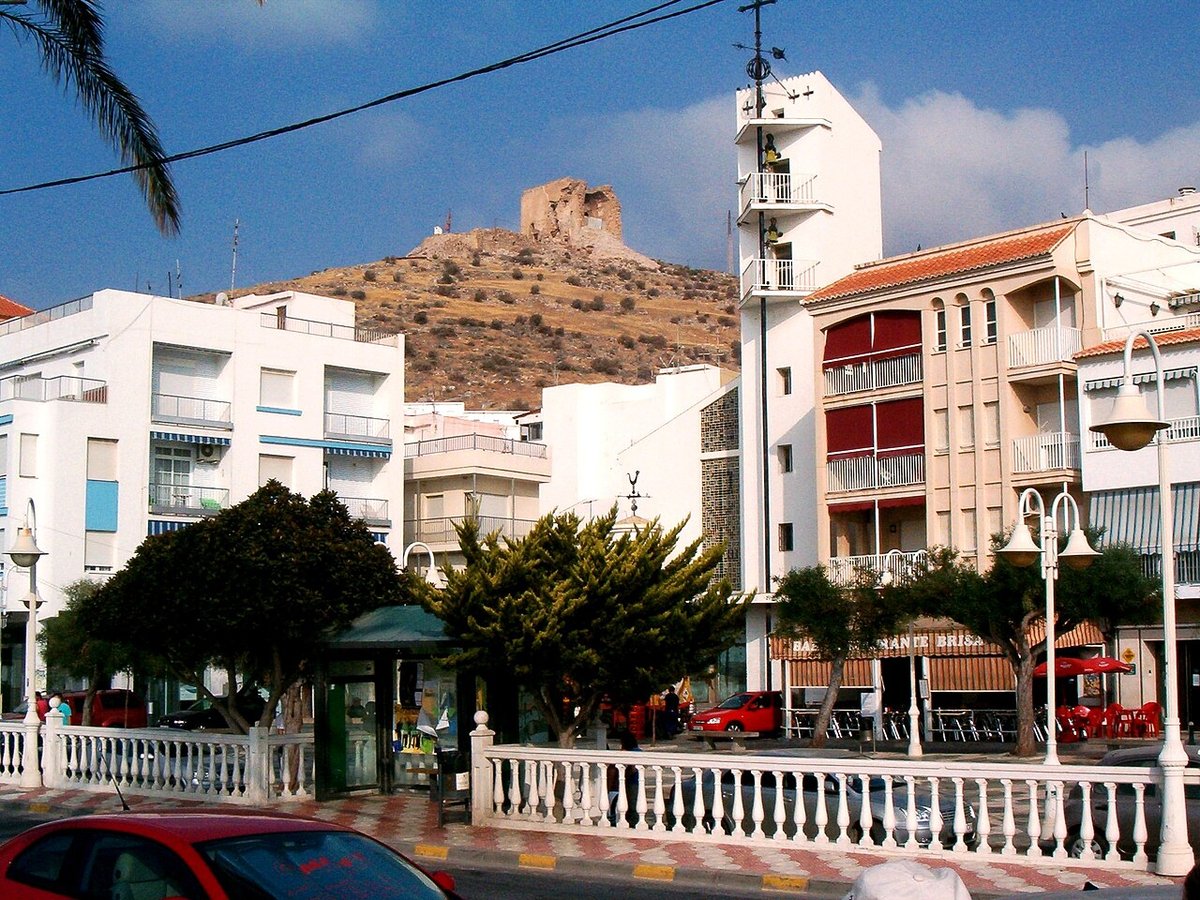
A municipality where sea meets mountain (La Mamola on the coast
Ocultar artículo Leer artículo completo
The last streetlamp flickers out fifty metres beyond the church square. After that, Polopos dissolves into darkness and the smell of almond blossom. Stand still and you’ll hear two things: the wind combing the slopes of olives and, far below, the hum of the N-340 coastal road that you left twenty minutes earlier. The village sits at 750 m, high enough for the air to feel sharp in February and for the Mediterranean to look like a strip of polished steel rather than a holiday backdrop. It is not hidden, nor undiscovered; simply placed where tour coaches cannot be bothered to climb.
A balcony you have to earn
The final four kilometres from the coast are a single-track switchback. Meet the school minibus at the wrong bend and you’ll reverse to the nearest cattle grid while the driver waves apology and encouragement in equal measure. Petrol gauges need to be honest: there is no fuel in Polopos, and the nearest pump is back down in Castell de Ferro, 7 km away. Once the engine cools, the village reveals itself as a white wedge glued to the mountainside, streets tilting at angles that would shame a San Francisco tramline. Park on the upper rim—space for a dozen cars if everyone breathes in—and walk; everything worth seeing happens on foot.
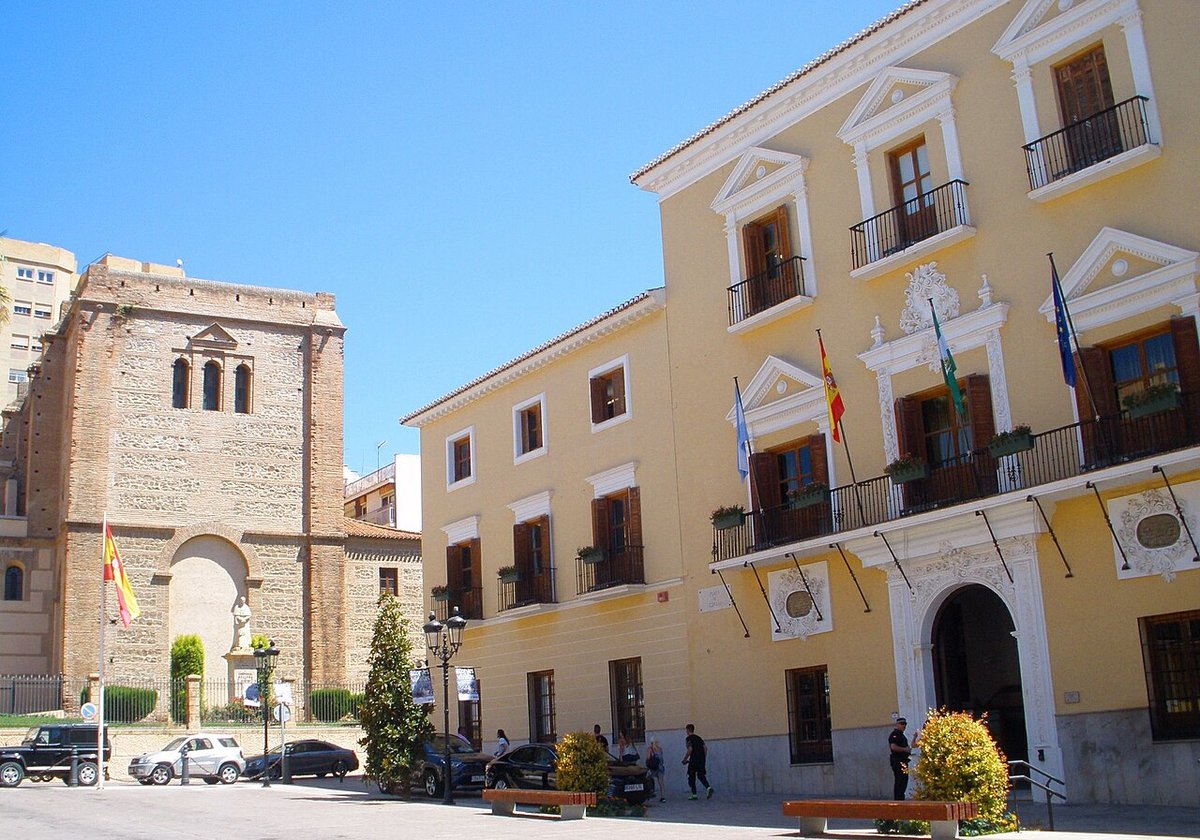
Houses are low, thick-walled, painted the colour of old piano keys. Iron balconies hold geraniums in olive-oil tins. Occasionally a front door stands open, offering a tunnel of shade and a glimpse of coloured tiles that came from the old factory in nearby Órgiva. There is no centre in the British sense: no post office, no ATM, no Tesco Express. The last shop closed before Covid and its roller shutter is now a noticeboard for goat herders and odd-job men. If you need milk, bread or a bottle of the local rosé that arrives in unlabelled litre bottles, you drive back down to Castell de Ferro before the supermarket shuts at 21:00. Self-catering here is not a lifestyle choice; it is the only way to eat.
What passes for sights
The Church of Nuestra Señora de los Remedios squats at the widest point of the only paved lane. It is small, whitewashed, locked except for Saturday evening Mass. Inside, the altar is dressed in folk art that would make a museum curator wince: gilt hearts, plastic roses, a plaster saint whose paint has blistered in the summer heat. Yet the building matters because every family in the village has carried a coffin or a bride through that doorway. Stand outside at dusk when the swifts cut arcs between the bell tower and the escarpment and you understand the building’s real purpose: it is a navigational aid for returning farmers, visible from three valleys away.
Above the church a cobbled path squeezes between garden walls. Five minutes of calf-burning climb brings you to the upper threshing floors, stone circles where wheat was once trodden by mules. No ticket office, no interpretive panel—just a 270-degree view that takes in the snowy flank of Sierra Nevada, the plastic glitter of greenhouse roofs near Motril, and, on very clear April mornings, the violet outline of Morocco. Bring a jacket; the breeze up here has already crossed two mountain ranges and carries no residual warmth.
Trails that still smell of mule sweat
Polopos is stitched together by old bridle paths. One drops north-east to the dry riverbed of the Río Albuñol, then climbs through rosemary and dwarf fan palms to meet the GR-7 long-distance route. Another zig-zags west to the abandoned hamlet of El Marchal, where roofs have collapsed onto iron bedsteads and fig trees push through living-room floors. Neither path is strenuous in kilometres, but the midday sun is brutal from March onwards; start early, carry more water than you think reasonable, and accept that the return journey is uphill all the way.
Spring brings the almond blossom fiesta, a weekend when the village doubles in population. Locals lay trestle tables on the church terrace and a retired teacher from Sheffield pours free Costa wine from a plastic drum. There is no programme to buy, no wristband; you simply appear, queue for paella cooked over orange-wood, and listen to a guitarist who insists on playing “Wonderwall” with Spanish vowels. It is the one time of year when parking becomes a blood sport—arrive before 11:00 or abandon the car halfway down the mountain and walk the last 2 km.
Eating (or not)
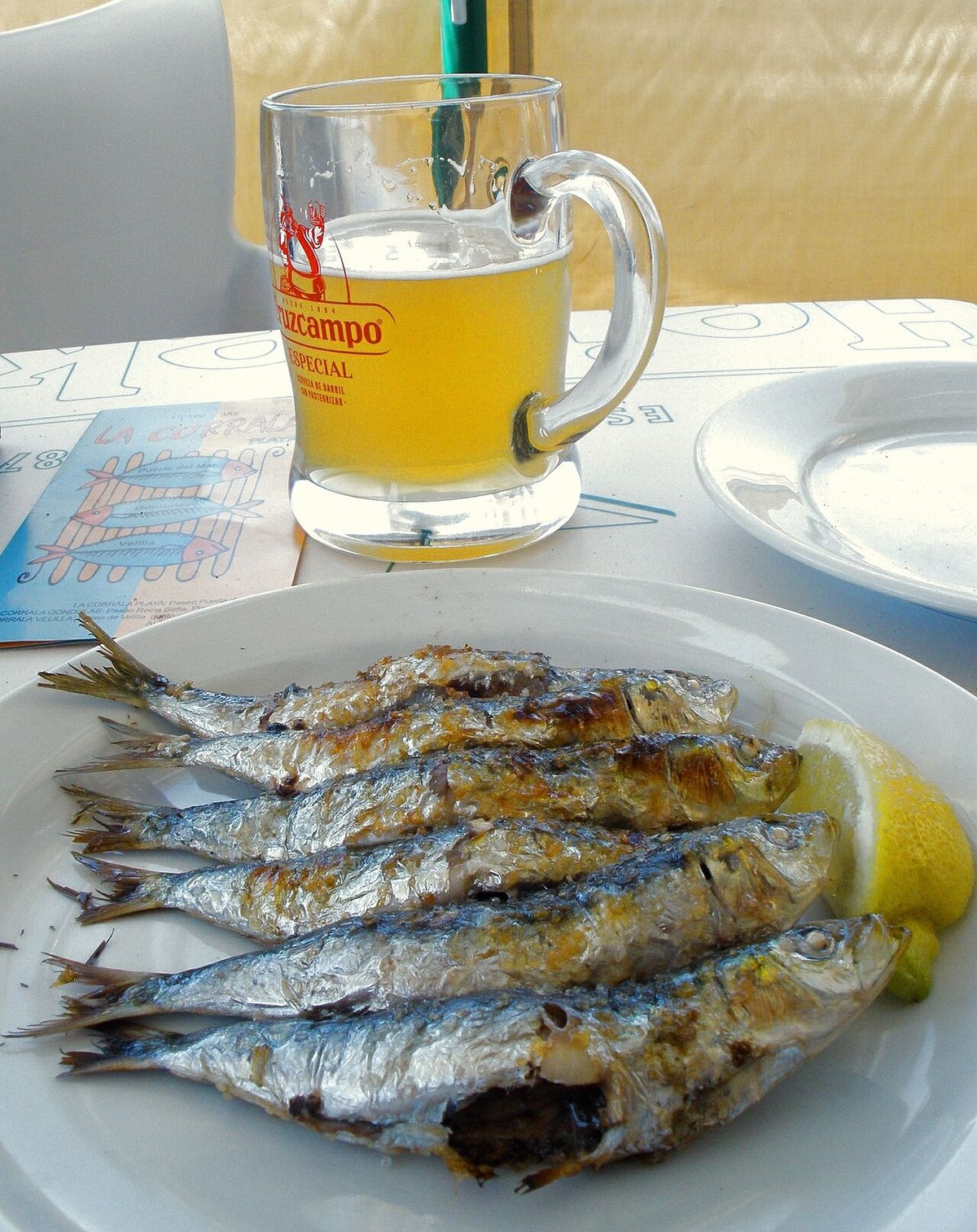
The Dutch-run restaurant Loetje is the only place serving dinner within village limits. It opens three nights a week, seats twenty, and does one thing well: steak buried in caramelised onion gravy with a fist-sized hunk of bread to mop the plate. Book by WhatsApp; if the message ticks but never turns blue, assume they are full. Lunch is easier: drive ten minutes to the coast and choose between fried baby squid on the promenade at La Rábita or a no-frills menú del día in Castell de Ferro where the waiter will warn you that the wine is “muy fuerte” before pouring a third of a bottle into a water glass.
Vegetarians should lower expectations. The village vegetable plot is real—terraces of leeks, broad beans and Swiss chard tucked behind every house—but restaurants treat greens as garnish. Stock up on aubergines and tomatoes in the Thursday street market in Albuñol and cook at home. Kitchens in the two rental cottages come with decent knives and someone has always left behind olive oil that costs more in Borough Market than it does here.
When the mountain turns cold
November can be T-shirt weather on the beach while Polopos disappears into cloud. By January the thermometer dips to 3 °C at night; village houses lack central heating and rely on wood stoves fed with pruned almond branches. Owners will show you how to bank the fire before bed; ignore the lesson and you’ll wake to bedroom tiles that feel like Yorkshire stone in February. Snow is rare but not impossible—when it comes, the access road is gritted once a day and the school bus simply doesn’t run. August, conversely, is hot, still and noisy with cicadas. The altitude keeps nights cooler than the coast, yet bedrooms under eaves bake unless shutters are closed at sunrise. Air-conditioning is almost unknown; fans are provided, along with the advice to sleep siesta-style between 15:00 and 18:00.
The honest verdict
Polopos suits travellers who have already seen the Alhambra and fancy swapping ticket queues for silence. It is cheap—rental cottages start at £55 a night outside fiesta week—and the produce you cook yourself is outstanding. Yet the village demands a car, advance planning, and a tolerance for the fact that nothing happens quickly. If you measure holiday success by proximity to a beach bar, stay on the coast. If you want stars you can read by, paths that smell of thyme, and the sense that the twenty-first century is an optional extra, drive uphill until the sat-nav gives up. Just remember to buy diesel before you climb.