Full Article
about Sorvilán
A Contraviesa municipality that reaches the sea at Melicena, known for its vineyards and quiet beaches.
Hide article Read full article
A hillside pause above the coast
Tourism in Sorvilán feels a bit like taking a detour out of curiosity. You follow the Granada coastline, glance up, and notice villages clinging to the slopes. Some are well known, others barely register. Sorvilán belongs firmly to the second group, and that is exactly why it stands out once you decide to stop.
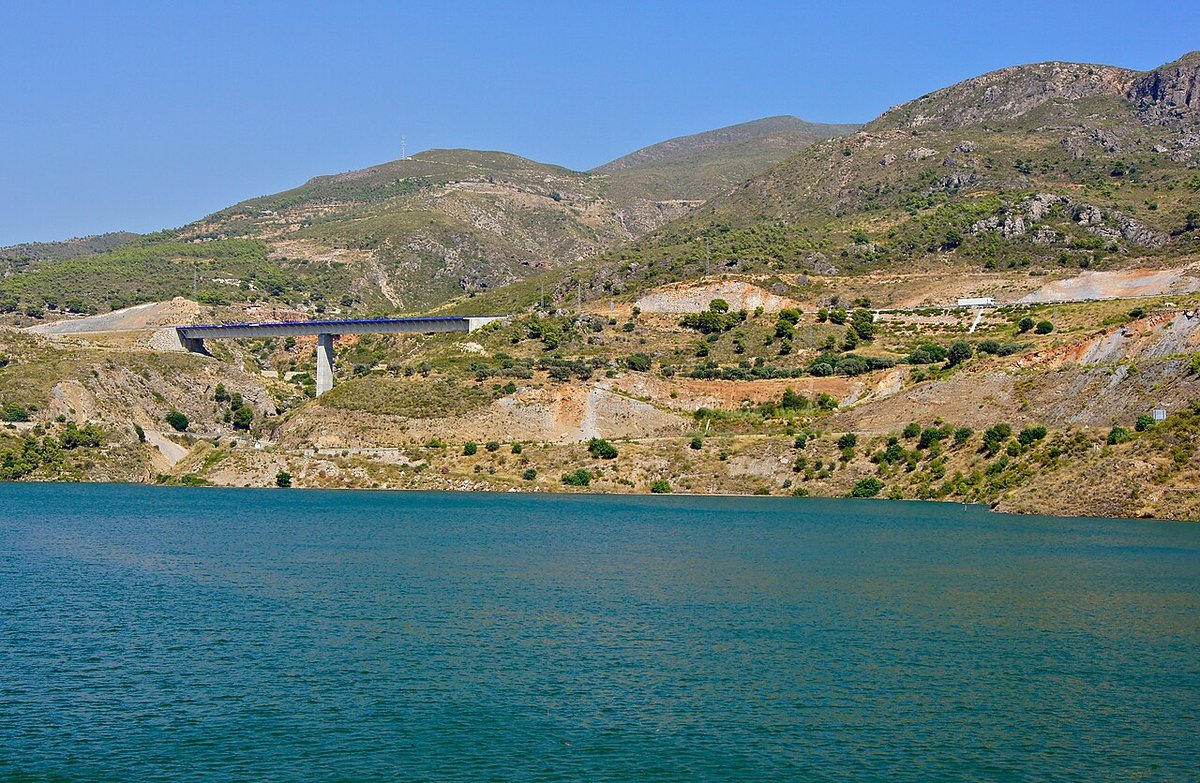
This small municipality in the Alpujarra of Granada has around 521 residents and sits in a kind of middle strip between Sierra Nevada and the Costa Tropical. On a map it seems close to everything, yet the pace tells a different story. Terraced fields and irrigation channels shape daily life here, not the traffic of the motorway running far below.
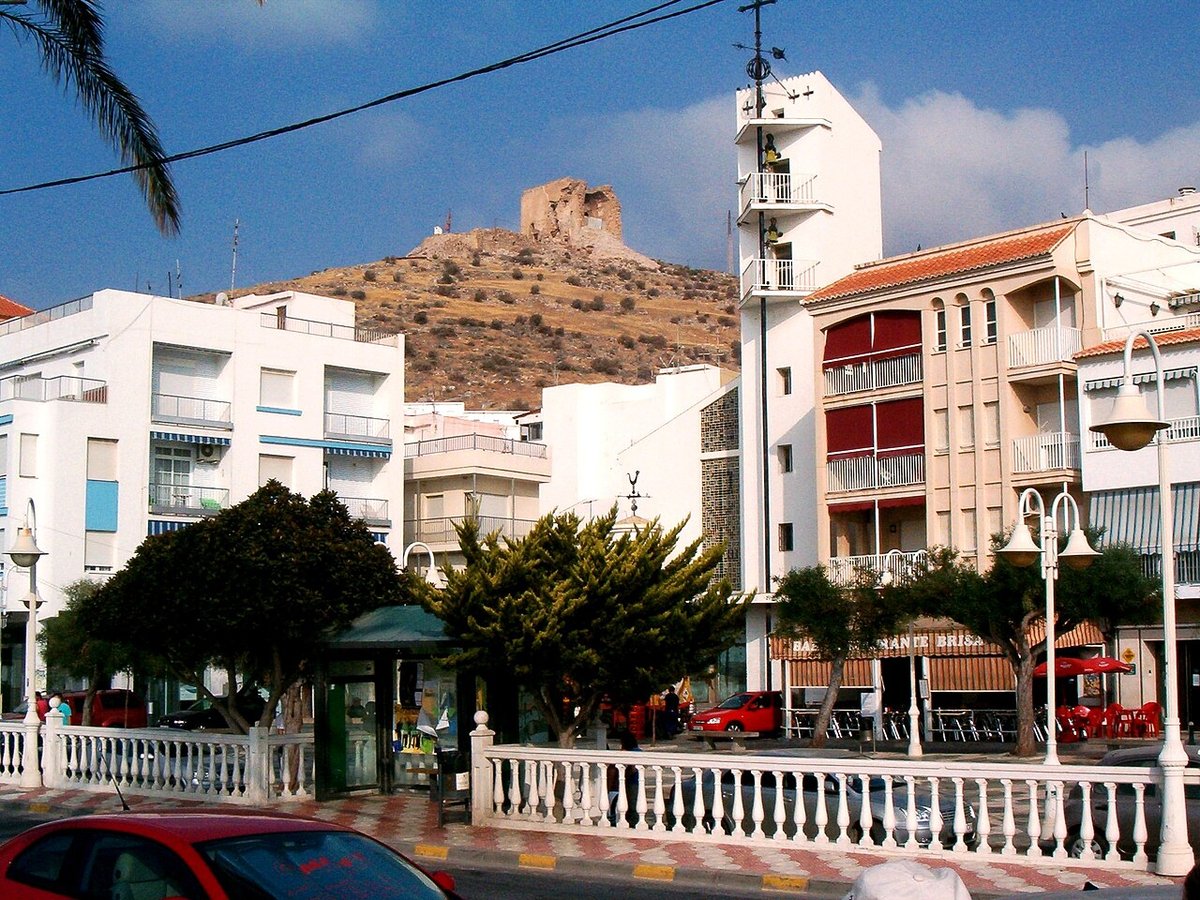
The streets rise and fall with the terrain, lined with whitewashed houses set almost like steps into the hillside. From certain spots, on especially clear days, the Mediterranean comes into view. Turn the other way and the higher peaks of Sierra Nevada appear. It does not happen every day, but when it does, the choice of location makes perfect sense.
Sorvilán is not a place to pack with activities from morning to night. It works better as a quiet توقف or as a base for those who enjoy walking through a less busy part of the Alpujarra.
Traces of history in everyday spaces
At the centre of the village stands the Iglesia de San Roque, built in the 17th century. Like many churches in the area, it avoids grand architectural gestures. Its design reflects a practical approach common in agricultural communities: solid, functional, without unnecessary ornament.
A walk through the streets reveals many features typical of the Alpujarra. Thick walls help regulate temperature, while flat terrao roofs sit low against the skyline. Narrow streets allow sunlight in only at certain times of day. In some patios, pots of mint, geraniums or even a tomato plant appear. These small details hint at how closely home life and farming have always been linked.
Beyond the centre, remains of old hydraulic mills still exist. Some are partly hidden by earth and vegetation, though their structures can still be made out with a careful look. Following the line of the acequias, the traditional irrigation channels introduced centuries ago, helps piece together how water once moved through the landscape and sustained the crops.
The surrounding land is built almost entirely on terraces. There are olive trees, almond trees and fig trees, each occupying plots carved into the slope over generations. Flat, open fields are absent. Every piece of land has been gradually shaped to fit the terrain.
Walking the land
Sorvilán also works well as a starting point for simple walks in the area. Paths follow the old acequias and cross cultivated terraces that are still in use today. These are not demanding mountain routes. Instead, they offer a steady way to understand how the landscape is organised and maintained.
Heading further inland brings a gradual increase in altitude towards Sierra Nevada. Some stretches reach noticeably higher ground, where views open out towards the coast. On clear days, the contrast between mountains and sea becomes especially visible.
Food in the village stays close to local produce. Olives appear frequently, along with goat’s cheese and homemade cured meats when the season allows. Dishes such as migas alpujarreñas, a traditional breadcrumb-based dish, or choto al ajillo, goat cooked with garlic, tend to feature during family gatherings or special occasions rather than everyday meals.
For those interested in photography, early morning and late afternoon offer the most revealing light. Low الشمس emphasises the shapes of the terraces and the slope of the streets. Sorvilán does not present itself as a perfectly arranged postcard scene. Its appeal lies more in corners that come into view gradually while wandering without a fixed plan.
Local rhythms and celebrations
The main festivities take place in August in honour of San Roque. This is when the village becomes more animated, partly because many residents who live elsewhere return for those days. Processions take place, along with music and social gatherings that extend into the summer nights.
During Semana Santa, or Holy Week, the village holds processions that are relatively understated. These follow a long-standing tradition and move through the same narrow streets that define daily life.
In the warmer months, small outdoor performances or informal musical gatherings sometimes appear, organised by residents themselves. These are not large-scale events or long programmes. They tend to emerge naturally in the evenings, when the heat fades and people gather outside.
Sorvilán is the kind of place people do not visit in search of major monuments. The experience is simpler: arrive, park, take a quiet walk, and begin to notice the details. Water running through acequias beside the path, terraces stepping down the hillside, the stillness of mid-afternoon. Those elements offer a clear sense of how life unfolds here.