Full Article
about Vélez de Benaudalla
Town with Arab heritage and a spectacular Nasrid garden; set in the Guadalfeo valley near the coast
Hide article Read full article
A short drive from the coast, a different pace entirely
Tourism in Vélez de Benaudalla is often introduced with a mention of the coast, which sits about a quarter of an hour away by car. Yet once you arrive in the village, the sea feels surprisingly distant. The atmosphere shifts. Instead of beach traffic and apartment blocks, there are orchards and quiet streets.
One of the first surprises here is the food. A simple dish of bread, garlic and broth, the sort that has been prepared locally for generations, captures the spirit of the place. It tastes of home cooking, of times when nothing was wasted and meals were built from what was available.
That sense of simplicity runs through much of daily life in Vélez de Benaudalla. Things feel unpretentious and long established, without unnecessary embellishment.
A village among orange groves
Although it lies close to the Costa Tropical, the valley of the river Guadalfeo keeps Vélez de Benaudalla slightly apart from the bustle of the shoreline. Approaching the village, market gardens and orange groves appear before any sign of beach culture.
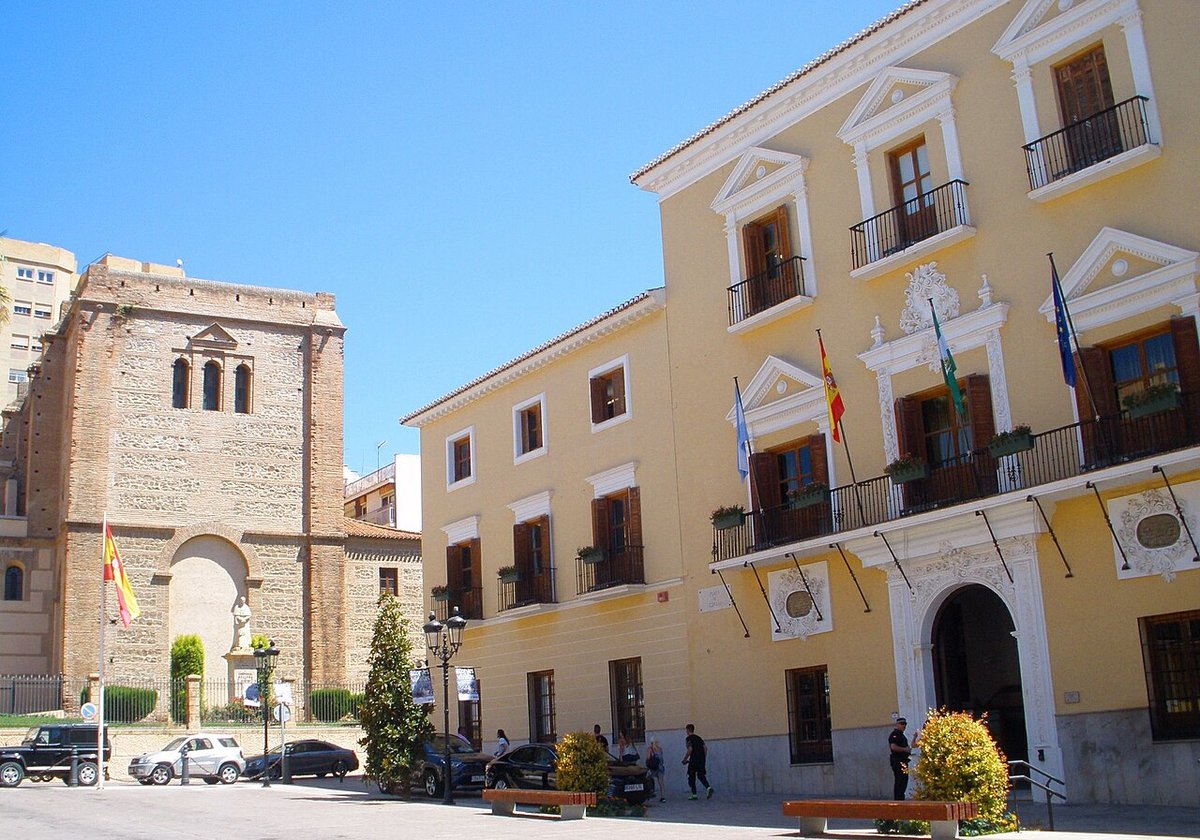
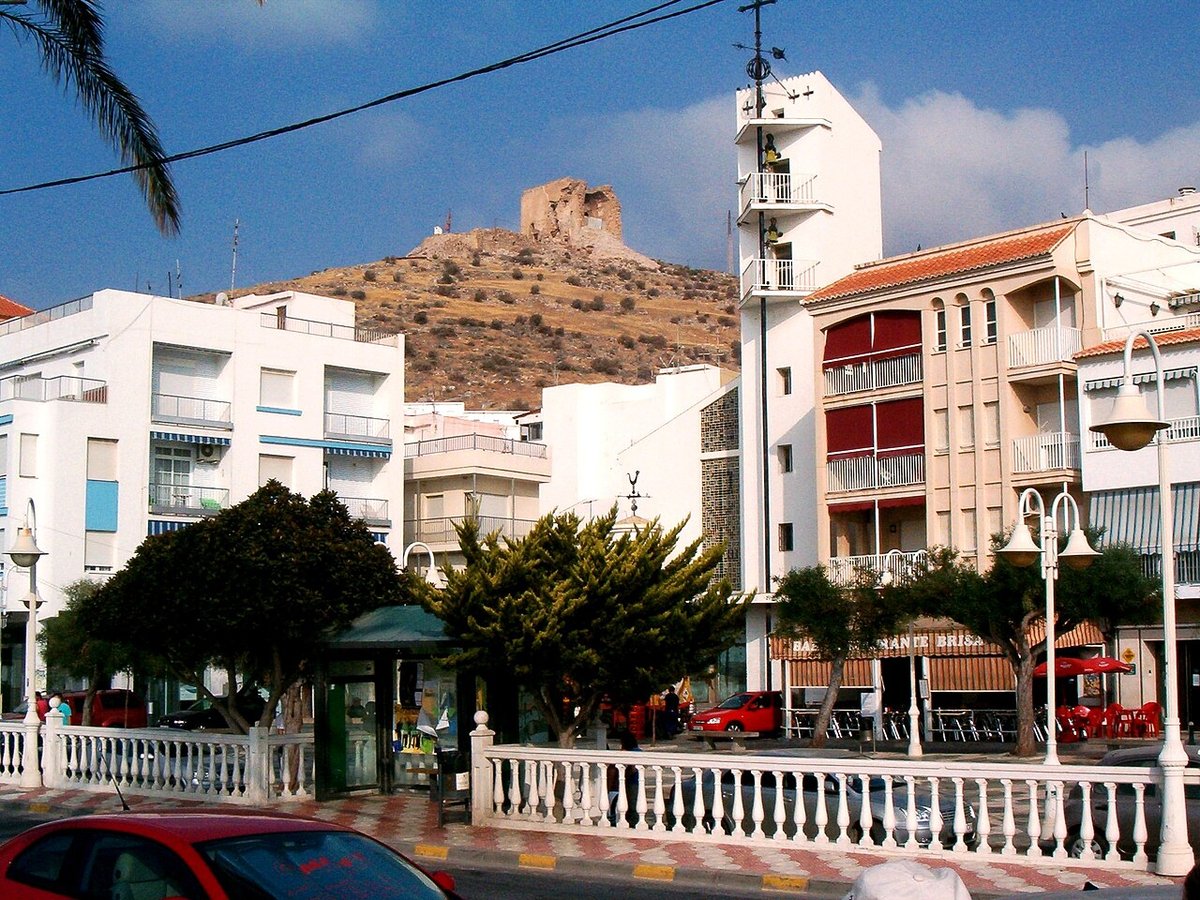
Just over three thousand people live here. White houses climb the hillside as though the streets had been laid out in steps. Calle Mayor is the kind of place where, if you linger for a while, you are likely to cross paths with much of the local population.
The scent of bread and orange blossom can hang in the air, particularly in spring. Orange trees surround the urban centre on several sides, and their blossom is noticeable at certain times of year. Locals sometimes describe the climate as a small trick: the coast is near, but without the sticky humidity of a seafront town. According to one neighbour, that balance helps the fruit thrive.
The unexpected Jardín Nazarí
The Jardín Nazarí is one of those places that makes you pause. In a modest village setting, you come across a historic garden of Andalusí origin that remains in good condition.
It is not vast and it does not aim for palace-scale grandeur. Instead, it unfolds across three ტერaced levels with water pools and the constant sound of running water, which transforms the mood of the surroundings. Cypress trees, stone walls and the castle above complete the scene.
Often, the garden is quiet. Many visitors to this part of Granada stay on the coast and may not realise that such a space exists only a few kilometres inland.
From the upper section there is a clear view of the village church, built later and with a distinctly marked cross-shaped plan. The contrast between the older garden and the architecture that followed offers a straightforward way to understand the area’s past, without the need for elaborate explanations.
Food shaped by harder times
In Vélez de Benaudalla, a “typical dish” usually refers to food that originated in periods when resources were limited. Recipes developed out of necessity and have endured because they make the most of simple ingredients.
One example is a puchero with fennel, said to have been common when the countryside offered little else. It is still prepared in some homes, particularly when the weather turns cooler.
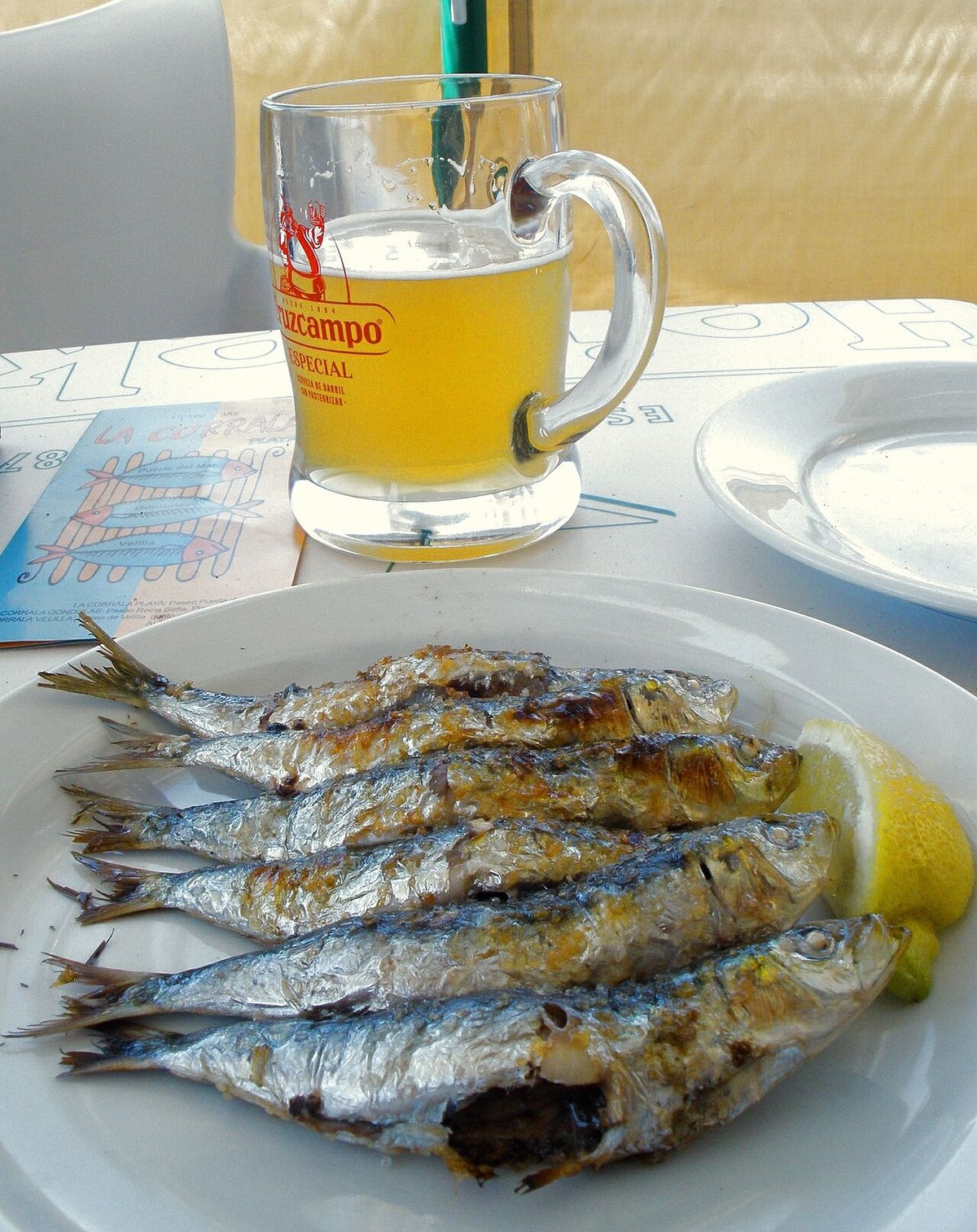
In local bars, especially at certain times of day, you may find migas de harina served with accompaniments, or seasonal vegetables fried with young garlic. These are plates that recall agricultural life and a reliance on what was growing nearby.
Sweets also have their place. Pestiños are still made in many households in a fairly traditional way. Their shape stands out: when the dough is folded and pressed closed with a finger, a small hollow remains, almost like a signature. Coated in honey, whether cane honey or another variety, they are easy to keep reaching for.
Paths between valley and sea
The landscape around Vélez de Benaudalla changes quickly within a few kilometres. This is one of its most appealing aspects.
There are footpaths that lead from the village up towards hills facing the sea. On some stretches you can look towards the coast on one side and, if the day is clear, towards the peaks of Sierra Nevada on the other. That combination of maritime and mountain views is typical of this part of the province of Granada.
Other routes follow old irrigation channels and cultivated land, linking up with agricultural tracks and neighbouring villages in the valley. These are gentle routes, better suited to a long walk or a bike ride than to demanding mountain terrain.
A simple piece of advice applies here: carry water even if the temperature does not feel especially high. The sun can be deceptive. The air may seem fresh, yet it is easy to walk for quite some time without shade.
When San Antonio changes everything
Before leaving, it is worth noting how different the village can feel during its festivities in honour of San Antonio, held in mid-June. Locals sometimes say that if you come during those days, you will see another Vélez.
According to those who take part, there are parades, moros y cristianos costumes, music in the streets and plenty of fireworks. Much of the village gets involved, from children to grandparents.
Photographs from previous years show cardboard turbans, wooden swords, improvised floats and even a giant papier-mâché sardine for the final burial. It is all very homemade, yet it carries the slightly chaotic energy that small-town festivals often have when people commit to them fully.
A place that does not try to impress
Vélez de Benaudalla does not present itself as somewhere spectacular. There are no grand claims attached to it. Instead, it leaves an impression through small details: the scent of orange blossom, the sound of water in the Jardín Nazarí, a plate of migas shared at the right moment.
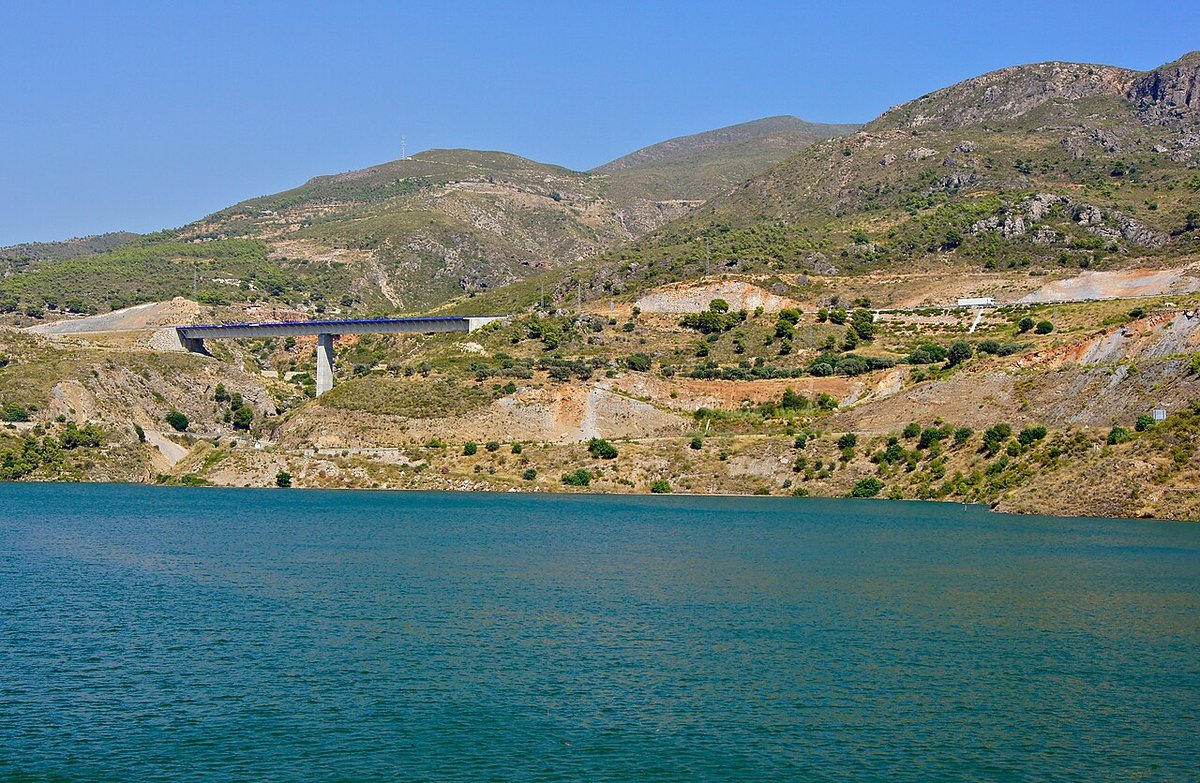
It sits close to the sea, shaped by the river Guadalfeo and framed by hills that look towards both the Mediterranean and Sierra Nevada. Life here moves at its own rhythm. Nothing feels staged for visitors.
That may be precisely why it lingers in the memory.