Full Article
about El Campillo
A Cuenca Minera town whose landscape has been reshaped by mining; it offers striking views of the open pits and a quiet atmosphere.
Hide article Read full article
El Campillo, un pueblo que nació con el horario de la mina
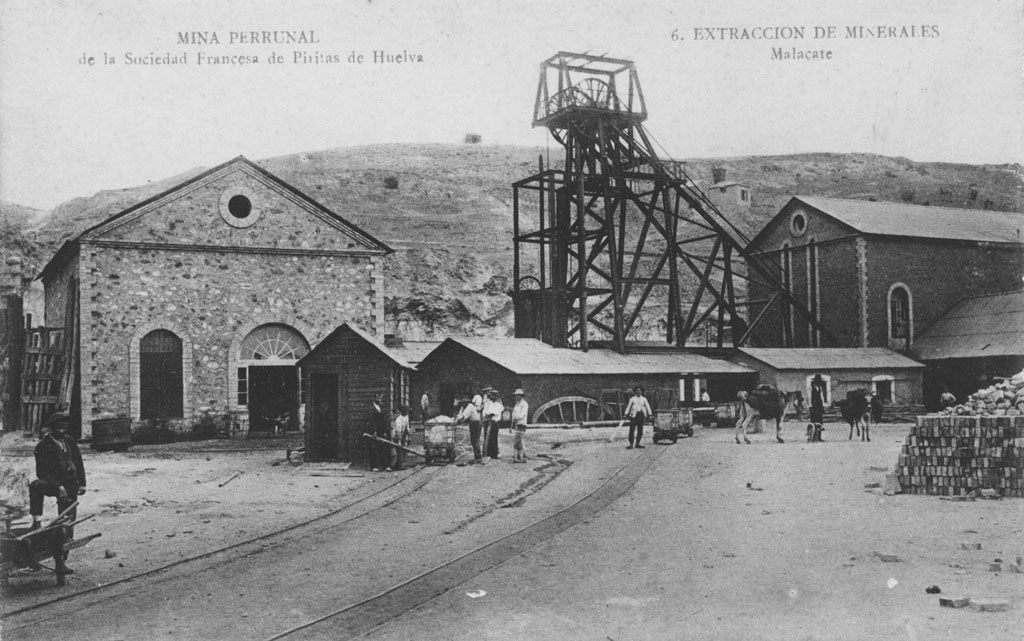
Hay pueblos que parecen surgir de la tierra con el tiempo justo, como si alguien hubiera dicho "aquí hace falta un pueblo" y se pusieran a construirlo a toda prisa. El Campillo es uno de esos sitios. No tiene casco histórico ni calles serpenteantes. Lo que tiene es una cuadrícula perfecta de calles rectas y manzanas ordenadas, como el plano de una ciudad nueva, pero a escala de pueblo. Aquí todo huele a ese momento en que la Cuenca Minera necesitaba manos para trabajar y la gente llegó para quedarse.
Este no es un pueblo andaluz al uso. Olvídate del blanco reluciente y las plazas con siglos de historia. El Campillo se administró desde Zalamea la Real hasta que en el siglo XX decidió ser municipio propio, incluso se llamó Salvochea un tiempo. Su identidad está hecha de ladrillo visto, de fachadas bajas y del eco, aún presente, de la actividad minera. Pasear por aquí se parece más a caminar por un barrio obrero bien planificado que por un pueblo tradicional. Y eso tiene su interés.
Cómo llegar y qué te vas a encontrar
El Campillo está en el corazón de la Cuenca Minera de Huelva. Desde la capital, son algo más de una hora en coche por carreteras que van cambiando: primero pinos, luego matorral, y finalmente esa tierra rojiza que delata la presencia del mineral.
A unos 400 metros de altitud, el aire aquí es distinto. En invierno corta; en primavera huele a jara y romero. Un detalle práctico: la cobertura del móvil va y viene. No es que desaparezca por completo, pero en algunas calles tu WhatsApp puede decidir tomarse un respiro. Es buena idea tenerlo en cuenta.
Costumbres con chiste local incluido
La Semana Santa aquí termina con un toque peculiar. El Domingo de Resurrección suele quemarse un Judas de cartón en la plaza. La gracia está en que la figura casi siempre representa a algún personaje público o local que haya dado que hablar durante el año. Es un humor de andar por casa, donde las risas son cómplices.
Luego está la romería de Santacruz, normalmente el primer domingo de mayo. Es el día grande para subir a la sierra con las carrozas engalanadas y las neveras llenas. La mañana empieza formal; para la tarde, las camisas ya están fuera del pantalón y las sevillanas suenan entre las encinas.
Y en junio ocurre algo que no verás en muchos sitios: los niños pasean por las calles con un palo decorado con ramas verdes, el "Pirulito". Si preguntas por su origen, cada vecino te dará una versión distinta. Parece que el misterio forma parte del juego.
Paisaje: dólmenes y cortas mineras
Si buscas senderos perfectamente acondicionados, este no es tu terreno. La belleza de la Cuenca Minera es otra: más áspera, marcada por el trabajo del hombre.
A dos kilómetros del pueblo está el dolmen de la Catalina. Son unas pocas piedras grandes clavadas en el suelo desde hace milenios. No hay taquilla ni paneles explicativos brillantes. Solo tú y una estructura que ya estaba aquí cuando todo lo demás ni siquiera existía.
Y luego están las escombreras de Cañadas de las Adelfas. Son los restos rojizos y oscuros de la minería, terrenos que bajo el sol tienen reflejos metálicos. El contraste con el matorral mediterráneo es brutal; parece un trozo de otro planeta pegado a la sierra.
Esa es la tensión interesante del lugar: entre el dolmen prehistórico y los restos industriales recientes hay miles de años, pero solo unos pocos kilómetros.
Comer según marque el calendario
La cocina aquí va por temporadas. En otoño salen los gurumelos, unas setas muy buscadas en toda la provincia. Su aspecto es humilde pero su sabor no: revueltos con huevo o simplemente salteados son un lujo local. Con el frío llegan las habas enzapatás, un guiso contundente de habas y embutido que pide siesta inmediata después. Y al estar en plena Sierra de Huelva, nunca faltan los ibéricos: chorizo, salchichón y jamón cortados con ese arte que solo da la costumbre.
Un paseo sin prisa
El Campillo no va a ganar concursos de pueblos bonitos. Y le importa más bien poco. La mejor forma de conocerlo es dejando el coche junto al parque donde descansa una vieja locomotora minera, ya oxidada pero llena carácter, y caminar sin rumbo fijo por su cuadrícula ordenada. Las fachadas son sencillas; las escalas humanas. Para en algún bar a tomar un café y escucha. Pronto notarás cómo las conversaciones giran alrededor del campo o recuerdos ligados al trabajo bajo tierra. El pasado minero no se exhibe como museo; simplemente está ahí. Este es un pueblo que nació rápido porque hacía falta gente para trabajar. Pero si te paras a mirar entre sus líneas rectas descubres una historia escrita lentamente entre hierro polvoriento rutinas diarias