Full Article
about Dúrcal
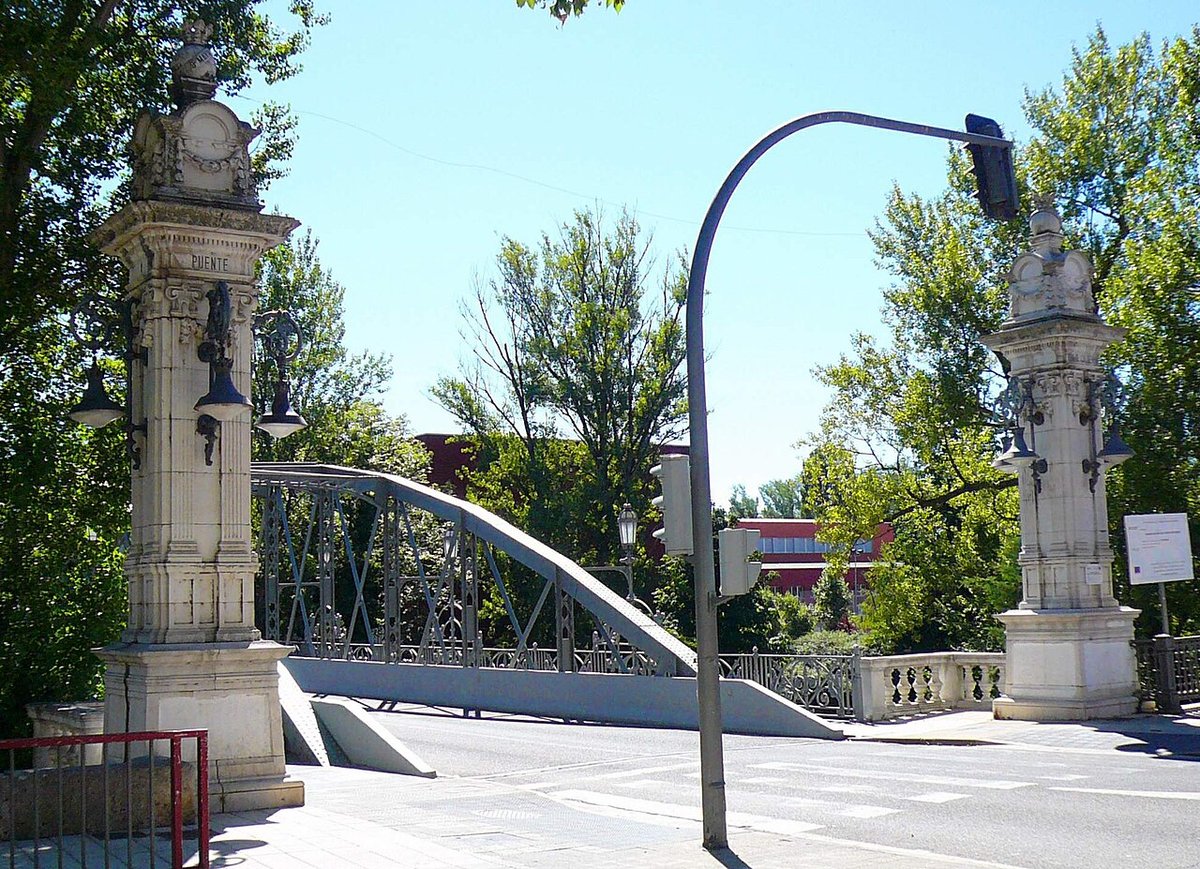
Capital of the Lecrín Valley, known as the Pearl of the Valley; famous for its iron bridge and riverside trails.
Hide article Read full article
A morning that sets the tone
At nine in the morning, the sun has not quite reached the valley floor. Oranges hang heavy on the branches, still bright with dew. An older man crosses the Plaza de España in his dressing gown, a loaf of bread tucked under his arm. He pauses by the iron grate protecting an old well uncovered during building works years ago, looks at it as if it were a family photograph, then carries on.
In Dúrcal, scenes like this say more than any signboard. Daily life moves at its own pace, without much fuss, and that rhythm shapes the experience of the place.
A valley scented with orange blossom
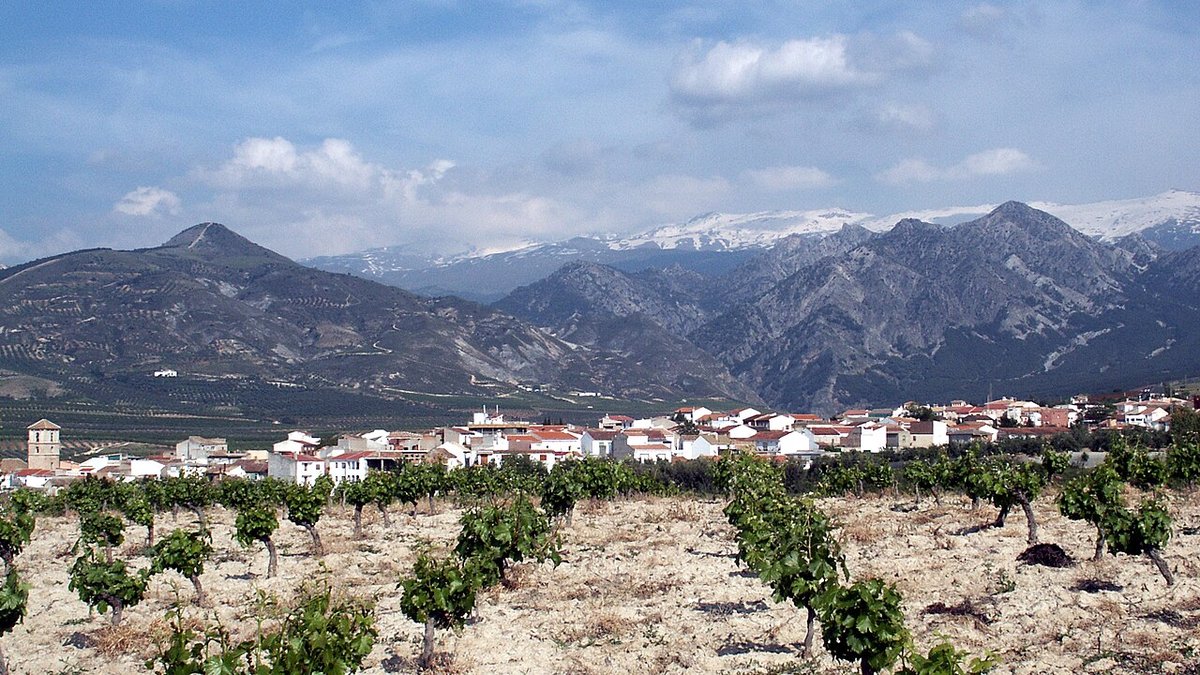
The village wakes slowly. Sitting at just over 700 metres above sea level, the air feels different from Granada, which is a little over half an hour away by car. Drier, clearer on some mornings. Whitewashed houses spread across the hillside, angled to catch the light, and from many side streets the outline of Sierra Nevada appears in the distance, sometimes still snow-capped well into spring.
The Dúrcal river runs with force for most of the year. This is no thin trickle. Its sound carries along nearby paths, especially after rain. Not far from the town centre there are several waterfalls and pools where locals have always gone to swim when the heat arrives. The water tends to stay cold, even in August, though that matters little on summer afternoons.
In the Valle de Lecrín, where April fills the air with the scent of orange blossom, water shapes everything. It defines the landscape as much as the orchards themselves.
Following the mills
The so-called route of the mills begins where the tarmac ends and the track turns to earth. Along the river, the remains of several old flour mills still stand. Some are little more than fragments of wall. Others keep traces of channels or rusted metal parts. Walking among them follows the imprint of work that supported many families in the valley for centuries.
The path is straightforward and mostly flat. It stretches over a few kilometres and invites a slower pace, partly because of the surroundings. Water slips through reeds, fox tracks appear along the banks, and birds of prey can sometimes be heard circling above the Peñón de los Moros.
Higher up, remains of an old fortification of Andalusi origin still hold their position. The climb is more demanding than the riverside walk, yet the view from the top opens across the entire Valle de Lecrín. Fields spread out in a green mosaic that shifts in colour with the seasons.
The iron bridge over the river
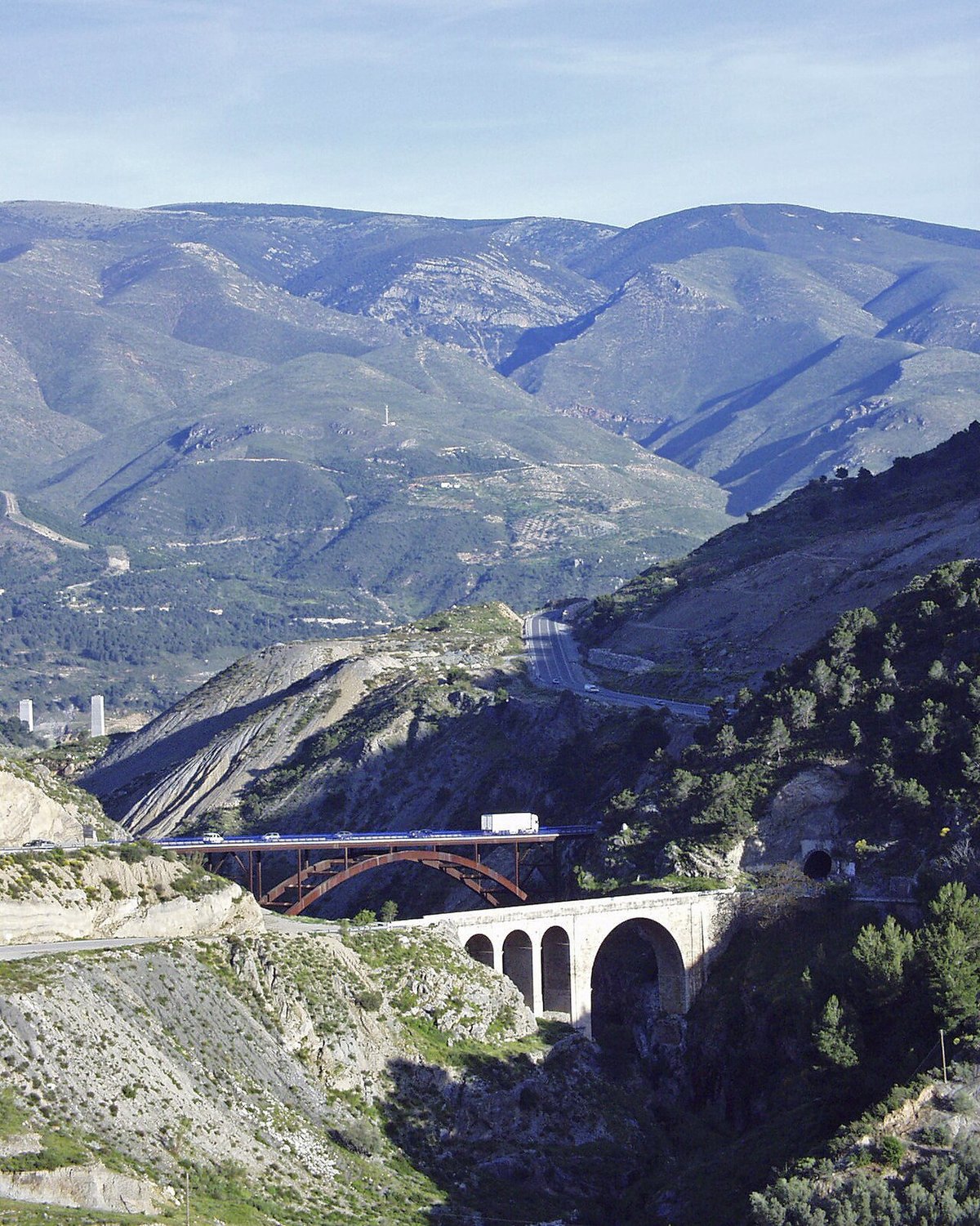
The Puente de Lata crosses the river at one of the points where the valley narrows. Despite its name, it is made of iron, though the popular name has endured. The structure is light and raised above the riverbed, and even now it can feel slightly daunting to cross on foot, with the sound of water moving below.
It was built in the early twentieth century and for years served as an important link between the valley’s paths. From the centre of the bridge, one of the river’s waterfalls comes clearly into view. A side path leads down to a deep pool where the water takes on a greenish tone when the sun falls directly onto it.
In summer, groups arrive from Granada carrying cool boxes and towels, especially on Sundays. Local residents tend to choose quieter spots further upstream or downstream, where the noise fades into the background.
The square where everything meets
Plaza de España forms an irregular rectangle. One side has arcades, while another is taken up by the parish church, whose construction began in the sixteenth century. At the centre sits the old well, protected by a metal grate. When it was uncovered during works, objects were found at the bottom, and for a time it became a talking point throughout the village.
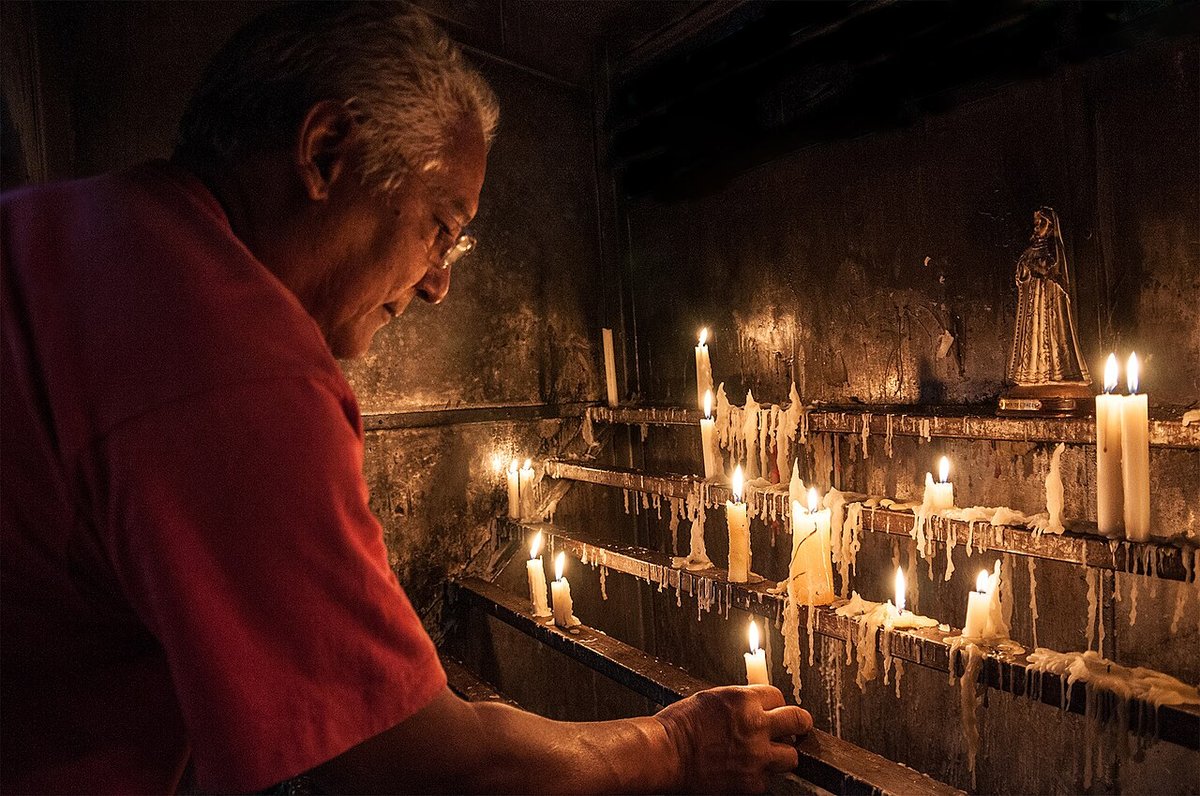
The church of the Inmaculada has a fairly austere square tower. Inside, the air smells of wax and cool stone, even in summer. There are older religious images and altarpieces that have been restored over time, though the most striking detail often comes late in the day. At around six in the evening, a beam of sunlight enters through a side door, crossing the nave and settling on the dark wood of one of the figures.
It is a quiet moment. Hardly any sound carries inside, apart from the occasional car passing along the street behind.
When to go, and what to bear in mind
February usually brings the fiestas of San Blas. In many homes, migas, a traditional dish made with breadcrumbs, and other hearty foods are prepared. The smell of wood fires and cooking fat drifts through the streets.
Spring transforms the area when orange and lemon trees blossom across the valley. Walks along agricultural paths feel different then, with the air turning noticeably sweet. It becomes clear why this area was known for its orchards for centuries.
August is the time of the feria, with long nights spent outdoors. For a quieter visit, weekdays or months such as March, April or late autumn tend to feel calmer.
One practical note. The road connecting Dúrcal with Granada can become quite busy early in the morning and again in mid-afternoon, when many people are travelling in and out for work.