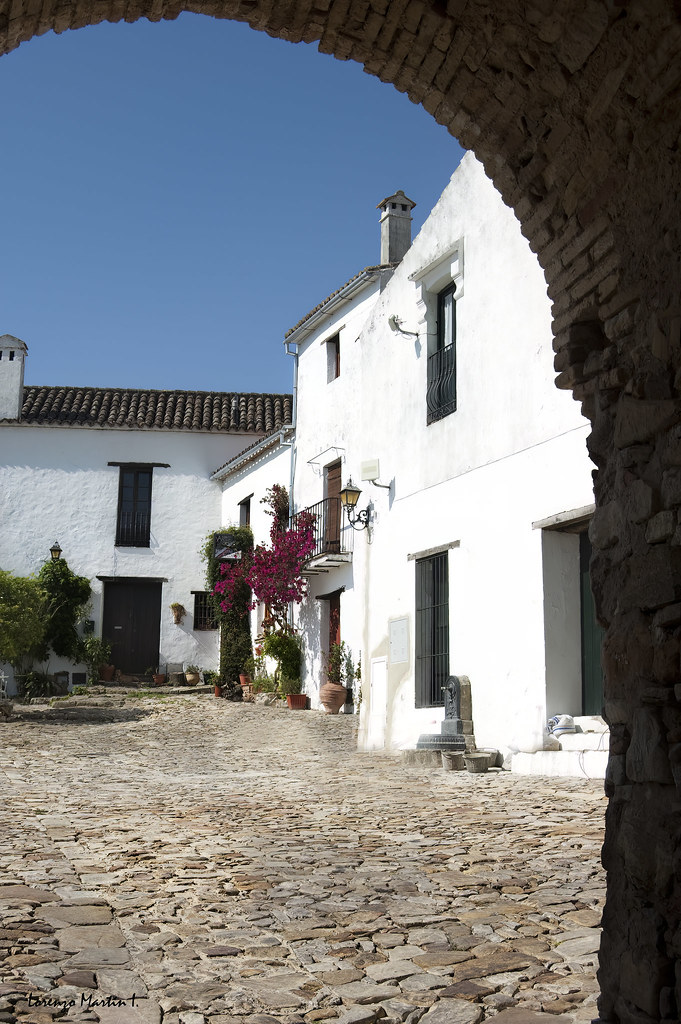
Puntairescastellarvalles.jpg
No machine-readable author provided. Estevet assumed (based on copyright claims). · Public domain
Andalucía · Passion & Soul

Castellar

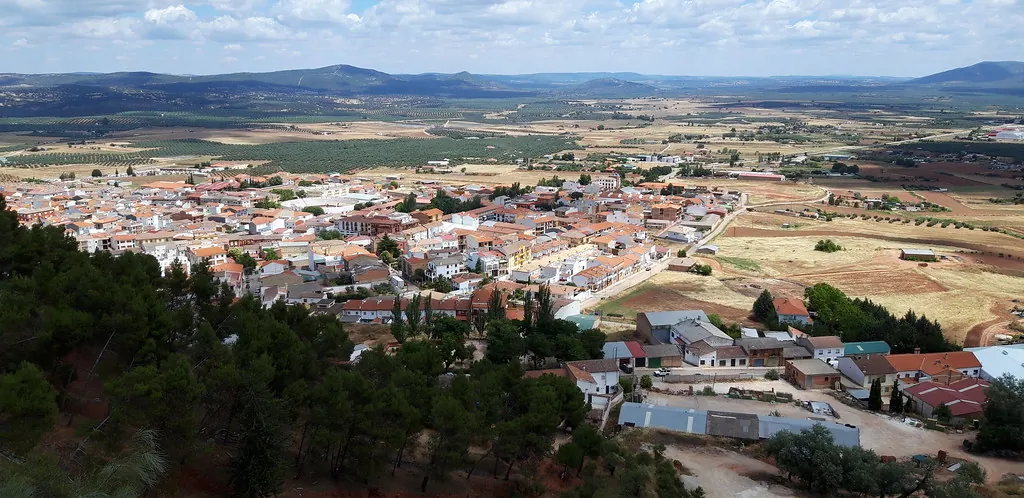
The morning bus from Jaén drops you beside a petrol station that doubles as the new town’s social hub. Ten kilometres uphill, Castellar viejo waits...

3,147 inhabitants · INE 2025
758m Altitude

Why Visit

Iberian Sanctuary of the Cave of la Lobera Visit the Iberian Sanctuary Museum

Best Time to Visit

spring

Virgen de Consolación festival (September) septiembre

Things to See & Do
in Castellar

Heritage

  • Iberian Sanctuary of the Cave of la Lobera
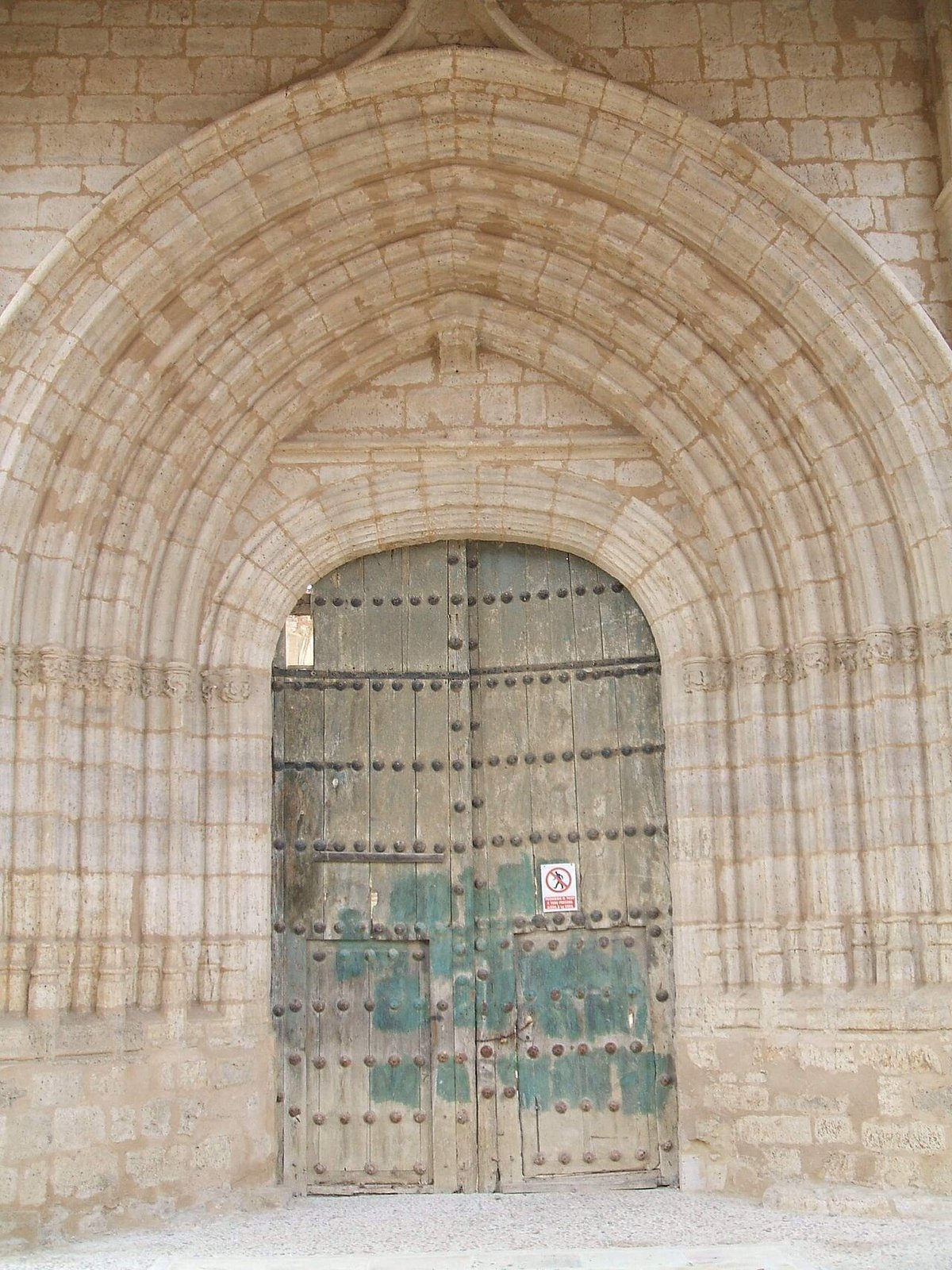
  • Santiago Collegiate Church
  • Consolación Castle

Activities

  • Visit the Iberian Sanctuary Museum
  • Archaeological trail
  • Hiking

Festivals
& & Traditions

Fecha septiembre

Fiestas de la Virgen de Consolación (septiembre), San Marcos (abril)

Las fiestas locales son el momento perfecto para vivir la autenticidad de Castellar.

Full Article
about Castellar

Town with a significant Iberian legacy in El Condado, noted for its rock-cut sanctuary.

Ocultar artículo Leer artículo completo

The morning bus from Jaén drops you beside a petrol station that doubles as the new town’s social hub. Ten kilometres uphill, Castellar viejo waits at 758 metres, its white walls already glowing while the valley below stays wrapped in mist. This is olive country: 3,209 villagers versus roughly a million trees, each one older than most European cities. The maths feels right the moment you arrive—quiet streets, slower heart rate, the smell of wood smoke and crushed olives where London would normally serve diesel.

The Climb and the Pay-Off

The road from new Castellar to the old village is single-track for stretches, cork-oak forest pressing in on both sides. Local etiquette: flash headlights at the tight bends; whoever’s closer to a pull-in reverses. Hire cars return with wing-mirror scratches like passport stamps. At the summit you leave the car outside the castle gate—no vehicles inside the walls, not even the mayor’s—walk under the 13th-century arch, and the temperature drops three degrees. Summer afternoons still hit 38 °C, but the stone corridors funnel a breeze that smells of wild thyme and hot dust.

Inside, the grid is medieval: lanes barely two metres wide, staircases that turn into tunnels, front doors painted ox-blood or indigo to show family allegiance. Signposts are ceramic tiles nailed at random angles; trust them and you’ll still get lost. The reward is suddenly spilling onto the Plaza de la Constitución where elderly men in flat caps play dominoes under orange trees and the church bell strikes the hour five minutes late—always.

Oil, Game and Things That Won’t Get You Drunk Before Lunch

Castellar’s economy runs on liquid gold. Between October and January the cooperative presses 900,000 kg of olives a night; visitors can turn up at 08:00, borrow a hi-vis waistcoat and watch the paste spiral out at 27 °C. A 500 ml bottle of the first-day oil sells for €7 from a side door that looks locked—knock twice. British tasters usually mutter “grassy” and “peppery”; locals just dunk stale bread and nod approval.

Food here is built for field workers. Breakfast means churros from the weekend van on Plaza de Armas—€1.20 for six, paper bag translucent with grease. Skip the hotel buffet; it’s powdered eggs and UHT milk shipped in from Jaén. Lunch might be gazpacho served in a pint glass, followed by ciervo stew that tastes like venison casserole with added paprika. Vegetarians get an orange-and-avocado salad that works because the fruit was on the tree yesterday. Pudding is usually skipped in favour of a siesta.

Walking Among the Olives

The Sendero del Olivar starts 200 metres beyond the castle gate, drops past abandoned stone terraces, then levels out into a sea of silver-green. Each tree is pollarded like a squat lollipop; many were planted when Nelson was still learning to sail. Way-marking is sporadic—cairns of pale rock, the occasional daub of yellow paint—so download the GPX before you leave the UK. The full circuit is 12 km, flat enough for walking shoes rather than boots, though after rain the clay sticks like treacle and you’ll carry an extra kilo on each sole. Spring brings rockrose and dwarf iris; autumn smells of wet earth and drifting barbecue smoke from distant cortijos. Wild boar watch from the undergrowth, more curious than dangerous.

If that sounds too gentle, the Sierra de la Pandera begins 8 km north-east. Its summit tops 1,800 metres and holds snow long enough for the occasional February sledging photo shared incredulously on Facebook. The climb is 700 metres of gain, no shade, no water, and the path turns to scree for the last 200 metres—proper shoes essential, not the espadrilles sold in the craft shop.

When the Village Lets Its Hair Down

August’s Feria turns the castle into an open-air nightclub. Fairground rides squeeze onto the upper terrace, generators humming until 05:00; emigrants fly back from Manchester and Düsseldorf, greet each other with “¿Qué tal, vecino?” and compare pensions. Flamenco competitions start sensible, end operatic; someone’s uncle always brings a plastic bag of grilled sardines and a bottle of anís that tastes like liquorice fire. Accommodation inside the walls books out nine months ahead; light sleepers should stay in the new town and accept the 20-minute uphill walk home.

May’s Cruces de Mayo is more photogenic. Neighbourhoods build ten-foot floral crosses judged on symmetry and scent; the winning street gets its water bill paid for a year. British visitors wander at 22:00 when the heat’s finally bearable, drink rebujito (fino sherry, 7-Up, lots of ice) and wonder why their own village fêtes stop at coconut shies.

The Bits the Brochures Miss

There is no cash machine inside the old village and cards are treated with suspicion—bring euros. Mobile signal vanishes in the vaulted lanes; WhatsApp messages download suddenly when you step into the plaza. One village shop sells tinned tuna, UHT milk and locally made soap that smells of rosemary; open 09:00-13:00, 17:00-20:00, closed Tuesday afternoons for no announced reason. Mid-summer shutters close between 14:00 and 17:00; attempt sightseeing at 15:00 and you’ll meet only cats and reflected heat. Winter can be sharp—frost on the windscreen, wood smoke thick enough to sting eyes—yet the castle walls keep out the worst wind and daytime temperatures often reach 15 °C, ideal for hiking if you pack layers.

Drive away at dusk and the rear-view mirror shows the village floating above a tide of olive trees, lights twinkling like a low constellation. Below, the new town’s petrol station stays open late, selling cold Estrella and jamón bocadillos to lorry drivers who barely glance uphill. Most visitors join them, heading south to the coast. The smarter ones turn the car around, check in for another night, and let the sierra finish what it started—slowing the pulse to olive time.

Key Facts

Region
Andalucía
District
El Condado
INE Code
23025
Coast
No
Mountain
No
Season
spring

Livability & Services

Key data for living or remote work

2024
ConnectivityFiber + 5G
HealthcareHospital 15 km away
EducationHigh school & elementary
Housing~5€/m² rent · Affordable
Sources: INE, CNMC, Ministry of Health, AEMET

Planning Your Visit?

Discover more villages in the El Condado.

View full region →

More villages in El Condado

Traveler Reviews