Full Article
about Chiclana de Segura
Town perched on a rock with spectacular views; known for its cave houses and medieval layout
Hide article Read full article
A Hilltop Morning in El Condado
Early in the day, before the sun clears the low hills, the streets of Chiclana de Segura carry the scent of damp earth and old firewood. The quiet does not last long. A door opens somewhere, a car rolls downhill, and from the surrounding olive groves comes the low, steady hum of tractors starting work.
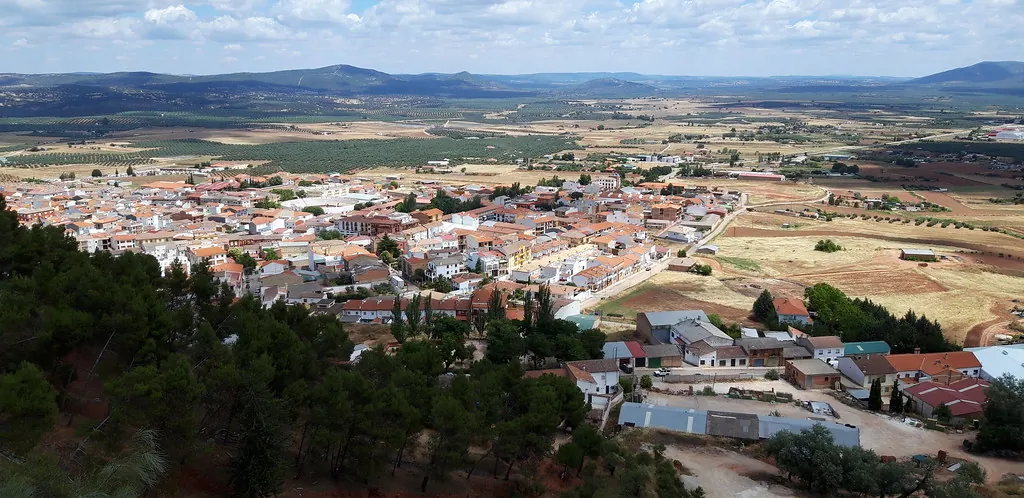
This small village sits high on a steep rise in the comarca of El Condado, in the province of Jaén. Around 850 people live here, and the cluster of houses seems to adapt to the rock rather than dominate it. Buildings press closely together along short slopes and narrow streets that slow your pace. From many corners the view suddenly opens out: an expanse of olive trees stretching southwards, with higher sierras in the distance, often softened by a light winter haze.
The Castle Edge
On the outskirts lie the remains of a castle, set on a promontory that overlooks much of the valley. It is not a restored fortress or a grand monument. What remains are low stretches of wall, a few recognisable shapes among the stones, and a natural platform that works as a viewpoint.
When the wind picks up, it threads through gaps in the rock, creating a constant, hollow sound. The place must have held strategic value for centuries, yet today it feels more like a quiet boundary between village and countryside.
The approach requires a bit of care. The ground is uneven, and after rain some sections can be slippery, so it makes sense to take your time and wear suitable footwear.
Streets That Follow the Slope
The layout of the old town is straightforward: streets either climb or descend, with little compromise. Some are so narrow that two cars can barely pass. In between houses, small openings appear that act as improvised viewpoints over the surrounding landscape.
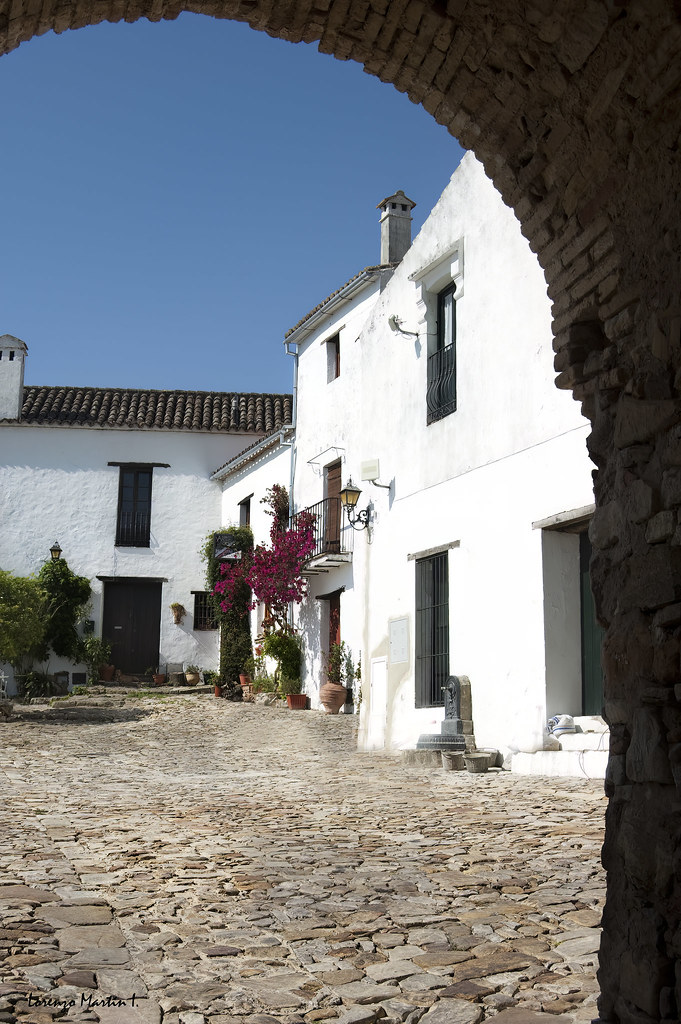
Daily life tends to gather around the square where the parish church stands. Its brick bell tower is visible from several points in the village. Around it remain older façades with wrought-iron balconies and thick walls designed to keep interiors cool during the summer months.
By mid-afternoon, as the sun begins to drop, light reflects off pale walls and shadows stretch along the slopes. It is one of the most pleasant times to walk through the historic centre, when the pace of the village seems to settle into something unhurried.
Paths Through Olive Groves
Beyond the village, the landscape changes very little for kilometres. Rows of olive trees follow the curves of the land, interspersed with old terraces and agricultural tracks linking farms and scattered cortijos, traditional rural buildings typical of southern Spain.
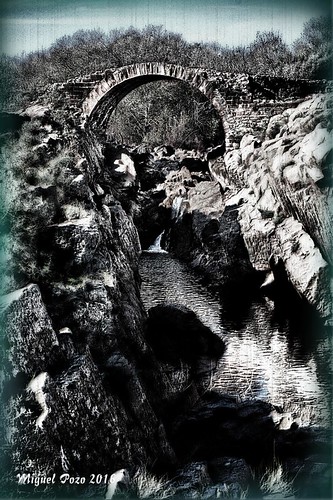
Among these routes, sections of old mule tracks still survive. Some run along small limestone ravines, others cross areas where holm oaks and Mediterranean scrub break up the pattern of olive groves. Not all of these paths are signposted, and their condition depends largely on who uses them, so it is wise to have a clear route in mind before setting out.
Air currents rising from the rocky edges often carry birds of prey, which can be seen gliding for long stretches without moving their wings.
In summer, timing matters. The sun becomes intense from midday onwards, and there are few shaded stretches along these paths, so earlier starts are more comfortable.
Traces of Agricultural Life
Scattered across the municipal area are rural structures that give a clear sense of how life here was organised in past decades. Circular threshing floors, where grain was once processed, still appear in open areas. There are also dry-stone enclosures, partially collapsed farm buildings, and the remains of old olive oil mills.
Many of these features are now integrated into working farms or sit quietly beside lesser-used tracks. They are not always accessible, but when you come across them they reveal that this landscape is not purely natural. It has been shaped over generations through agricultural work.
The Rhythm of the Year
The village calendar brings noticeable changes. In August, the patron saint festivities draw people back to Chiclana de Segura for a few days. Streets become busier than usual, and activity centres around the square and evening celebrations known locally as verbenas, informal outdoor gatherings with music and dancing.
During Semana Santa, or Holy Week, the atmosphere shifts. Simple processions move slowly through the cobbled streets of the old town, in keeping with the scale of the village and its quieter rhythm.
As autumn turns into early winter, conversation inevitably circles back to the olive harvest. This is when the landscape fills with movement again, and agricultural tracks see constant traffic as the work intensifies.
Getting There and Moving Around
Access to Chiclana de Segura is via regional roads that cross wide stretches of olive groves. The final kilometres involve bends and changes in gradient, so driving at an unhurried pace is advisable.
Within the village itself, many streets are quite narrow. If arriving by car, it is often easier to leave it in the lower part of the village and continue on foot. In a place like this, walking uphill is simply part of the experience.