Full Article
about Montizón
Municipality made up of several villages; birthplace of the poet Jorge Manrique according to some sources.
Ocultar artículo Leer artículo completo
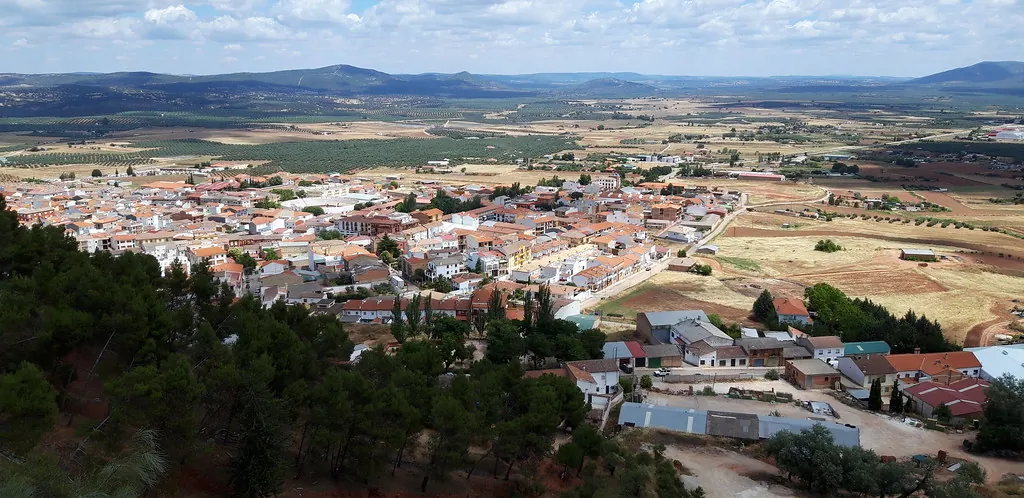
The tractor always has right of way in Montizón. Not because of traffic laws, but because nothing interrupts the rhythm of olive harvesting—not tourists clutching cameras, not hire cars navigating the narrow streets, not even the village's 1,600 residents when they're late for lunch. At 643 metres above sea level in Jaén's El Condado region, this is a place where agricultural timekeeping trumps everything else, and where the surrounding sea of olive trees stretches so far that locals joke about needing maritime charts.
The Arithmetic of Olive Oil
Understanding Montizón requires grasping some basic numbers. Each resident accounts for roughly 2,000 olive trees. The mathematics explains everything: why the village smells of crushed olives every November, why every conversation eventually returns to rainfall measurements, why the local bar serves olive oil in glasses rather than dribbles it from bottles. The trees aren't scenery—they're colleagues, relatives, the reason this particular patch of Andalusia exists at all.
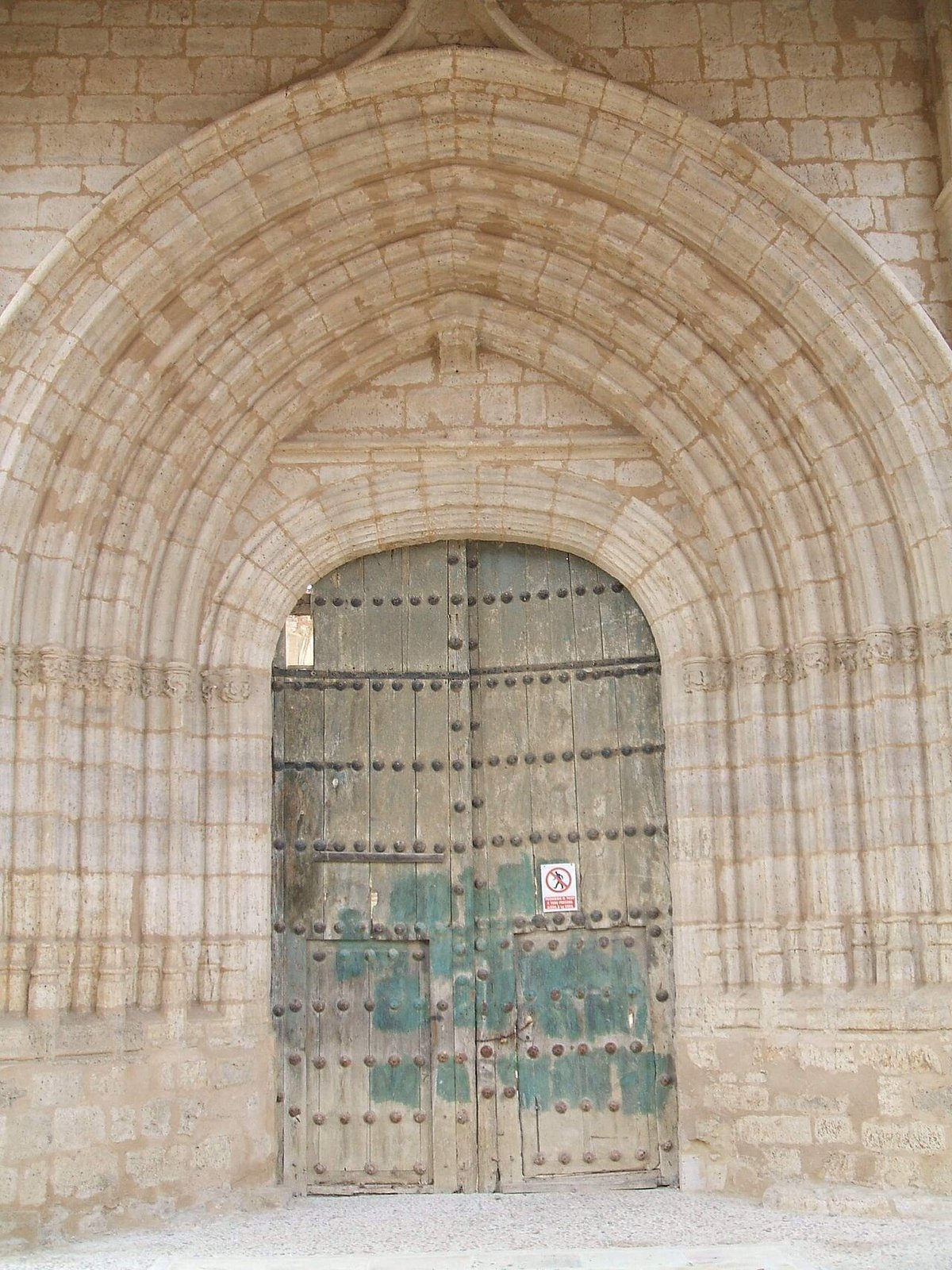
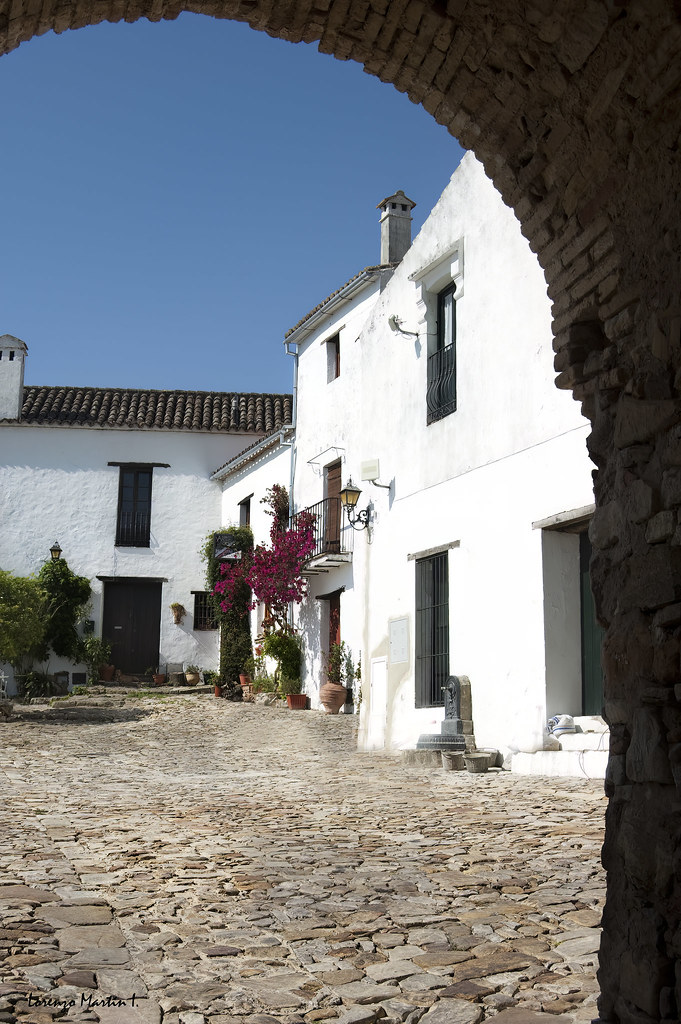
The village itself occupies barely two square kilometres of those hills, a compact grid of whitewashed houses where washing flaps between buildings and grandparents monitor street life from plastic chairs outside their front doors. At its heart sits the Church of Nuestra Señora de la Asunción, a building that reveals its history in architectural layers: Gothic foundations, Renaissance additions, Baroque flourishes added when someone had extra money and contemporary roofing tiles that speak of recent storms. Inside, the retablos display the same patience as the olive farmers outside—centuries of gradual development, no sudden movements.
Walking the historic centre takes precisely thirty-seven minutes if you're British and pause to read every information plaque. Less if Spanish, more if German. The cobbled lanes rise and fall according to medieval planning rather than municipal engineering, creating natural viewing platforms where the olive groves roll away in silver-green waves. These aren't the manicured terraces of Tuscany. Jaén's olives grow wilder, closer together, their trunks twisted into shapes that would give a tree surgeon nightmares.
When the Land Dictates Dinner
Montizón's restaurants—there are three, plus two bars serving food—don't offer fusion cuisine or tasting menus. They serve what the land produced that week. Autumn means game stews thick enough to stand a spoon in, the meat sourced from hunters who appear at kitchen doors with fresh quarry. Winter brings migas, breadcrumbs fried in local oil with whatever vegetables survived the first frosts. Summer offers gazpacho so cold it hurts, made with tomatoes that were still growing at dawn.
The oil itself arrives at tables with the reverence usually reserved for fine wine. Waiters explain its acidity levels, its harvest date, which particular slope of trees produced it. They've been doing this since primary school—every local child learns to taste oil before they can read, identifying quality through methods that seem like magic to visitors. A drop on bread, a sip from a glass, a nod of approval or slight shake of head that determines whether that particular harvest was worth the months of labour.
Prices reflect the agricultural economy rather than tourist expectations. A three-course lunch menu costs €12 including wine, though the wine might arrive in a unlabelled bottle that the owner's cousin produced. Dinner runs slightly higher, but nobody charges for the views or the education in olive oil appreciation that comes free with every meal.
Walking Through Someone's Workplace
The hiking trails around Montizón aren't recreational routes—they're working paths between groves, created for agricultural access rather than visitor enjoyment. This distinction matters. Following these tracks means sharing space with farmers on quad bikes, dogs that guard rather than accompany, the occasional tractor loaded with harvesting equipment. The landscape changes dramatically with altitude: climb 200 metres and temperatures drop noticeably, the harsh summer heat softening into something manageable, winter frosts becoming serious propositions.
Spring brings wildflowers between the trees, purple and yellow explosions that last precisely three weeks before the heat arrives. Autumn offers harvest activity, the air thick with the smell of crushed olives and the sound of mechanical harvesters. Summer demands early starts—by 11am the heat makes walking unpleasant, though evenings stretch long and golden. Winter can be surprisingly harsh; this isn't coastal Andalusia, and snow isn't unknown at this altitude.
The ermita outside town provides the best vantage point, particularly at sunset when the dying light turns the olive leaves metallic. It's a simple building, locked except for festivals, but the stone benches outside invite contemplation. From here the village appears as a white interruption in the green, small enough to comprehend entirely, surrounded by its reason for existing.
The Calendar That Counts
Montizón's festival calendar revolves around agricultural necessity rather than tourist convenience. The August fiestas honour the Virgin of the Assumption, but they also mark the psychological end of summer before harvest preparations begin. Streets fill with temporary bars, neighbours who've emigrated return displaying city clothes and accents, the village population doubles for precisely four days before shrinking back to normal.
Semana Santa processions wind through streets barely three metres wide, the pasos brushing building walls, participants' faces illuminated by candlelight reflecting off whitewash. These aren't performances for visitors—they're family obligations stretching back generations, with every participant related to someone watching from balconies above.
The olive oil festivals of autumn happen when they happen, depending on harvest timing. There's no fixed date, no website announcing schedules. They occur when the first pressing produces particularly good oil, when farmers have time to celebrate, when the agricultural calendar permits celebration. Visitors fortunate enough to stumble upon them find themselves tasting oil fresh from the press, cloudy and peppery, while farmers discuss politics and rainfall patterns with equal passion.
Practicalities for the Unconnected
Reaching Montizón requires accepting that Google Maps occasionally lies. The village sits 50 kilometres from Jaén city, accessible via the A-32 towards Linares followed by local roads that narrow progressively until meeting the single access road. The final approach involves curves sharp enough to make British country lanes feel generous, but the views compensate for white-knuckle driving. Public transport exists in theory—a morning bus from Jaén, an afternoon return—but agricultural schedules mean departure times change with the seasons.
Accommodation options remain limited. There's one hotel, family-run and booked solid during harvest season by agricultural contractors. Several houses offer rooms to let, found through the village bar rather than booking platforms. Prices hover around €40 nightly including breakfast, though breakfast might involve watching the owner's television while they discuss yesterday's olive prices.
The village functions on siesta time, but agricultural siesta rather than tourist convenience. Shops close 2pm-5pm because that's when fieldwork becomes impossible in summer heat, not to accommodate sightseeing schedules. Bars stay open—farmers need coffee—but expecting lunch at 3pm marks you immediately as foreign. The British habit of early dinner causes particular confusion; requesting food at 6pm results in directions to the bakery for bread and cheese.
Montizón won't change your life. It offers no epiphanies, no Instagram moments, no stories that impress at dinner parties back home. It provides something simpler: the realisation that places exist where food still comes from surrounding land, where community means something beyond Facebook groups, where tractors have right of way because without them nothing else functions. The olive trees will outlast every visitor, every resident, every building. They always have.