Full Article
about Navas de San Juan
A town rooted in olive-growing and bullfighting traditions, known for its pilgrimages.
Hide article Read full article
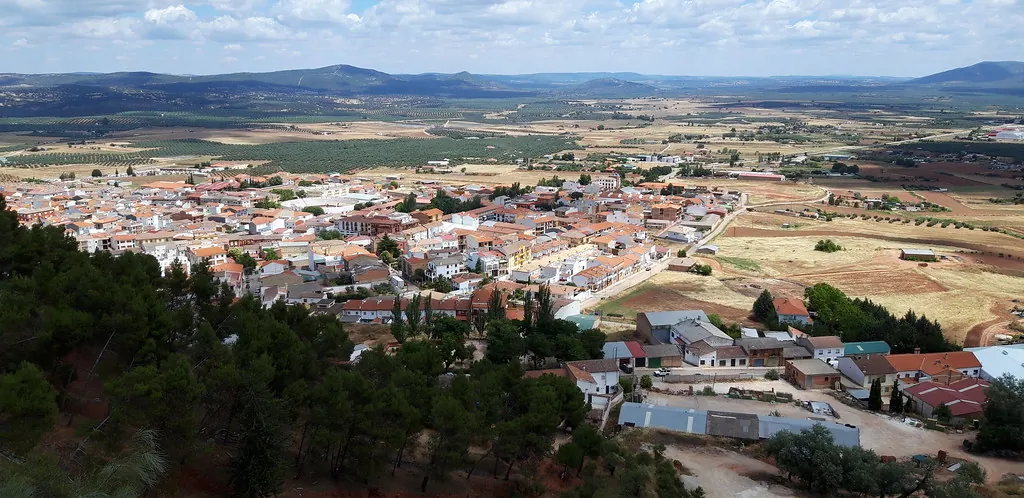
Navas de San Juan is like that relative who only turns up on big occasions: easy to overlook until you realise they’ve got more stories than you thought. It’s not a big place, just over four thousand people, but there are details here the locals are quietly proud of. Like the old public washhouse, Las Pilas, which still stands and gets mentioned with a certain fondness.
This isn’t a town where you trip over a monument every five steps. Life moves slower. The squares are places where people nod in recognition, and the view in every direction is pretty much the same: olive groves that stretch across the entire municipality.
How the town got its name
One story everyone tells you here is about the name. Back at the start of the 19th century, the place bought the title of “villa” from the Crown—a common enough transaction for the time. That’s when ‘San Juan’ got tacked on for good, nodding to the local saint.
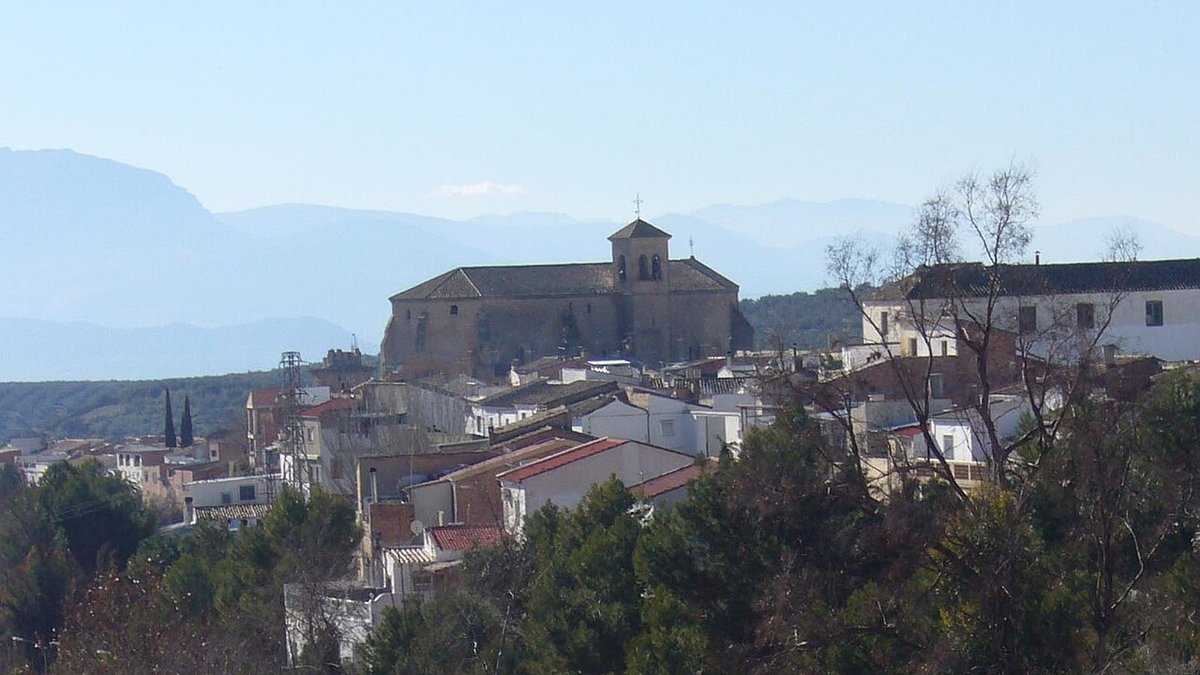
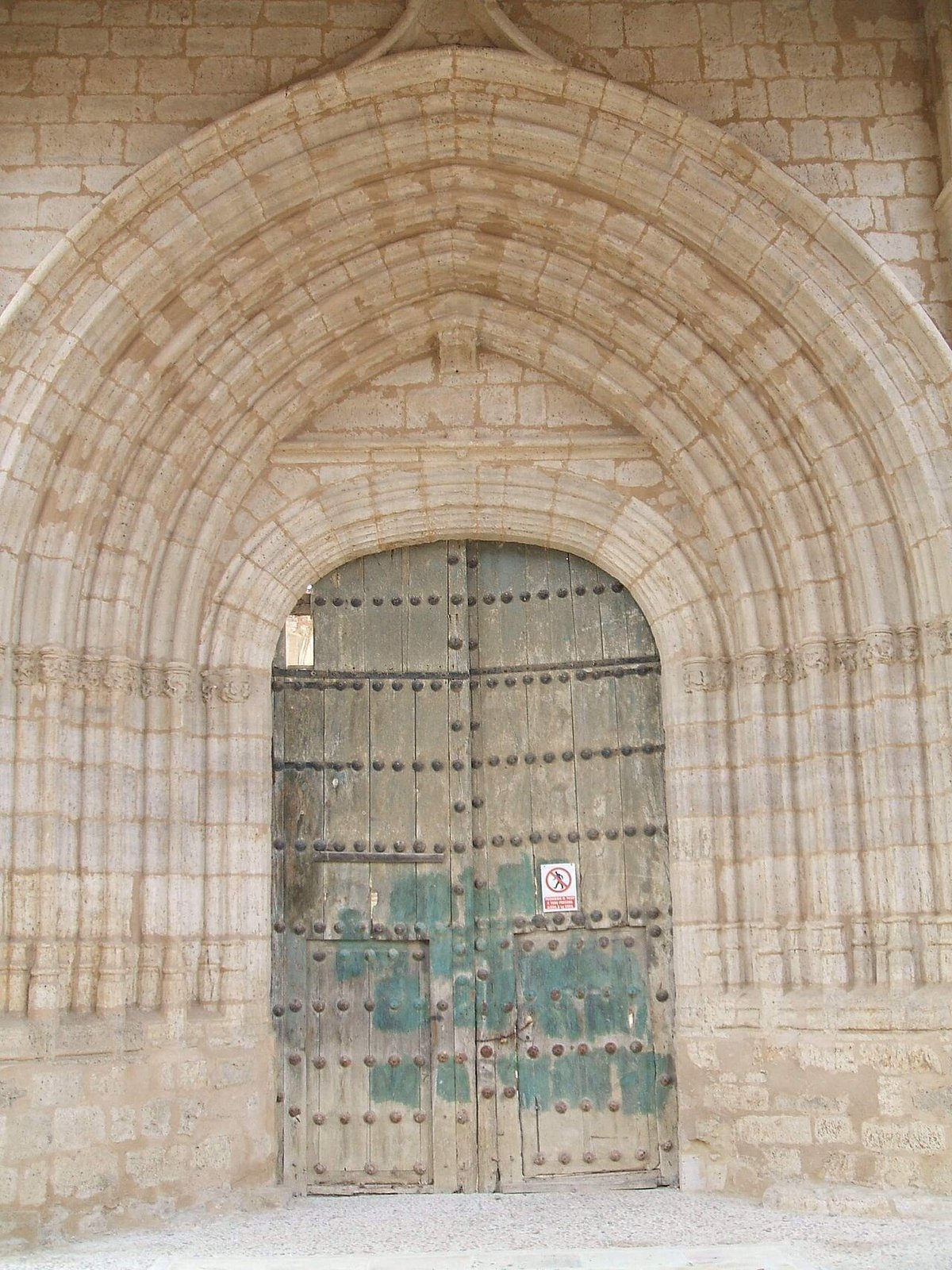
The Iglesia de San Juan is the main building in the centre. It’s no cathedral and doesn’t pretend to be, but stepping inside gives you that familiar smell of wax and old wood you get in small-town churches. Look up at the exposed wooden ceiling; it’s what most people remember.
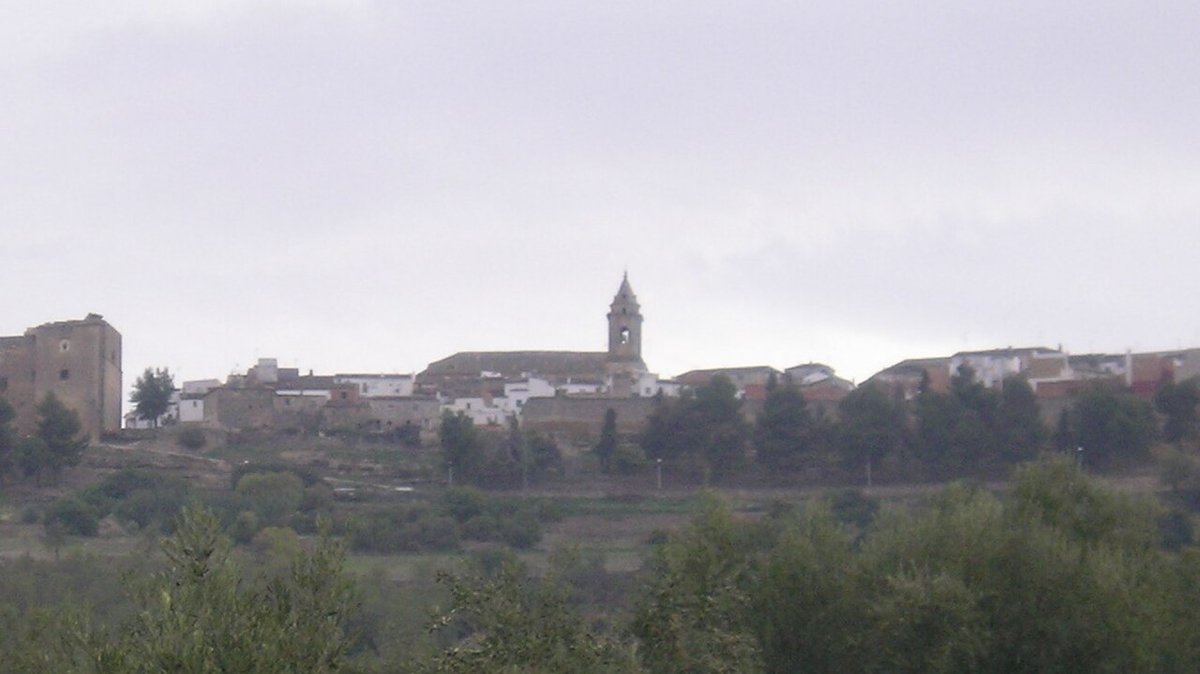
The bell tower is attached to an older structure that was once part of the town's defences. Climbing up sorts out the geography in your head. To the north, the hills of Sierra Morena start to rise. To the south, it’s just olives, all the way to where the sky starts.
Oil, mountain food and no-nonsense cooking
Olive oil here isn't treated like something special. It just is. Your breakfast toast arrives swimming in it, and nobody bats an eye.
The cooking sticks close to what comes from the nearby sierra. When it gets cold, meals are hearty. In summer, it shifts to gazpachos and salmorejos for relief from the heat. In season, you might find game stews on a menu, alongside a lot of dishes built on garlic, thyme and that local oil.
They also have a thing about their homemade flan in some houses and bars. It's the firm kind, rich with egg—the sort that looks simple until you try to make it yourself somewhere else.
If you want the full picture on oil, there's a small museum dedicated to it in a repurposed building. It walks you through how an almazara works and how farming has changed. For families with kids, it's an easy stop; you don't need a degree in agronomy to get it.
The days when everyone shows up
If there's one time Navas de San Juan feels completely different, it's during the romería of the Virgen de la Estrella in spring. The pilgrimage pulls in crowds from all over El Condado. The walk to the hermitage covers a few kilometres on foot, with carts, music and families treating it like a massive outdoor gathering.
Come June, the San Juan fiestas kick off and everything amps up. A lot of people who've moved away come back for this, so the streets fill with reunions that pick up right where they left off. There are encierros, fair stalls set up for the week, and noise that goes well into early morning.
By August, they do another fair for anyone who missed June—a common pattern in towns where half of everyone works elsewhere most of year.
Winter brings carnival season instead. Here it's all enthusiasm: comparsas, costumes and jokes aimed squarely at local events from past year—the kind outsiders might smile at without really getting why everyone else is laughing so hard.
Walks that don't need a map
The good thing about Navas is how little planning you need. You park near centre (which isn't hard) and within minutes you're walking through main square into rhythm of town itself.
From there couple obvious routes start:
- A short stroll takes you out to Las Pilas, old washhouse just outside town proper.
- Another path heads towards hermitage of Virgen de la Estrella, following part same track used during romería—longer but manageable walk through fields groves alike.
If feel like going further still area has traces older paths few small hills worth climbing From higher points Guadalquivir valley opens up below covered almost entirely olives On clear day effect can be hypnotic: rows trees stretching until everything blurs together
A place comfortable its own skin
Navas de San Juan doesn't try sell itself as something else No big hotels or streets designed quick tourism Usual plan simpler: stay rural house have breakfast toast dripping oil walk around stop talk square bit
It's kind place where coming back year later means recognising faces even if names escape Pace stays same setting doesn't change much either And maybe that's point