Full Article
about Santisteban del Puerto
Town with dinosaur footprints and a notable feudal past
Ocultar artículo Leer artículo completo
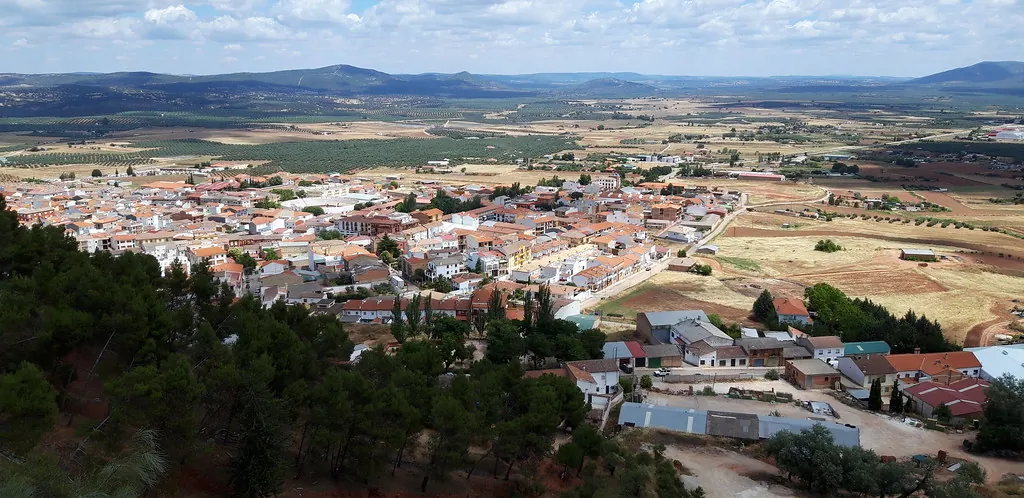
The 08:15 coach from Jaén drops exactly two passengers beside the stone fountain in Plaza de la Constitución. Both are greeted by name—one is the baker’s niece home from university, the other a British bird-watcher who has read that the town’s ruined castle keeps a colony of lesser kestrels. No tour desk, no multilingual signage, just the smell of toasting bread drifting from a bar that opened at dawn for field workers. This is Santisteban del Puerto: 4,442 souls, 40,000 hectares of olive groves and a Monday-morning quiet that feels almost deliberate.
A Town That Forgot to Modernise (Almost)
Santisteban sits 675 m above sea level on the last ripple of the Subbética range before the land flattens into La Mancha. The altitude knocks the edge off Andalucía’s summer furnace—nights drop to 18 °C even in July—yet winter can bring a proper frost, ideal for the Picual olives that dominate the surrounding hills. Drive in on the A-6177 and the modern world peels away: first the service stations outside Bailén, then the roadside poly-tunnels, until nothing remains but silver-green rows and the occasional 16th-century cortijo turned into a weekend retreat for Sevilla families.
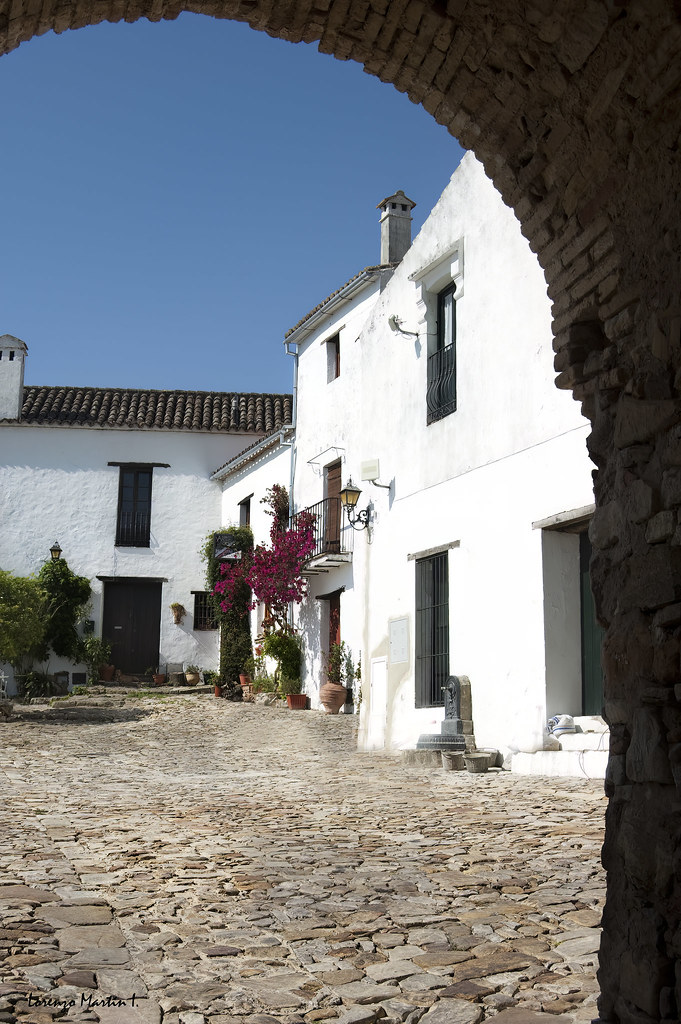
Inside the walls (the Arabs left a footprint; the Christians reinforced it) the grid is medieval, steep and cobbled. Calle Ancha, barely three metres wide, still funnels traffic because nobody ever built a bypass. House numbers jump from 27 to 31—four doorways vanished when the north side of the street collapsed in the 1883 earthquake and no one bothered to rebuild. That half-ruined aesthetic is part of the appeal: coats of arms erode above bricked-up balconies, and a 17th-century granary serves as someone’s lock-up garage. Restoration grants arrive in dribs and drabs; the town hall spends them on repointing rather than prettifying, which keeps the place looking lived-in rather than gift-wrapped.
Stones, Soup and the Smell of Wood Smoke
The castle—really a fortified tower with a curtain wall—opens only when Paco, the caretaker, feels like it (usually 11:00-13:00, except Mondays and whenever his granddaughter has a football match). Climb the spiral for a 360-degree view: olives to the horizon in every direction, the Guadalimar River a thin brown ribbon, and on a clear day the Sierra Morena hazy on the northern horizon. Interpretation boards are in Spanish only, but the graffiti carved by French prisoners during the Napoleonic occupation needs no translation.
Back in the lanes, the Iglesia de San Esteban squats at the highest point, enlarged every century until it achieved its current confused Gothic-Baroque-Rococo silhouette. Step inside to escape the glare and you’ll find a 14th-century font where, legend claims, the baptism of Moriscos was rushed in batches before the 1609 expulsion edict took effect. The side chapel smells of beeswax and diesel—Father Antonio uses a portable heater after Mass because the town can’t afford to fire up the central boiler.
Food follows the seasons. Visit in November and every bar offers ajo matero, a shepherd’s breakfast of fried bread, egg and chorizo designed for olive-pickers who leave at dawn. By February the menu switches to gachas, a thick paprika-spiced porridge that looks like wallpaper paste but tastes like winter survival. The one dish available year-round is pipirrana, a salad of tomato, pepper and the local extra-virgin so fruity it doubles as dressing. British palates usually play safe with the segureño lamb—slow-grilled over holm-oak at Bar La Barbacana on Calle Nueva. A half-kilo portion serves two, costs €18 and comes with nothing more than a lemon wedge and a pile of salt; order chips and the waiter will shrug as if you’ve asked for ketchup at a steakhouse in Lancashire.
Walking the Groves Without Getting Lost
Three way-marked trails leave from the upper town gate. The shortest, the 5 km Ruta del Olivar Centenario, loops through plantations established under Ferdinand VI and still harvested by hand. Yellow arrows painted on stone posts keep you on track, but mobile reception is patchy—download the GPS file at the town hall first. Take water; there is no café until you circle back. March walkers will see almond blossom among the olives; in May the air is thick with pollen and the smell of wild thyme. The longer Ruta de la Umbría (12 km) descends to the Guadalimar where kingfishers flash between tamarisks; you’ll need trainers, not sandals, after winter rains turn the path to clay.
Summer hiking is best left to masochists. By 10:00 the thermometer nudges 34 °C and shade is theoretical. Instead, rise at six, borrow a bike from Hotel Rey Sancho IV (€15 a day; reserve the night before because they keep only three) and freewheel downhill to the river pools at El Pontón. The water is brown, cold and blissfully empty except for a couple of local lads perfecting bomb-dives from the old railway bridge.
When the Town Lets Its Hair Down
Quiet evaporates during the Fiestas de San Esteban (10-15 August). The population triples as emigrants return from Barcelona and Madrid. Brass bands march at 02:00, teenagers commandeer the castle for all-night botellónes, and the evening corrida uses bulls bred just along the road in Villarrodrigo. Accommodation triples in price; if you want a room, book in June or accept a mattress on a cousin’s floor. Semana Santa is more measured: three brotherhoods, hoods and candles, processions timed so farmers can finish pruning and still make the 19:30 service. Even if you’ve seen Seville’s mega-floats, the sincerity here is disarming—children carry the standard because there aren’t enough adults under pension age.
Getting There, Staying Over, Paying Up
The closest railway station is Linares-Baeza, 35 km away on the Madrid-Andalucía main line. A twice-daily bus covers the last stretch in 45 minutes, but timetables assume you have a doctorate in Spanish bureaucracy. Hire a car at Granada airport (75 minutes) or Málaga (2 h 15 min) and you gain flexibility; parking outside the walls is free and usually empty except during fiestas. Petrol is cheaper in Bailén—fill up before the climb.
Hotel Rey Sancho IV is the only game in town: 26 rooms built into a 15th-century mansion, Wi-Fi that works in the courtyard but not the upper floors, and rates from €55 bed-and-breakfast. Ask for a south-facing room; the north side overlooks the delivery yard for the Día supermarket, where refrigerated lorries idle at 05:30. The alternative is three rural cottages 6 km out, booked via the provincial tourist board, with pools and night skies dark enough for Orion to shock urban eyes.
Cash remains king. The lone Cajamar ATM runs dry on Friday afternoon and isn’t restocked until Monday; the pharmacy, the baker and the Saturday market stall all prefer notes to contactless. Dinner rarely starts before 20:30, but lunch is feasible at 13:30—try La Tasca de Paco opposite the post office, where a three-course menú del día costs €11 and the wine arrives in a plastic jug refilled from a 20-litre box behind the bar.
Leave Before You’re Ready
Stay longer than two nights and the town starts to feel like a novel you can’t finish. The barman remembers how you take your coffee, the castle key is handed over without asking for ID, and someone’s great-aunt offers a cutting from her geranium. Yet Santisteban makes no grand promises. There is no beach, no Michelin star, no flamenco tablao—just the certainty that tomorrow the olives will be pruned, the bread will be baked, and the plaza will fill with the same low murmur that has echoed for centuries. Catch it while you can; authenticity isn’t a museum piece, and one day even this might be swept into the marketing machine.