Full Article
about Abla
Municipality on the northern slope of Sierra Nevada; noted for its traditional architecture and natural setting.
Hide article Read full article
A quiet rhythm in the Filabres-Tabernas
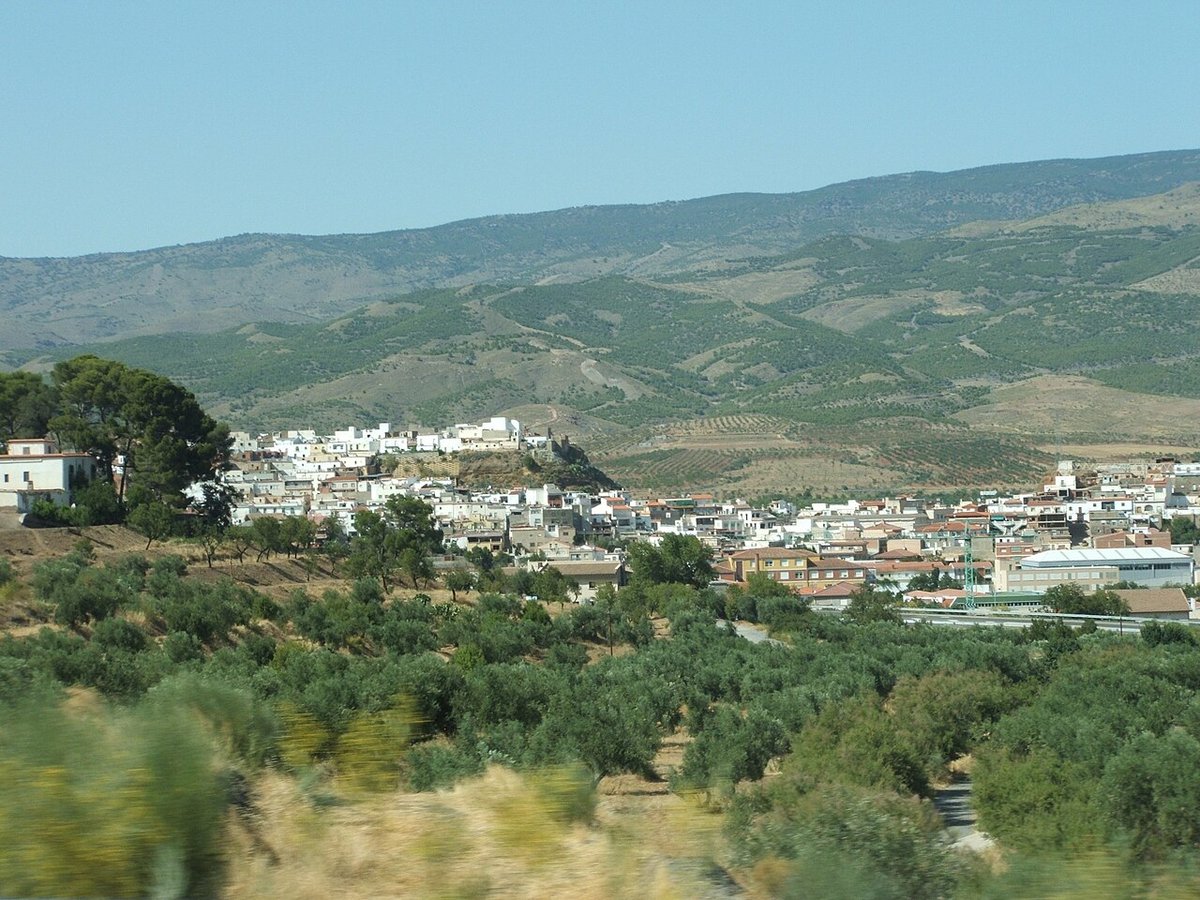
Abla is the kind of place that feels like visiting a relative in a small village. Everything seems calm, as if little changes from one year to the next, yet the longer you stay, the more details begin to appear. This municipality in the Filabres-Tabernas region, set on the slopes of Sierra Nevada at around 860 metres above sea level, works in that way. It does not try to attract attention. It simply carries on at its own pace.
People still stop to chat in the middle of the street, the way it happens in small towns where a short walk can turn into several conversations before reaching the corner. There are no shopfronts designed for visitors, no streets turned into a staged backdrop. Strangely enough, that is exactly what makes many people pause here.
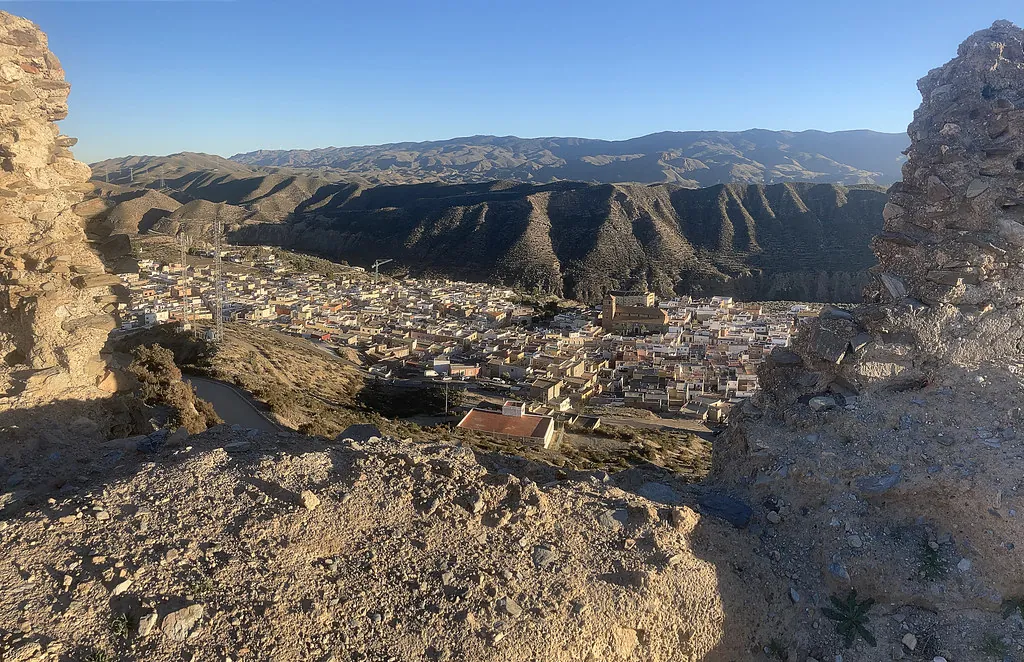
Its Arab origins are visible in the layout. Streets rise and fall as if a handful of ropes had been tossed across a hillside, each one settling in its own direction. Whitewashed houses cling to the slope, corners appear without warning, and there are stretches where a car feels unnecessary. The name comes from “Tabla”, a reference to a mountain that opens out like a natural table. From certain higher points the idea becomes clear: the vega of the Nacimiento river spreads out ahead, and in the distance Sierra Nevada sometimes still holds snow even when it already feels like summer below.
The architecture is simple and practical. Whitewashed walls, reddish roofs, inner courtyards that are barely visible from the street. Nothing ornate. More like a well-used tool that has done its job for generations without needing attention.
Heritage here does not sit behind glass. It is scattered through the village and the surrounding landscape. Ravines turn green in spring and return to dry, earthy tones in summer, a contrast that shifts quickly, like something soaked and then left out under the sun.
Walking through without a plan
The parish church of San Sebastián, built in the 16th century, marks the centre of the village. Its tower can be seen from many points, acting as a simple reference when wandering through the streets without direction.
Inside, everything is restrained. Plain arches, whitewashed walls, modest altarpieces. It is not a space that impresses through scale, but through the sense that it has been part of daily life for centuries.
The historic centre is easy to cover in a short time, and that works in its favour. It feels like opening a small drawer filled with objects: it may not look like much at first glance, yet each street holds something worth noticing. Wooden doors slightly curved with age, wrought iron window grilles, inner courtyards only hinted at when a door is left ajar.
Beyond the village, the landscape shifts quickly. In some places the Valle del Nacimiento stretches out like a map laid flat. In others, Sierra Nevada appears in the distance on clear days. Rural paths circle Abla, passing between cultivated plots, dry riverbeds known locally as ramblas, and patches of low vegetation. Walking here has the pace of a long after-lunch stroll, unhurried and more about looking around than watching the time.
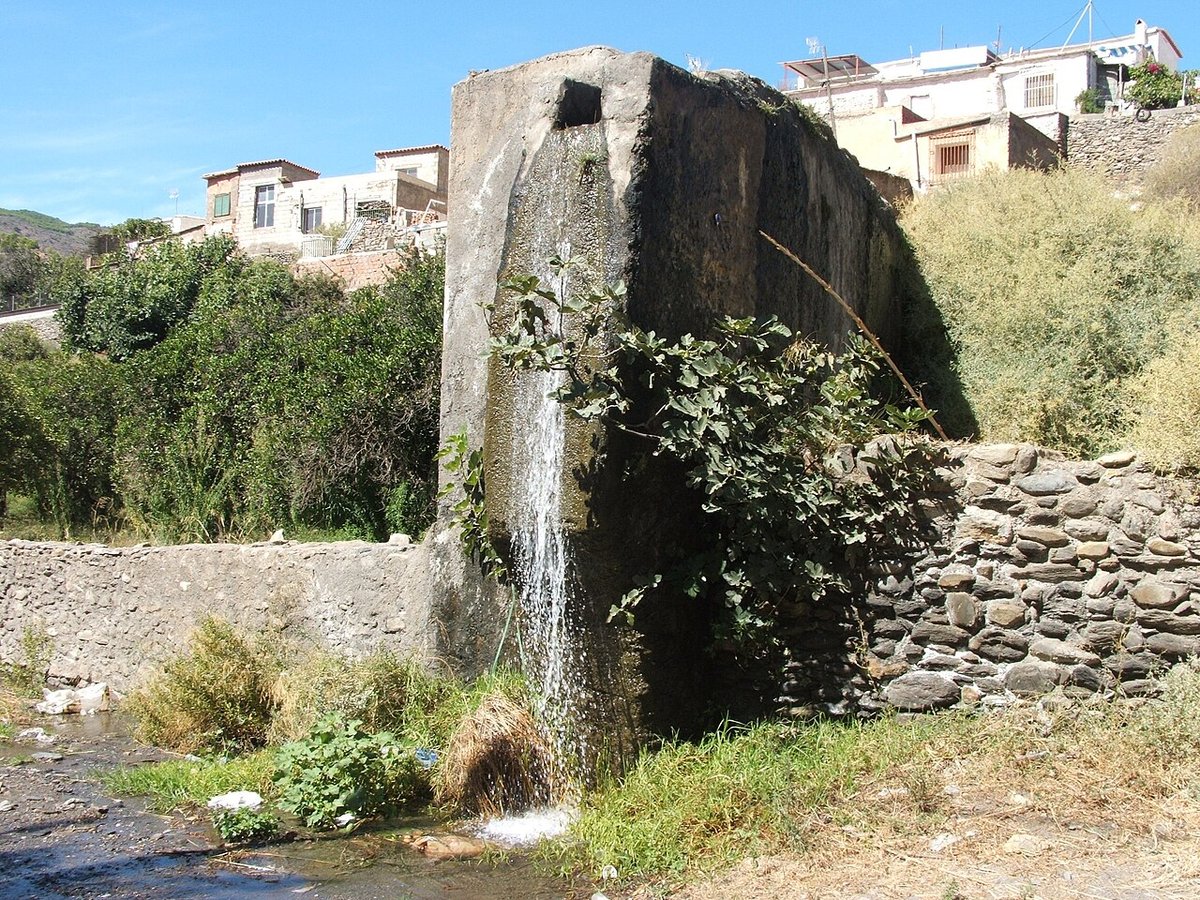
Fountains have long served as small stopping points. Some are nothing more than a metal spout set into a wall. Others are more hidden. They feel placed with purpose, appearing where they are most needed rather than by chance.
Making the most of the surroundings
The proximity of Sierra Nevada is noticeable. Paths lead out from Abla towards higher ground where the landscape begins to change. Dry scrub gives way gradually to pine forests or holm oaks as the altitude increases. It is worth checking the routes beforehand, as some are signposted while others follow traditional paths rather than prepared trails.
Local cooking follows the logic of many inland villages: filling dishes designed to satisfy. Stews made with lamb or kid goat, vegetable-based potajes using produce from the area, and migas prepared from stale bread. It is the kind of food that leaves the same feeling as a long family meal, where a short rest or a slow walk afterwards seems almost necessary.
For those carrying a camera or binoculars, the surroundings offer plenty to observe. The contrast between dry terrain and plots irrigated by old acequias creates unexpected scenes. Sometimes it is enough to climb a slightly higher street to find a view that feels like it belongs to a lookout point, even if it is right beside an ordinary house.
Abla also sits close to other villages such as Gérgal or Fiñana. Moving between them is straightforward and gives the sense of continuing through different chapters of the same wider story in this part of Almería.
Traditions that return each year
Festivities dedicated to San Sebastián in January continue to shape the local calendar. During those days the atmosphere shifts. Streets fill with people, as if the whole village has decided to gather at once.
A similar change happens in August, though for a different reason. Many who live elsewhere return to Abla for a few days. The mood resembles a large family reunion, with familiar faces reappearing each summer, long greetings, and conversations that pick up where they left off the previous year.